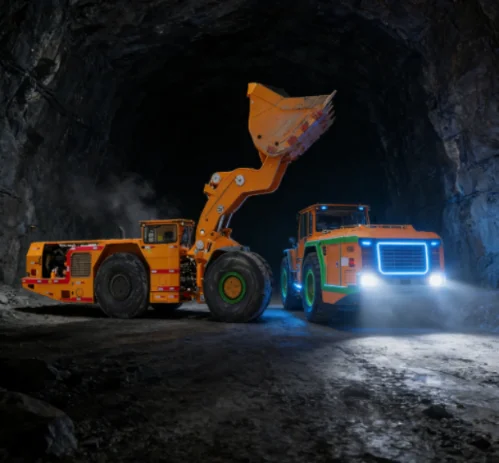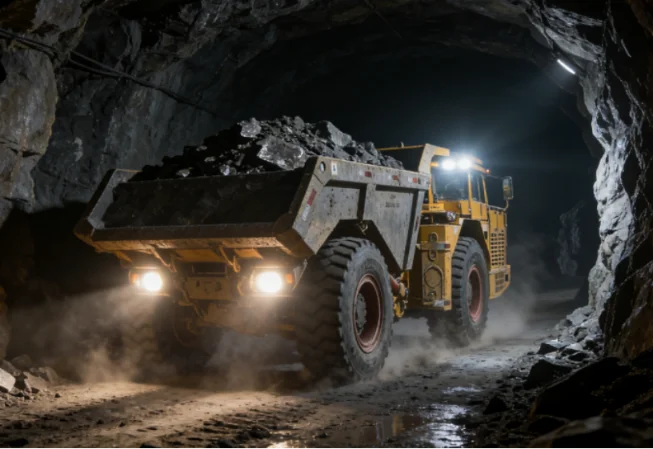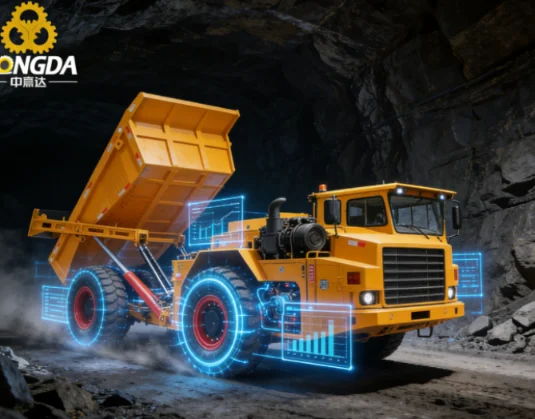
Medium-scale underground metal mines increasingly rely on 4 m × 4 development headings to support larger underground mining trucks and underground LHDs. However, higher haulage output is only achieved when the loader matches the mine’s actual operating conditions, including hot underground headings, steep ramps, dusty ore passes, abrasive hard-rock zones, and variable fragmentation muckpiles.
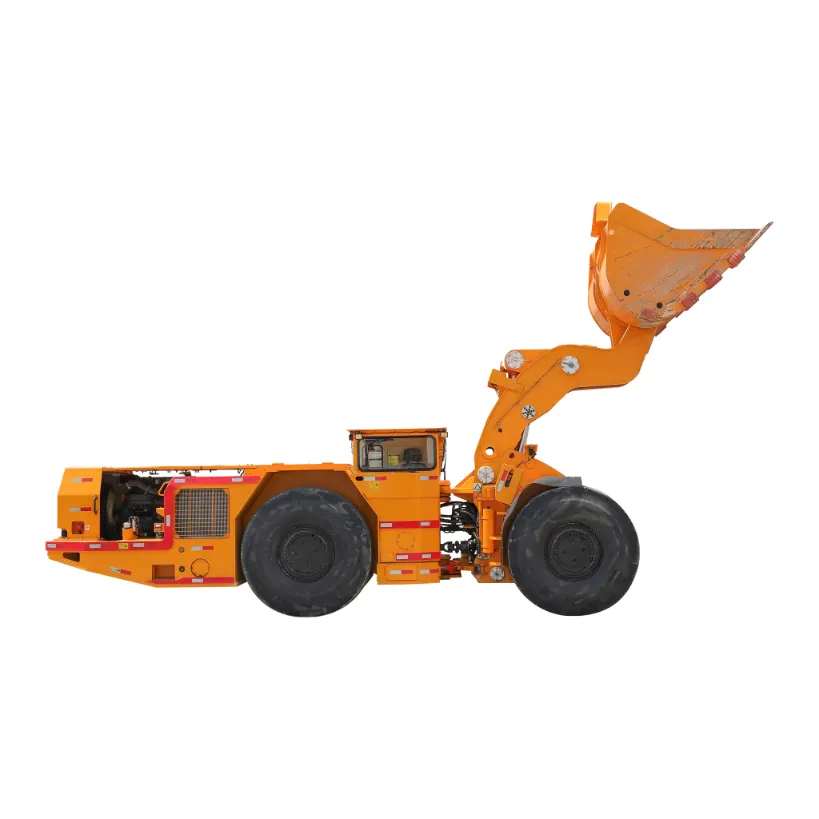
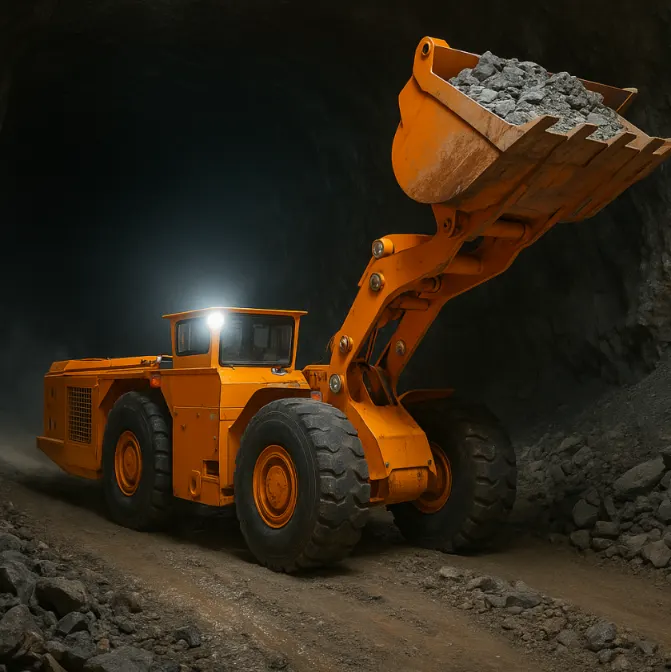
This case study shows how one hard-rock mine boosted daily output by introducing a 6 m³ underground loader, focusing on how a machine in the ZDL614 underground loader aligned with demanding site conditions such as high thermal load, 12–14° ramp gradients, 4 m × 4 maneuvering geometry, and limited workshop capacity.
Mine Background: 4 m × 4 Roadways but Underperforming Haulage
The copper–gold mine operated in a combination of hot underground headings, dusty ore passes, and long haulage ramps, where diesel machines routinely faced cooling challenges. Its development layout included:
- 4 m × 4 drifts, but with occasional narrow turning bays
- Steep decline ramps up to 14°, causing high tramming torque demand
- Hard, abrasive ore producing inconsistent fragmentation
- Airflow-restricted zones where ventilation was stretched
- A daily production goal of 3,000–3,500 tonnes
The existing 3–4 m³ loader struggled under these real-world conditions:
- Cooling system hit thermal limits on long uphill cycles
- Multipass truck loading caused delays
- Maneuverability suffered in confined headings
- Over-fragmented muckpiles reduced bucket fill efficiency
- Preventive maintenance was difficult in tight, dusty service bays
Even with dispatch optimization, the loader could not maintain consistent cycle times.
Why the Mine Considered Moving to a 6 m³ Underground Loader
The mine suspected the bottleneck was not the truck fleet but bucket capacity and thermal resilience under heavy cycles. Engineers reviewed key questions:
- Could a 6 m³ LHD bucket reduce truck loading passes enough to raise shift output?
- Would a heavier machine still maneuver safely in 4 m × 4 headings, tight corners, and uneven stopes?
- Could the loader maintain hydraulic temperature stability in high-temperature working areas with dust-restricted cooling airflow?
- Could maintenance tasks be completed reliably in a mine with limited workshop capacity?
- Would the loader remain stable tramming on 12–14° gradients with a full bucket?
These questions led the mine to evaluate the broader underground mining loader lineup and test a loader in the ZDL614 class.
Equipment Comparison: ZDL614 vs Global 6 m³ LHD Classes
The mine compared three 6 m³ loader categories, focusing on real field conditions such as steep ramps, abrasive ore, confined headings, and cooling performance under continuous load.
1. ZDL614 Underground Loader (ZONGDA Class)
Optimized for metal ore stopes, 4 m × 4 headings, dust-heavy environments, and heat-intensive cycles.
2. Komatsu 6 m³ Loader Class
Known for breakout force and brand ecosystem.
3. Sandvik LH410 Class
Strong digital integration and fleet analytics.
Comparison Table: 6 m³ Underground LHD Class
| Item | ZDL614 (ZONGDA) | Komatsu 6 m³ class | Sandvik LH410 class |
| Target ore type | Metal stopes, hot headings, dust-heavy zones | Hard-rock mines | Hard-rock mining, digital fleets |
| Bucket class | 6 m³, high fill factor | 5–6 m³ | 4–5 m³ |
| Cooling | Oversized system for heat-intensive headings and dusty airflow | Efficient, but prefers strong ventilation | Stable with advanced control |
| Steering & geometry | Tight turning radius for confined headings and uneven stopes | Stable for wider drifts | Designed for structured headings |
| Ramp behavior | Strong tramming torque for 12–14° gradients | Strong | Strong |
| Maintenance | Field-serviceable in limited workshop conditions | Requires full workshop | Diagnostics-heavy |
| Cost position | Competitive | Premium | Premium |
Deploying the 6 m³ Loader Under Real Underground Conditions
1. Ramp Trials Under Continuous Load
The loader was evaluated on:
- Uphill tramming at full load on 14° gradients
- Downhill braking stability in narrow declines
- Hydraulic temperature response in high-temperature working areas
- Cooling airflow in ventilation-restricted zones
- Steering precision in confined maneuvering bays
This underground mining loader maintained stable temperatures and predictable control even after prolonged cycles.
How Daily Haulage Improved in Real Conditions
1. Better Bucket Fill Efficiency in Uneven Stopes
Despite variable fragmentation muckpiles and consolidated rock, the loader’s breakout force and bucket geometry allowed:
- Higher bucket fill factor
- Faster entry–exit cycles
- Less repositioning in irregular headings
2. Higher Tons per Shift
Even with the same trucks and operators, output rose from 2,700–2,900 t/day to 3,200–3,400 t/day, driven by:
- Fewer passes per truck
- Reduced thermal derating
- Faster tramming on steep sections
3. More Stable Cooling in Heat-Intensive Zones
The loader maintained hydraulic temperature stability despite dusty radiator conditions and limited airflow.
Maintenance Advantages in Challenging Underground Conditions
Technicians operated under tight, dusty, low-visibility underground service areas. The loader’s layout allowed:
- Ground-level access for lubrication
- Quick radiator cleaning in dust-heavy environments
- Hose inspection without removing covers
- Reliable preventive maintenance even in limited workshop capacity
- This led to a measurable drop in unplanned downtime.
Extended Engineering Insights
Bucket fill vs. muckpile behavior
Abrasive hard-rock conditions normally reduce fill factor, but the ZDL614-class bucket maintained consistency.
Geometry + steering in confined spaces
4 m × 4 headings still include narrow turning bays, where precise articulation prevents wall wear.
Thermal resilience on long ramps
Continuous tramming on hot declines is where most mid-size LHDs derate—this is where cooling matters more than horsepower.
Serviceability in real underground conditions
Tools, space, and ventilation limitations all affect maintenance performance; the loader’s simple hydraulic layout matched these constraints.
Six-Month Performance Summary
| Indicator | Before (3–4 m³ LHD) | After (ZDL614-class 6 m³ LHD) |
| Daily haulage | 2,700–2,900 t | 3,200–3,400 t |
| Availability | 85% | 90–92% |
| Loading time | 12–15 min/truck | 8–10 min/truck |
| Fuel per tonne | Baseline | ↓ 8–12% |
| Thermal warnings | Frequent | Rare |
ZDL614 as a Practical 6 m³ Option
The ZDL614 underground loader fits mines operating in:
- Hot, dusty, heat-intensive headings
- 4 m × 4 development drifts
- Steep ramps with heavy torque demands
- Hard-rock conditions with abrasive muckpiles
- Sites requiring field-serviceable rather than highly specialized systems
Technical Support Matters
Choosing a loader is only one part of the solution; having technical support for underground loaders ensures consistent uptime.
Why ZONGDA Fits Mines with 4 m × 4 Headings and Steep Ramps
ZONGDA (QINGDAO ZONGDA MACHINERY CO., LTD) specializes in underground equipment for hard-rock metal mines, particularly operations using 4 m × 4 development headings, steep ramps, and ventilation-restricted zones like those in this case study. Its LHDs and underground trucks are engineered for strong cooling performance, reliable tramming on gradients, and simplified hydraulics that can be serviced easily in mines with limited workshop capacity. For sites considering a 6 m³ underground loader, ZONGDA provides machines designed for abrasive muckpiles, dusty headings, and continuous loading cycles, along with technical support that aligns with real underground operating conditions.
FAQ
Q1: Does every mine benefit from a 6 m³ underground loader?
A: Not always. Mines must confirm roadway size, ramp strength, ventilation, and truck compatibility.
Q2: Why not use a 4 m³ loader in 4 × 4 drifts?
A: Because it wastes roadway potential—cycle times remain high due to more bucket passes.
Q3: How does cooling influence LHD performance?
A: Cooling determines whether a loader holds stable tramming power or derates during long cycles.
Q4: Are imported loaders still necessary?
A: Premium brands offer strong ecosystems, but many mines find that simpler machines with localized support deliver more reliable tons.
Q5: How do I evaluate a 6 m³ loader for my site?
A: Consider: drift geometry, heat load, cycle distance, maintenance capacity, and fleet integration.