Running underground mining trucks all day in sharp, dirt-filled spots is hard work. If you skip a clear servicing plan for mining trucks, warmth, shakes, and big weights slowly wear down brakes, water systems, and bodies. A fine underground mining truck care routine does not have to be tricky. But it must fit the true setup in your mine. This guide shows a useful care list for underground trucks. It builds around day checks and time gaps. So you cut sudden stops instead of fixing breaks after they occur.
Why Preventive Maintenance Matters for Underground Mining Trucks
In rock mines, your pull system sits in warm underground spots, low-air corners, and on 12–14° slopes. Wheels go over stones, dump spots take hits from rough piles, and motors push in dirt-thick air. Ground truck ways do not cover this fully. Underground mining trucks need a servicing plan that sees heat push, slopes, and close areas as usual, not as odd cases.
Safety, Cost, and Haulage Reliability
If a truck drops brakes on a drop or gets too hot midway up a slope, the end is more than a fix cost. You miss loads, you block the slope with stuck tools, and you make true danger for folks behind the truck. Mining truck preventive maintenance boosts up-time. But it also steadies your full load-pull-dump loop. When trucks seem steady to drivers, they run smoother. They burn less gas. And they return to the shop for set work instead of save jobs.
Daily Servicing Checks for Underground Mining Trucks
Day checks are the first guard. They are quick, repeat tasks that spot drips, loose bits, and early hot signs before they turn into stops. If you add these to the start and end of each turn, your servicing plan for mining trucks turns into part of normal tasks. It is not an extra load.
Walk-Around and Visual Inspection
Tell the driver or fix person to walk around the underground mining truck with lights on. Look for oil marks, water on the ground, or wet spots on centers and water lines. Check wheels for cuts, side swells, and gone wheel bolts. Scan the dump spot, joints, and lift tubes for new dents or bent parts. In slim drops, stone hits on the body and dump spot are usual. So eye checks count more than folks want to say.
Fluids, Filters, Brakes, and Lights
Check motor oil, water oil, gear fluid, wheel oil, and cool levels before the truck goes out. If any level falls over and over between turns, see it as a hint, not mess. Air cleaners and coolers grab dirt fast in low-air spots. So fast clean around the in-take and cool pack can push back cooler block. Test stop brakes and hold brakes in a safe spot on a light slope. And check all work lights, stop lights, and buzzers. Tiny wire faults underground can grow into big safety issues if no one tells.
Interval-Based Services at 250 And 500 Hours
Day checks are not full. Underground mining truck maintenance also wants set gap services. Most mines use 250-hour and 500-hour groups as an easy way to bunch tasks. Then change based on true info.
Between the H2 title and the tasks, it helps to think about what these hours mean. In a busy hard-rock mine, 250 hours can pass very fast, especially if trucks run double shifts. That means you need service windows that fit production schedules, not just ideal workshop calendars.
250-Hour Service: Core Systems
At about 250 hours, eye on motor, cool, and water systems. Swap motor and water cleaners. Check all tubes for rub where they go near sharp metal. And clean cooler fins more deep. In warm underground spots, heat push on long slopes can shove oil temps near buzz points. So cool system care at this step is not a choice. Look at gear and wheel oil. Add if needed. And note any metal in filters or pulls.
500-Hour Service: Structure and Brakes
At around 500 hours, spend more time on build and stops. Check body spots near hang mounts, joint points, and dump spot turn spots for breaks. Look at dump spot covers and wear bits in rough rock mines. Because worn covers pass more hit right into the build. Take a near look at stop pads, rounds, and water lines. Underground drop stop loads are high. So stop system care underground should be tighter than for ground groups.
How Operating Conditions Shape Your Servicing Plan
Not every mine can use the same care list. Warmth, slope length, air flow, and stone kind all push trucks in other ways. A mine with long 14° slopes and warm spots needs shorter spaces between cool system checks and drive services than a low, cool spot.
If your spots are close and shops are tiny, get-in will also change your plan. Easy tasks may take longer because you cannot shift big lift tools underground quick. In that case, bunch care work when the truck is already out of the make line can save more time than fixing every small issue in the drop.
Typical Condition-Based Adjustments
In dirt-thick air and low-air spots, cool system care, air cleaner swaps, and cooler clean often shift from 250 hours closer to 150–200 hours. If trucks work on sharp slopes most of the time, you may pick to look at stops and drive bits at each 250-hour service. Not only at 500 hours. Mines that do lots of pull with part loads and short loops sometimes stretch gaps on some bits. Then cut others where repeat speed up and stop cause quicker wear. The point is easy. You hold the build of your servicing plan. But fix the time to fit your rock and setup.
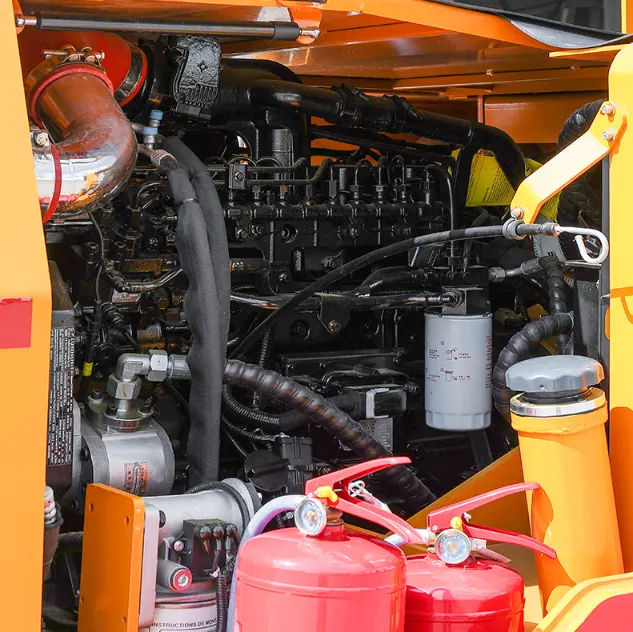
Building a Practical Servicing Plan for Your Mine
A handy servicing plan for underground mining trucks does not sit only on a wall. It needs to fit your teams, your turn way, and your pull setup. Start with a basic list that mixes day checks, week looks, 250-hour services, and 500-hour services. Then add a way to note breaks, oil test reports, temp buzzes, and driver notes.
Over a few months, you will spot ways. Maybe one truck gets too hot more on a sure slope. Maybe another shows early build tired near a set corner where stones often hit the dump spot. When you see these ways, you can change care gaps. Shift drive ways. Or toughen bits before a break. Some mines also line truck services with work on other pull tools, such as underground mining locomotives for haulage support. This cuts the full time that the drop is blocked.
ZONGDA Support for Underground Haulage Fleets
ZONGDA (QINGDAO ZONGDA MACHINERY CO., LTD) eyes on tools for hard-rock metal mines. So the group behind its underground mining trucks knows the true of warm spots, sharp slopes, and dirt-thick ore paths. The firm plans underground dump trucks and like pull machines with tough bodies, useful cool setups, and care points set for quick get in close underground shops. For you, that means simpler day checks, shorter services, and fewer shocks in the drop. ZONGDA also gives tech help and setup tips. So your servicing plan fits both the truck plan and the run setup in your mine instead of staying as a usual list.
FAQ
Q1: How often should you service an underground mining truck?
A: Use daily checks and weekly inspections, with structured services around 250 and 500 hours. Then adjust intervals based on your real conditions, such as ramp length, heat, and dust levels.
Q2: What are the most important daily checks on a mining truck underground?
A: Look for leaks, damage to tires and frames, low fluid levels, and blocked air inlets. Test brakes and lights before the truck leaves the bay, especially if it will work on steep declines.
Q3: Why do underground mining trucks overheat more often than surface trucks?
A: Hot underground headings, low airflow, and dust clogging radiators all raise thermal load. If you work on long ramps, engines and hydraulics stay under high power for a long time, so weak cooling shows up quickly.
Q4: How can you reduce unplanned downtime in an underground haulage fleet?
A: Keep a simple maintenance checklist, stick to core intervals, and listen to operator feedback. Oil sampling, temperature logs, and repeat-failure tracking help you change parts before they fail in the decline.
Q5: Do you need a different servicing plan for each mine?
A: Yes. The basic structure can stay similar, but mines with steeper ramps, hotter rock, or tighter headings often need more frequent cooling, brake, and driveline checks than cooler, shallow operations.