You work underground, not on slides. Colourful charts don’t move rock. A loader that passes audits and keeps air clean does. Compliance is no longer a side note; it shapes ventilation spend, cycle time, and how smoothly new headings open. If you are weighing a change to a low profile LHD for narrow spans, compliance choices ripple through everything from crew comfort to shift output. Think of this as a practical field note rather than theory.
What Safety Standards Apply to Underground Loaders?
Before comparing spec sheets, map the rule set you must meet. Safety audits look at operator protection, machine structure, egress, fire systems, braking, lights, and how all of that behaves in real headings. The target is simple to say and hard to miss: a loader that protects people in everyday bumps, not only in lab tests. This also links to your wider plan for underground mining equipment selection, where one weak link forces costly workarounds.
Operator Protection And Visibility
A low-slung frame helps in 3–4 m backs, but you still need a strong cab. ROPS and FOPS are more than acronyms; they keep the operator safe when a loose slab drops or the bucket nicks the back. Visibility matters as much as steel. A wide sightline around the boom, good mirrors, and camera coverage reduce tyre scrubs and wall strikes. Non-slip steps and handholds sound basic yet cut minor injuries. If your headings twist, add corner lighting to reduce blind spots.
Braking, Steering, And Escape
Loaded downhill in wet ground is when brakes tell the truth. Look for wet disc brakes, park brake interlocks, and steering with predictable feel at low speed. Emergency egress should be fast and obvious. Doors that open cleanly, illuminated exit paths, and clear decals help in smoky conditions. Small details matter, like latch placement and door swing that doesn’t bind when rock dust packs up.
Emission And Ventilation Compliance?
Diesel particulate, NOx, noise, and heat all feed into ventilation plans and power bills. A loader that burns less and breathes better reduces the fan load. That drives real cash, shift after shift. When you also run an underground mining truck fleet, the combined exhaust load can be the difference between a simple fan schedule and an expensive rebuild.
Engine Emission Rules And Aftertreatment
Check which tier applies in your region. Many mines now require Tier 3, Tier 4, or similar performance. Diesel oxidation catalysts and particulate filters lower soot and smell, but only if dosing and regeneration work with your duty cycle. Ask for a data sheet that shows emissions at typical tramming loads, not just at a neat test point. Cleaner exhaust means you can hold ventilation at a reasonable setpoint without constant alarms.
Noise, Heat, And Air Quality
Heat soak in a drive with poor airflow drains crews. Look at cooling package layout, airflow paths, and how the machine sheds heat at low speed. Noise ratings at the operator’s ear and around the rear module matter for long shifts. A quieter underground mining loader reduces fatigue and helps with near-miss awareness. Simple seals and intact exhaust flex pipes stop fumes sneaking into the cab.
Certification And Inspection: How Do You Verify Compliance?
Paperwork backs up metal. Certification is not just a stamp; it is a trail of tests and checks that you can show during audits. You want records that stand up when an inspector asks for proof on the spot. It saves time, and it keeps the team calm.
Certificates, Tests, And Pilot Runs
Look for a clear list of standards met, plus third-party test summaries when available. A short pilot in a real heading beats ten glossy photos. Run a week of shifts, log alarms, note fuel and DEF consumption, check filter life, and pull a particulate reading after a normal duty cycle. Keep those traces with the machine file.
Maintenance Logs And Daily Checks
Compliance fades if basics slip. Train operators to note brake feel, light function, and DPF status during walk-arounds. Keep tidy service logs that record aftertreatment events, coolant changes, and brake inspections. When audits land, this quiet discipline pays off.
Practical Tips For Selecting A Compliant Low Profile LHD?
Spec alignment helps the loader fit your mine rather than forcing your mine to fit the loader. The aim is to avoid surprises once the machine is on the decline. This is also where choosing the right underground mining truck to pair with the loader keeps the circuit balanced.
Match Machine To Heading
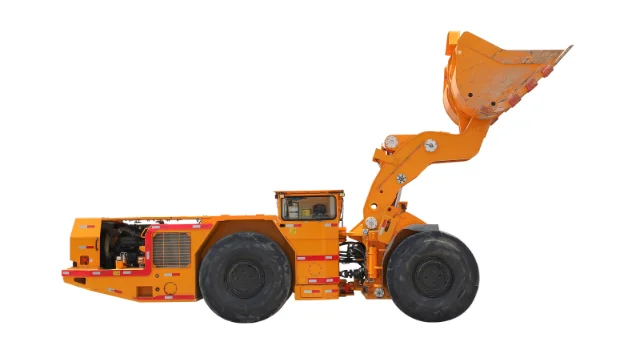
Start with height, width, and turning radius. In a 4–5 m span, every centimetre counts. Check bucket capacity against your round size, ore density, and haul distance. Too large a bucket looks good on paper but scrubs walls and slows cycles. Too small and you add needless trips.
Pick The Right Power And Driveline
Torque at low speed trumps peak horsepower underground. Tractive effort, breakout force, and gear ratios shape how the loader feels when it bites into a fresh muck pile. Smooth inching helps the operator load fast without shock. Ask for real numbers measured at the tyre, not just engine ratings.
Plan For Service Access
If filters and grease points are buried, daily tasks become weekly, then never. Choose layouts with side-swing doors, grouped service points, and safe access from ground level. A loader that is easy to service stays closer to spec through its life.
The Cost Of Non-Compliance?
Fines are one thing. Lost shifts and strained ventilation are worse. If a loader throws constant emissions alarms, you slow tramming to nurse it, fans run harder, and crews grumble. Downtime grows. On the flip side, a compliant package reduces the load on your ventilation plan and keeps air fresh enough that crews can push steady cycles. It also smooths future approvals when you extend headings or open a new portal.
A Simple Totals View
Add up fan power, filter spend, unplanned downtime, and incident reports. Then compare that to the cost of a compliant spec machine that runs clean. The cleaner loader often wins over a season, even if the purchase price is a bit higher. Auditors tend to smile more too, which never hurts.
Conclusion
Compliance is not just about passing a yearly check. It shapes how your mine feels to work in and how much air you need to push. Choose a loader that fits your headings, protects the operator, and keeps exhaust calm.
QINGDAO ZONGDA MACHINERY CO., LTD builds underground loading and hauling equipment for hard-rock mines extracting metal ores. The company focuses on compact profiles for narrow headings, strong driveline torque, and practical service layouts that keep machines working day after day. Product development follows mining safety regulations and emission targets that matter in modern headings. If your plan is to replace a legacy loader and align it with a future ventilation scheme, ZONGDA offers model choices that pair with current headings and typical haul routes. The sales and technical team can support trials, training, and parts planning for life-of-mine schedules. For broader ranges and specs, you can read the company pages and reach the team when you need a slot.
FAQ
Q1: What safety checks should you run before a trial?
A: Verify ROPS and FOPS documents, test brakes on a grade, confirm lights and cameras, and do a quick egress drill. Log cab noise at the operator’s ear.
Q2: How do emissions tiers affect ventilation planning?
A: Cleaner tiers cut soot and NOx, which reduces the required airflow per unit. That saves fan power and eases alarm management during heavy tramming.
Q3: What is the first sign a loader is not a good fit for your headings?
A: Frequent wall scrapes, slow turns, and hot brakes. Those show the machine is too large for the span or under-braked for the route.
Q4: How do you balance bucket size with cycle time?
A: Match bucket volume to your blast round and ore density. Then model cycles per hour at typical tram distances. Oversized buckets often slow loading and turning.
Q5: Where can you compare compliant specs for a low-profile model?
A: Start with the product library, then review a specific model page for low-profile dimensions and emissions data.