Deep in the dark, dusty tunnels of a metal mine, time is basically cash. If your machine stays still or just moves too slow on the uphill climbs, you lose money every single second. You know how it works. If your heavy-duty mining loader cannot haul a full bucket without getting too hot or quitting on you, your work cycles hit a wall. When that happens, your cost per ton creeps up. All of a sudden, the budget for the quarter does not look so good.
What are the Hidden Costs of Low Payload in Continuous Mining?
Low payload capacity acts like a silent thief in your mine. It is not just about moving less rock in a single trip. It is about the mess that starts after every loading run. When your machine struggles to carry its full weight, your team has to make extra trips just to hit the daily goal. These extra trips mean the engine runs for more hours. You burn more fuel. You put a lot of extra stress on the tires and the drivetrain parts.
How do Extra Trips Impact your Bottom Line?
Think about it for a second. If you save two minutes every trip by carrying a full load instead of a half-full one, those minutes add up fast. They add up across hundreds of cycles. You save cash on fuel. You save cash on parts that wear out too soon. The best part is that you keep your haul trucks moving instead of sitting around waiting at the face. When the loader is the part that slows down, the whole production line hits a wall. The workers get tired too. Running a machine at its absolute limit all day is hard work. That leads to more mistakes or missing out on simple daily checks.
What are the Core Advantages of Investing in a Heavy-Duty Mining Loader?
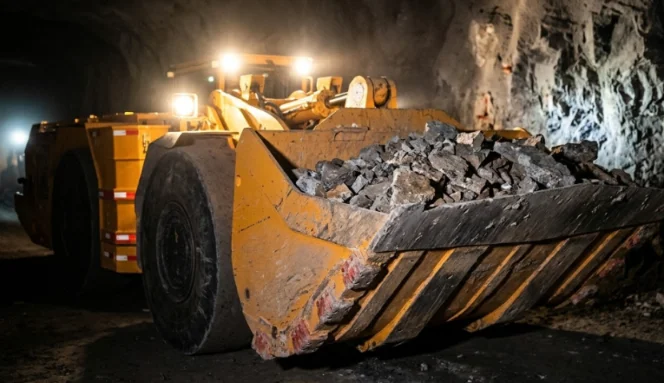
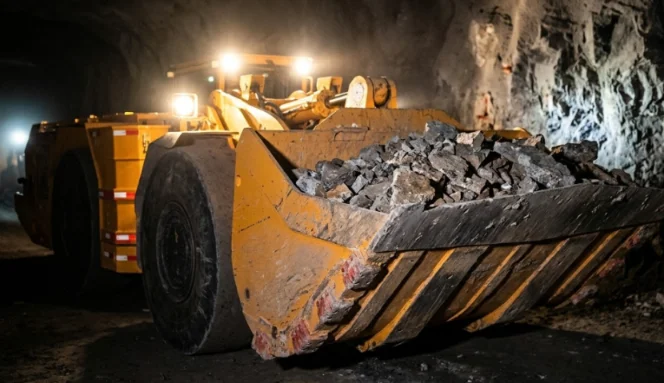
Switching to a modern, heavy-duty mining loader changes how the work at the face gets done. You need a platform that is built to take the beating of hard rock floors day in and day out. It is not only about the size of the bucket. It is about the power, the balance, and how the machine keeps its speed even when the floor is bumpy or the grade is steep.
Why does Payload Capacity Matter?
A 14-ton capacity machine changes your math. By picking a strong , you find the middle ground between small, quick units and massive, slow machines. You get the speed needed to clear the rock pile fast and the weight to push into the pile without spinning your tires. When the drivetrain parts are sized right, the machine handles 17,000 kg of breakout force without any trouble. You stop worrying about if the machine will make it to the top of the ramp while full. You start focusing on hitting your production numbers.
How do Reliable Powertrains change Mining Performance?
Reliability is the only thing that counts when you are deep underground. You need engines with high torque that do not choke when the load gets heavy. ZONGDA has spent a long time listening to what site managers actually gripe about. They build their gear with the idea that the machine should not just run. It should work great in heat and dust. ZONGDA puts high-end global parts into their frames. This means you are not just buying a box of steel. You are buying a machine that uses standard, field-tested parts. Finding a replacement part in a far-away place becomes a real possibility. That kind of smart building keeps the gears turning.
How can you Prioritize Safety in Heavy-Duty LHD Operations?
Safety in the mine is something you cannot talk your way out of. You want your crews to head home safe every single shift. A heavy-duty loader in a tight tunnel is a huge piece of gear. Visibility is almost always a headache. Dealing with blind spots while driving through intersections is where most accidents start. You need technology that gives the driver a second set of eyes.
How does Remote Control Technology save Lives?
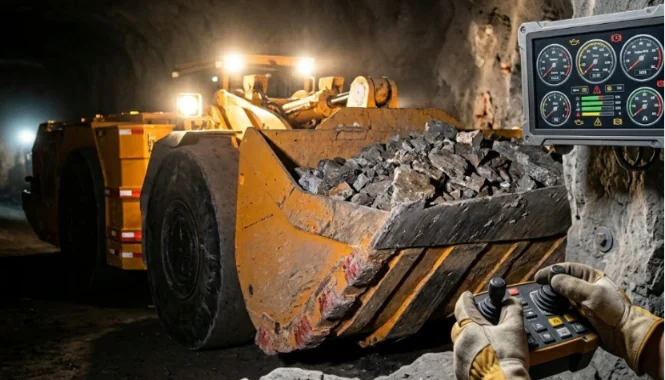
Remote control is not a fancy extra. It is a must-have for dangerous spots. If you are cleaning out a hanging wall or working near a draw point where the ground feels shaky, you do not want a human inside the cab. A loader that comes with a plug-and-play remote system lets the operator stand in a safe spot while still having full control over the bucket and steering. has built these systems to feel natural. It feels almost like you are still in the seat. You do not lose that sharp control you need for dumping the rock exactly where it belongs.
How can you Reduce Downtime with Smart Maintenance?
Every hour your machine sits in the workshop is a loss in production. The old way to do things was to wait for something to break and then fix it. That is a game you cannot win. You need a machine that talks to you before it decides to quit.
Why is CAN-bus control the Future of Maintenance?
Modern machines use CAN-bus systems to track everything. Instead of guessing why an engine is losing power, you can plug in a tool to see the exact pressure readings or sensor faults. It turns a week of guessing into a quick, one-hour fix. Add in grease points that are easy to reach, and you cut out the most boring part of an operator’s daily list. If you make it easy to grease the pins, the job actually gets done. If it is hard to reach, it gets skipped. That is how you end up with worn-out parts six months before you should.
What should you look for in a 14-Ton Underground Loader?
When you look at the spec sheet for the ZDL717, you notice it is built to be a workhorse. It does not have a lot of useless gadgets that just break anyway. The focus is on the frame, how fast the hydraulics move, and the power transmission. You have a Volvo engine providing the muscle and a Dana transmission making sure that power hits the wheels. This is exactly what you need to cut down your cost per ton. You want a machine that stays in the mine. You do not want one that needs a special engineer every time the oil needs changing.
FAQ
Q1: Does a higher payload capacity mean higher fuel consumption?
A: Not always. A machine that hauls more per trip gets the work done in fewer trips. You save fuel because you spend less time driving back and forth to the dump site.
Q2: How does the remote control system affect operator visibility?
A: The remote control system lets operators stand in a safe, bright spot. This gives them a much better view of the machine and its surroundings than sitting inside the cab.
Q3: Is it difficult to source spare parts for these loaders?
A: By using global parts like Volvo engines and Dana transmissions, you can find parts through regular supply lines. This saves you from being stuck with parts you can only get from one specific dealer.
Q4: What is the biggest maintenance mistake owners make?
A: Skipping the daily grease schedule. Even the best machine will fail if the pins and bushings are starved of grease.
Q5: Can this loader operate in very narrow tunnels?
A: Yes, the lets the machine make a tight turn. This is key for moving around in small, cramped underground spaces.