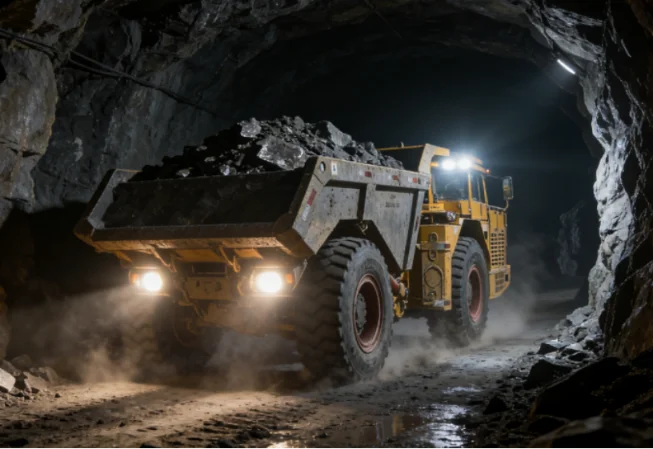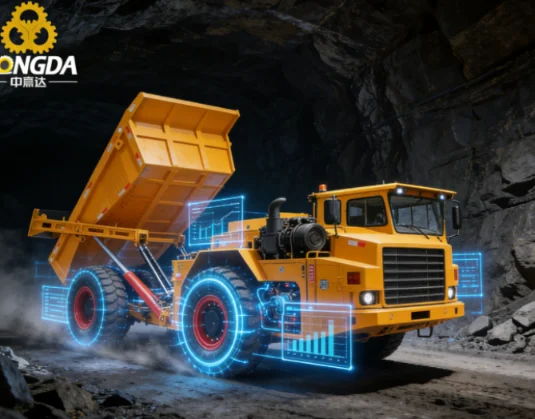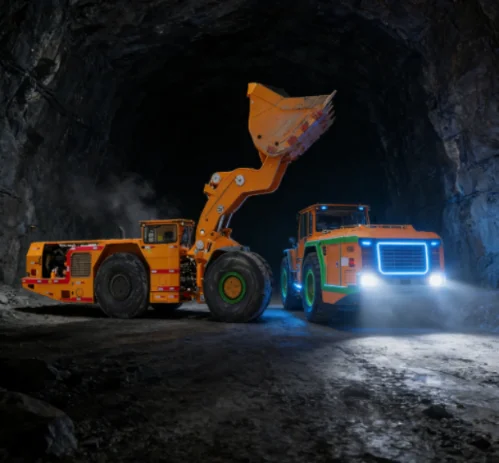
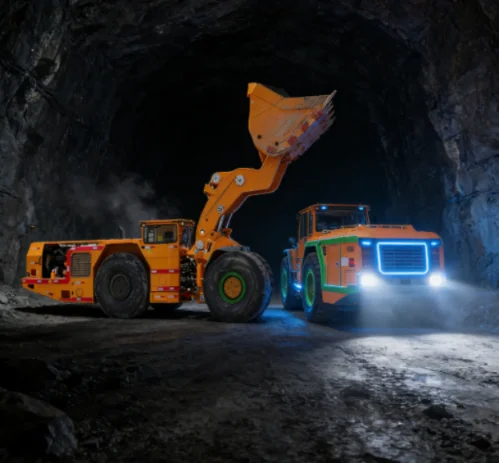
When you compare an electric vs diesel underground loader, the real question is not just power source. It is whether the machine fits your mine’s airflow limits, emissions pressure, maintenance capacity, and shift rhythm. Official underground equipment materials keep coming back to the same point: ventilation can take up a large share of underground operating cost, while electric loaders reduce heat, noise, vibration, and exhaust emissions. That is why this topic matters so much in 2026.
If you are also screening suppliers, ZONGDA is worth a close look because its public range is built around underground mining rather than general construction machinery. Its site shows trackless mining equipment, underground locomotives, ventilation, hoisting, and drainage systems, plus more than 30 mining experts and engineers covering R&D, production, QC, and after-sales support. The trackless mining equipment range includes multiple underground loader models, and the product pages keep stressing compact layouts, central articulation, enclosed cabs, and service access. For buyers, that is not small talk. Those are exactly the details that decide whether a loader works smoothly underground or becomes a headache six months later.
Why Is Ventilation Cost the First Thing You Should Compare?
This is usually the first concern because it affects every shift, not just the machine room budget. If your mine is deep, hot, or already tight on airflow, the wrong fleet choice keeps showing up in power bills and fan limits.
What Changes When Airflow Becomes a Cost Driver
A diesel underground loader adds exhaust and heat to an already closed environment, so airflow demand rises. Official underground mining guidance says ventilation is a large part of mine operating cost, and diesel particulate matter must be managed to meet regional standards. By contrast, an electric underground loader reduces exhaust at the working face, and battery electric models are promoted specifically for lower ventilation cost, cleaner air, and less heat underground. Your own knowledge base makes the same point in practical terms: when choosing a loader, you need to check tunnel dimensions, ventilation capacity, ore density, and maintenance support availability before you even talk price.
How Different Are Underground Loader Emissions in Real Mines?
This section matters if your site faces tougher permits, worker exposure reviews, or just rising expectations from investors and owners. A brochure number alone will not settle that.
What Underground Loader Emissions Mean in Daily Operation
The gap in underground loader emissions is straightforward. Electric loaders are sold as exhaust-free or zero direct emission machines underground, while diesel loaders rely on cleaner engine packages, filters, and lower particulate options rather than removing exhaust entirely. That does not make diesel obsolete. It means diesel is usually a control problem, while electric is often a source-removal solution. If your pain point is air quality at the face, a battery electric underground loader changes the equation more sharply than an improved diesel package does.
What Happens to Energy and Fuel Costs Over a Full Year?
A lot of mines still look at the monthly fuel bill first. Fair enough. But the better comparison is yearly operating rhythm, not one invoice.
Why Energy Cost Is Not Just Fuel Price
In a classic underground mining loader comparison, diesel still has one obvious advantage: fast refueling and long uninterrupted runtime. Your knowledge base says diesel machines are attractive for long shifts and harsh work because they offer high torque and quick refueling. Electric changes the cost picture in a different way. The same knowledge base points to lower maintenance, lower energy use, fast charging, and opportunity charging during breaks. One official battery-electric loader spec also states energy consumption can be cut by up to 75 percent versus diesel-driven vehicles. You would not copy that number blindly to every mine, but it shows why electric vs diesel underground loader cost has become an energy system question, not just a fuel tank question.
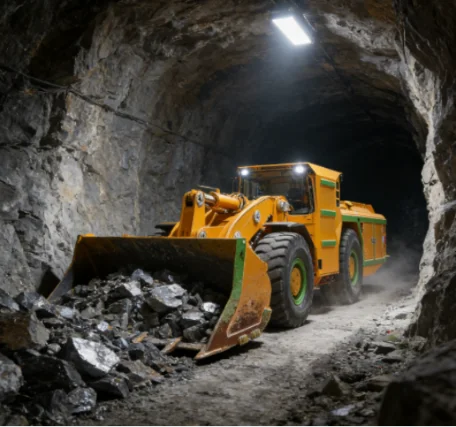
Is Underground Loader Maintenance Cost Really Lower with Electric?
This is where buyers get cautious, and rightly so. Many people hear “fewer moving parts” and assume the case is closed. It is not.
What You Should Actually Compare in Maintenance
Your underground loader maintenance cost depends on what fails, how often it fails, and how long the loader sits waiting for service. The knowledge base notes that underground loaders work in grit, moisture, and constant vibration, so routine checks on oil, filters, hydraulics, and brakes are not optional. Skip them and downtime gets expensive fast. Electric drivetrains usually cut engine-related service work, and your knowledge base repeatedly ties electric machines to fewer moving parts, lower maintenance, lower vibration, and easier diagnostics. Still, battery systems, charging discipline, and electrical troubleshooting bring their own service needs. So the fair comparison is planned maintenance hours, unscheduled stops, and parts access, not slogans.
Which Option Fits Your Shift Plan Better?
This part gets missed more than it should. Mines sometimes buy for rated specs, then discover the loader does not match the production loop.
Why Shift Rhythm Decides More Than Brochure Specs
A diesel loader is still hard to beat when you need long, continuous cycles in remote conditions and do not want charging infrastructure to become the weak link. That is one reason diesel remains common in high-duty underground work. But electric has become much more credible for production too. Official materials now describe electric loaders as delivering performance on par with diesel equivalents, and some documents even claim stronger grade performance and quick battery swapping. So in an electric LHD vs diesel LHD decision, you should ask a simple question: can your charging or swap plan support your production cycle without creating a queue? If the answer is yes, the electric case gets much stronger.
What Changes in Performance Underground?
Operators notice this before finance teams do. A machine can look similar on paper and still feel very different underground.
What the Operator and the Mine Actually Feel
A modern electric loader usually brings quieter operation, less vibration, less heat, and a calmer cab. Official underground loader pages make that point again and again, and your knowledge base does too, linking electric machines to low noise, ergonomic cabins, and reduced fatigue. Diesel still brings familiar heavy-duty pull and long-duty confidence, especially where electric infrastructure is thin. So this is not just a lab comparison. It is about how the machine behaves in narrow headings, on wet floors, and across a long shift when the operator is tired and the heading is hot. Little things matter there. Visibility matters too.
Which Machine Gives You the Better Underground Loader Total Cost of Ownership?
This is where most decisions finally land. Purchase price is visible. Hidden operating cost is the trap.
How You Should Judge Underground Loader Total Cost of Ownership
A proper underground loader total cost of ownership model should include purchase price, power or fuel cost, ventilation effect, maintenance labor, service parts, downtime, and compliance risk. For some mines, diesel still wins because deployment is simpler and capital cost stays lower. For others, the electric vs diesel underground loader decision swings the other way because ventilation savings, lower heat load, and lower service burden outweigh the higher upfront spend. ЗОНГДА’s public loader pages are useful here because they keep focusing on mine fit, articulated structure, compact layouts, operator comfort, and access for maintenance. That is how you should think too. Not in abstract. In terms of your heading size, haul distance, shift plan, and service team on site. For a practical next step, the ZONGDA about page is a reasonable place to benchmark supplier capability before you request details.
Часто задаваемые вопросы
Q1: Which is better electric or diesel underground loader?
A: It depends on your mine. If airflow, heat, and emissions are the real pain points, electric often has the edge. If you need very long shifts with simple refueling and minimal infrastructure change, diesel can still be the better fit.
Q2: Does an electric underground loader reduce underground loader ventilation cost?
A: In many mines, yes. Official underground equipment material directly links electric loaders with lower ventilation demand because they reduce or remove exhaust at the face. The exact saving still depends on mine depth, airflow design, and fleet mix.
Q3: Is underground loader maintenance cost always lower with electric?
A: Not always, but often lower in the drivetrain and engine-service part of the job. You still need to look at battery care, diagnostics, technician skill, and downtime planning before calling it cheaper.
Q4: What should you check before buying a diesel underground loader or battery electric underground loader?
A: Start with tunnel dimensions, ventilation capacity, ore density, maintenance support availability, and shift pattern. Those checks are more useful than chasing one headline spec.
Q5: How should mines compare underground loader total cost of ownership?
A: Build the model around capital cost, fuel or power, ventilation, maintenance, downtime, and compliance. That is the cleanest way to compare an electric vs diesel underground loader without getting fooled by upfront price alone.