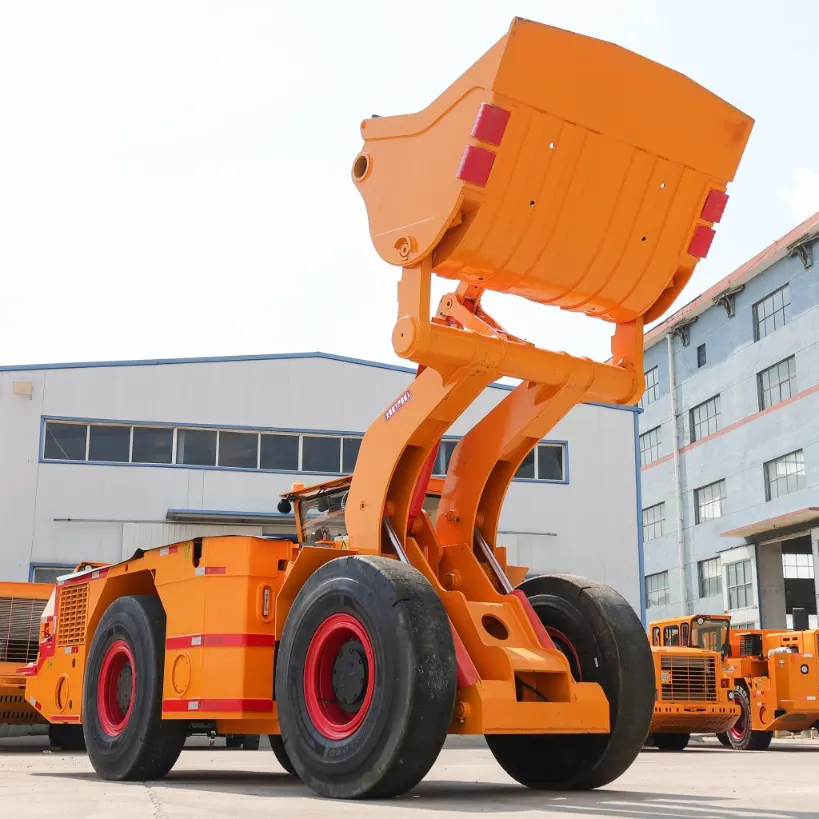
When you work in narrow vein or small-scale underground mines, space is tight, grades are steep, and your daily output depends a lot on the loader you choose. A good underground mining loader keeps your cycle moving even in small headings, while the wrong one slows every corner and pushes costs up. This guide walks you through the key things you should check so you pick a machine that actually fits your mine instead of one that only looks good on a spec sheet.
What Is Special About Narrow Vein and Small-Scale Underground Mines?
Many mines that fall into these two categories share the same challenges. You often deal with slim ore bodies, tight crosscuts and a short list of active headings. A loader that works well in a big mine might become awkward the moment it enters a narrow drift.
What Is a Narrow Vein Mine?
A narrow vein mine usually follows ore zones that are only a few meters wide. Cross sections like 2.0 × 2.0 m or something close to that are common. Corners can be sharp and levels can run deep. In spots like these, a large loader tends to hit backs or sidewalls. You also have ventilation ducting, pipes and cables taking up extra space, so every centimeter matters.
What Production Challenges Do Small-Scale Mines Face?
Small-scale operations often run with limited capital and cannot keep many backup machines. You need a loader that handles several jobs in one shift such as loading at the face, tramming short distances and cleaning development areas. Any long downtime eats into your tons per shift. In small mines, a reliable machine usually brings more value than a bigger but fragile one.
Why Do Underground Mining Loaders Matter So Much in Narrow Vein Work?
In short, they sit at the heart of your load–haul system. The drill moves rock, the truck hauls rock, but the loader connects both sides. If the loader struggles in your headings, your cycle slows down before you even notice where the problem started.
How Does the Loader Fit Into Your Mine Cycle?
You dig the muck pile, fill the bucket, turn out, tram a short path and dump. That sounds simple, but in real tunnels the loader has to squeeze past corners, dodge scaling bars and climb slopes carrying a full bucket. Cycle time changes fast when the machine is too big or slow to turn.
What Are the Benefits of a Right-Sized Loader?
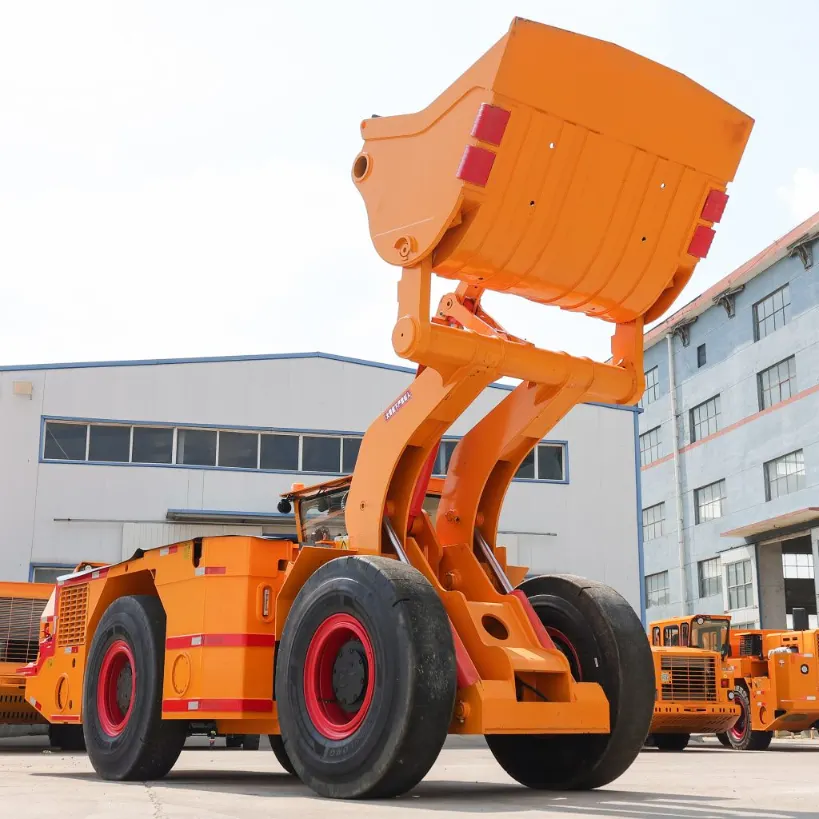
A loader that matches your tunnel shape moves smoother and safer. It avoids scraping walls, burns less fuel and helps the operator keep a steady pace. When the machine’s size and bucket volume line up with your production targets, you reduce wasted trips. For narrow headings, many mines find that a mid-size unit with a bucket around 2 m³ gives a good balance.
Which Key Parameters Should You Check on an Underground Loader?
Choosing a loader becomes easier when you pay attention to the numbers that really change how the machine behaves underground.
How Do Size and Turning Radius Affect Access?
Check width, height and length against your tightest tunnel. Leave room for backs that are not perfectly smooth. A small turning radius is also important, especially when you have several 90-degree corners on the way to an ore pass. A narrow vein mine loader usually handles this type of layout better than a large-frame unit.
How Big Should the Bucket Be?
Bucket size controls how many passes you need at a loading point. Very small buckets mean long loading times. Very big ones force you to use a larger machine that might not fit the headings. For narrow vein mines, bucket sizes between 1.5 and 3.0 m³ are common.
What About Power, Traction and Gradeability?
Check engine power, tractive effort and gradeability. The loader must climb your steepest ramp at a steady speed while carrying a full bucket. Four-wheel drive and strong axles help on wet or broken ground. Good traction gives a lot of confidence on slopes.
How Do Visibility and Safety Systems Help Your Operators?
A loader should give the operator a clear view of the bucket and the tunnel sides. Cameras at the rear also help in cramped loading points. Look for ROPS/FOPS protection, solid braking systems and practical features like safe steps and handholds. These details lower risk and speed up daily tasks.
How Do You Balance Performance and Cost in Small-Scale Operations?
It is common to look only at the purchase price, but in small mines the real number that matters is cost per ton. You want a machine that keeps running and does not surprise you with long stoppages.
Why Think in Cost per Ton Instead of Only Price?
Your total cost comes from fuel, tyres, routine service and any major repairs. A loader with a slightly higher price but better reliability might end up cheaper after a year when you divide the cost by total tons moved.
Diesel or Electric for Narrow Vein Mines?
Electric loaders reduce emissions and heat, but they need charging spots or cables. In remote or early-stage projects, diesel loaders remain more practical. You can still leave room for an electric option if your mine grows later.
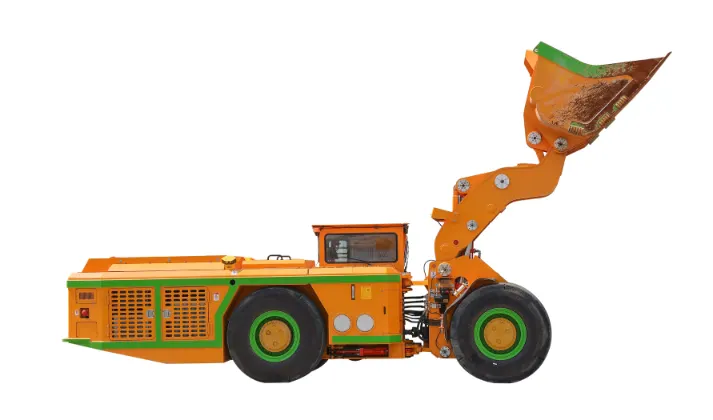
How Should Loaders and Trucks Work Together in a Small Mine?
Matching the loader to your haulage makes production smoother. If the sizes do not match, trucks wait or the loader makes too many passes.
What Makes a Good Loader–Truck Combination?
A common target is four to six bucket loads per truck. For narrow vein mines, pairing a 2 m³ loader with a 10–20 ton truck is a common setup. In small-scale mines, the underground loader for small-scale mines often becomes the main workhorse when tunnels are slim.
What Should You Check Before You Buy an Underground Loader?
As you compare machines, it helps to go through a simple list so you do not miss things that matter later.
Technical Fit Checklist for Narrow Vein Projects
Ask yourself:
• Does the loader fit your narrowest tunnel with room to move
• Can it turn cleanly in sharp corners
• Does the bucket size match your daily tons and any truck you use
• Can it climb your steepest ramp
• Is the cab practical for long shifts
Support and Parts Checklist for Long-Term Work
Even a strong loader needs support. Check if the supplier stocks key parts, provides operator training and offers clear help for troubleshooting. A narrow vein underground mining loader with steady parts supply usually gives better long-term value.
QINGDAO ZONGDA MACHINERY CO., LTD, often known as ZONGDA, develops underground loaders, mining trucks and utility machines for non-coal mines. The company builds equipment that handles steep ramps, tight corners and tough ground. Its product range covers several loader sizes and multiple truck capacities, which makes it easier to match a loader and truck pair for different ore bodies. ZONGDA also supports buyers with on-site commissioning, service guidance and long-term parts supply. For mines looking to grow step by step, this type of stable support can matter more than any single feature on a spec sheet.
FAQ
Q1: How narrow can tunnels be?
A: Many loaders work fine around two to two-and-a-half meters wide, as long as services are not crowding the drift.
Q2: Is a 2 m³ bucket enough?
A: For many narrow vein mines, yes. It keeps the machine compact while still giving decent cycle times.
Q3: Diesel or electric, which one is simpler?
A: Diesel is usually easier for small mines, especially where power supply is limited.
Q4: How many passes should fill a truck?
A: Most mines aim for four to six passes, which keeps the cycle smooth.
Q5: What’s the easiest mistake to make?
A: Picking a loader that is too big for the headings. Fit often beats size in narrow vein work.