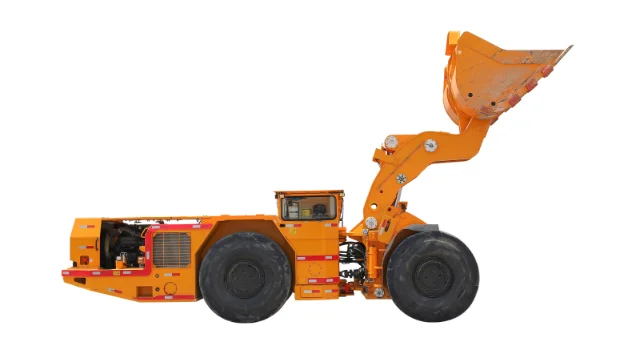
Is your haulage operation stuck in low gear? You might have the best loaders and a skilled crew. But the total tonnage hauled each shift just doesn’t meet your goals. Often, the real problem isn’t at the loading point. It’s hidden in the haulage cycle itself. Mistakes in how you move ore can add up quickly. They create big costs, safety worries, and missed targets. Let’s look at five common haulage errors and find simple ways to fix them.
Are You Using the Wrong Truck for the Drift Size?
This is a very basic error. Putting a truck that’s too big into a narrow mine drift causes nothing but trouble. Think of it like driving a long bus down a small city lane. The machine will fight tight turns. It might scrape the walls. Everything slows down.
You need to fit the equipment to your mine’s shape. Don’t just look at the truck’s weight capacity. A big truck is no good if it can’t move properly in your tunnels.
Prioritize Articulated Dump Trucks for Tight Spaces
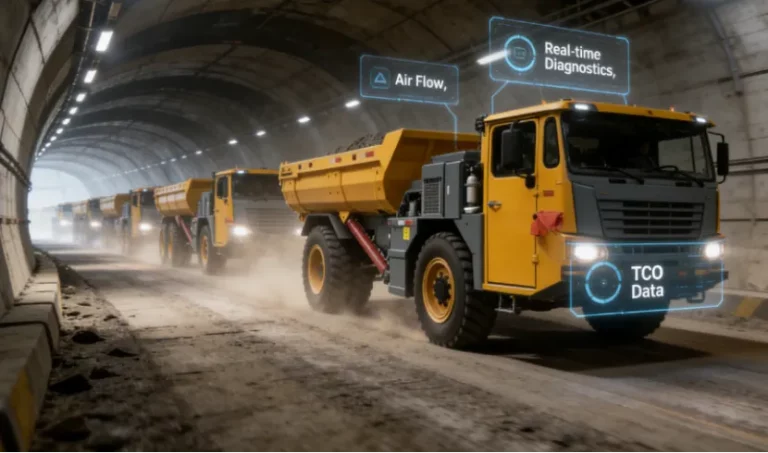
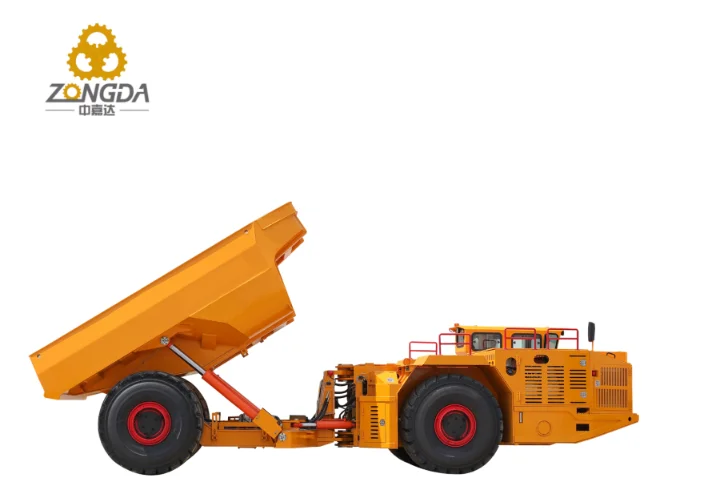
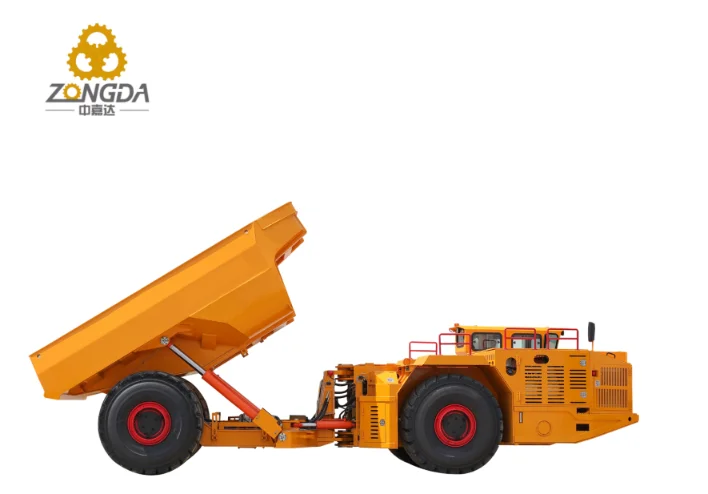
For low-profile mines with narrow veins, an articulated underground mining truck works much better. It has a joint in the middle that lets it bend. This allows turns in much tighter circles than a stiff, rigid truck. That bending action is a huge help for getting around. It means less time wasted backing up and turning around. You get a faster trip back for the next load. So when you are choosing the right underground mining truck, remember to look at its size and how it turns. These things are as important as how much it can carry.
Is Your Focus Too Narrow on Loading Speed Alone?
It’s normal to watch how fast a loader fills a truck. But a quick load loses its value if the truck gets stuck later. Or if it takes too long to empty. The haulage cycle is a chain with several links. These are loading, travelling full, dumping, and coming back empty. Your total output depends on the slowest part of this chain.
You have to see the whole process. Look at everything from the rock face to the dump spot. Problems in any part will steal time and money from your operation.
Streamline the Entire Journey from Face to Dump
Pay attention to more than just the loader. Check the condition of your haul roads. Are they smooth enough for fast, easy travel? Look at the dumping area. Can a truck unload there quickly and completely? Or does the driver need to struggle to get into position? The truck you pick also matters a lot here. A good truck has a dump body that lets the load slide out fast and clean. This directly makes each cycle shorter. Smart underground mining equipment selection means finding a truck that is good at every single job in the cycle.
Are You Overloading in a False Economy?
The idea is tempting. Add more rock to save one trip. This seems to help in the short term. But it often causes bigger problems later. Putting more weight than the truck is meant for strains its frame, its suspension, and its brakes. This also makes the tires wear out much faster. Tires are a very big expense underground.
A little more rock now might mean the truck is in the shop later. It also makes things less safe. This is especially true on slopes where good brakes are critical.
Respect the Rated Capacity for Safety and Longevity
Stick to the number on the plate. It’s not a suggestion; it’s the safe window the truck was built for. With decent training and eyes on the floor, most crews can keep to it. Push past that, and you burn through brakes, frames, and luck. Consistent, right-sized loads keep production moving.
Do You Put Maintenance on the Back Burner?
The underground mine is a hard place for machines. Waiting for something to break before you fix it is a bad plan. If one truck stops working unexpectedly, it can stop the whole production line. Loaders and crews then have nothing to do. Fixing things after they break always costs more than taking care of them beforehand.
A simple missed brake check or a small hydraulic leak can turn into a huge repair job. It can also become a safety problem.
Adopt a Rigorous Preventive Maintenance Schedule
Set up a strict, regular maintenance plan. This includes quick checks by drivers every day. It also needs deeper inspections by mechanics on a set schedule. Pay special attention to the most important parts. These are the brakes, the steering, the tires, and the hydraulic systems. Starting with reliable trucks makes this job easier. Working with a company that builds strong equipment, like ZONGDA, means your trucks can handle the tough work. This gives your maintenance team a real advantage. Keeping good records and following the schedule costs less than a sudden, unplanned stop.
Is Speed Compromising Safety on Poor Haul Roads?
The need for speed can make drivers go too fast. But high speed on a bumpy, wet, or dark haul road causes many accidents. It can make the driver lose control. It can shake the load loose. The rough ride also hurts the truck itself. It makes the site dangerous for other people and equipment working nearby.
Drivers should always match their speed to the road. They must consider how well they can see and how much traffic there is.
Enforce Safe Speeds and Maintain Haul Roads
Clear site rules and good training build a culture where safety comes first. At the same time, spending time and money on your haul roads pays you back. Smoothing the surface, managing water, and adding good lights make travel both faster and safer. Picking trucks with a stable, low build and strong brakes gives drivers the control they need. This helps them work safely, even when the conditions are bad.
FAQ
Q1: What is the single biggest factor in choosing an underground mining truck?
A:It isn’t a single factor. You need a truck that actually fits your drifts and still hauls the tonnage you target. Getting that fit-to-capacity balance right is the real decision.
Q2: How can I accurately measure my haulage cycle time?
A: Time the whole process from start to finish. Start when the truck moves in to get loaded. Keep timing as it drives to the dump spot, empties its load, and comes back to be loaded again. Do this a few times to get an average time. This will also show you which part is the slowest.
Q3: Why is overloading so dangerous underground?
A: Too much weight pushes the truck’s frame and brakes past their limit. This means it needs more space to stop, which is very risky on a downhill slope. It also makes tire blowouts and tip-overs more likely. This puts the driver and everyone close by in real danger.
Q4: What are the key components to check in a preventive maintenance routine?
A: Always check the brakes, tires, steering parts, and hydraulic lines for leaks or damage. These parts are vital for safe operation. Also, check fluid levels every day and look for any new dents or cracks.
Q5: Can better haulage equipment actually improve safety?
A: Yes, without a doubt. Trucks designed with modern safety parts make a big difference. Good parking brakes, a clear view for the driver, and a stable body all help prevent accidents. This protects your people and your equipment.
Finding the right partner for your metal ore mine matters. QINGDAO ZONGDA MACHINERY CO., LTD makes tough underground machines just for metal ore mining. They do not focus on coal. Their know-how comes from solving the special problems of narrow spaces and hard rock. They make loaders and trucks that are built to work for a long time. The goal is to get more work done each day while keeping running costs low. If you want durable equipment that just works day in and day out for your metal mine, their focused approach is worth looking into.