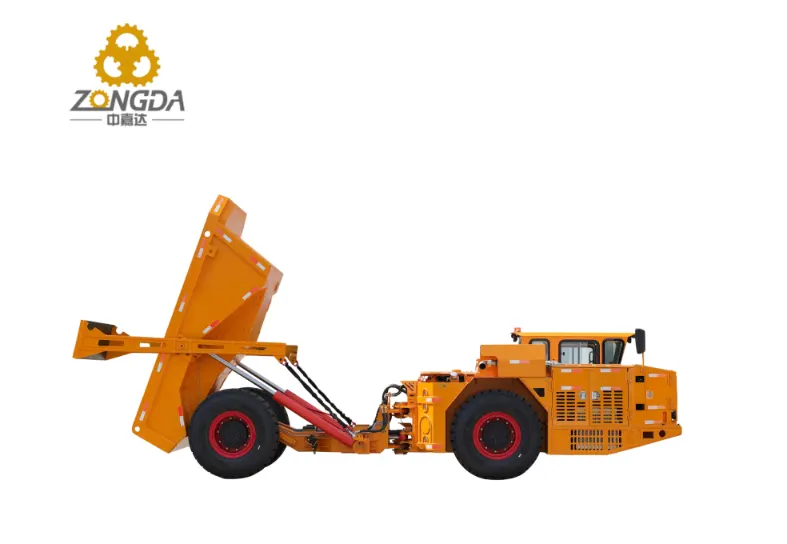
Let’s be honest. Nobody gets up happy about a list. But skipping one on an underground shift can cost a lot quick. When you drive an underground mining truck day after day, the job is tough on metal, oil, and stops. Warm air, dirt, wet spots, steep paths, sharp bends – the truck faces all of it before you eat lunch. A plain daily and weekly plan helps you find little problems before they become lost time, or worse, a safety trouble. This guide shows what you, as an operator or boss, should look at and why it counts.
Why Underground Trucks Need Consistent Maintenance?
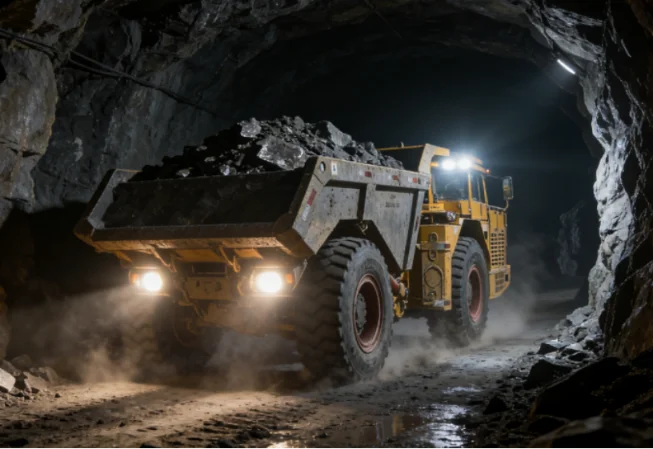
Underground trucks work in spots that road cars never face. Long slopes, tight turns in dim light, damp ground, steady bumps from rocks – all of that builds up. If you only fix stuff when it feels “very bad,” you often act too late. Steady looks give you a habit. So you see changes: a fresh sound, slower move, hotter level than last week.
Daily and weekly plans are not just for the fix team. You, as the operator, are the first guard. You hear and feel things before anyone else. When you add a basic list to the start and end of your shift, you give the truck a better shot to run the full day instead of waiting in a spot with wheels gone.
Effects of Harsh Conditions on Truck Performance
Deep paths put big weight on motors and cool parts. Damp or muddy ways make stops and wheels work more. Dirt gets into filters and power plugs. Over days, the truck can drop strength, get warmer, take more time to halt, or seem slow on the push. None of that comes in one day. It grows bit by bit. Normal looks let you see those shifts early.
Daily Maintenance Checklist for Underground Trucks
Your daily plan should be fast but real. This basic routine makes the core underground mining truck checklist that most places want operators to do. Think of it as a trip around the truck plus a short test once you start going. It does not need more than a few minutes if you do the same steps each time.
Visual Walk-Around Inspection
Start with a full trip around before you turn on the motor. Look for oil or cool liquid on the floor. Check wheels for cuts, bumps, or rocks stuck in the lines. Look at wheel nuts and centers for signs of shift or warm spots. Scan the base and body for new breaks or bent parts. It is easy, but many big stops start with a small drip or a loose screw.
Engine and Cooling System Checks
Open the motor spot and check liquid levels: motor oil, cool stuff, and any seen water tanks. Look at tubes and holders for wet marks or worn spots. Dirt stuck on the cool grid or packs will stop air and raise heat, so see if parts need a clean. When you start, watch the heat sign to see if it goes up quicker than usual.
Brake and Steering Confirmation
Before you go down the path, test the main stop, park stop, and turn in a safe flat spot. Foot push should be hard and steady. Any soft feel, long push, or odd sound needs a note right then. Turning should be smooth, with no blank spots or hits when you go full left to right.
Safety Systems Review
Check all lights, sounds, back alarms, and any picture or sense systems on the truck. Fast stops should be easy to grab and not blocked by bags or stuff. Make sure you have a working fire tool and that the sign is in the good zone. Little looks like these count most when something odd happens underground.
Weekly Maintenance Checklist for Underground Trucks?
A weekly look goes further. This is when you check wear, not just clear troubles. It often takes more time and is done with fix staff, but your say as an operator is still helpful.
Fluids, Filters, and Lubrication Tasks
On a weekly turn, filters and grease come first. Motor oil and fuel filters may not need change each week, but they should be looked at for early block in very dirty mines. Gear oils in split parts and centers should be checked for amount and dirt. Grease spots on hang parts and turn joints need care based on the fix chart. Missing these jobs speeds up wear even if the truck still feels okay to drive.
Tightening and Structural Inspection
Big weights and hits from rough ways can loosen holders bit by bit. A weekly plan should cover key screws around hang mounts, axle links, and body turn points. Look for thin breaks near joins and heavy spots. Rust lines or fine dirt paths around a screw can show shift. Finding this early saves you from base fixes later.
Drivetrain and Axle Line Checks
Watch for loose in drive sticks, join parts, and axle ends. Any odd shake when the truck is full and going up may point to a drive trouble. A simple bar test for loose at joins, plus a look for grease drip, is often enough to pick if more work is needed.
Brake System Test Under Load
Once per week, set a safe stop test with the truck full. Use a good slope and follow place rules. Check how fast the truck slows, hear for high sounds or rough noise, and feel for any pull to one side. Warm build from long down paths can hide troubles during light use, so this full test adds a key real check.
Cabin Function and Control System Review
Inside the cab, look at signs, buttons, and lights. Check that warning lights work as hoped. Loose wires, flash displays, or stuck buttons can change how you act in a tight spot. Comfort parts like seat change and air flow are not just good to have. They help you stay sharp over long shifts.
Common Mistakes Operators Make During Daily and Weekly Checks?
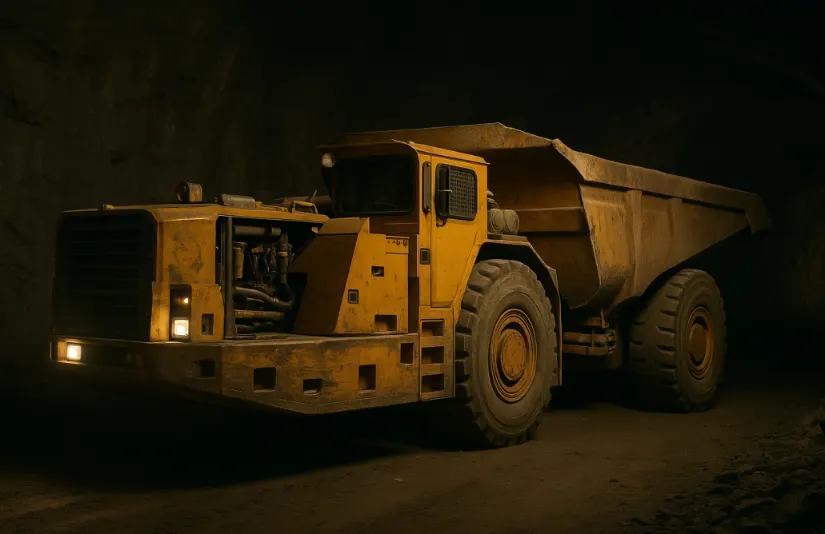
Even old operators get into ways that miss key items. Some only look at wheels and fuel. Others think the fix spot will find anything bad, so they hurry their own looks. A few usual mistakes show up over and over in busy mines.
How These Mistakes Affect Safety and Equipment Life
Skipping small oil marks can lead to water tube breaks. Calling a soft stop foot “okay” on a bad day can put you in risk on the next steep down. Running with a blocked air filter drops power and raises fuel use. Over time, bad underground truck maintenance cuts part life and raises the chance of quick stops. None of this shows on the work report at once, but the price comes later as surprise fixes and lost loads.
Simple Tips to Make Checks Faster and More Effective?
A list only works if you use it. The key is to make it part of your day, not extra that gets left when the shift is full. A few easy ways can speed it.
Small Habits That Extend Equipment Life
Do the same path each time you look at the truck. For example, start at the front left wheel, go around the truck, and end in the cab. Use a small pocket list or phone form so you do not just use memory. Make notes if something feels a bit off, even if you are not sure. Many operators also let the motor run slow after a hard up to cool the system before stop. These small, steady ways have a bigger hit than one big fix time does.
Where Loaders Fit Into the Maintenance Plan?
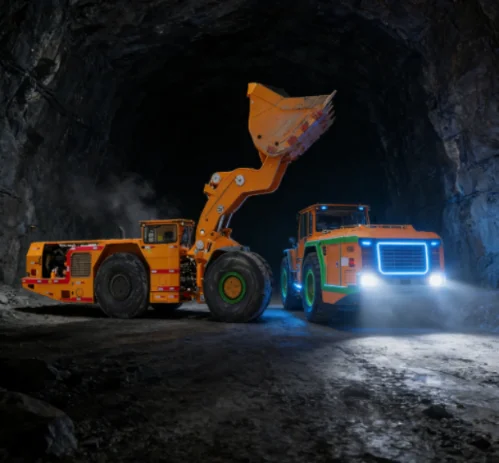
Loaders share the same rough ways and the same rock with your trucks. They may not go the same far, but their joins, water parts, and bases face steady push in the load zone. If your place uses an underground haul truck and one or more loaders together, it makes sense to match basic fix plans across both.
Key Loader Items Worth Mentioning
These points usually make up the basic LHD maintenance checklist used across many hard-rock operations. For loaders, daily focus sits on the bucket, cutting edges, pins, and hydraulic cylinders. Weekly checks include articulation joints, boom structures, and more detailed hydraulic inspections. While this article is centered on trucks, a loader that fails at the face will still stop your haul cycle. A combined truck and loader maintenance plan keeps the full production chain running.
About ZONGDA
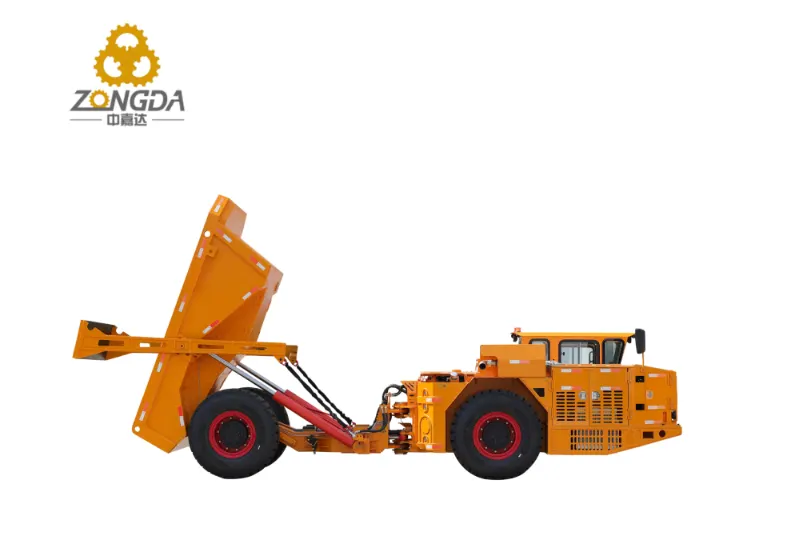
QINGDAO ZONGDA MACHINERY CO., LTD, also known as ZONGDA, focuses on trackless underground machines for hard-rock metal ore mines. The company designs and builds underground mining equipment such as trucks, loaders, and drilling support units that match real tunnel conditions and ore handling needs. With experience in steep ramps, tight headings, and heavy-duty haulage, ZONGDA offers solutions aimed at stable performance and practical service access. For mine owners and contractors who work in gold, copper, and other metal deposits, ZONGDA provides equipment and technical support to help keep production moving while controlling mining equipment maintenance effort and cost.
FAQ
Q1: How long should a proper daily inspection take?
A: Most sites aim for a few minutes before the shift starts. The key is consistency, not speed. A quick walk-around and basic function check is usually enough.
Q2: What happens if you skip weekly checks for a while?
A: You may not see problems right away, but wear builds up. Small leaks, loose bolts, and early brake issues can turn into major failures without warning.
Q3: Are underground trucks harder to maintain than loaders?
A: Trucks often face longer haul distances and more heat from brakes and engines, so they can be more demanding. Both need care, but trucks usually carry more risk if ignored.
Q4: How do you know when a drivetrain needs attention?
A: New vibrations, unusual noises under load, or changes in how the truck pulls on ramps are early signs. Reporting these quickly helps prevent bigger damage.
Q5: Can operators really make a big difference to maintenance?
A: Yes. Operators are closest to the machine every day. Good habits and clear feedback from you are often the reason a truck runs a full season without major surprises.