Introduction
Underground mining is not what it used to be. Deeper mines, tighter spaces, and stricter environmental rules all come together at the same time. In this kind of setting, underground mining vehicles and underground mining utility vehicles quietly become the center of everything.
You might not notice it at first, but these machines decide how fast ore moves and how stable production stays. They also affect something less visible: energy use underground. When the equipment changes, the whole mine starts to behave differently.
Eco-efficiency is now a real pressure point. Fuel cost, ventilation load, and machine downtime all connect back to vehicle performance. Even a small improvement can shift the daily rhythm of a mine.
What Makes Underground Mining Eco Efficiency So Difficult in Real Work?
Mining underground always feels a bit “crowded.” Air does not flow easily, and heat stays longer than expected. Machines run in that space all day.
Why Do Underground Mining Vehicles Have Such a Big Impact on Energy Use?
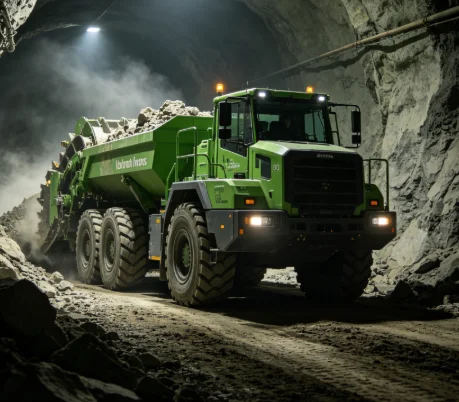
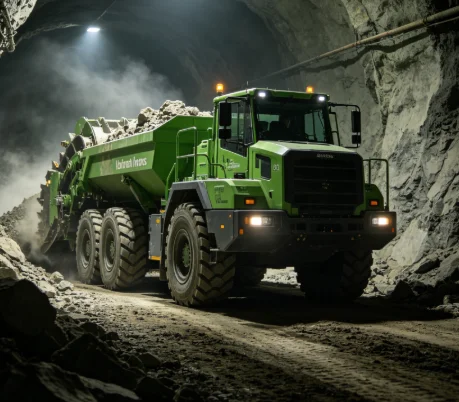
Underground mining vehicles are doing most of the heavy lifting underground. In many sites, diesel still plays a major role. The issue is simple. Diesel engines release heat and exhaust directly into tunnels. That makes ventilation systems work harder, sometimes more than operators expect.
Electric systems feel different. They don’t release exhaust in the same way. So airflow demand drops a bit. Fans still run, of course, but not always at full strength. Over time, this change shows up in energy reports more clearly than people think.
Why Underground Mining Vehicles Drive Daily Production Flow
Once blasting is finished, ore just sits there. Nothing moves without machines.
How Do Underground Mining Vehicles Keep Production Moving Smoothly?
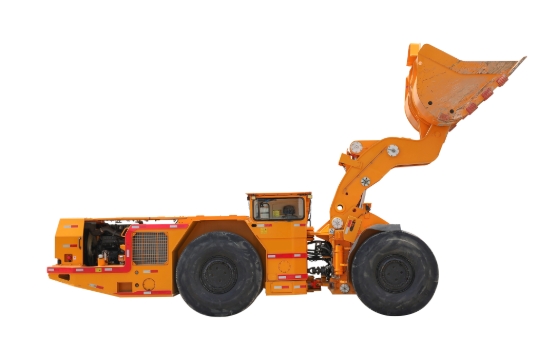
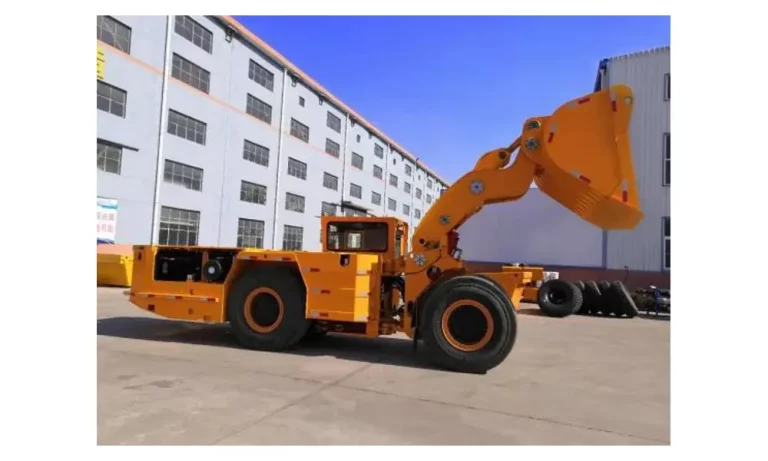
Underground mining vehicles like load haul dump units are the first step in transport. They scoop broken rock, carry it through narrow tunnels, and dump it at transfer points.
The cycle seems simple. But underground, timing matters a lot. A small delay in one vehicle can slow down everything behind it. Operators often notice this during peak shifts when every second counts.
Electric units tend to feel more stable during operation. Acceleration is smoother. That helps when tunnels are uneven or wet, which happens more often than surface reports suggest.
What Role Do Underground Mining Utility Vehicles Really Play?
Not all machines are about ore movement. Some are there just to keep things running.
Why Are Underground Mining Utility Vehicles So Often Underestimated?
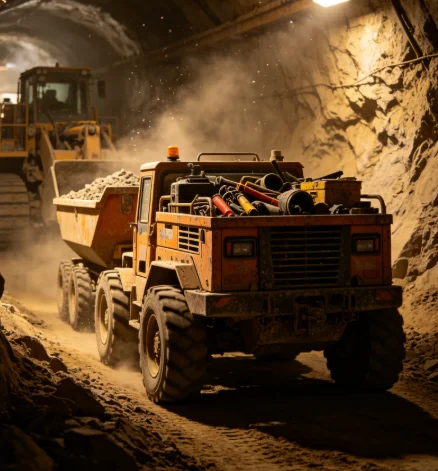
Underground mining utility vehicles handle support work. They move workers, deliver tools, and carry repair parts deep into tunnels.
In practice, these small tasks matter more than they seem. A conveyor belt issue or a broken hose can stop production fast. If support arrives quickly, the delay stays short. If not, everything stacks up.
So these utility vehicles quietly reduce waiting time. They keep the system flexible, especially during night shifts when staffing is lower.
Why Diesel Systems Still Create Problems Underground
Diesel equipment is still common. It works, it’s familiar, and many operators trust it. But underground conditions make its limits clearer.
What Happens When Diesel Underground Mining Vehicles Keep Running?
Diesel underground mining vehicles create heat right where you don’t want it. Inside tunnels, that heat stays. It does not escape easily.
So ventilation systems step in. They push more air, run longer, and use more electricity. In some cases, airflow becomes one of the biggest hidden energy costs in a mine.
Maintenance also becomes a regular issue. Dust gets everywhere. Engines wear faster. Small problems show up more often than planned.
How Electric Underground Mining Vehicles Change Daily Operations
Switching to electric is not just a technical upgrade. It changes how the mine feels.
What Improvements Come From Electric Underground Mining Vehicles?
Battery-powered underground mining vehicles remove exhaust from the working zone. Air becomes easier to manage. Ventilation load can drop depending on layout and depth.
There is also a smoother driving feel. Torque comes instantly, without the lag of combustion engines. On slopes, this helps control speed better.
Energy recovery during braking also plays a small role. It is not dramatic, but over long shifts, it adds up in a quiet way.
How Fleet Coordination Improves Underground Work
Machines alone don’t solve everything. The way they are organized matters just as much.
How Do Underground Mining Utility Vehicles Support Daily Fleet Work?
A good system links underground mining utility vehicles with main haulage units. Utility machines can move along active routes, ready for quick support.
This reduces downtime. Instead of waiting for tools or repair crews, help is already nearby. In underground mining, even a 10-minute delay can interrupt a full cycle.
Safety and Work Conditions Underground
Mining is tough work. Conditions underground are not forgiving.
Can Underground Mining Vehicles Improve Working Conditions?
Yes, especially electric ones. With underground mining vehicles, air quality improves because diesel smoke is reduced. That makes long shifts easier on workers.
Noise also drops. In narrow tunnels, diesel sound bounces around and feels even louder. Electric systems are quieter, which helps communication and reduces stress during work.
Why Equipment Choice Shapes Long-Term Cost
Cost in mining is not only about fuel or electricity bills. It is about time, uptime, and stability.
Do Underground Mining Utility Vehicles Influence Overall Cost?
Yes, indirectly. Underground mining utility vehicles help keep production machines running. When repairs happen faster, main vehicles spend more time working and less time waiting.
Over months, this difference shows up in production numbers more than expected.
Industry Practice and Equipment Support
In real mining environments, equipment must be tough and simple. Underground conditions are not gentle. Dust, slope changes, and tight tunnels are daily challenges.
ZONGDA is often mentioned in mining equipment supply discussions for trackless underground mining equipment designed for these working conditions. The focus is usually on stable structure, practical control systems, and adaptability in narrow underground spaces. In real use, such equipment helps mines reduce unexpected downtime and keep production steady even when conditions are not ideal.
FAQ
Q1: What are underground mining vehicles used for?
A: They move ore and materials inside tunnels and support production cycles underground.
Q2: What do underground mining utility vehicles do?
A: They support transport, repair work, and worker movement inside the mine.
Q3: Why are underground mining vehicles important for eco-efficiency?
A: They affect fuel use, ventilation demand, and overall energy consumption underground.
Q4: Do underground mining utility vehicles improve productivity?
A: Yes, they reduce waiting time for repairs and support smoother operations.
Q5: Are electric underground mining vehicles better than diesel ones?
A: In many cases yes, especially for air quality and heat reduction, but setup conditions still matter.