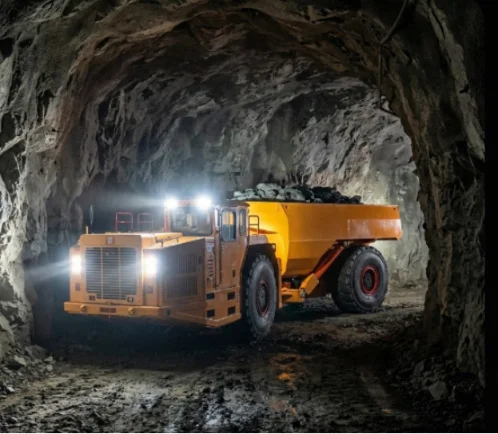
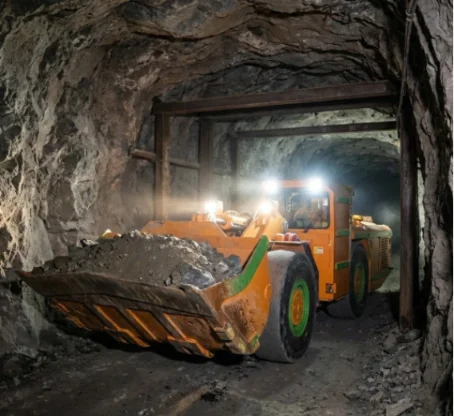
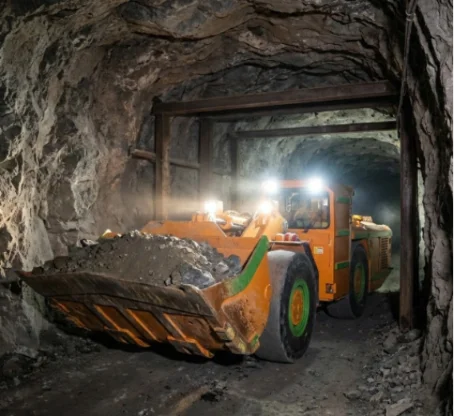
Operating heavy machinery hundreds of meters below the surface is incredibly stressful. You sit in a metal box surrounded by solid rock. The absolute worst nightmare for any shift boss is a machine getting stuck in a tight tunnel. It paralyzes the entire crosscut. A lot of buyers make the mistake of buying loaders that are just a tiny bit too big for their drifts. They think they can squeeze it through. Then the operator spends half the shift grinding the sides of the machine against the jagged rock walls. This tears up the equipment and slows down the whole operation. If you work in a narrow vein setting, picking the perfect compact underground loader keeps your rock moving and your costs low. It stops you from making terrible, expensive mistakes. Here is a breakdown of exactly what you need to look at before buying your next narrow vein mining loader.
What Are the Hidden Costs of Mismatched LHD Equipment Dimensions?
Buying a loader that is slightly oversized feels like a minor oversight at first glance. You figure the driver will just be careful. But underground, an extra two inches of steel creates massive daily problems that eat up your profit margin quickly. You have to look at the real costs before signing that purchase order.
Tunnel Widening vs. Equipment Upgrades
A lot of folks think they can just blast the tunnel a bit wider if the machine rubs the walls. That is a terrible plan. Tunnel widening means drilling and blasting solid rock all over again. It costs a total fortune in explosives, permits, and skilled labor. You also end up diluting your good ore with useless waste rock. Upgrading to a machine with proper LHD equipment dimensions saves you from this massive headache. It is always cheaper to buy the right truck than to rebuild the whole mine.
Wall Scraping and Premature Wear
When your machine does not match the tunnel width, bad things happen daily. The operator will inevitably scrape the walls. This immediately tears chunks out of expensive heavy duty tires. Speaking of tires, anyone who has smelled burning rubber 500 meters underground knows it is a scent that stays in your clothes for days. Scraping also rips off hydraulic hoses and crushes the side panels. The constant impacts shake the electronic sensors loose. All of this leads to constant mechanical failures and parked machines. A parked machine means zero tons per hour.
Why Is the Mining Turning Radius the Make or Break Metric?
Getting a piece of equipment down the main shaft is only half the battle. The real test happens when the driver needs to navigate through tight corners and load wet muck without backing up for ten long minutes. This is exactly where turning ability completely dictates your daily production numbers.
Articulation Angles Matter
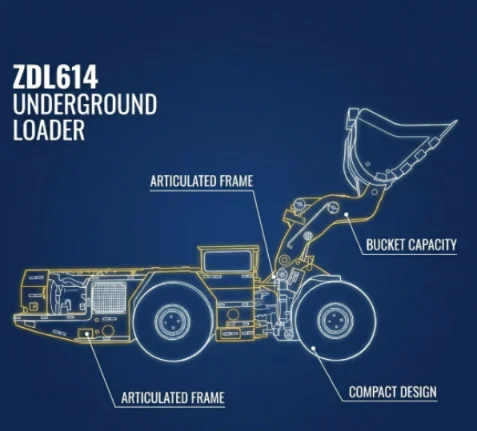
A good compact underground loader bends right in the middle. This articulated joint lets it turn super sharp corners. You really need a bending angle around 40 degrees or more for tight rock veins. Without a sharp angle, the machine simply cannot maneuver in tight spaces. The driver will have to do a three point turn just to get into the stope. That wastes fuel and kills time.
Navigating Sharp Crosscuts and V-Drives
Think about driving into a steep ore pass or a V-drive intersection. A tight mining turning radius means the inner and outer wheels clear the jagged rock walls easily. You want the back end of the machine to follow the exact same path as the front end. This keeps the rear bumper from smashing into the tunnel support bolts. You get in, scoop the heavy ore, and get out fast.
How Do You Balance Payload With a Compact Footprint?
Many mine managers panic a bit here. They worry that buying a smaller machine automatically means moving way less dirt per shift. It feels like you have to sacrifice digging power just to fit into the dark tunnel. But modern mechanical engineering actually solves this tricky trade-off if you know what specs to check.
Maximizing Tons Per Hour in Low Headroom
A true narrow vein mining loader still needs to be incredibly tough. Good bucket geometry lets you scoop a full, heaping load without needing extra machine length. The bucket lip bites into the rock pile cleanly. This smart design keeps your tons per hour really high even when the ceiling is low enough to touch.
Power to Weight Ratio
Small machines still need high breakout force. You need strong, thick hydraulic cylinders to dig into heavy, wet muck piles full of solid quartz. A good power to weight ratio means the machine easily climbs steep ramps while fully loaded without overheating the transmission oil. Size does not have to mean weakness.
Why Is the ZDL614 the Ultimate Narrow Vein Mining Loader?
Finding a machine that actually delivers on all these promises takes serious research. You want an equipment builder who knows the dirty, wet reality of hard rock mining. This is where getting the right advice makes a massive difference.
Finding a reliable equipment partner totally shifts your mining operation. You need experts who really care about your cost per ton. Meet Chic. Chic is a senior mining equipment strategist at ZONGDA. For years, Chic has guided mine managers through messy equipment choices to find safe, high-yield solutions. Chic does not just push random sales brochures across a desk. Instead, Chic looks at your actual tunnel blueprints and ventilation limits. Working with a pro like Chic gives you a smart partner who spots clearance issues early. ZONGDA designs machines specifically for extreme narrow vein environments. They build loaders with incredibly tight dimensions and superior turning abilities. This kind of personal help lets you avoid buying machines that get stuck underground. You can easily check out the specs for the ZDL614 underground loader to see how it fits tight spaces perfectly. It handles heavy payloads without the bulky footprint. If your mine requires a broader fleet, their full range of trackless mining equipment covers everything you need to keep the rock moving efficiently.
FAQ
Q1: What is considered a narrow vein in mining?
A: A narrow vein is usually a mineral deposit that is less than three meters wide. Mining these requires very specialized, thin equipment to avoid taking out too much waste rock.
Q2: How does a tight turning radius save money?
A: It stops the operator from hitting the walls. Less hitting means fewer broken parts, fewer ruined tires, and much faster loading cycles during a twelve hour shift.
Q3: Can a compact loader handle hard rock?
A: Yes, absolutely. High quality compact machines feature reinforced steel frames and high breakout force hydraulics built specifically to tear into solid rock piles.
Q4: Why not just use a regular construction wheel loader underground?
A: Regular construction loaders sit too high and their center of gravity is completely wrong for tunnels. They will easily tip over on uneven rock floors and their exhaust is not safe for closed spaces.
Q5: What daily maintenance does a compact loader need?
A: You have to grease the articulation joints every single day, check the tire pressure, and blow the rock dust out of the engine air filters to keep it running cool.