Սև ծուխ արձակող հին, անկարգ մեքենաներից մինչև տոննաներով նյութ տեղափոխող և բազա վերադարձող խոշոր միավորներ՝ փոքր քանակությամբ վառելիք լցնելու համար, մինչդեռ օպերատորները անվտանգ կերպով աշխատում են կոշտ միջավայրերում: Բոլոր ստորգետնյա հանքերը կենտրոնացած են արտադրողականության բարձրացման վրա, սակայն իրենց նպատակներին հասնելու ընթացքում բախվում են շրջակա միջավայրի վրա արտանետումների աճի և թունելի չափերի սահմանափակման հետ: Ստորգետնյա հանքարդյունաբերության բեռնատարներ անընդհատ թարմացվում են՝ այս մարտահրավերները հաղթահարելու համար։
Առաջատար տեխնոլոգիաների պատմական ակնարկ և համապատասխան ներկայիս նորարարությունների գնահատում: Անկախ նրանից, թե դուք շահագործում եք միջին չափի մետաղական հանք, թե սկսում եք զրոյից և նախագծում նոր զարգացում, այս հոդվածը ձեզ կտա պատկերացում այն մասին, թե որտեղ են եղել գործերը և ինչին պետք է ուշադրություն դարձնել լավ, երկարակյաց սարքավորումներ ընտրելու համար:
Վաղ օրեր. երկաթուղուց մինչև ռետին
Այս դարի սկզբին ստորգետնյա հանքերում հանքաքարի տեղափոխումը հիմնականում իրականացվում էր երկաթուղով, օգտագործելով լոկոմոտիվներ՝ հանքաքարով վագոնները ամրացված երկաթյա ռելսերի վրայով քարշ տալու համար: Նման համակարգը քիչ ճկունություն էր ապահովում, քանի որ երբ առաջ էր շարժվում մակերևույթը կամ նոր հոսք էր ընթանում, անհրաժեշտ էր տեղադրել նոր ռելսերի երկար հատված:
1960-ական և 1970-ական թվականներին անռելսային սարքավորումների անցումը հեղափոխություն մտցրեց շատ հանքերում: Ռետինե անվադողերով անռելսային ինքնաթափի, դիզելային շարժիչի, ձեռքի փոխանցման տուփերի և բաց խցիկների ներդրումը հնարավորություն տվեցին պարզ, բայց արդյունավետ միջոց մեծ քանակությամբ նյութեր տեղափոխելու հանքի ներսում՝ անհրաժեշտության դեպքում: Չնայած վաղ մոդելները մեծ քանակությամբ փոշի և գոլորշիներ էին առաջացնում, որոնք պետք է լուծվեին օդափոխության համակարգի միջոցով, դրանք կենսունակ այլընտրանք էին ավանդական ռելսային սարքավորումներին:
1980-ական և 1990-ական թվականներին բեռնատարները հագեցած էին հիդրավլիկ ղեկային համակարգով, ինչպես նաև պարզ բեռնափոխադրման համակարգերով: Շվեդիայի և Կանադայի հանքերն առաջինն էին, որ օգտագործեցին այս համակարգերը իրենց խորը և նեղ ստորգետնյա աշխատանքներում: Շատ տարիներ առաջ տեղի ունեցած այս զարգացումները դեռևս ազդեցություն ունեն այսօր:
Ժամանակակից բեռնատարները ձևավորած դիզայնի հիմնական առաջընթացները
Մի քանի մեծ ցատկեր են սահմանում ներկայիս ստորգետնյա հանքարդյունաբերական բեռնատարները.
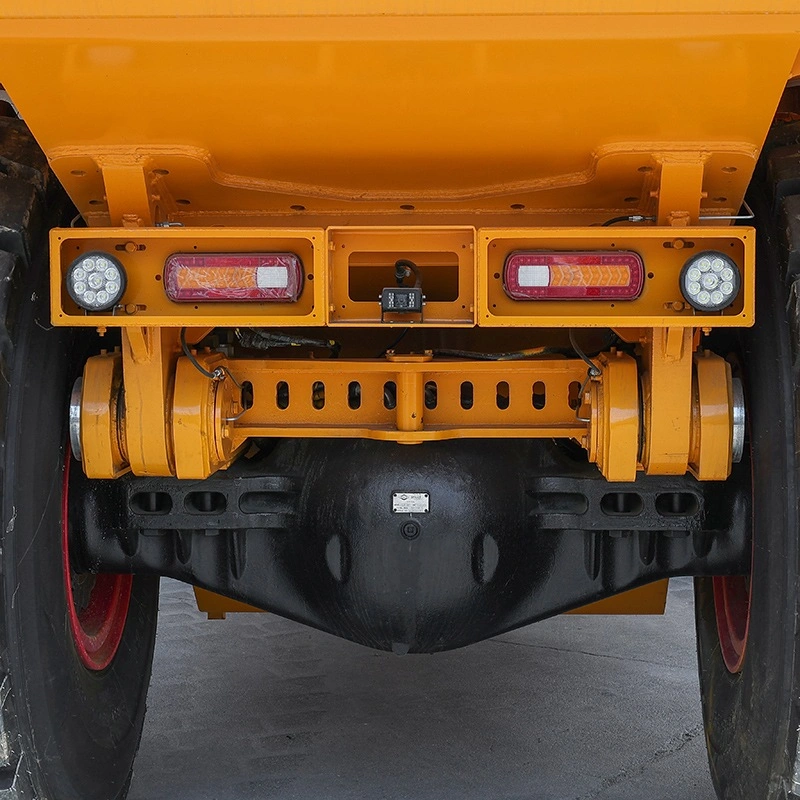
- Արտիկուլյացիա և ղեկ. Կենտրոնական ծխնիների կետերը թույլ են տալիս բեռնատարներին թեքվել մեջտեղում: Սա զգալիորեն կրճատում է շրջադարձի շառավիղը: Լավ բեռնատարը կարող է անցնել 4մ x 4մ թունելներով՝ առանց պատերը քերծելու: Հետագա մոդելներում ավելացվել են տատանվող հետևի առանցքներ, որպեսզի բոլոր անիվները մնան անհարթ հատակների վրա:
- Շարժիչի և արտանետումների առաջընթաց. Հին բեռնատարներն օգտագործում էին բնական ասպիրացիայով աշխատող դիզելային վառելիքներ: Ժամանակակից բեռնատարներն օգտագործում են ավելի մաքուր Tier 3 կամ Stage V շարժիչներ՝ հետմշակման համակարգերով: Որոշ հանքեր արդեն փորձարկում են վերականգնվող դիզելային խառնուրդներ, որոնք առանց էական փոփոխությունների արտանետում են մասնիկային նյութեր:
- Արգելակման և անվտանգության համակարգեր. Թաց բազմասկավառակային արգելակները փոխարինեցին հին թմբուկային համակարգերին: Զսպանակավոր, հիդրավլիկ արձակվող կայանման արգելակները դարձան ստանդարտ: Շատ բեռնատարներ այժմ ներառում են ավտոմատ դանդաղեցնող սարքեր, որոնք կարգավորում են արագությունը երկար անկումների ժամանակ՝ նվազեցնելով օպերատորի հոգնածությունը:
- Վարորդի միջավայր. փակ խցիկները՝ օդորակիչով և շրջվելուց պաշտպանությամբ, դժվարին աշխատանքից վարելը վերածեցին այն բանի, ինչը հմուտ վարորդներն իրականում ցանկանում էին: Ավելի լավ տեսանելիությունը, ջոյսթիքի կառավարումը և թրթռման մարումը նվազեցրել են վնասվածքների հավանականությունը:
Ստորգետնյա բեռնափոխադրումների ժամանակակից տեխնոլոգիական միտումները
Ավելի նոր բեռնատարները դեռևս հագեցած են ամուր մեխանիկական բաղադրիչներով, բայց նաև ունեն բազմաթիվ առաջադեմ էլեկտրոնիկա։
Ավելի մեծ բեռնատարների օգտակար բեռնատարությունը և արդյունավետությունը հանքերում։ Ավելի մեծ բեռնատարները շատ մեծ հանքերում կարող են տեղափոխել 10-ից 50 տոննա օգտակար բեռնատար։ Միջին և մեծ չափի հանքերի մեծ մասի համար օպտիմալ ցուցանիշը մեկ բեռնատարի համար 5-10 տոննա է։ Հանքի միջին հատվածի միջին չափի թունելներում նման բեռնատարները բավականաչափ արդյունավետ են։
Ավտոմատացում և մոնիթորինգ։ Այսօր շատ հանքեր իրենց բեռնատարները շահագործում են հեռակառավարվող կամ կիսաավտոմատ ռեժիմով։ Այս բեռնատարների վրա տեղադրված որոշ սենսորներ իրական ժամանակում վերահսկում են այնպիսի ցուցանիշներ, ինչպիսիք են շարժիչի աշխատանքային ժամերը, անվադողերի ճնշումը և բեռի քաշը։ Նման բեռնատարների նավատորմի կառավարիչը կարող է կանխատեսել խնդիրը և պլանավորել սպասարկումը նախքան դրա առաջացումը։
Թեև դիզելային վառելիքը դեռևս ամենատարածված էներգիայի աղբյուրն է շարժական եռակցման սարքերի համար, սակայն տեղի են ունենում որոշ հետաքրքիր զարգացումներ: Որոշ փորձնական նախագծեր օգտագործում են մարտկոցային էլեկտրական, ինչպես նաև սայլակով օժանդակվող շարժական եռակցման սարքեր: Չնայած մարտկոցային էլեկտրական շարժական եռակցման սարքերը շատ անձայն են և, հետևաբար, չեն պահանջի այնքան օդափոխություն, որքան դիզելային սարքերը, մարտկոցների փոխարինումը կամ արագ լիցքավորումը հաճախ հասանելի չեն լինի աշխատանքային վայրերի մեծ մասում:
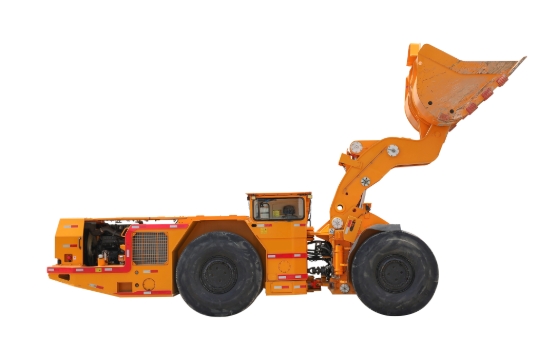
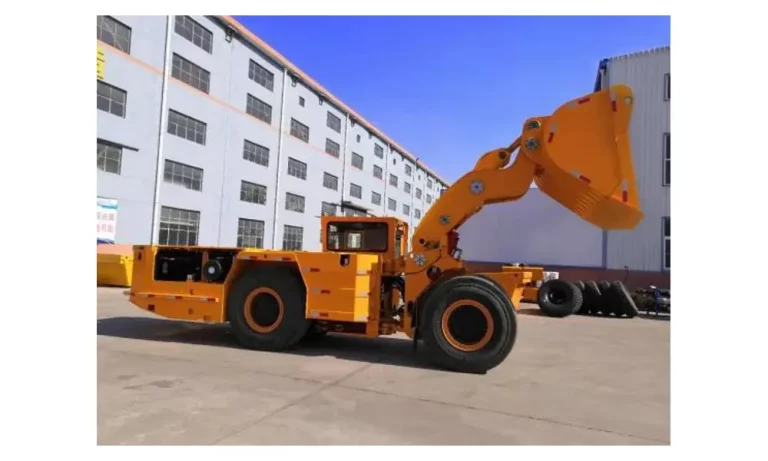
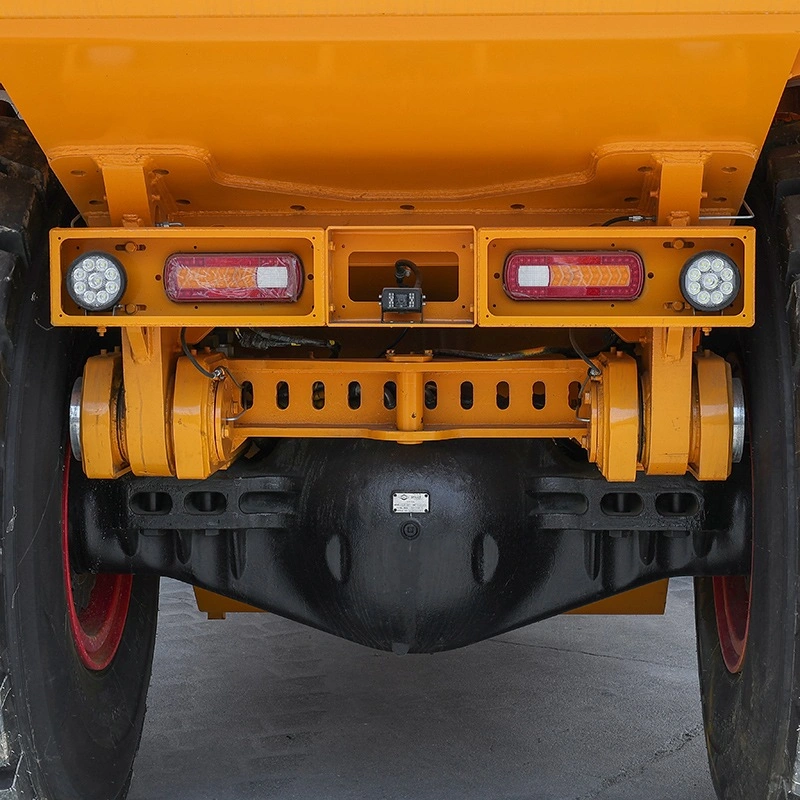
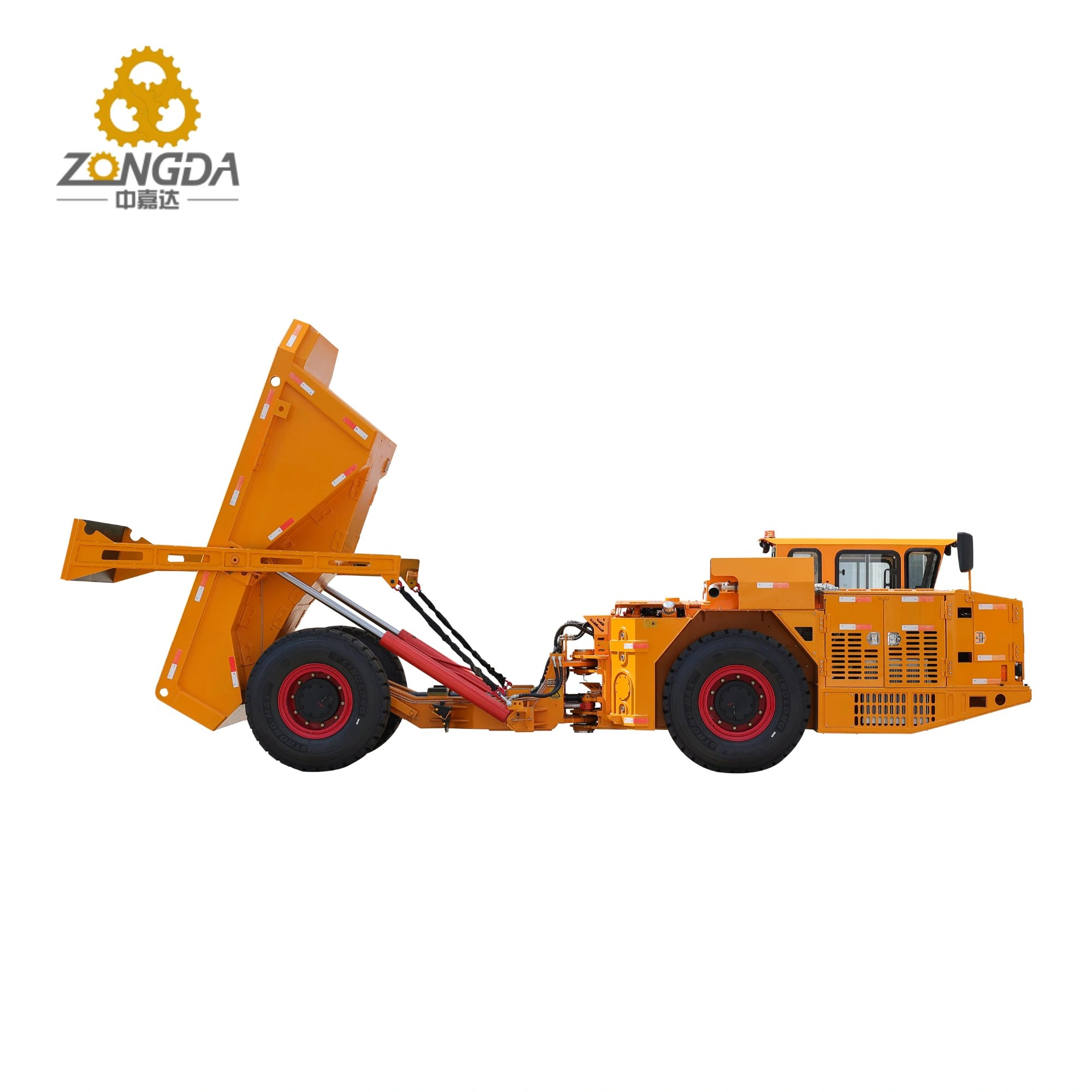
Բեռնատարներ, որոնք հանդիպում են ժամանակակից ստորգետնյա հանքերում, ինչպիսիք են ZDT105-ը Դասը բնորոշ է ներկայիս արդյունաբերական պրակտիկային: 5 տոննա նախագծային բեռնատարողությամբ և 3 մ³ ծավալով դույլով ZDT105-ը կարող է հաղթահարել այնպիսի նյութեր, ինչպիսիք են հանքաքարը և թափոնային ապարները մինչև 3 մ բարձրությամբ և 3.5 մ լայնությամբ թունելներում: Բեռնատարը հագեցած է ապացուցված Cummins շարժիչով, հաստատված փոխանցման տուփով և ամուր Dana առանցքների հավաքածուով: Կենտրոնական հոդակապը, հիդրավլիկ ղեկը և թաց արգելակման համակարգը ապահովում են անհրաժեշտ շարժունակությունը թունելներում՝ միաժամանակ ապահովելով կայունություն մինչև 25% թեքության զառիթափ բլուրների վրա:
Ինչպես են հանքերը օգտվում այս առաջընթացներից
Հարավային Ամերիկայի ստորգետնյա ոսկու հանք։ Հանքավայրը շահագործում է միջինից մինչև մեծ չափի միավորներից բաղկացած նավատորմ։ Հին 3 տոննա տարողությամբ միավորները փոխարինվել են նոր 5 տոննա տարողությամբ միավորներով։ Վերանորոգման արդյունքում օրական արտադրությունն աճել է 35%-ով, իսկ վառելիքի սպառումը մեկ տոննայի համար նվազել է։ Օպերատորները ավելի քիչ են հոգնում հերթափոխի վերջում՝ նստատեղերի և կառավարման ավելի լավ դիզայնի շնորհիվ։ Սպասարկման անձնակազմը գնահատում է փորձարկման կետերը, որոնք կենտրոնացվել են ամենօրյա ստուգումները արագացնելու համար։
Կանադական շատ նիկելի հանքերում նույն տեսակի սարքերն օգտագործվում են ստորգետնյա՝ մեծ քանակությամբ հանքաքար տեղափոխելու համար նեղ հատվածներում, որտեղ սովորական մակերեսային տեղափոխման սարքերը չափազանց մեծ են աշխատելու համար: Այս սարքերը կարող են շատ փոքր շրջադարձային շառավիղներ ստեղծել և ապահովել գերազանց քարշակում՝ շարունակական հանքագործի և բեռնիչների հետևում աշխատանքը շարունակելու համար:
QINGDAO ZONGDA MACHINERY CO., LTD- ը գործնական գիտելիքներ է բերում ստորգետնյա սարքավորումների վերաբերյալ: Հիմնադրվելով մոտ տասը տարի առաջ հետախուզման և հանքարդյունաբերության ոլորտում իրականում աշխատող մարդկանց կողմից՝ ընկերությունը զարգացավ ավելի լավ անուղղորդ մեքենաների համաշխարհային պահանջարկին զուգընթաց: Նրանք կենտրոնանում են փոշուն, ջրին և ծանր օգտագործմանը դիմակայող բեռնատարների, բեռնատարների և կոմունալ տրանսպորտային միջոցների վրա:
Նրանց ինժեներները մեծ ուշադրություն են դարձնում օպերատորների և սպասարկման թիմերի ասածներին։ Արդյունքը երևում է մանրամասներում, ինչպիսիք են ամուր շրջանակները, մատչելի սպասարկման կետեր, և երկար հերթափոխերի համար նախատեսված խցիկներ: ZONGDA բեռնատարները, ներառյալ ZDT105-ի նման մոդելները, շեշտը դնում են միջին և մեծ ստորգետնյա մետաղական և ոչ մետաղական հանքերում հուսալիության վրա: Ցինդաոյում ուժեղ արտադրությամբ և միջազգային աճող ներկայությամբ, դրանք օգնում են գործողություններին արդյունավետորեն տեղափոխել նյութերը՝ միաժամանակ առաջնահերթություն տալով անվտանգությանը և դիմացկունությանը: Շատ հաճախորդներ վերադառնում են, քանի որ սարքավորումները պարզապես շարունակում են աշխատել հերթափոխից հերթափոխ:
Դեռևս լուծման կարիք ունեցող մարտահրավերներ
Ոչինչ կատարյալ չէ։ Բեռնատարների հզորության աճը ստեղծում է ավելի մեծ ծանրաբեռնվածություն անվադողերի և արգելակների վրա թեքահարթակների վրա, փոշին և ջուրը մտնում են բաղադրիչների մեջ՝ կրճատելով դրանց կյանքը թաց հանքերում, և նույնիսկ ավտոմատացումը կատարյալ չէ, քանի որ շատ գործողություններում բացակայում է համապատասխան թվային աջակցությունը, ինչպես նաև որակավորված տեխնիկական անձնակազմը։
Հանքերի համար սեփականության արժեքը նույնպես դժվար է ճիշտ որոշել: Բարձրակարգ բեռնատարը, որը սկզբում ավելի թանկ է, կարող է երկարաժամկետ հեռանկարում խնայել գումար՝ իր հուսալիության և վերավաճառքի արժեքի շնորհիվ, նույնիսկ 10,000+ ժամ շահագործումից հետո:
Եզրակացություն
Ստորգետնյա հանքարդյունաբերական բեռնատարները պարզ փոխադրման սարքավորումներից զարգացել են մինչև հզոր և արդյունավետ մեքենաներ, որոնք համատեղում են անվտանգությունն ու արտադրողականությունը: Անցյալի ռետինե անվադողերով ստորգետնյա բեռնատարները համեմատվում են ժամանակակից բեռնատարների հետ, որոնք նախագծված են ավելի մաքուր և արդյունավետ լինելու համար: Ստորգետնյա բեռնատարներում նորարարությունների ներդրումը կարող է օգնել հանքերին հասնել իրենց նպատակներին՝ նվազեցնել ծախսերը և նվազագույնի հասցնել շրջակա միջավայրի վրա ազդեցությունը:
Ապագա բեռնատար մեքենաները կներառեն ապացուցված մեխանիկական բաղադրիչներ՝ զուգորդված առաջատար տեխնոլոգիաների հետ։ Այլ սարքավորումների, ինչպիսիք են բեռնիչները, ինչպես նաև բեռնատարի և հանքի պլանավորման համակարգերի միջև փոխազդեցությունը կդառնա ավելի արդյունավետ հաջորդ տասնամյակում։
Հաճախակի հարցեր
Ի՞նչն է ժամանակակից ստորգետնյա հանքարդյունաբերական բեռնատարը տարբերվում հին մոդելներից։
Այսօրվա բեռնատարները առաջարկում են ավելի լավ շարժունակություն՝ կտրուկ շրջադարձերի համար, ավելի մաքուր շարժիչներ, փակ խցիկներ և առաջադեմ արգելակման համակարգեր: Այս փոփոխությունները բարելավում են անվտանգությունը, արտադրողականությունը և օպերատորի հարմարավետությունը՝ համեմատած 20-րդ դարի հիմնական նախագծերի հետ:
Ինչպե՞ս ընտրել նախագծի համար ճիշտ չափի ստորգետնյա հանքարդյունաբերական բեռնատար։
Համապատասխանեցրեք բեռնատարի տարողունակությունը թունելի չափսերին, տեղափոխման հեռավորություններին և բեռնիչի հզորությանը: ZDT105-ի նման 5 տոննա մոդելը լավ է աշխատում միջին հատվածքի թունելներում, որտեղ ավելի մեծ բեռնատարներ չեն տեղավորվի, բայց անհրաժեշտ է 2-3 տոննա տարողունակությունից ավելի մեծ տարողունակություն:
Ի՞նչ սպասարկման խորհուրդներ են օգնում ստորգետնյա հանքարդյունաբերական բեռնատարներին ավելի երկար ծառայել ստորգետնյա պայմաններում։
Պարբերաբար ստուգեք հիդրավլիկ հեղուկը, անվադողերի վիճակը և արգելակային համակարգերը: Մաքրեք փոշին ռադիատորներից և օգտագործեք համապատասխան ֆիլտրեր՝ կոշտ միջավայրի համար: Արտադրողի կողմից սահմանված ժամանակացույցին հետևելը կանխում է լուրջ խնդիրների մեծ մասը:
Կարո՞ղ են ստորգետնյա հանքարդյունաբերական բեռնատարները աշխատել էլեկտրական կամ հիբրիդային էներգետիկ համակարգերի հետ։
Այո, ժամանակակից շասսիների մեծ մասը կարող է հարմարեցվել այս այլընտրանքային էներգիայի աղբյուրներին: Ներկայումս ստորգետնյա բեռնատարների մեծ մասն աշխատում է դիզելային վառելիքով, բայց շատ հանքեր փորձարկումներ են անցկացնում մարտկոցային էներգիայով, ինչպես նաև սայլակային անիվային համակարգերով: Նրանք հետաքրքրված են դրանցով, քանի որ եթե կարողանան ստեղծել ենթակառուցվածքներ, դրանք կխնայեն արտանետումները, ինչպես նաև օդափոխության ծախսերը:
Ի՞նչ անվտանգության հատկանիշներ պետք է փնտրեմ նոր ստորգետնյա հանքարդյունաբերական բեռնատարում։
Առաջնահերթություն տվեք թաց սկավառակային արգելակներին, ROPS/FOPS խցիկի պաշտպանությանը, հրդեհաշիջման տարբերակներին և լավ լուսավորությանը: Լավ տեսանելիությունը և կարևոր համակարգերի օպերատորի զգուշացումները ամենօրյա աշխատանքն ավելի անվտանգ են դարձնում թույլ լուսավորության պայմաններում: