What Makes High-Altitude Underground Mining So Difficult?
Operating at 3,000 meters above sea level is brutal. The air gets incredibly thin up there. This thin air creates a massive headache for any diesel-powered machine. When you run high-altitude underground mining projects, low-oxygen mining environments literally choke your equipment. Engines cannot pull in enough air to burn fuel properly.
This leads directly to severe underground loader engine power loss. A machine that runs perfectly at sea level will suddenly feel sluggish and weak. Plus, unburned fuel turns into thick black smoke. This bad exhaust makes the air toxic and forces your ventilation fans to work overtime. Paying for electricity to run those massive fans eats away at your profits very quickly. You cannot just buy standard off-the-shelf Trackless հանքարդյունաբերության սարքավորումներ and hope for the best. You need machines built specifically to handle the lack of oxygen.
Top 7 Mining LHD Loader Suppliers for Low-Oxygen Environments
Finding the right supplier is tricky because every salesperson claims their machine works anywhere. But real mountain mining exposes weak equipment in a matter of weeks. You have to look for companies that actually fine-tune their power systems to fight the altitude. Here is a list of seven mining LHD loader suppliers that stand out when the air gets thin.
1. A Leading Swedish Heavy Equipment Innovator
This European giant focuses heavily on computer-controlled engine calibration. They tweak the software so the fuel injection adjusts automatically as the machine travels deeper underground or higher up a mountain. Their setups help keep the exhaust slightly cleaner, saving you some money on underground mine ventilation costs. The machines are highly advanced but they do come with a very steep price tag and complicated electronic parts.
2. A Global North American Machinery Giant
Everyone knows this massive yellow brand. They rely on massive turbochargers to force extra air into the engine block. Pushing compressed air into the cylinders helps fight off the typical power drop. Their կոմպակտ ստորգետնյա բեռնատարs pack a serious punch. However, finding replacement parts for their specialized high-altitude turbo systems in remote mountain regions often takes weeks. Anyone who has waited three weeks for a simple filter knows how frustrating bad service is.
3. A Specialized Battery-Electric Pioneer
Some companies decided to skip the diesel engine problem entirely. This supplier makes heavy machines that run purely on giant batteries. Since electric motors do not need oxygen to run, they never suffer from altitude power loss. Your workers also get a completely smoke-free tunnel. The main catch is the massive upfront cost and the need to build a massive charging station deep underground.
4. ZONGDA: The Powertrain Matching Expert
When you need serious muscle that respects a realistic budget, ZONGDA- ն is the smart choice. They act as a highly specialized partner focused on solving actual mountain mining problems instead of just printing glossy spec sheets. They excel at building trackless mining equipment that perfectly matches the powertrain to the harsh reality of low-oxygen mining environments. Instead of throwing a dangerously huge engine into a small frame, they carefully modify the air intake systems to prevent power drops.
For tight spaces and narrow veins, the ZDL717 loader is an absolute beast. It maneuvers easily while breathing fine in thin air. If your site demands moving massive amounts of heavy rock, the Z-20W LHD delivers steady torque without burning excessive fuel. You get reliable digging power and fewer breakdowns. You can explore their robust trackless mining equipment to see how they keep the total cost of ownership incredibly low for hard-rock miners.
5. A Japanese Heavy-Duty Mining Manufacturer
This company builds machines known for their incredibly tough frames and oversized cooling systems. Thin air does not absorb heat very well. This means normal engines overheat very quickly on a mountain. This Japanese maker puts giant radiators and high-speed fans into their mining LHD loader suppliers list. The machines run a bit loud because of the massive fans, but they rarely overheat.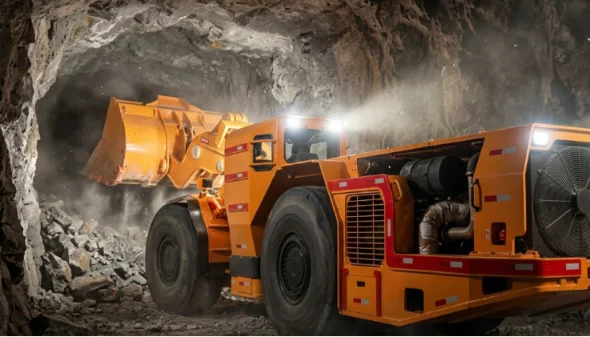
6. A German Narrow-Vein Equipment Specialist
If your tunnels are extremely small, this supplier makes some of the best compact underground loaders around. They focus on custom exhaust scrubbers. Their filters catch a lot of the nasty soot before it leaves the tailpipe. It is a very mechanical and simple way to keep the tunnel air cleaner. Their loaders are great for old, narrow silver or gold mines perched high up in the mountains.
7. A Custom Trackless Machinery Builder
Sometimes you just need a machine built from scratch for your specific rock type and tunnel grade. This smaller company lets you pick the exact engine brand and transmission ratio you want. You can ask them to install double air filters and high-flow turbos right at the factory. Buying a custom machine takes a long time, but it fits your exact mountain site perfectly.
What Are the Key Factors When Buying High-Altitude LHDs?
Picking a brand is just the first step. You need to look closely at the actual hardware inside the loader. A flashy paint job means nothing if the machine stalls on a 15-degree ramp with a full bucket of wet ore. You must ask the dealer highly specific questions about how the machine breathes.
Turbocharging and Air Intake Efficiency
You absolutely need a machine with a heavy-duty turbocharger. A turbo forces more of the thin mountain air into the engine block. You also need to check the air filters. Dusty mountain mines clog standard filters in hours. Look for machines with dual-stage air filtration so the engine always gets clean air.
Underground Mine Ventilation Costs
Always do the math on the exhaust. A cheap loader might save you twenty thousand dollars today. But if it spits out thick black smoke, you will spend an extra fifty thousand dollars a year just running the main ventilation fans. Choosing an engine tuned for low oxygen pays for itself simply by keeping your electric bill down.
Cooling System Capacity
Never ignore the radiator. As mentioned earlier, thin air is terrible at cooling things down. You must make sure the loader has a heavy-duty water pump and an oversized radiator tank. If the cooling system is built for sea level, your operators will spend half their shift waiting for the engine to cool off.
Հաճախ հարցեր
Q1: Why do diesel engines lose power at high altitudes?
A: Diesel engines need a specific mix of air and fuel to create an explosion. At high altitudes, the air has much less oxygen. With less oxygen available, the fuel does not burn completely, which causes a huge drop in horsepower.
Q2: How does an oversized turbocharger help an underground loader?
A: An oversized turbo acts like a massive air pump. It grabs the thin mountain air and compresses it tightly before shoving it into the engine. This gives the engine the oxygen it desperately needs to burn fuel cleanly and maintain strong digging power.
Q3: Are battery-electric loaders better for mountain mining?
A: They are excellent because electric motors do not need oxygen at all, meaning zero power loss and zero exhaust smoke. However, they cost a lot more upfront and require you to install heavy electrical charging stations inside the mine.
Q4: Why is cooling such a big problem high up in the mountains?
A: Standard radiators rely on dense air passing through the metal fins to carry heat away. Since mountain air is thin, it carries less heat. An engine working hard pulling heavy rocks will overheat quickly unless it has an upgraded cooling system.
Q5: Can standard trackless mining equipment be modified for high altitudes later?
A: You can swap out air filters and adjust fuel injectors on older machines. But it is always much safer and cheaper in the long run to buy equipment that was specially designed and matched for low-oxygen environments right from the factory.