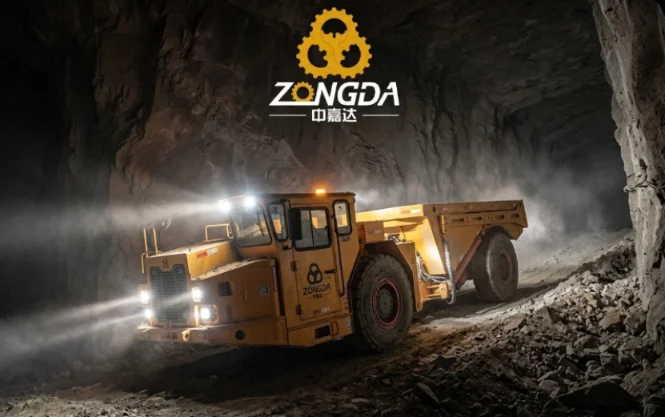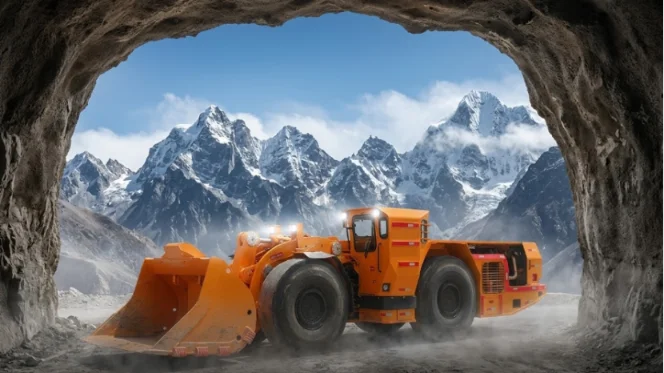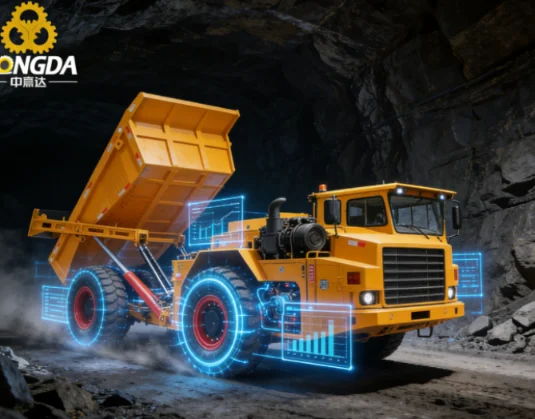
Deep underground, the rules of machine work change completely. You deal with crazy heat and wet air that eats away at bare metal. Narrow rock tunnels turn simple tire changes into total nightmares. As you dig deeper to find fresh rock, keeping big machines running is not just a side job. It drives your whole profit margin. The big shift for underground mining trends 2026 is stopping failures before they ever happen. You no longer wait for things to break. Using predictive maintenance in mining is quietly becoming the normal way to work. Every site needs it to stay in the game and make money. You rely heavily on underground mining trucks to move the dirt. Their daily health decides your daily cash flow.
2026 Mining Normalcy: Why Is Unexpected Downtime Becoming Unacceptable?
Site managers feel a lot of stress from jumping metal prices and thin profit lines. You simply cannot afford a broken truck blocking a tunnel 800 meters down. Every single minute a loader sits doing nothing blocks the whole chain. A traffic jam down there costs real cash. You pay the drivers to sit in the dark. You pay the mill workers up top to wait for rocks that never arrive.
The Challenge of Deep Mining
The deeper you go, the harder the rock gets. The air gets much worse, too. Rubber hoses rot faster in the damp heat. Engine parts choke from bad air flow and thick dust. When site bosses talk about their biggest daily headaches, figuring out how to reduce unexpected downtime in underground mining always takes the top spot. A sudden gearbox failure in a tight space does not just kill one truck. It traps the loaders right behind it. It completely messes up the blasting times. Finally, the surface plant starves because no rocks arrive on the belt. You lose hours just trying to drag the dead machine out of the dirt path. Picture a mechanic trying to fix a heavy axle in the mud. The lighting is bad, space is tight, and it takes three times longer than doing it in a surface shop.
Calculating the Downtime Bill
Look closely at the numbers on your desk. The direct underground mining equipment maintenance cost hits your budget very hard. You have to rush expensive parts and tired mechanics down a dark shaft. But the hidden money drain hurts way more. Say a big truck blows a main hydraulic seal. It blocks the main ramp for six hours. You just lost thousands of tons of dirt movement. Old school repairs force you to keep huge piles of costly spare parts on shelves. You hold them just in case a machine breaks. Routine calendar checks are not much better. You throw away perfectly good belts and filters just because a printed manual tells you to do it. It is a massive waste of good money sitting in a dusty shed.
The Solution: How Does Predictive Maintenance Reshape Truck Lifecycles?
Running a big yellow truck until it smokes and stops is a dead idea. The new way actually gives your fleet a voice. The machinery tells you exactly when it needs a mechanic. It speaks up long before a vital piece of metal snaps in half. You fix it on your terms, when the sun is shining and the shop is empty.
Redefining Maintenance Standards
Setting up predictive maintenance for underground haul trucks totally changes your workshop floor. Your mechanics stop blindly following a 500-hour service book. Instead, they act on real numbers. This setup leans on condition-based monitoring to work well. Tiny sensors constantly watch the shakes and rattles of the drivetrain. They measure the heat of the wheel motors. They track the fluid pressure inside the rubber tubes. If a wheel bearing starts shaking at a weird speed, the computer flags it. It warns you weeks before the bearing actually breaks into pieces. You schedule the fix during a normal shift change. This completely avoids the panic of a breakdown right in the middle of a busy shift.
The Core Tech Engines Driving the 2026 Trend
You might think putting tiny, fragile sensors in a wet, violent rock shaft sounds crazy. A few years ago, it really was a bad idea. Computers used to melt in the mine. But now, the physical parts have caught up with the brutal nature of the job. They are tough enough to survive the daily abuse.
Industrial Sensors in Harsh Realities
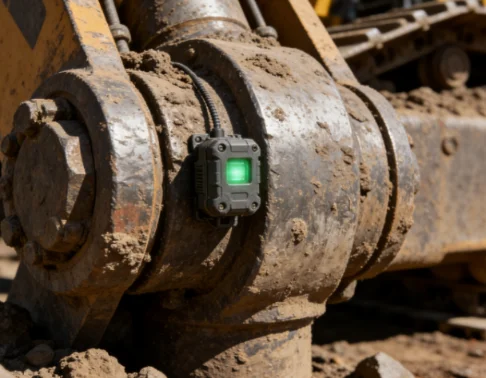
The true backbone of this big change is using Industrial IoT in deep mining. Modern sensors hide inside thick steel and hard plastic boxes. They easily survive rock hits and daily high-pressure water sprays. They watch the oil dirt levels live. They spot tiny metal flakes that show early gear damage. All this constant data flows into edge computing boxes bolted right onto the truck frame. A truck might lose Wi-Fi deep inside a new tunnel. That is totally fine. The onboard brain keeps thinking and reading the numbers. It holds the warnings until the truck drives back into network range near the main crusher.
Smart Machine Algorithms
Gathering a mountain of data means nothing if you do not catch the story it tells. Smart computer rules take the sensor numbers and guess the exact Remaining Useful Life of specific metal parts. If a heavy truck runs way too hot while climbing a steep dirt ramp, the computer figures out exactly how many hours the water pump will survive. Dealing with the ugly truth of deep tunnels means you need tough base machinery. Good software needs solid iron to sit on. This is exactly where ЗОНГДА comes into the picture. They are a dedicated builder making tough trackless mining equipment meant for crazy heat and wet air. Their trucks give you a deeply rugged metal frame. This thick frame matches perfectly with modern smart sensors. They build their gear so mechanics can easily reach the parts. This makes adding new wire systems much easier. Mixing heavy steel with smart numbers is the best way to boost trackless mining equipment reliability. You get a machine that works hard and thinks ahead.
Value Realization: What ROI Does Predictive Maintenance Bring?
Upgrading how you watch your fleet costs real money. So the cash return has to show up fast and look obvious to the boss. The great news here is that the payback time keeps getting shorter. The technology is getting cheaper as more mines buy it every single year.
Defending Production Capacity
The clearest money win shows up on your daily dirt-moving report. By guessing exactly when a part will grind down, you do real mining fleet availability optimization. You keep the heavy haulers rolling out rock all day long. You only pull them into the garage when the daily plan allows it. This naturally grows the Mean Time Between Failures across your whole site. Your garage team stops being firefighters running to random daily fires. They turn into calm planners. They only swap out the parts that truly need a swap. You also stop throwing cash at packed, dusty part warehouses. You only buy that super expensive axle kit when the computer warns you the old one will break next month.
The Implementation Roadmap for 2026
You cannot just push a button and get a smart fleet by tomorrow morning. It takes a slow, step-by-step push. You have to mount the physical parts and teach the computer rules about your specific rock types and tunnel grades.
Building the Data Foundation
Start very small. Pick your most important, traffic-jam-causing trucks first. Stick vibration and oil trackers on them. Let the computer watch the daily grind for a few months. Once the software learns what a good, healthy truck acts like on your steep roads, it starts catching the bad stuff. You will see patterns. You will notice if a certain driver rides the brakes too hard. As you put trackers on more vehicles, your main goal comes into clear view. You want to prevent catastrophic failure in mining equipment completely. A single destroyed engine ruins your monthly budget. Catching that bad engine early pays for the whole sensor package many times over. The math is very simple and always works in your favor.
Часто задаваемые вопросы
Q1: What is the biggest difference between preventive and predictive maintenance?
A: Preventive maintenance happens on a strict time schedule, often replacing healthy parts. Predictive maintenance uses live data to only replace parts right before they fail. It saves money and time.
Q2: Can these new sensors really survive the bad conditions of a deep mine?
A: Yes. Modern sensors are built for these exact wet spots. They have thick protective steel layers that block water, dust, and heavy hits from falling rocks.
Q3: Does this setup need a perfect Wi-Fi connection underground at all times?
A: Not anymore. Small truck computers process data and spot warnings locally. The truck just uploads the reports once it passes a network router near the exit.
Q4: How long does it usually take to see your money come back?
A: Most sites see a full cash return within 12 to 18 months. This comes from a huge drop in emergency repair costs and a big jump in daily rock hauling.
Q5: Will this computer tech replace my current human mechanics?
A: No, it actually makes their daily jobs safer and cleaner. Instead of doing dangerous rush repairs in the mud, your mechanics do planned part swaps in a bright, dry workshop.