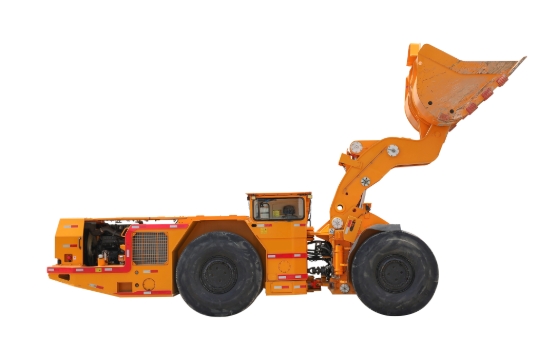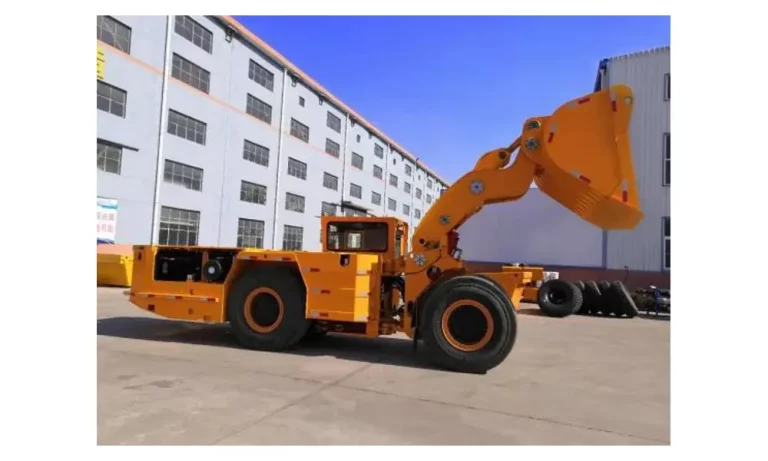
Uchimbaji madini chini ya ardhi unaendelea kusonga mbele kwa kasi thabiti. Makampuni huchota data moja kwa moja kutoka kwa mashine zao. Wanaitumia kuendesha kwa usalama zaidi na kupunguza taka. Magari ya madini ya chini ya ardhi ndio kiini cha mabadiliko haya. Malori haya hubeba madini na miamba taka kupitia handaki nyembamba siku baada ya siku. Nambari wanazotuma huwawezesha mameneja kurekebisha mipango papo hapo.
Jukumu Linalokua la Data katika Usafirishaji wa Chini ya Ardhi
Migodi hapo awali ilitegemea kile ambacho madereva walijua kwa miaka mingi kazini. Pia walitumia rekodi za karatasi. Sasa meli nyingi huvuta usomaji moja kwa moja kutoka kwa vitambuzi kwenye malori. Usomaji huu hufuatilia afya ya injini, hali ya breki, uzito wa mzigo, na muda ambao kila mzunguko huchukua.
Lengo linabaki wazi. Badilisha nambari hizo kuwa hatua zilizo wazi zinazopunguza gharama na kupunguza muda wa kufanya kazi. Lori moja linalochukua njia mbovu au kubeba mizigo isiyo sawa huchoma mafuta ya ziada na huchakaa vipuri mapema.
Ufuatiliaji wa Wakati Halisi na Matengenezo ya Utabiri
Utunzaji wa utabiri unaashiria moja ya mabadiliko makubwa zaidi. Wafanyakazi hawangojei tena kuharibika. Badala yake wanaangalia shinikizo la mafuta, mtetemo, na viwango vya joto.
Chukua lori ambalo gia yake inaonyesha ongezeko la ghafla la joto. Mfumo huzuia tatizo mapema. Timu za matengenezo zinaweza kuingilia kati kabla sehemu haijaharibika. Baadhi ya maeneo hupunguza vituo visivyopangwa kwa asilimia 20 hadi 30 mara tu wanapoongeza vifaa hivi. Mabadiliko hayo huhamisha tani zaidi kila zamu na hupunguza bili za ukarabati.
Kuboresha Nyakati za Mzigo na Mzunguko
Zana za data zinaonyesha haswa jinsi malori ya uchimbaji madini ya chini ya ardhi yanavyopitia zamu ya kawaida. Vihisi hurekodi ukubwa wa mzigo, kasi kwenye mteremko, na muda unaotumika katika sehemu za kupakia au kutupa taka.
Wasimamizi hugundua mifumo iliyo wazi. Njia moja inaweza kupunguza mwendo kila wakati kwa sababu uso wa barabara unahitaji kufanyiwa kazi. Au baadhi ya malori yanaweza kubeba mizigo myepesi kuliko mingine. Marekebisho madogo katika njia, tabia za upakiaji, au mipango ya huduma mara nyingi huongeza uzalishaji wote.
Maboresho ya Usalama Kupitia Data
Usalama unabaki kuwa wa kwanza kwenye kila orodha chini ya ardhi. Malori ya kisasa huangalia tabia za madereva, kasi, na umbali kutoka kwa mashine zingine. Baadhi ya mifumo hutuma arifa wakati lori linapotelea karibu na ukuta au kusonga haraka sana linaposhuka daraja.
Ukaguzi wa uchovu ni sehemu nyingine muhimu. Saa nyingi katika mwanga hafifu wa mwangaza wa kukimbia. Vihisi vya kabati na rekodi za uendeshaji husaidia wasimamizi kuona wakati dereva anahitaji kupumzika.
Ufanisi wa Mafuta na Faida za Mazingira
Malori ya dizeli bado hushughulikia kazi nyingi za chini ya ardhi. Vifaa vya data husaidia wafanyakazi kupata zaidi kutoka kwa kila tanki la mafuta. Wanasoma mzigo wa injini, vipindi vya kutofanya kazi, na mtindo wa kuendesha. Kisha huwafundisha madereva na kazi ya huduma ya muda ili kupunguza matumizi ya mafuta.
Baadhi ya migodi hurekodi gharama za mafuta za chini kwa asilimia 8 hadi 15 baada ya kuanza mifumo ya msingi ya meliAkiba inakua haraka malori yanapofanya kazi usiku na mchana.
Njia Muhimu za Kampuni za Uchimbaji Madini Kutumia Uchanganuzi wa Data
Operesheni huweka zana hizi kufanya kazi kwa njia kadhaa za moja kwa moja:
- Dashibodi za usimamizi wa meli — Mwonekano wa moja kwa moja wa nafasi za lori, hali, na matokeo
- Ufuatiliaji wa mzigo — Weka mizigo katika kiwango sahihi bila mzigo kupita kiasi
- Uboreshaji wa njia — Chagua njia za haraka na salama zaidi ndani ya mgodi
- Ratiba ya matengenezo — Badilisha kutoka tarehe zisizobadilika hadi huduma kulingana na hali halisi
- Maoni ya utendaji wa mwendeshaji — Wape madereva vidokezo wazi vya kuboresha bila lawama
Changamoto katika Ukusanyaji wa Data za Chini ya Ardhi
Kazi chini ya ardhi huleta matatizo yake yenyewe. Mawimbi hudhoofika ndani kabisa ya handaki. Vumbi na kutikisika hugusa vitambuzi vikali. Hata hivyo, timu hutatua matatizo haya kwa kutumia vifaa vikali na viungo imara zaidi vya wireless.
Migodi inayopata teknolojia imara zaidi ina wafanyakazi wanaojua jinsi ya kutenda kulingana na idadi wanayoiona.
Mustakabali wa Malori Mahiri ya Chini ya Ardhi
Zana za data zinaendelea kuimarika. Tovuti zaidi sasa zinaunganisha telematiki na maarifa ya AI na ukaguzi wa mbali. Migodi inayoongeza vipengele hivi mapema mara nyingi hupata matumizi bora ya mali zao na gharama za chini za uendeshaji.
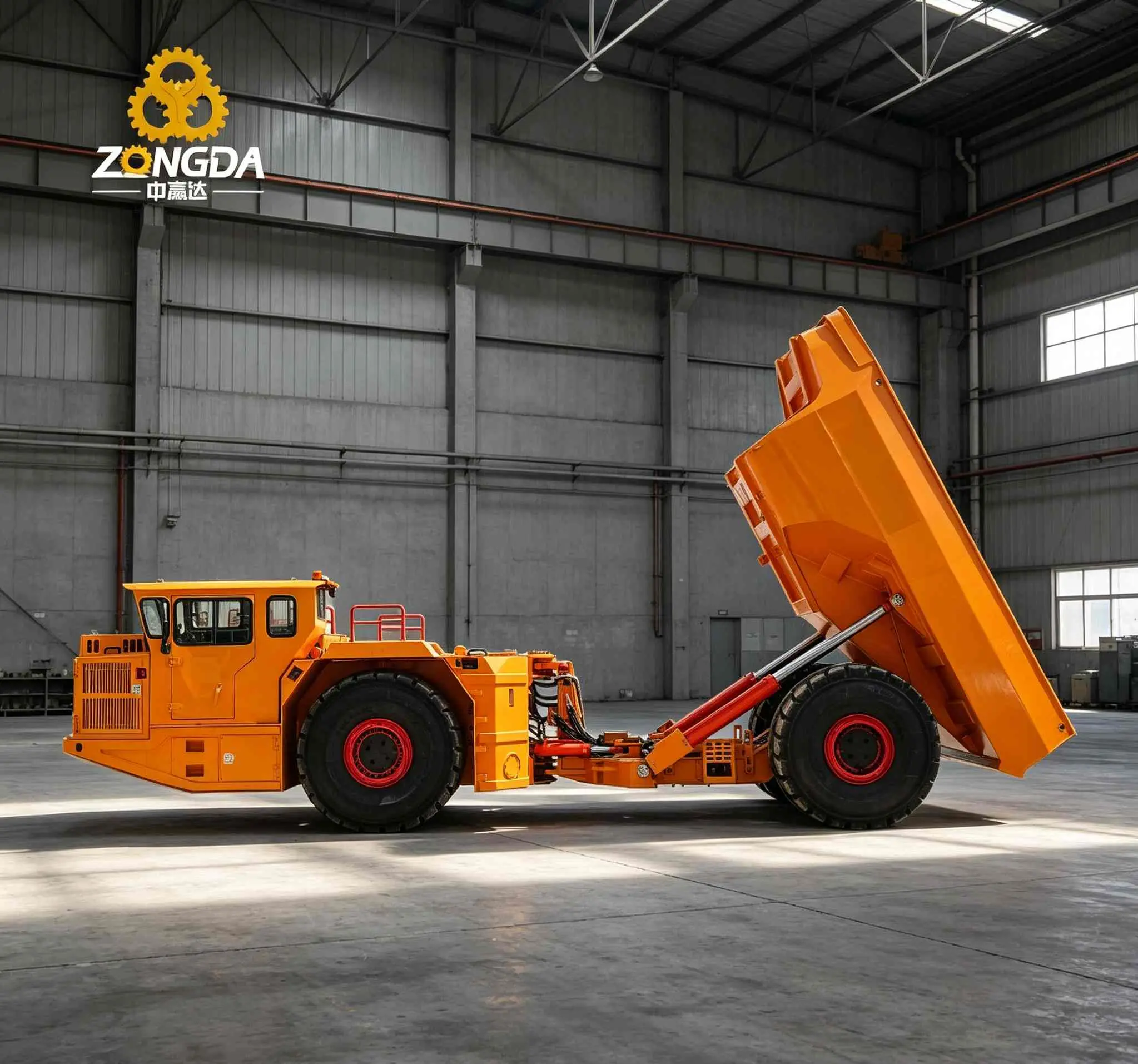
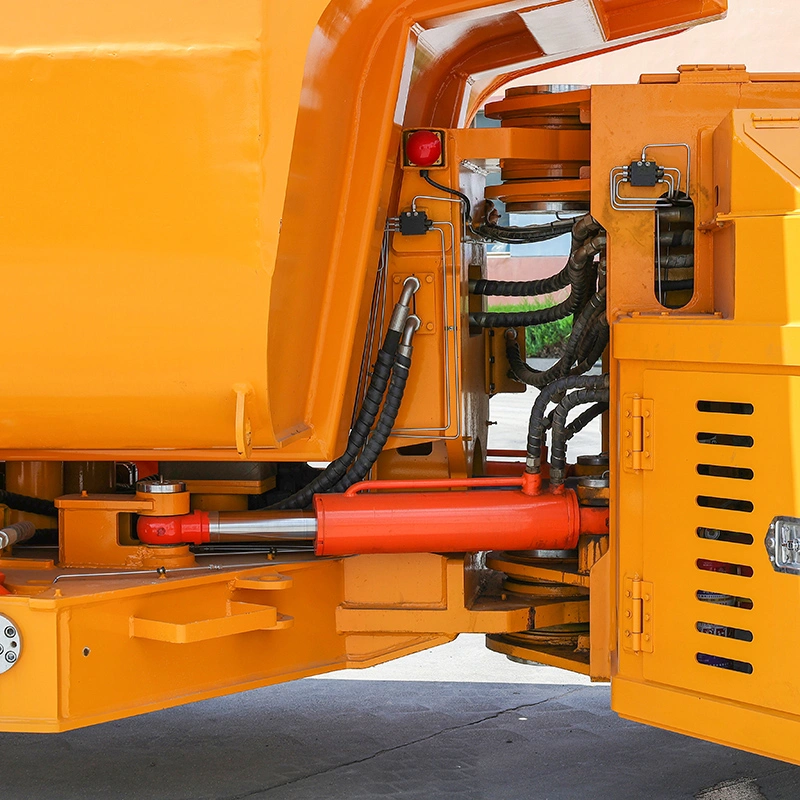
Qingdao Zongda Machinery Co., Ltd imepata umaarufu mkubwa katika kipindi cha miaka kumi iliyopita. Kampuni hiyo hujenga vifaa visivyotumia njia kwa ajili ya kazi halisi za chini ya ardhi. Hii inajumuisha malori kama vile ya ZDT105.
Timu hiyo hutumia uzoefu wa moja kwa moja wa migodi na wahandisi wenye ujuzi. Wanazingatia utendaji mzuri na mahitaji ya kila siku ambayo waendeshaji wanakabiliwa nayo. Malori yao yanafaa kwa kazi ya chini ya ardhi ya wastani hadi kubwa. ZDT105 hutoa mzigo wa tani 5 na fremu iliyounganishwa. Muundo huo huweka lori kwa wepesi katika miteremko mikali. Wateja wanathamini mchanganyiko wa nguvu, vitu vya usalama vilivyojengewa ndani, na usaidizi thabiti wa huduma ambao wa Zongda hutoa kazi za usafirishaji.
Hitimisho
Makampuni ya uchimbaji madini huongeza uchanganuzi wa data kwenye malori ya uchimbaji madini ya chini ya ardhi ili kuongeza usalama, kuongeza uzalishaji, na kupunguza gharama. Huduma ya utabiri, uelekezaji bora, akiba ya mafuta, na usaidizi wa dereva kutoka kwa idadi inayotolewa na malori haya. Kadri vifaa vinavyozidi kuwa vigumu kwa hali ngumu, chaguo zinazoongozwa na data zitabadilika kutoka kwa wazo jipya hadi kwa utaratibu wa kawaida. Makampuni yanayounganisha mashine zinazoaminika na matumizi bora ya data huona matokeo bora baada ya muda.
Maswali ya kawaida
Uchanganuzi wa data unaboresha vipi usalama kwa malori ya uchimbaji madini ya chini ya ardhi?
Hufuatilia kasi, umbali kutoka kuta, na vitendo vya dereva moja kwa moja. Hii hupunguza hatari ya ajali na kuharakisha majibu ya matatizo.
Malori ya uchimbaji madini ya chini ya ardhi kwa kawaida hukusanya data ya aina gani?
Wanarekodi uzito wa mzigo, muda wa mzunguko, usomaji wa injini, matumizi ya mafuta, mtetemo, na arifa za huduma. Wasimamizi hutumia hii kuongoza chaguo za kila siku.
Je, migodi midogo inaweza kufaidika kutokana na uchanganuzi wa data kwenye malori ya uchimbaji madini ya chini ya ardhi?
Ndiyo. Hata mifumo rahisi ya ufuatiliaji inaweza kuonyesha mapengo ya uelekezaji au huduma ambayo husababisha akiba halisi na matokeo ya juu.
Malori ya uchimbaji madini ya chini ya ardhi yanachangiaje katika matengenezo ya utabiri?
Vihisi hugundua dalili za mapema kama vile joto linaloongezeka au mtetemo usio wa kawaida. Wafanyakazi hurekebisha tatizo kabla halijasimamisha lori.
Makampuni ya uchimbaji madini yanapaswa kuangalia nini wakati wa kuchagua malori ya uchimbaji madini ya chini ya ardhi kwa ajili ya kuunganisha data?
Chagua malori yenye uwezo imara wa kufaa, muundo imara, na usaidizi wa mtengenezaji. Mifumo kama ZDT105 ya Zongda hutoa muundo wa vitendo pamoja na nguvu inayohitajika kwa mtiririko thabiti wa data katika mazingira magumu.