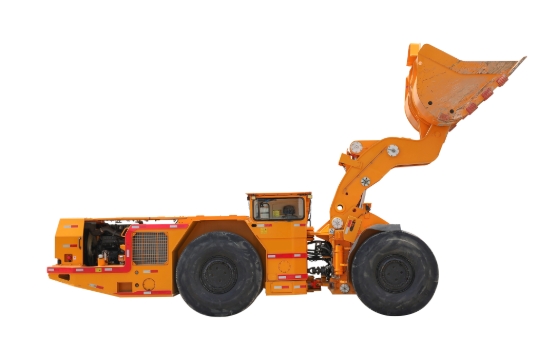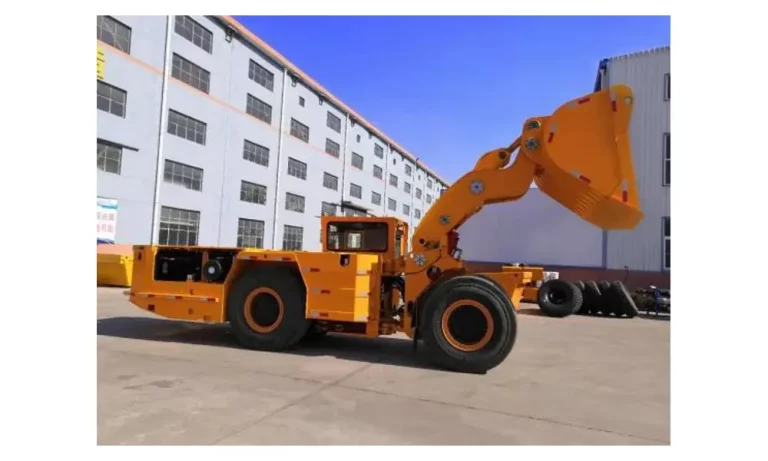
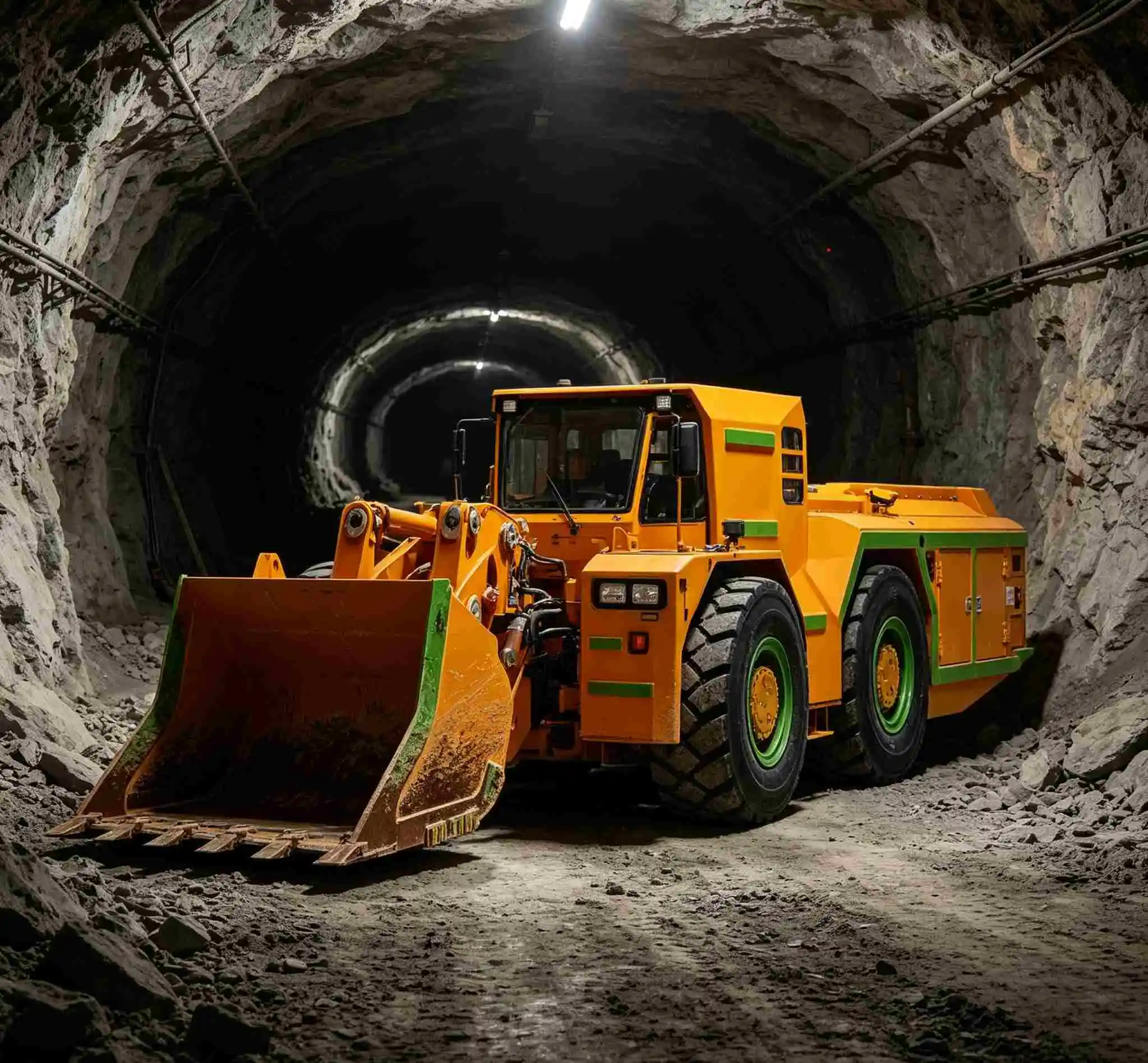
Changamoto zinazokabili tasnia ya madini kuhusiana na kupunguza uzalishaji wa gesi chafu na kufuata kanuni ambazo zimekuwa kali zaidi hivi karibuni, na changamoto zinazohusiana za kupunguza gharama ya kutofanya kazi na matumizi ya kupita kiasi, zinazidishwa katika migodi ya chini ya ardhi ambapo kuna uingizaji hewa mdogo na msisitizo mkubwa juu ya usalama. Hata hivyo, chaguzi nyingi za umeme - ikiwa ni pamoja na dizeli mbadala, hidrojeni, betri na seli za mafuta - zinaweza kupitishwa kwa kutumia vifaa vya uchimbaji madini vya chini ya ardhi vilivyojaribiwa na kupimwa zaidi, Underground Mining Loader.
Chini ya uongozi wa 2026: Usambazaji Halisi, Makubaliano na Teknolojia Maalum za Uchimbaji.
Kusukuma Nguvu Safi katika Uchimbaji wa Madini Chini ya Ardhi
Migodi hufanya kazi katika maeneo magumu. Chini ya ardhi, ubora wa hewa ni muhimu zaidi kuliko mahali pengine popote. Vipakiaji vya dizeli vya kitamaduni vimeendesha tasnia kwa miongo kadhaa. Vinatoa torque kali na hufanya kazi kwa zamu ndefu. Hata hivyo, wasimamizi barani Ulaya, Amerika Kaskazini, na sehemu za Australia sasa wanapunguza chembe chembe za dizeli. Baadhi ya maeneo tayari yanakabiliwa na ushuru wa kaboni au kikomo cha uzalishaji.
Kwa hivyo kuna mageuzi ya polepole kwa magari na mafuta yenye uzalishaji mdogo wa chafu. Matumizi ya dizeli mbadala ni rahisi na kwa kawaida yanahitaji tu kujaza mafuta badala ya marekebisho makubwa kwa injini au magari. Magari yenye mafuta ya hidrojeni au magari ya umeme ya seli za mafuta hutoa chaguo la kutoa uchafuzi wa sifuri lakini yana changamoto kadhaa, kama vile uhifadhi, kama vile magari ya umeme ya betri, kwa mfano.
Dizeli Inayoweza Kurejeshwa: Daraja la Vitendo
Kuanza kutumia dizeli mbadala katika mgodi kunaweza kuwa rahisi sana. Dizeli mbadala huzalishwa kutokana na mafuta taka au kutoka kwa mimea na inaweza kutumika katika injini yoyote ya dizeli. Mgodi mkubwa wa shaba nchini Chile ulibadilisha 40% ya meli zake mwaka jana ili kuendesha dizeli mbadala. Mafundi hawakupata tofauti kubwa sana katika suala la uendeshaji na utendaji, katika baadhi ya matukio hata vichujio vya mafuta vilibaki safi zaidi, na waendeshaji waliweza hata kusikia tofauti hiyo kwani ilikuwa kimya kidogo.
Upatikanaji katika maeneo ya mbali ya mnyororo wa usambazaji ni mdogo. Viwango vya bei kwa aina hii ya mafuta ya dizeli ya 10-30% zaidi vinaweza kutofautiana kulingana na eneo. Inaweza kuwa na thamani kwa operesheni ya ukubwa wa kati kwa kutumia Underground Mining Loaders kwa safari fupi ili kujaribu huku ukijaribu njia mbadala zingine.
Mifumo ya Umeme ya Betri: Imara katika Matumizi Madogo
Katika migodi yenye handaki nyembamba na muda mfupi wa mzunguko, vifaa vinavyotumia betri vinafaa. Mgodi wa nikeli wa Kanada hivi karibuni ulianzisha shughuli za vipakiaji kadhaa vinavyotumia umeme mnamo 2025. Hivi huchajiwa wakati wa mabadiliko ya zamu kwa kutumia pantografu ya juu au mabadiliko ya haraka ya vifurushi vya betri. Kupungua kwa kiasi kikubwa kwa gharama za uingizaji hewa kumegunduliwa kutokana na kutokuwepo kwa moshi wa dizeli.
Vifaa vya chini ya ardhi vinazidi kuwa safi na ni vya utulivu zaidi kuliko hapo awali. Vidhibiti vya haraka na laini hufanya kazi vizuri. Hata hivyo, uzito wa betri huathiri kiasi cha mzigo unaoweza kubebwa. Katika halijoto baridi ya chini ya ardhi, kiwango hicho huathiriwa zaidi. Mifumo ya sasa kwa ujumla ina maisha ya mzunguko wa saa 4-6 kwa chaji moja. Hii inawafanya wafae kwa aina nyingi za maendeleo lakini hawafai kwa aina za stopu za uzalishaji wa juu zinazofanya kazi saa 24 kwa siku.
Seli za Hidrojeni na Mafuta: Ahadi ya Muda Mrefu
Seli za mafuta ya hidrojeni zinaweza kutoa umeme unaohitajika ndani ya gari na hata hutoa maji tu kama bidhaa mbadala. Migodi michache mikubwa ya madini ya chuma nchini Australia kwa sasa inafanya majaribio ya majaribio na Vipakiaji vya Uchimbaji wa Chini ya Ardhi vinavyoendeshwa na seli za mafuta. Malori hujazwa mafuta kwa dakika chache ilhali saa za kuchaji betri zinazohitajika kwa malori ya kawaida hazingeruhusu matumizi hayo endelevu, hasa katika kazi nzito na endelevu.
Kuanzisha miundombinu inayotegemea hidrojeni kwa migodi ni ghali. Kwa migodi ya chini ya ardhi, uzalishaji mahali hapo au usambazaji wa kuaminika kwa bomba hadi juu unahitajika. Uhifadhi wa hidrojeni pia unahitaji kulindwa dhidi ya matumizi mabaya. Ingawa matokeo ya kwanza yanaonekana kuwa na matumaini, zaidi ya yote uimara katika mazingira yenye vumbi na vilevile yenye unyevunyevu unahitaji kuthibitishwa na uzoefu zaidi.
Kupata Mizani Sahihi kwa Migodi Tofauti
Hakuna ukubwa mmoja unaofaa wote. Waendeshaji wa migodi mahiri hutumia teknolojia mbalimbali ili kuendana na mpangilio maalum wa mgodi, ili kufikia malengo yao ya uzalishaji na kutumia rasilimali maalum walizonazo.
Mambo yanayoathiri maamuzi:
- Kina na uingizaji hewa— Migodi yenye kina hunufaika zaidi kutokana na chaguzi za kutoa hewa chafu ili kupunguza gharama za umeme wa feni.
- Umbali wa kusafirisha mizigo— Mbio ndefu hupendelea hidrojeni au dizeli inayoweza kutumika tena.
- Mizunguko ya wajibu— Upakiaji wa nguvu nyingi hufaa seli za mafuta; kazi fupi zinazorudiwa hufanya kazi vizuri na betri.
- Gharama za mtaji dhidi ya uendeshaji— Betri mara nyingi huwa na bei za juu za awali lakini gharama za nishati huwa chini baada ya muda.
Hapa kuna ulinganisho wa haraka ambao mameneja wengi wa meli hutumia:
| Teknolojia | Muda wa Kujaza Mafuta/Kuchaji | Uchafuzi | Bora Kwa | Hasara Kuu |
| Dizeli Inayoweza Kurejeshwa | Dakika | Chini | Meli zilizopo, safari ndefu | Upatikanaji wa ugavi |
| Betri ya Umeme | Saa 1-4 | Sifuri | Mizunguko mifupi, handaki nyembamba | Uzito na mipaka ya masafa |
| Seli ya Mafuta ya Hidrojeni | Dakika | Sifuri | Kazi nzito inayoendelea | Gharama ya miundombinu |
Mabomu halisi mara chache huingia moja kwa moja. Operesheni ya kawaida ya chini ya ardhi ya ukubwa wa kati inaweza kuendesha dizeli mbadala kwenye vipakiaji vikuu vya uzalishaji, vitengo vya betri katika maeneo ya maendeleo, na kujaribu mfano wa seli za mafuta kwa msingi wa majaribio.
Jukumu la Wachimbaji wa Madini wa Kisasa wa Chini ya Ardhi
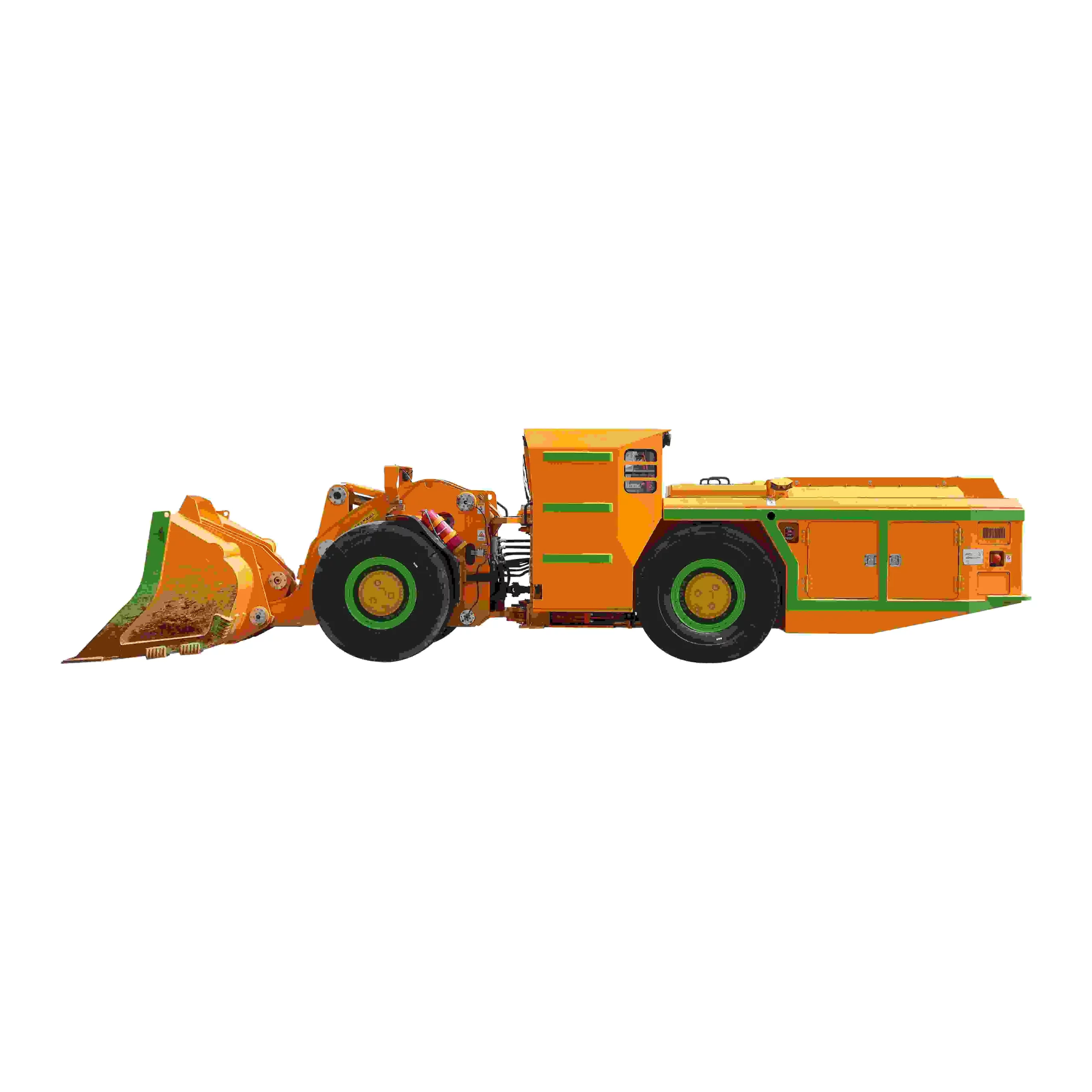
Sehemu kubwa ya vifaa vipya vya chini ya ardhi vimejikita katika Kifaa cha Kuchimba Madini cha Chini ya Ardhi. Vifaa hivi vya LHD visivyo na Track (Load-Haul-Dump) vitalazimika kufanya kazi vizuri katika mazingira magumu ya chini ya ardhi iwe vinaendeshwa na dizeli, betri au matumizi mengine mseto ya siku zijazo.
ya ZDL614 Mfano mwingine ni. Kwa uwezo wa ndoo ya mita 6³ ya tani 14 katika handaki za mita 4.5 x 4.5, mashine inaweza kushughulikia kiasi kikubwa cha madini na miamba taka. Usemi wake wa kati na ekseli ya nyuma inayozunguka huifanya iwe rahisi kuendeshwa katika maeneo magumu na waendeshaji wanafurahishwa na teksi iliyofungwa yenye kiyoyozi pamoja na mwonekano bora. Wakati mgodi unapojaribu mitambo mipya ya umeme, chasisi ya mitambo iliyothibitishwa ya vipakiaji hivi mara nyingi hubadilishwa ili kujaribu kitengo cha umeme.
Sasa kuna vipakiaji vingi ambavyo vimeundwa ili viwezeshwe na vyanzo mbalimbali vya nishati. Kwa mfano, baadhi ya vipakiaji vinavyoendeshwa kwa kutumia dizeli mbadala leo vitaweza kubadilishwa kufanya kazi kwa kutumia hidrojeni katika siku zijazo. Hii ina maana kwamba migodi itaweza kuepuka uwekezaji wao wa mtaji 'kukwama' kadri teknolojia mpya zinavyoibuka.
Miaka Michache Ijayo Inavyoonekana
Kufikia mwaka wa 2030, wachambuzi wengi wanatarajia mbinu mchanganyiko itatawala. Dizeli mbadala huenda ikabaki uti wa mgongo kwa meli nyingi, hasa katika maeneo yanayoendelea. Teknolojia ya betri itaimarika haraka kwa shehena ndogo na za ukubwa wa kati. Hidrojeni itakua ambapo migodi inaweza kuhalalisha miundombinu.
Ufunguo? Data. Migodi inayofuatilia kwa karibu matumizi ya mafuta, gharama za matengenezo, na tija kwa kila aina ya nguvu hufanya maamuzi nadhifu. Programu za majaribio zenye Vipakiaji vichache vya Uchimbaji wa Chini ya Ardhi mara nyingi hufunua kinachofanya kazi kabla ya kuajiri meli nzima.
QINGDAO ZONGDA MACHINERY CO., LTD Huleta uzoefu mzuri katika mazingira haya yanayobadilika. Ilianzishwa yapata miaka kumi iliyopita na maveterani wa uchimbaji madini, kampuni hiyo inazingatia vifaa vya chini ya ardhi visivyo na njia ambavyo hufanya kazi siku baada ya siku katika hali ngumu. Wanajenga vipakiaji, malori, na magari ya huduma kwa lengo la kufikia mahitaji halisi ya migodi—fremu imara, majimaji ya kuaminika, na teksi zinazowaweka waendeshaji katika hali nzuri.
Kinachojitokeza ni mbinu yao ya vitendo. ZONGDA inafanya kazi kwa karibu na wateja wakati wa uboreshaji wa vifaa na usanidi mpya wa miradi. Timu yao inajumuisha wahandisi wanaoelewa mifumo ya mitambo na msukumo kuelekea shughuli safi zaidi. Vipakiaji vyao vingi vya uchimbaji madini vya chini ya ardhi vina miundo inayounga mkono usanidi tofauti wa umeme kadri migodi inavyobadilika. Kwa kuzingatia utengenezaji bora huko Qingdao na imara. usaidizi wa baada ya mauzo, ZONGDA imepata faida ya mara kwa mara kutokana na shughuli katika mabara mengi. Haziuzi mashine tu—zinasaidia migodi kufikiria jinsi vifaa vipya vinavyofaa katika malengo mapana ya uendelevu.
Hitimisho
Sekta ya madini haichagui washindi na walioshindwa kati ya teknolojia za dizeli mbadala, hidrojeni, betri na seli za mafuta. Badala yake, sekta hiyo inajifunza jinsi bora ya kuzichanganya zote ili kuunda suluhisho bora zaidi kwa mahitaji yao. Kwa kutekeleza mbinu iliyosawazishwa, sekta hiyo inaweza kupunguza uzalishaji wa hewa chafu huku ikidumisha tija na usalama. Ili kujaribu teknolojia mbalimbali, ni busara kuanza na Kipakiaji cha Uchimbaji wa Chini ya Ardhi, kwani hutumika kwa harakati nyingi za nyenzo kila siku.
Kwa kuendelea kuwa wepesi na kufanya maamuzi yanayotegemea data, makampuni yataibuka bora kadri sekta inavyobadilika hadi kwenye operesheni safi zaidi.
Maswali ya kawaida
Je, Vipakiaji vya Uchimbaji wa Chini ya Ardhi vinaendanaje na mabadiliko kuelekea nguvu ya betri na hidrojeni?
Vipakiaji vya kisasa vya uchimbaji wa chini ya ardhi kama vile kutoka ZONGDA mara nyingi hutumia chasisi iliyothibitishwa ambayo inaweza kukubali mitambo tofauti ya umeme. Hii huruhusu migodi kujaribu matoleo ya betri au hidrojeni bila kubuni upya mtiririko wao wote wa kazi.
Ni changamoto gani zinazokuja na kuendesha Vipakiaji vya Uchimbaji wa Chini ya Ardhi vinavyotumia betri chini ya ardhi?
Vitengo vya betri vinahitaji ratiba za kuchaji kwa uangalifu na usimamizi mzuri wa joto. Katika migodi mikubwa zaidi, hupunguza mahitaji ya uingizaji hewa, lakini uwezo wa mzigo na muda wa mzunguko unahitaji upangaji ikilinganishwa na mifumo ya dizeli.
Je, dizeli mbadala inaweza kutumika katika Mashine za sasa za uchimbaji madini za chini ya ardhi bila marekebisho?
Ndiyo. Idadi kubwa ya Vipakiaji vya Uchimbaji wa Chini ya Ardhi vya sasa vimeundwa kufanya kazi kwenye dizeli mbadala kama mbadala wa mafuta "yanayopungua". Ni "hatua ya kwanza" inayovutia sana katika kupunguza uzalishaji wa hewa chafu katika migodi ya chini ya ardhi kwa muda mfupi, na kutoa muda wa kutathmini kikamilifu uwezo wa teknolojia mbadala kama vile seli za mafuta kwa matumizi ya muda mrefu.
Migodi inaamuaje kati ya seli za mafuta ya hidrojeni na mifumo ya betri kwa vipakiaji vyao?
Kwa kawaida inategemea mzunguko wa kazi na miundombinu. Hidrojeni hufanya kazi vizuri zaidi kwa zamu ndefu na nzito zenye ujazo wa haraka. Betri zinafaa kwa kazi fupi na zinazojirudia ambapo vituo vya kuchajia vinaweza kuwekwa karibu na maeneo ya kazi.
Waendeshaji wa migodi wanapaswa kutafuta nini wanapoboresha meli zao za Uchimbaji wa Chini ya Ardhi?
Zingatia vifaa vilivyoundwa kwa ajili ya kunyumbulika, usaidizi mkubwa wa ndani, na uimara uliothibitishwa katika hali kama hizo. Watengenezaji wenye uzoefu halisi wa uchimbaji madini husaidia kulinganisha suluhisho sahihi la nguvu na mpangilio na malengo yako maalum ya mgodi.