Mifumo ya uingizaji hewa ya handaki ya chini ya ardhi hutegemea feni za handaki kama vifaa vya msingi, lakini vifaa vya feni pekee haviwezi kutoa utendaji wa uingizaji hewa unaolingana. Mpangilio mzima wa mzunguko wa hewa, uadilifu wa mifereji ya hewa, vifaa vya udhibiti, mashine za uendeshaji wa chini ya ardhi, na ufuatiliaji wa mara kwa mara wa vigezo vya hewa ndani ya eneo kwa pamoja huamua ufanisi wa uingizaji hewa.
Kwa waendeshaji migodi, wakandarasi wa uhandisi, wataalamu wa usanifu wa uingizaji hewa, na wanunuzi wa vifaa vya uchimbaji madini, kuzingatia tu utoaji wa hewa wa kawaida wa feni za uingizaji hewa haitoshi. Kiwango cha msingi cha tathmini kiko katika kama mpangilio wa jumla wa uingizaji hewa bado unaweza kutoa ujazo wa hewa unaohitajika kwa nyuso za kazi baada ya kuhesabu upotevu wa msuguano wa bomba, uvujaji wa hewa, mikunjo ya bomba, tofauti za mwinuko, na mtiririko wa kazi wa uzalishaji unaobadilika. Misimbo ya udhibiti wa uchimbaji madini ya ndani na mipango mikuu ya uingizaji hewa ya mgodi iliyoidhinishwa rasmi ina kipaumbele kamili. Hati hii hutumika kama marejeleo ya uhandisi na ununuzi wa vitendo badala ya mbadala wa idhini rasmi ya muundo maalum wa eneo.
Jibu la Haraka: Uingizaji hewa wa Handaki Lazima Ufikie Nini?
Mfumo wa uingizaji hewa wa mgodi wa chini ya ardhi unaozingatia kikamilifu lazima utimize vigezo vyote vifuatavyo kwa wakati mmoja. Kufikia kipimo kimoja au viwili tu hakutoshi—hata kama feni yenye nguvu nyingi imewekwa, migodi bado inaweza kukabiliwa na mzunguko wa hewa, mifuko ya hewa iliyosimama, mtiririko wa hewa usiotosha kwenye nyuso za uchimbaji, au ulaji wa hewa safi iliyochafuliwa.
- Kiasi cha kutosha cha usambazaji wa hewa: Mtiririko wa hewa safi lazima ufike katika maeneo yote ya kazi kwa kiasi cha kutosha ili kukidhi mahitaji ya kupumua kwa binadamu, moshi wa mashine za dizeli, moshi wa mabaki ya mlipuko, uzalishaji wa vumbi, joto la jotoardhi, na uzalishaji wa gesi hatari asilia.
- Uelekezaji wa mtiririko wa hewa unaodhibitiwa: Njia za hewa zinazoingia na handaki za hewa zinazorudi lazima zitenganishwe waziwazi kama inavyohitajika na viwango. Muundo wa mpangilio lazima uzuie hewa chafu ya kutolea moshi kutiririka kupitia maeneo safi ya kazi.
- Uingizaji hewa wa uso unaolengwa: Mtiririko wa hewa unahitaji kusafisha kabisa vichwa vya uchimbaji visivyo na mwisho na nyuso za kazi, badala ya kufupisha mzunguko karibu na sehemu za kutolea feni au ncha za mfereji wa kutoa maji.
- Ukandamizaji wa uchafu hatari: Viwango vya oksijeni, methani (inapohitajika), monoksidi kaboni, oksidi za nitrojeni, chembe chembe za dizeli, vumbi linaloweza kupumuliwa lenye silika, moshi na moshi wa mlipuko lazima vibaki ndani ya vizingiti vya usalama vya kisheria.
- Udhibiti wa mazingira ya joto: Mfumo lazima utoe joto taka kutoka kwa mashine za uchimbaji madini na joto la joto la mwamba, huku ukidhibiti unyevunyevu wa mazingira ili kuepuka matukio ya mkazo wa joto miongoni mwa wafanyakazi wa chini ya ardhi.
- Uendeshaji thabiti na wa kutegemewa: Feni, mifereji ya uingizaji hewa, vituo vya kusimamisha kizigeu, milango ya udhibiti wa hewa, vidhibiti vya mtiririko wa hewa, saketi za usambazaji wa umeme, mifumo ya kengele ya usalama, na usanidi mbadala wa uingizaji hewa lazima uendelee kufanya kazi wakati wote.
- Ufuatiliaji wa wakati halisi na mifumo ya kukabiliana na dharura: Kiasi cha hewa, kasi ya upepo, shinikizo la bomba, mkusanyiko wa gesi yenye sumu, viwango vya vumbi na hali ya uendeshaji wa feni vinahitaji upimaji wa mara kwa mara katika sehemu zilizotengwa za kupimia. Itifaki sanifu za utunzaji lazima ziundwe kwa ajili ya usomaji usio wa kawaida wa ufuatiliaji.
Kwa Nini Kiasi cha Hewa Pekee Hakitoshi?
Kiasi cha hewa ndicho chanzo, lakini thamani yake inategemea mahali inapopimwa. Usomaji kwenye sehemu ya kutolea hewa ya feni unaweza kuonekana kuwa na afya njema huku sehemu ya kufanya kazi ikipokea hewa kidogo sana kutokana na uvujaji wa mifereji au upinzani. Kwa hivyo, muundo mzuri wa mfumo wa uingizaji hewa chini ya ardhi huchukulia mgodi kama mtandao wa mtiririko wa hewa, si kama mkusanyiko wa feni zilizotengwa.
Hewa safi lazima ifike kwenye uso wa kazi
Vichwa visivyoona vinahitaji uingizaji hewa saidizi kwa sababu hakuna njia ya asili ya mtiririko. Sehemu ya kutoa au kutoa mfereji wa maji lazima iwekwe karibu vya kutosha kufagia uso, lakini mbali vya kutosha ili kuepuka uharibifu kutokana na mlipuko na vifaa vya kuhamishika. Kadri sehemu ya mbele inavyosonga mbele, urefu wa mfereji na nafasi ya feni lazima visonge mbele pamoja nao. Kuacha nafasi ndefu isiyo na hewa karibu na uso hutengeneza mifuko iliyosimama hata wakati mtiririko wa hewa wa mgodi wote unakubalika.
Hewa ya kuingilia na kurudi lazima ibaki kando
Milango ya uingizaji hewa, vizuizi, vidhibiti, mawingu, mawingu ya chini, mihuri, na hewa inayoongoza mifereji ya maji iliyowekwa vizuri kupitia njia iliyokusudiwa. Vidhibiti vilivyoharibika vinaweza kusababisha mzunguko mfupi, ambapo hewa huchukua njia rahisi kurudi kwenye njia ya kurudi bila kuingiza hewa kwenye eneo la uzalishaji. Urejeshaji wa mzunguko ni hitilafu nyingine kubwa ya usanifu. Hewa iliyochafuliwa ya kurudi haipaswi kuvutwa tena kwenye ulaji wa feni au kuchanganywa na wafanyakazi wa huduma ya hewa safi.
Mfumo lazima ufuate mzunguko wa uzalishaji
Mahitaji ya uingizaji hewa hubadilika wakati wa kuchimba visima, kuchaji, kulipua, kuingiza tena, kuchafua, kusafirisha, kuongeza ukubwa, matengenezo, na kazi ya ufungaji. Mpangilio thabiti unaweza kuwa wa kutosha wakati wa kipindi cha utulivu na usiotosha wakati mashine kadhaa za dizeli zinafanya kazi katika eneo moja. Mpango wa uingizaji hewa unapaswa kufafanua hali ya uendeshaji, nyakati za uondoaji baada ya ulipuaji, mipaka ya vifaa kwa eneo, na vipimo vinavyohitajika kabla ya kuingia tena.
Je, Ubunifu wa Mfumo wa Uingizaji Hewa Chini ya Ardhi Unapaswa Kuhesabiwaje?
Muundo wa vitendo huanza na ushuru wa juu zaidi wa uingizaji hewa unaoaminika, kisha huangalia kama feni na njia ya hewa iliyochaguliwa inaweza kukidhi wajibu huo mahali pa kazi. Ingizo zifuatazo zinapaswa kurekodiwa kabla ya feni kubainishwa.
- Amua mtiririko wa hewa unaohitajika
Mahitaji ya hewa kwa kawaida hudhibitiwa na mchanganyiko unaohitaji nguvu kazi zaidi, mzigo wa injini ya dizeli, utoaji wa gesi, chanzo cha vumbi, moshi wa ulipuaji, na joto. Kila eneo linaweza kutumia fomula tofauti au thamani za chini kabisa. Pale ambapo vitengo vingi vya dizeli hufanya kazi pamoja, hesabu inapaswa kuakisi uendeshaji wa wakati mmoja badala ya ukadiriaji wa mashine moja. Matokeo pia yanahitaji kiwango cha uvujaji na maendeleo ya baadaye, lakini feni kubwa kupita kiasi si bora kiotomatiki kwa sababu kasi ya ziada inaweza kuongeza vumbi, kelele, na matumizi ya nguvu.
- Hesabu upotevu wa shinikizo kupitia njia
Urefu wa handaki, sehemu mtambuka, ukali wa uso, kipenyo cha mirija, nyenzo za mirija, mikunjo, vipunguzi, viunganishi, skrini, vizimisha sauti, na uvujaji vyote huongeza upinzani. Mirija inayonyumbulika ambayo imepondwa, imeraruka, imening'inizwa vibaya, au imeunganishwa na viunganishi vilivyolegea inaweza kupoteza sehemu kubwa ya shinikizo la feni. Feni lazima ichaguliwe dhidi ya mkunjo wa upinzani wa mfumo ili sehemu yake ya uendeshaji itoe mtiririko unaohitajika na shinikizo la kutosha kwa njia iliyowekwa.
- Angalia kasi, eneo, na ubora wa hewa chini ya ardhi
Uanzishaji unapaswa kulinganisha thamani za muundo na vipimo vya uwanjani usoni, kwenye ulaji, kando ya mfereji, kwenye sehemu za uhamisho, na kwenye urejeshaji. Vipimo vya moshi au mbinu zingine zilizoidhinishwa za taswira ya mtiririko wa hewa zinaweza kufichua maeneo yaliyokufa na mzunguko wa hewa tena. Usomaji wa gesi na vumbi unaonyesha kama mtiririko wa hewa unaotolewa unadhibiti mfiduo. Ikiwa vipimo havilingani na modeli, sababu inaweza kuwa uvujaji, njia ya hewa iliyobadilishwa, mpangilio usio sahihi wa blade, mfereji ulioziba, au sehemu isiyofaa ya uendeshaji wa feni.
| Mahitaji ya muundo | Cha kuthibitisha | Ishara ya onyo la kawaida |
| Kiasi cha hewa usoni | Mtiririko uliopimwa chini ya hali ya uendeshaji yenye shughuli nyingi zaidi inayotarajiwa | Mtiririko mzuri wa njia ya kutoka lakini mtiririko dhaifu wa hewa usoni |
| Uwezo wa shinikizo | Sehemu ya wajibu wa feni dhidi ya upinzani kamili wa mfumo | Mtiririko huanguka kadri urefu wa mifereji ya maji unavyoongezeka |
| Uadilifu wa mifereji ya maji | Viungo, mipasuko, kusimamishwa, mabadiliko ya kipenyo, na radius ya kupinda | Uvujaji mwingi, mrija unaopepea, au hitilafu ya mara kwa mara ya viungo |
| Udhibiti wa njia ya hewa | Mgawanyiko wa ulaji/urejeshaji na hali ya milango, mihuri, vituo, na vidhibiti | Kurudishwa kwa hewa bila kutarajiwa au mzunguko mfupi wa hewa |
| Utangamano wa hatari | Uainishaji wa gesi, ulinzi wa injini, vifaa, vidhibiti, na uidhinishaji wa ndani | Feni ya kawaida ilipendekezwa kwa ajili ya mazingira yanayoweza kulipuka |
| Mpango wa ufuatiliaji | Pointi za kipimo, marudio, kengele, rekodi, na mipaka ya vitendo | Matatizo yanapatikana tu baada ya wafanyakazi kuripoti hali mbaya ya hewa |
Ni Vifaa Gani Vinahitajika katika Mifumo ya Uingizaji Hewa ya Migodi ya Chini ya Ardhi?
Uchaguzi wa vifaa hutegemea kama wajibu ni uingizaji hewa mkuu, uingizaji hewa wa wilaya au nyongeza, au uingizaji hewa wa ndani katika sehemu inayoendelea. Ununuzi unapaswa kufunika kifurushi kamili cha mtiririko wa hewa badala ya kutibu feni, mfereji wa maji, vidhibiti, na vifaa vya usakinishaji kama vitu visivyohusiana.
Mashabiki wakuu, wasaidizi, na wa ndani wana majukumu tofauti
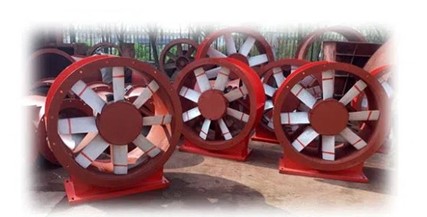
Feni kuu husogeza hewa kupitia mtandao mkuu wa mgodi. Feni za msaidizi na za ndani hupeleka hewa kwenye vichwa ambavyo saketi kuu haiwezi kuifuta moja kwa moja. Feni za mhimili hutumika sana kwa kazi ya handaki kwa sababu zinaweza kutoa mtiririko mkubwa katika mwili mdogo na kuunganishwa na mfereji wa maji. Zilizochaguliwa feni ya uingizaji hewa ya uchimbaji madini chini ya ardhi bado inapaswa kuendana na mtiririko wa hewa uliohesabiwa, shinikizo, nafasi ya usakinishaji, usambazaji wa umeme, shabaha ya kelele, na ufikiaji wa matengenezo.
Udhibiti na upitishaji wa hewa unaweza kuamua kama feni itafanikiwa
Kipenyo cha mfereji wa maji kinapaswa kuendana na mtiririko unaohitajika bila kusababisha kasi na upotevu wa shinikizo usio wa lazima. Viungo vinahitaji kupinga utengano na uvujaji. Sehemu za kusimamishwa zinapaswa kuzuia kulegea na kugusana na mashine zinazopita. Udhibiti wa kasi inayobadilika unaweza kusaidia kulinganisha mtiririko wa hewa na wajibu unaobadilika, lakini unapaswa kufanya kazi ndani ya kiwango thabiti cha utendaji wa feni. Kengele, vidhibiti vya mbali, kuhisi shinikizo au mtiririko, na nguvu ya kusubiri inaweza kuhitajika na tathmini ya hatari ya eneo au kanuni za ndani.
Mazingira hatari yanahitaji kiwango sahihi cha ulinzi
Migodi ya makaa ya mawe na kazi zingine zenye hatari ya methane au gesi inayolipuka inayoaminika zinahitaji vifaa vilivyoundwa na kuthibitishwa kwa mazingira hayo. Shabiki wa kawaida wa viwandani hapaswi kubadilishwa kwa msingi wa mtiririko wa hewa pekee. ZONGDA hutoa feni ya uingizaji hewa ya uchimbaji isiyolipuka kiwango cha ushuru wa uingizaji hewa wa ndani katika mazingira hatari ya migodi. Kabla ya kuagiza, wanunuzi wanapaswa kuthibitisha uainishaji wa mgodi, uidhinishaji unaohitajika, volteji, masafa, ulinzi wa mota, kuingia kwa kebo, mantiki ya udhibiti, na sheria za kukubalika katika nchi ya mwisho.
Ni Ufuatiliaji, Ukaguzi, na Hatua za Dharura Zipi Zinazohitajika?
Mahitaji ya mfumo wa uingizaji hewa chini ya ardhi yanaendelea baada ya kuanza kutumika. Njia za hewa hubadilika kadri mgodi unavyosonga mbele, mifereji ya maji inavyopanuliwa, milango inafunguliwa, na vifaa vinahamishwa. Ukaguzi wa kawaida ndiyo njia pekee ya kuaminika ya kuthibitisha kwamba muundo wa awali bado unafanya kazi.
Pima hali ambapo watu hufanya kazi
Ukaguzi wa kawaida unajumuisha wingi na kasi ya hewa, shinikizo tofauti au tuli, mkondo wa feni na mtetemo, oksijeni, monoksidi kaboni, nitrojeni dioksidi, methani inapohitajika, mfiduo wa chembechembe za dizeli, vumbi linaloweza kupumuliwa, halijoto, na unyevunyevu. Vifaa na masafa halisi hutegemea sheria za eneo husika na wasifu wa hatari ya mgodi. Kumbukumbu zinapaswa kutambua eneo, wakati, hali ya uendeshaji, kifaa, matokeo, na hatua za kurekebisha.
Kagua njia nzima ya uingizaji hewa
Vile vya feni, fani, walinzi, vizimio, vifungashio, viunganishi vinavyonyumbulika, vizingiti vya umeme, viungo vya mifereji ya maji, vitegemezi, milango, vizuizi, na vidhibiti vinahitaji ukaguzi uliopangwa. Mkusanyiko wa vumbi, kutu, vifungashio vilivyolegea, mtetemo usio wa kawaida, mkondo wa injini unaoongezeka, au shinikizo linaloshuka linaweza kuashiria tatizo linaloendelea. Matengenezo yanapaswa kufuata mapendekezo ya mtengenezaji na ratiba iliyoandikwa ya mgodi, huku vipuri muhimu vikipatikana kabla ya hitilafu kusimamisha uzalishaji.
Mpango wa hitilafu ya feni na usomaji usio wa kawaida
Mpango wa majibu unapaswa kufafanua ni nani anayepokea kengele, ni maeneo gani lazima yaondolewe, ni vifaa gani lazima vizimwe, jinsi ubora wa hewa unavyopimwa, na ni nani anayeidhinisha kuingia tena. Pia unapaswa kufunika upotevu wa umeme, kuanguka kwa mifereji ya maji, moto, kutolewa kwa gesi isiyotarajiwa, uhamaji wa moshi, na mabadiliko ya uingizaji hewa ya makusudi. Mfumo salama zaidi ni ule ambapo majibu huamuliwa kabla ya kengele kutokea.
ZONGDA Inawezaje Kusaidia Mradi wa Uingizaji Hewa wa Handaki?
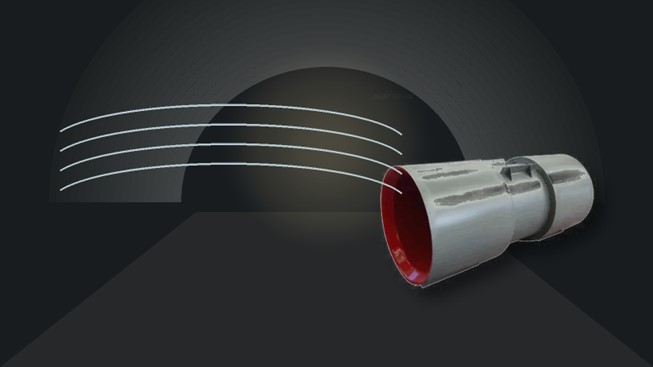
ya ZONGDA mifumo ya hewa ya chini ya ardhi inajumuisha feni za handaki, feni za uingizaji hewa za uchimbaji wa chini ya ardhi, na chaguo za feni zinazostahimili mlipuko kwa hali tofauti za migodi na handaki. Aina mbalimbali za bidhaa zinashughulikia majukumu makuu, ya msaidizi, na ya ndani ya uingizaji hewa, pamoja na mipangilio inayokusudiwa kwa usambazaji wa hewa yenye mifereji, usakinishaji wa barabara, na huduma inayohitajiwa chini ya ardhi.
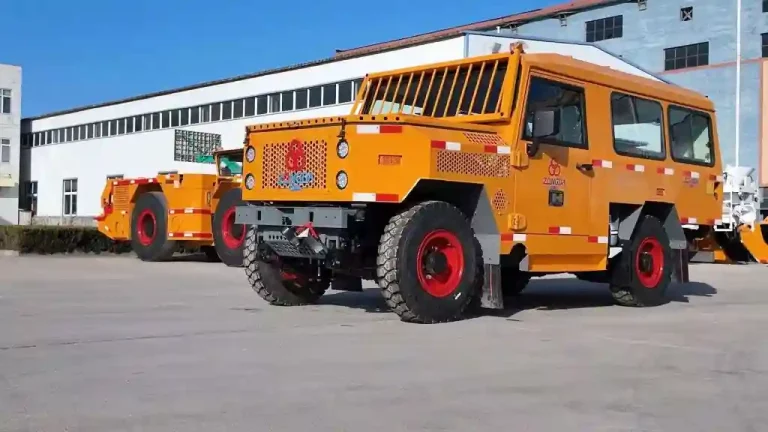
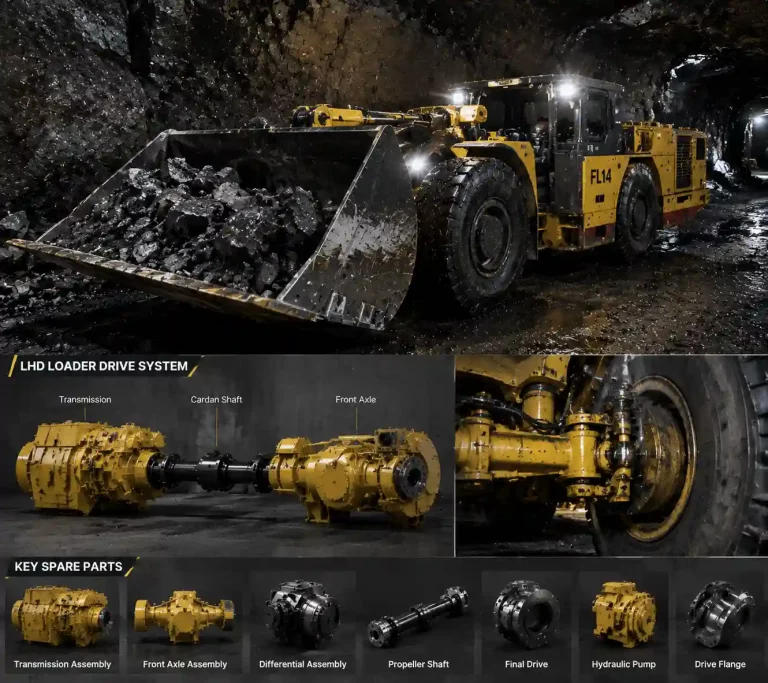
Swali muhimu linapaswa kwenda zaidi ya kuuliza kipenyo cha feni au nguvu ya injini. Wanunuzi wanaweza kutuma urefu na sehemu ya handaki, mtiririko wa hewa unaohitajika usoni, upinzani unaokadiriwa, kipenyo na aina ya mfereji wa maji, uainishaji wa gesi, urefu, halijoto, unyevu, volteji na masafa, nafasi ya usakinishaji, hitaji la kelele, na meli ya dizeli iliyopangwa. ZONGDA pia hutoa huduma. vifaa vya madini trackless, ambayo husaidia majadiliano ya uingizaji hewa kueleza vipakiaji, malori, na magari ya huduma ambayo hutoa joto na moshi chini ya ardhi.
Kwa mradi mpya wa kichwa, upanuzi, au ubadilishaji, uamuzi thabiti zaidi wa ununuzi unategemea eneo la kazi na hali ya eneo badala ya jina la jumla la modeli. Timu za mradi zinaweza wasiliana na ZONGDA kwa ajili ya uteuzi wa bidhaa, majadiliano ya kiufundi, nukuu, na ulinganisho wa kifurushi cha feni na mazingira yaliyopangwa ya uendeshaji chini ya ardhi.
Orodha ya Mwisho ya Ununuzi wa Uingizaji Hewa
- Thibitisha kanuni zinazotumika za uchimbaji madini na handaki kwa nchi na aina ya mgodi.
- Bainisha mtiririko wa hewa unaohitajika katika kila uso unaofanya kazi na eneo linalokaliwa, si tu kwenye sehemu ya kutoa hewa ya feni.
- Orodhesha vifaa vya dizeli, matukio ya uendeshaji kwa wakati mmoja, shughuli za ulipuaji, vyanzo vya gesi, vyanzo vya vumbi, na mizigo ya joto.
- Hesabu upinzani kamili kwa mpangilio halisi wa handaki na mifereji ya maji, ikiwa ni pamoja na uvujaji na upanuzi wa baadaye.
- Chagua aina ya feni, sehemu ya wajibu, mota, vidhibiti, mifereji ya maji, viunganishi, upachikaji, na kiwango cha ulinzi kama mfumo mmoja.
- Panga vipimo, kengele, ukaguzi, vipindi vya matengenezo, vipuri, na majibu ya hitilafu.
- Agiza mfumo chini ya ardhi na urekebishe kutoka kwa matokeo yaliyopimwa kabla ya uzalishaji kamili.
Wakati vitu hivi vinaposhughulikiwa pamoja, uingizaji hewa wa handaki la uchimbaji chini ya ardhi unakuwa mfumo wa uhandisi unaodhibitiwa badala ya ununuzi wa feni wa dakika za mwisho. Mbinu hiyo inasaidia hewa safi, uzalishaji unaotabirika zaidi, uvujaji mdogo na upotevu wa umeme, na mshangao mdogo kadri mwelekeo unavyoendelea.
Maswali ya kawaida
- Je, hitaji kuu la uingizaji hewa katika handaki la kuchimba madini ni lipi?
Mfumo lazima utoe hewa safi ya kutosha kwa kila sehemu ya kazi na kuondoa au kupunguza gesi hatari, vumbi, moshi, moshi wa dizeli, moshi, joto, na unyevunyevu. Kiasi kinachohitajika na mipaka ya ufuatiliaji hutoka kwa mpango wa uingizaji hewa wa eneo na sheria za eneo husika.
- Mtiririko wa hewa unaohitajika kwenye handaki huhesabiwaje?
Hesabu huzingatia wafanyakazi, mzigo wa injini ya dizeli, moshi wa ulipuaji, utoaji wa gesi, vumbi, joto, matumizi ya vifaa kwa wakati mmoja, uvujaji, na urefu wa handaki la baadaye. Kisha feni ya mwisho huangaliwa dhidi ya upinzani kamili wa mfumo.
- Je, feni kubwa ya uingizaji hewa ni salama zaidi kila wakati?
Hapana. Feni kubwa inaweza kufanya kazi vibaya, kusababisha kasi na vumbi kupita kiasi, kuzidisha mifereji dhaifu ya maji, au bado kushindwa kufikia uso ikiwa mfumo utavuja. Uteuzi sahihi wa sehemu ya kazi ni muhimu zaidi kuliko ukubwa wa injini pekee.
- Feni ya uingizaji hewa inayostahimili mlipuko inahitajika lini?
Inahitajika pale ambapo uainishaji wa migodi na tathmini ya hatari hutambua mazingira yanayoweza kulipuka, kama vile utendaji kazi wa makaa ya mawe unaoweza kuathiriwa na methane. Uthibitishaji na ulinzi wa umeme lazima zilingane na soko la mahali pa kupelekwa na sheria za eneo.
- Ni taarifa gani zinazopaswa kutumwa kwa muuzaji wa feni za uingizaji hewa?
Tuma vipimo na urefu wa handaki, mtiririko wa hewa unaohitajika, upinzani unaokadiriwa, data ya mifereji ya maji, uainishaji wa gesi, hali ya mazingira, usambazaji wa umeme, njia ya usakinishaji, mahitaji ya udhibiti, na vifaa vya chini ya ardhi vinavyofanya kazi katika eneo hilo.