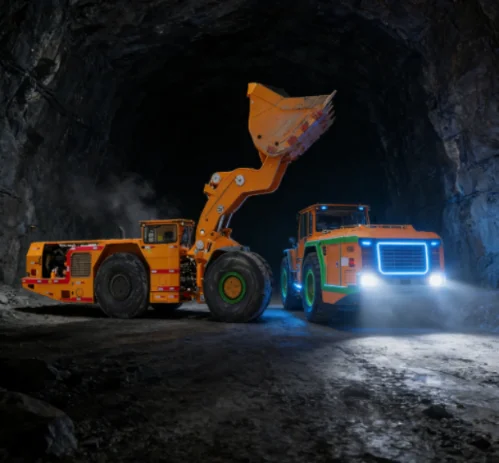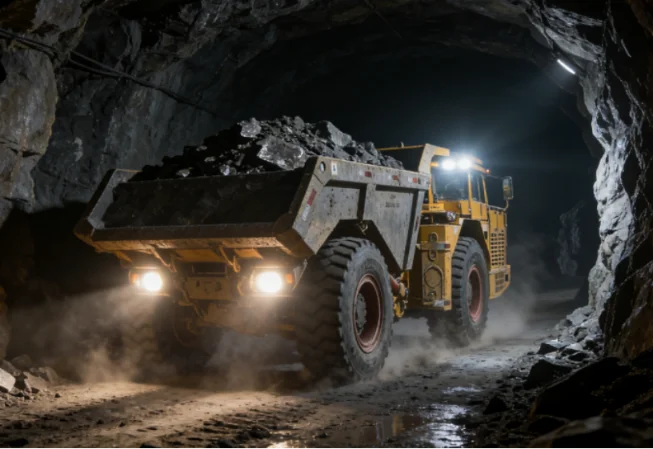
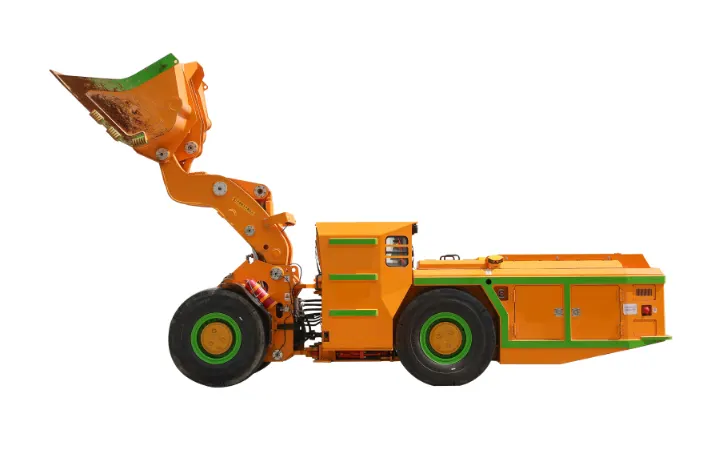
If you run underground loaders in metal ore mines, you know how hard the work is on machines. Heat, moisture, sharp rock, and fine dust all push the loader every single shift. Good underground loader maintenance is not just a rule in a manual. It directly affects safety, output, and how long the machine can keep working before a major rebuild.
This guide gives you practical tips you can use in real mines. The goal is simple. Help you cut unplanned downtime, stretch the service life of your underground loader, and keep the machine safe and stable, without building a maintenance plan that nobody can follow.
Why Underground Loader Maintenance Matters
An underground metal mine is one of the toughest places for a loader. The machine runs in low backs, on wet, broken roadways, and in heavy dust. Engines work hard, then idle while waiting at ore passes or loading points. Cooling systems fight against dirty and hot air. If you skip maintenance, all these factors slowly damage the machine.
When you treat maintenance as part of daily production, the loader runs smoother. Cycles stay more stable, operators feel more confident, and you spend less time dealing with sudden failures. A clear maintenance routine gives you more control over cost, safety, and machine life.
Harsh Working Conditions in Underground Metal Mines
In underground metal ore mining, the loader works face to face with sharp rock every day. Buckets scrape walls, muck piles, and chute lips many times each hour. Tires climb over loose stone, rails, and uneven ground. Dust from drilling, blasting, and mucking gets into radiators, joints, and electrical parts.
This leads to worn cutting edges, loose pins, tired seals, and blocked cooling fins. If you ignore early signs, the loader may start to lose power, run hot, or steer poorly. When that happens, you not only repair parts. You also lose full shifts while the loader sits in the workshop instead of in the ore pass.
How Poor Maintenance Impacts Safety and Cost
When steering feels loose, brakes fade, or lights fail in low headings, risk to people rises fast. A small hydraulic leak on a ramp can turn into a skid spot for every vehicle that passes. A cracked tire sidewall can turn into a blowout on a curve or near a drop.
Repair costs also grow when parts fail during work instead of being replaced on time. A seal kit is cheap. A full hydraulic cylinder rebuild from contamination is not. A simple, steady inspection plan often saves several times its cost over a year of operation.
What Daily Checks Do You Need for Underground Loader Maintenance
Daily checks are the front line of underground loader servicing. They give you a quick picture of the machine before and after the shift. Most of this work needs only a clear routine, not special tools. If you build the habit, it becomes normal part of the job.
Walk-Around Inspection and Cleaning
Before the shift, ask the operator to walk around the loader with lights on. Look for fresh oil spots or coolant under the machine. Check hydraulic hoses, steering joints, and brake lines for wet marks or cracked covers. Test all work lights and warning lights. In dark headings, good lights are as important as good brakes.
Cleaning is more than a “nice to have”. Mud and rock build-up around the articulation joint, brake housings, and bucket pins can hide cracks and leaks. When you wash off dirt and scrape away packed ore, later inspections become quicker and clearer. A reasonably clean loader makes new damage much easier to see.
Fluids, Filters, and Warning Signs
Make fluid checks part of every handover. Look at engine oil, hydraulic oil, transmission fluid, and coolant levels. If any level drops between shifts, treat it as a signal, not just a small issue. Deal with it before the warning lamp comes on.
Air filters work very hard underground. If you see heavy dust on the element or the restriction indicator stays in the red zone, change or clean the filter. An engine that cannot breathe loses power and burns more fuel. If operators report new noises, slower bucket speeds, or extra vibration, treat those comments as useful early warnings. They often tell you something that a gauge does not show yet.
How to Handle Lubrication and Fluids
Good lubrication keeps metal parts sliding instead of grinding. Poor lubrication turns each joint into a future failure. A simple, clear plan for grease and fluids is one of the most useful underground loader maintenance tips you can use.
Grease Points That Matter Most
Focus on pins and bushings on the bucket, lift arms, and articulation joint. These areas carry high load in every cycle. If they run dry, they wear out fast and start to show play. That play then leads to cracked parts, rough motions, and higher stress on cylinders.
Use the grease type recommended for underground mining, and stick to a set interval based on operating hours. In heavy mucking of abrasive ore, many sites grease key points daily. Some also grease the main articulation joint at each shift change. This sounds like extra work, but it is far cheaper than changing a full set of pins and bushings long before the planned time.
Keeping Oil and Hydraulic Fluid Clean
Fluids do more than just reduce friction. They also move power and carry heat away from working parts. Oil full of dust, water, or metal pieces quickly damages pumps, valves, and bearings.
When you drain oil, look at its color and smell. Milky fluid suggests water. Shiny flakes point to internal wear. Use clean containers and tools when topping up. Keep lids closed. If your site can send samples for oil analysis, regular checks give you early warnings about gearbox, engine, or hydraulic wear. That allows you to plan work in quiet periods instead of reacting to sudden breakdowns.
Keeping Critical Systems in Good Shape
Some systems deserve even closer attention because they affect basic movement and safety. Hydraulics, steering, brakes, and the driveline sit in this group. If one of these fails, the loader can stop suddenly or become unsafe in a few seconds.
Hydraulic System and Steering
Hydraulic hoses work under high pressure all day. A small cut, flat spot, or worn shield can turn into a burst at full pressure. Check hose routing so that lines do not rub on sharp edges or hot parts. Replace any hose that shows bulges, exposed wire, or deep scuffs.
Steering cylinders and joints need regular checks as well. In tight headings, the loader turns often and the articulation joint does most of the work. Too much clearance in steering pins or the center joint affects how the machine tracks. Operators may start to correct the steering more often. That is a sign to act, not something to ignore until the next major service.
Tires, Frame, and Powertrain
Tires carry the weight of the loader, the rock, and sometimes extra tools. Check tire pressure when the tire is cool. Low pressure builds heat and harms the sidewall. Look for cuts, bulges, and exposed cords. If a tire fails underground, changing it is slower and more complex than on surface, so early replacement is often the cheaper choice.
Inspect frame welds, especially near lift arm mounts, articulation points, and load-bearing joints. Cracks in these areas should be repaired quickly. For the powertrain, listen for new gear noise or clunks when shifting or changing direction. Early action on these sounds can prevent major failures that take the loader out of service for weeks.
Why Operators and Schedules Decide Equipment Life
Even a strong technical plan will not work if operators do not support it. The way the loader is driven has a huge effect on how long it lasts. A simple maintenance schedule also keeps everyone aligned and reduces guesswork.
Operator Habits That Extend Machine Life
Smooth driving habits matter. Avoid hitting the bucket hard into the face or dropping a full bucket into a truck bed from height. Take ramps at a safe speed instead of racing between levels. Use the right gear for the grade. Small changes like these reduce shock loads on the frame, cylinders, and powertrain.
Treat the dashboard like a partner, not something to ignore. If a temperature or pressure light shows up, stopping and reporting it is the safest move. Operators spend more hours with the loader than anyone else. Their comments about feel, noise, and power are often the most accurate clues you will get.
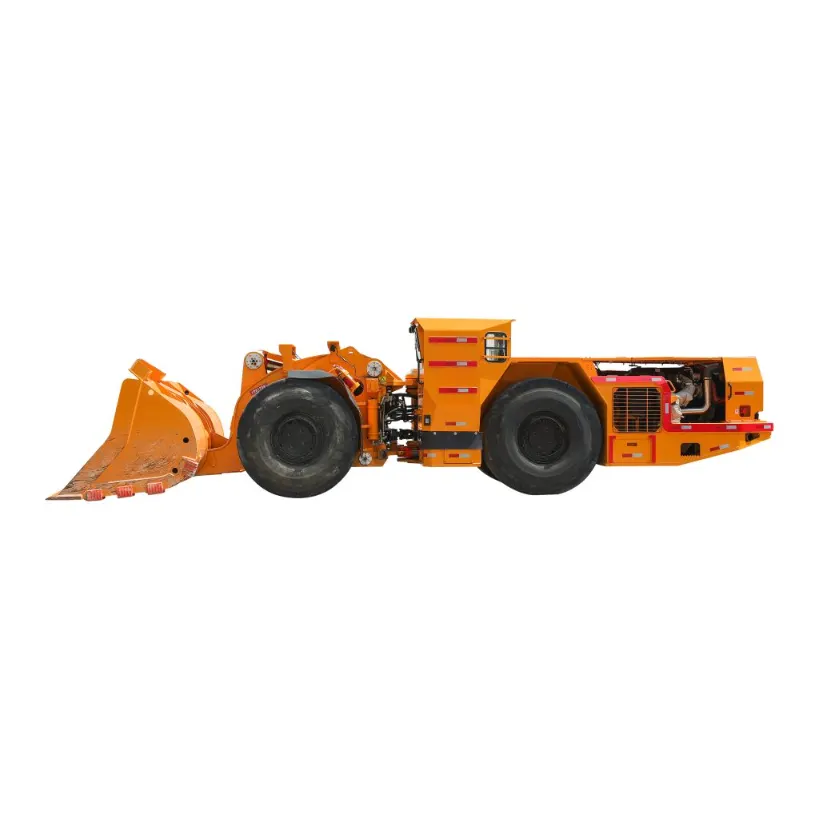
When you choose equipment for a fleet, service access is also important. Machines with easy access to filters and test points are simpler to keep in good shape. A unit such as a ZDL614 Underground Loader can be part of a plan that aims for stable, long-term work in tight headings, with service points laid out for quick checks.
Building a Practical Maintenance Schedule
A simple written schedule normally works better than a long, complex plan that nobody reads. Base your schedule on hours. For example, daily visual checks, weekly inspections of bolts and hoses, and full services every 250 or 500 hours. Adjust those numbers when your own data shows different needs.
Connect your mining loader maintenance schedule to planned pauses in production as much as possible. That way you reduce lost tons. If you run several loaders, stagger their service times so that not all units stop together. Some sites use one common checklist for every underground mining loader in the fleet. This makes tracking patterns and repeat issues much easier.
For narrow ore passes and tight declines, picking a heavy-duty underground loader for narrow mines also helps. A compact frame and short turning radius cut the chance of wall strikes, side scrapes, and steering damage, which in turn reduces repair work over the life of the machine.
ZONGDA as a Partner in Underground Metal Ore Mining
QINGDAO ZONGDA MACHINERY CO., LTD, often called ZONGDA, focuses on equipment for underground metal ore mines. The company develops and produces trackless mining vehicles, loaders, dump trucks, and support units for hard rock conditions. ZONGDA designs its machines for tight spaces, steep ramps, and long working hours, with attention to strong frames and simple service access. A team with mining and mechanical background supports design, production, and field service, so the products match real site needs instead of only meeting test yard conditions. ZONGDA also provides project support and technical advice for customers in domestic and overseas markets. For metal ore operations that want stable output and longer equipment life, ZONGDA offers machines and technical service aimed at steady, long-term use, not short-term sales numbers.
FAQ
Q1: How often should you carry out underground loader maintenance?
A: Do daily checks, weekly inspections, and full service every 250–500 hours, then adjust based on your site conditions.
Q2: What are the most important daily checks on an underground loader?
A: Check fluids, look for leaks, inspect tires and hoses, and test lights before the loader goes underground.
Q3: How can you extend the life of your underground loader in a metal ore mine?
A: Grease on time, keep fluids clean, fix small faults early, and train operators to run the machine smoothly.
Q4: Why do hydraulic problems appear so often on underground loaders?
A: Hydraulics work at high pressure in dusty, wet areas, so dirty or low-quality fluid and worn hoses cause fast wear.
Q5: Are ZONGDA machines suitable if you work only in underground metal ore and not in coal mines?
A: Yes. ZONGDA designs its equipment for underground metal ore operations, with loaders and dump trucks built for hard rock mines.