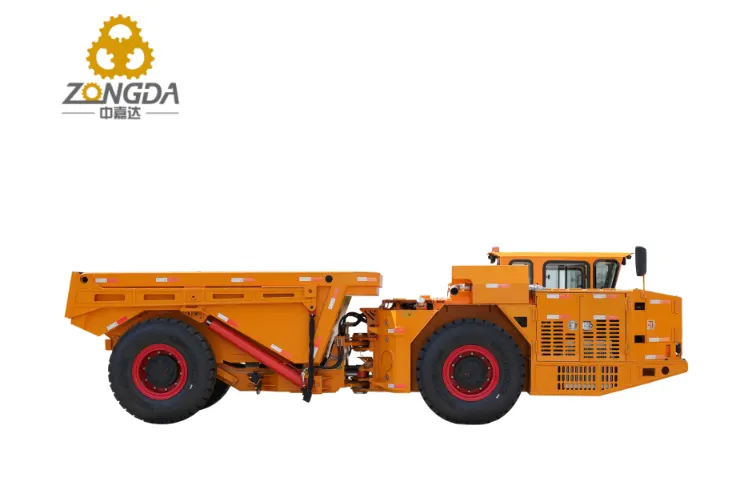
Underground ore hauling takes a big slice of your operating budget. Ramps are long, grades are steep, and every loaded trip costs fuel, time, and component life. When haulage slows down, production targets drift and cost per ton creeps up. That is why more hard rock mines are looking at the next step in fleet design: the smart mining truck, not only at the surface but also in the headings and ramps underground.
If you run a metal mine, you care about safe traffic in narrow tunnels, stable output across the month, and a clear picture of where money is going. Smart vehicles are not a fashion term in that setting. They are one of the few tools that help you cut waste in haulage without putting extra pressure on crews.
Introduction: How Smart Vehicles Are Transforming Underground Ore Hauling
In many underground operations, haulage sits among the largest cost categories. Trucks climb long ramps at 10–15 degrees, with heavy loads and frequent braking. A standard underground mining dump truck is already built to cope with this, but when you add data collection, better control, and basic automation, the economics shift again.
Smart mining projects in recent years have shown that connected and, in some cases, autonomous trucks can lift productive hours and reduce idle and waiting time, especially when they work as part of a coordinated fleet. When similar thinking reaches the 12 ton truck class in underground metal mines, you get very direct day-to-day gains.
What Makes a Mining Vehicle “Smart”?
In underground haulage, a vehicle is “smart” when it does more than carry rock. It should gather useful data, support the driver, and speak with your dispatch or planning system. The steel and engine still do the heavy work, but the information layer lets you run them with less guesswork.
Onboard Monitoring and Real Time Data
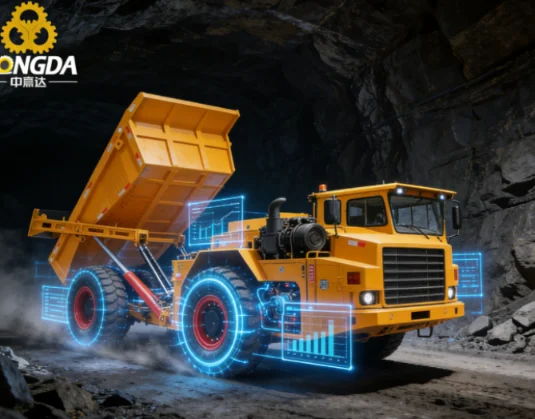
Smart vehicles record engine load, fuel rate, brake events, distance, and often payload per trip. This data feeds into fleet tools so you see where trucks wait, where grades slow them, and which routes cost more per ton. Operations that manage haul trucks with better data have reported productivity gains of around twenty percent along with lower idle time.
Better Control of Engine, Brakes and Traction
On steep ramps, poor gear choice or rough throttle burns fuel and heats components. Smart powertrain and brake control keeps the truck in a sensible speed and torque band. That means cleaner cycles, less risk of overheating, and lower stress on drivetrain parts that are expensive and slow to replace.
Safer Working Conditions Underground
Safety is still the main driver behind many smart fleet projects. Extra functions such as zone speed control, condition alerts, and basic collision warning support your drivers in tight headings. Large mines already use such systems to improve safety while keeping haul trucks active around the clock.
Why Smart Mining Vehicles Change the Game for Underground Ore Hauling?
Once data and control features enter the truck fleet, you change how you plan the whole haul route, not just what happens at the face. From loading point to ore pass and from pass to shaft, you can time and tune each segment.
Lower Fuel Use and Smoother Power
Fuel is a major running cost. Electric haulage can lower energy use sharply in some settings, but even for diesel fleets, simple changes such as reduced idle time and more stable speeds give measurable savings. Spread over many thousands of tons, a few percent improvement becomes real money.
Higher Productivity With Stable Cycles
Consistent cycle times let you plan loader work and shift change more tightly. Smart controls help drivers keep steady speeds and repeat braking and stopping points. Experience from smart or autonomous truck fleets shows productivity gains on the order of twenty percent due to more active time and less waiting.
Less Downtime Through Condition-Based Maintenance
When you track temperatures, pressures, and fault codes, you can schedule service before a failure but avoid pulling trucks in too early. Predictive maintenance approaches in smart mining projects have already cut unplanned downtime and extended component life in many haulage fleets.
Smart Features That Matter in Underground Dump Trucks
For a 12 ton truck working with an LHD at the face, you care about features that help in tight, rough headings, not just in theory. Smart functions should show up directly in loading, tramming, and dumping.
Efficient Loading and Dumping
A box around 10 cubic meters with a strong hoist lets you clear ore fast at the pass or ore bin. Simple cycle control helps avoid overtravel and spillage and keeps the frame in the right place. You save seconds at each dump and protect roadway and support.
Grade and Traction Management
Grade ability in the 15 degree range and speeds up to roughly 30 kilometers per hour on level sections give a good base for metal mines. When control logic manages traction and braking on these ramps, trips stay safer and tyre and driveline wear drops.
Load Tracking and Cost per Ton
If each underground mining truck records payload and distance by cycle, you can see which routes or stopes are cost heavy. That helps you fix short hauls with small loads or awkward patterns that hurt cost per ton.
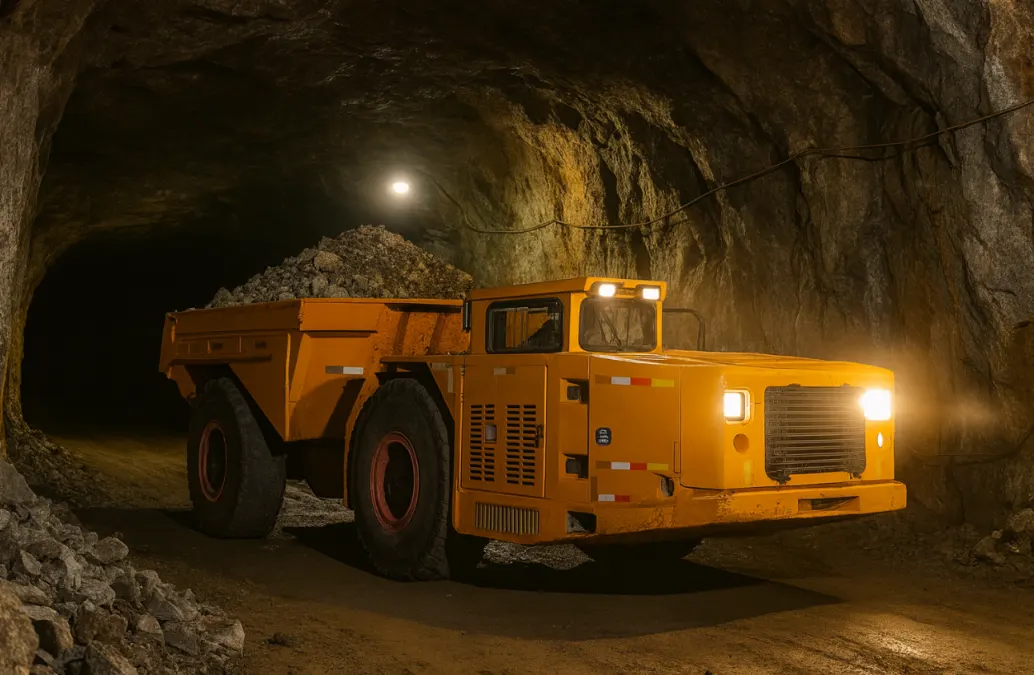
How Smart Dump Trucks Improve Cost per Ton?
Smart trucks help you move more rock with the same crew and tunnel size. Instead of chasing one narrow saving, you attack fuel, time, and wear together.
Fewer Trips With Better Payload Use
If the truck runs close to its rated load more often, you cut light or half-empty runs. Load tracking and guidance at the face both help. Over a shift, fewer but fuller trips raise ore moved while traffic and fuel use stay under control.
Shorter and Cleaner Cycles
Cycle time includes loading delays and congestion at the pass, not just ramp speed. Smart haulage tools show where time leaks out, so you can tweak routes or truck counts on a line. When each underground haul truck runs a simple, repeatable pattern, planning and dispatch work becomes less of a guessing game.
Lower Wear on Tyres and Drivetrain
Controlled acceleration and braking mean fewer shocks into tyres and gears. That reduces parts usage and lifts availability, because the truck spends more of its life working instead of sitting in the shop.
Comparing Smart Mining Trucks With Traditional Haulage Equipment
It helps to compare smart and basic trucks in the same payload class. The table below gives a compact view for the 12 ton segment in metal mines, based on typical specs and public information on haulage trends.
| Feature | Traditional Underground Truck | Smart Underground Truck |
|---|---|---|
| Payload use per trip | Often below rated load | Closer to rated load with better tracking |
| Cycle time consistency | Varies strongly by driver and shift | More stable due to guidance and feedback |
| Fuel and idle control | Manual, higher idle time | Reduced idle, tighter fuel use |
| Maintenance planning | Calendar or simple hour-based | Condition based with live fault data |
| Typical annual downtime | Higher unplanned stops | More planned stops, fewer surprises |
| Safety support | Basic lights and alarms | Added alerts and speed control in key zones |
Over several years, smart units often pull ahead quietly through higher availability and steadier output.
ZONGDA Haulage Solutions for Underground Metal Mines
QINGDAO ZONGDA MACHINERY CO., LTD (ZONGDA) focuses on trackless machines for underground metal ore, not coal, including loaders, dump trucks, locomotives and related systems. Designs follow the real needs of hard rock mines: abrasive ore, steep ramps, and restricted tunnel profiles.
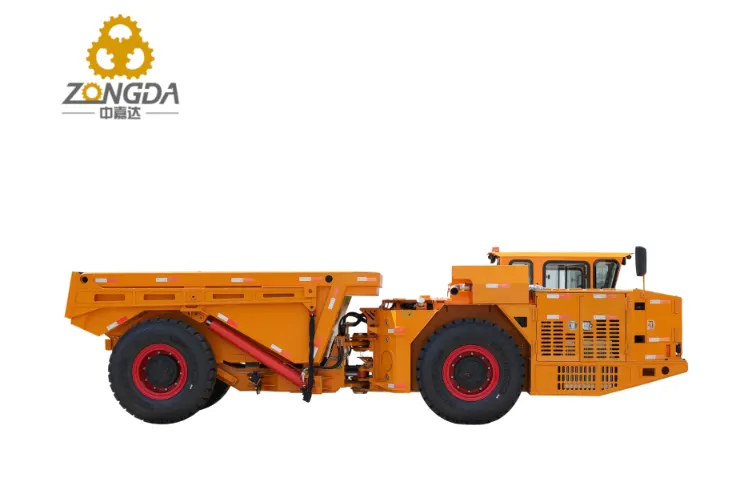
In the 12 ton segment, ZONGDA trucks combine a compact size with a 10 cubic meter box, strong rated load, and climbing capacity suitable for tight underground ramps and crosscuts. Service points are laid out for quick access, which cuts planned downtime and keeps trucks available for ore hauling. For a mine that wants to move toward smarter, cleaner haulage while staying grounded in practical hardware, a 12 ton underground mining dump truck from ZONGDA is a realistic option to place on the shortlist.
FAQ
Q1: Do smart underground trucks only make sense for large mines?
A: No. Even a mid sized metal mine can gain from better cycle data, fuel tracking and smoother driving patterns. A small fleet still shows the change in cost per ton.
Q2: Is smart haulage the same as fully autonomous trucks?
A: Not really. Many mines start with data logging, driver aids and better maintenance planning. Full autonomy comes later, if it fits the site. Each step along the way can bring value.
Q3: How long does it usually take to see savings from smarter trucks?
A: It depends on your starting point, but once data flows and you adjust loading and routing, small gains often appear within a few months and build over one or two budget cycles.
Q4: What should you look at first when choosing a smart underground truck?
A: Check fit to your layout, ramp grades and tunnel size. Then look at payload, service access and how easily the truck connects into your existing planning or fleet systems.
Q5: What is a simple first move if you are not ready for a full smart fleet?
A: Many sites start with one or two units on a key haul route, use the data to tune that line, and then decide whether to roll the same approach out to the rest of the fleet.