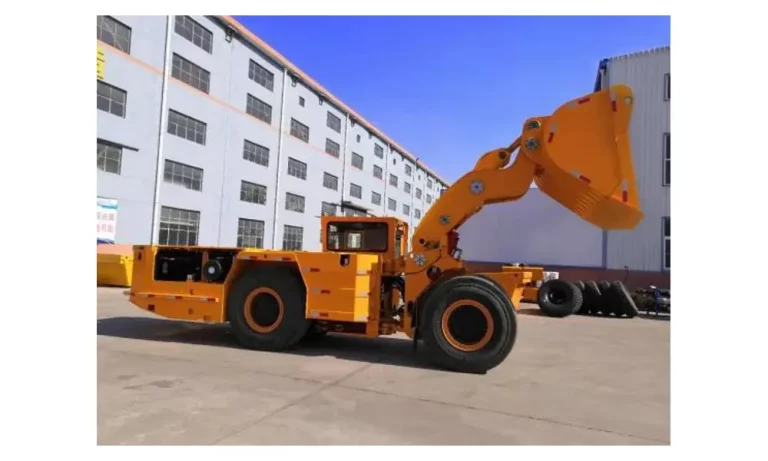
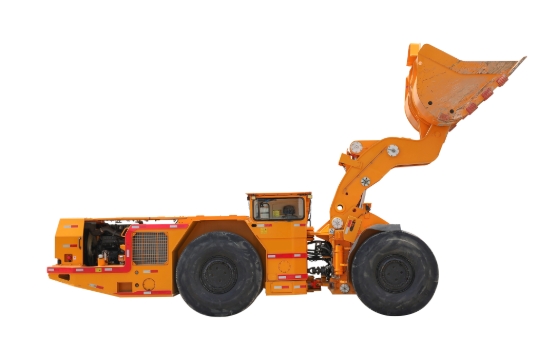
Choosing trackless underground mining equipment starts with the production cycle, not a brochure headline. In a metal mine, an underground loader usually works at the face or loading point, while an underground mining truck carries broken ore or waste over a longer route. Some operations need both. Others can use a loader for short movements and a separate haulage method. The right answer depends on roadway geometry, material, target tonnes, ventilation, grades, dump points and the way the fleet will be maintained.
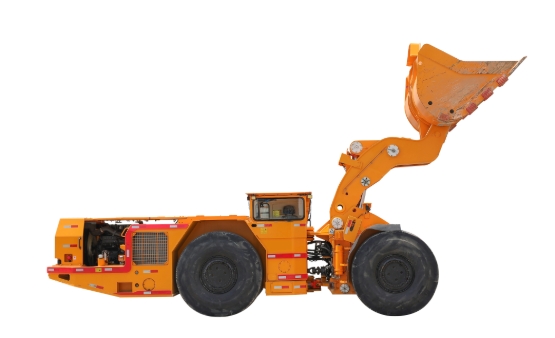
Img.ZDL614 podzemni utovarač 6m³ teški LHD za utovar podzemnih rudnika.webp
What job must the equipment perform?
An underground loader, often called an LHD, loads material into a bucket, carries it over a short distance and dumps it into a truck, ore pass, stockpile or crusher. It is a face machine. Its value comes from getting close to the broken material, filling consistently and turning inside the available heading.
An underground mining truck is a haulage machine. It receives material from a loader and moves it along a defined route. The longer the route becomes, the more important truck payload, loaded braking, gradeability, turning radius and dump arrangement become. A truck can be the correct choice for a long haul, but a truck cannot replace the loader’s face-loading role without changing the entire work cycle.
This role distinction prevents a common procurement mistake: comparing a loader and a truck as if they were interchangeable products. They solve different parts of the same material-flow problem.
When does a matched loader and truck system make sense?
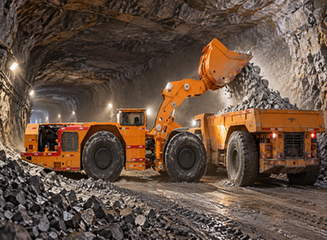
A matched system is useful when the loader can fill the truck in a predictable number of passes and the truck can complete its haul without making the loader wait. If the truck body is too large for the bucket, loading takes too many passes. If the truck is too small, the loader spends time waiting for another cycle. Either mismatch reduces the value of the equipment already underground.
Start with four operating numbers: material density, target payload, average haul distance and tonnes required per shift. Then add the route profile. A short, straight route may allow the loader to handle more of the movement. A longer route with ramps and several passing constraints usually makes the truck’s haulage role more important.
The match must also fit the receiving point. Check dump height, bucket reach, truck body dimensions and the clearance around the loading area. A machine that fits the tunnel but cannot load the receiving unit cleanly still creates a bottleneck.
Which mine conditions decide the specification?
Roadway geometry comes first. Record the narrowest width and height, minimum turning space, ramp grade, floor condition and the clearance required for people and services. The largest opening in the mine is not the design point. The tightest section is.
Material changes the calculation. Loose density, fragmentation, moisture and oversize affect the bucket fill and the payload that can be carried safely. Use the planned material range rather than a single ideal sample. If the mine moves both ore and waste, describe the difference in the RFQ.
The environment matters too. Diesel equipment needs a ventilation plan. Wet or uneven roadways affect traction, braking and tire life. Temperature, altitude, drainage and local emissions rules can change the acceptable configuration. A specification that works in one mine cannot be transferred to another without checking these conditions.
For example, ZONGDA’s published underground truck page gives a 20 t rated load and identifies a tunnel requirement of at least 4.5 m by 4.5 m for that configuration. Treat those figures as model-specific information to verify against the mine survey, not as a general rule for every underground truck. The same discipline applies to loader data on the ZDL717 heavy-duty underground loader page.
How should buyers compare loader and truck options?
The comparison should end with a fleet decision. A loader may be the priority when the face is the constraint. A truck may be the priority when haul distance or route capacity limits production. A matched pair may be appropriate when both loading and haulage are limiting the shift.
What should an RFQ for trackless equipment contain?
Give each supplier the same information:
mine type and material handled;
narrowest roadway width and height;
turning radius or turning-space limits;
maximum grade and road condition;
target tonnes per shift and working hours;
bucket, payload and dump requirements;
average and maximum haul distance;
ventilation, drainage, temperature and altitude;
fuel, emissions, electrical or certification requirements;
existing fleet, service capability and spare-parts expectations.
Ask the supplier to return dimensions, operating limits, drivetrain and brake configuration, maintenance requirements, drawings and the assumptions behind each figure. Keep model data tied to the specific machine. The underground mining vehicles guide is useful for framing these questions because it treats vehicle selection as a mine-system decision.
How can buyers avoid an undersized or oversized fleet?
Do not select the largest bucket or payload first. Test the complete cycle. A large loader may need a wider heading, more ventilation and a different truck body. A large truck may spend too much time waiting if the loader cannot fill it efficiently. A compact pair can produce more consistently when the roadway is constrained.
Review the layout with the mine survey, then compare the planned cycle with the actual shift pattern. Include delays for traffic, inspection, refueling or charging, dumping and repositioning. If a model’s published data does not answer a site question, mark it for technical clarification rather than filling the gap with an assumption.
U ZDL204DH underground loader page and the underground mining truck product page can be used as starting points for model-specific questions. Confirm the current configuration, dimensions and application with the supplier before placing them in a mine specification.
What is the next procurement step?
Prepare one equipment brief for the loader and truck together. Include the tunnel survey, material range, target production, route profile, dump arrangement, ventilation conditions and required documents. Ask for a response that separates confirmed model data from assumptions and options.
If the mine needs a broader equipment review, start with the ZONGDA products page and identify the exact machine class required. Send the mine dimensions, duty cycle, destination country and current fleet information with the enquiry. That gives the engineering team a basis for recommending a loader, truck or matched system without relying on a generic payload comparison.
How should the mine review model-specific data?
Use the supplier response as a controlled technical record. Mark each line as confirmed, optional, assumed or still open. Confirm that the quoted bucket, tire, engine, transmission and brake configuration matches the dimensions used in the production calculation. If the mine has local rules for diesel exhaust, emergency equipment or operator training, list those requirements separately and ask the supplier to identify the documents that support compliance.
A practical review also includes access and maintenance. Check how the machine will be delivered underground, where inspections will take place and how replacement parts will be identified. Keep the model name, revision date and drawing reference beside the quotation. That record makes later service questions easier to answer and prevents a replacement configuration from being treated as the original specification.