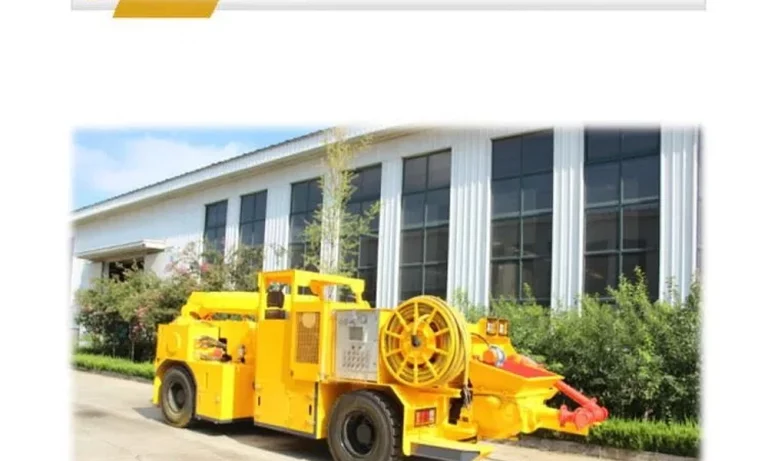
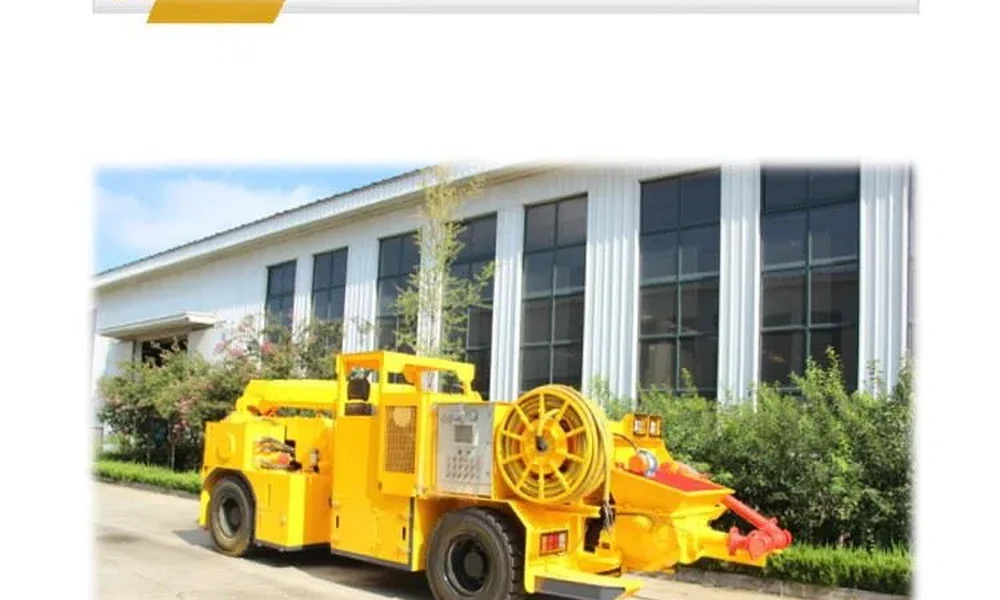
Can the machine get from the portal to the face, and can its arm reach the planned work from the position available? Those are separate checks. Our underground shotcrete spraying machine page lists dimensions, turning radii, pumping figures, and spray reach for ZDPB20T.
There is one detail to settle first: the injection table is headed CSPB20T. We should confirm which model those figures describe before they enter a purchase specification.
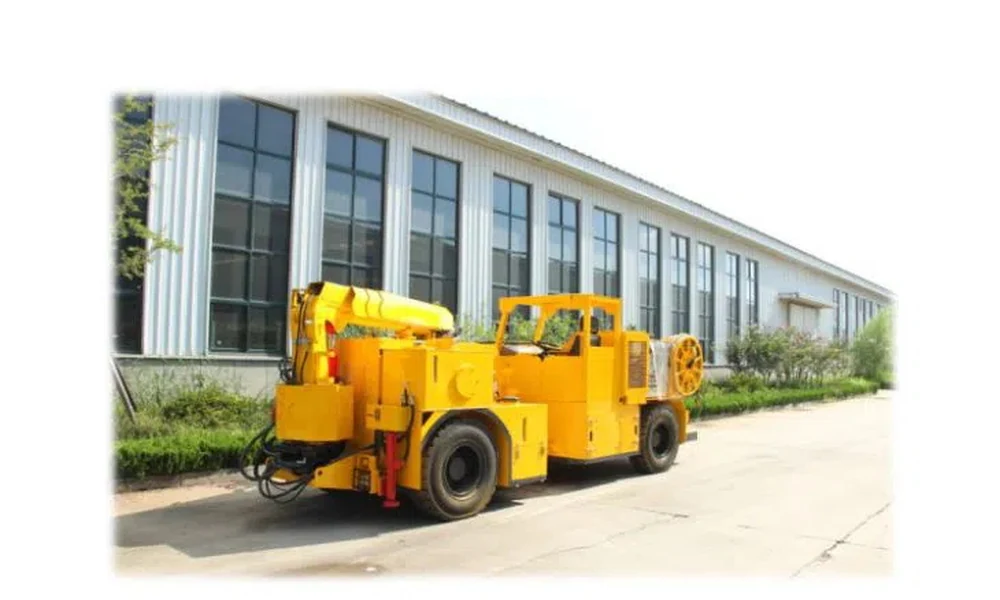
Can the machine clear the full route to the face?
A doorway measurement is a start, not a route assessment. Trace the intended path from the portal to the spraying position on the latest mine plan. Mark the narrowest opening, turns, floor changes, fixed services, and the place where the machine must stop. Add a measured clearance at each point that could constrain the move.
The machine needs room to approach and leave a turn, too; a clear entrance says little about the bend beyond it.
When comparing dimensions, check that the mine and product figures describe the same points. A route drawing may measure an irregular opening between lining, services, and floor. Mark the measurement endpoints and the narrowest usable path. A cable tray or ventilation line can be the controlling obstruction even where the rock opening is wider.
That helps us comment on the real constraint instead of comparing numbers taken from different boundaries.
Our ZDPB20T listing gives overall dimensions of 7,462 × 1,997 × 2,463 mm, plus inside and outside turning radii of 3,870 mm and 6,133 mm. Ask us to confirm the dimension order and which machine points each number covers before using the size as a clearance envelope.
Put these published values next to the mine’s survey measurements. The comparison can show where a supplier review is needed. It does not certify that the machine will pass through a particular heading.
| Page figure | Mine-side comparison | Question for our team |
| Overall width and height | Portal, low points, services | Does the proposed configuration clear the route? |
| Inside and outside turning radii | Measured corner geometry | Is there room to approach, turn, and straighten? |
| Machine position at the face | Work area and traffic plan | Where can the unit park while spraying? |
Use the table to flag where a route needs a closer look, then have the mine team verify those points on site. Put the drawing date and revision on the RFQ copy.
If an old plan supplies a bend measurement, mark it provisional and ask for a fresh check before anyone treats it as available clearance.
A ramp, passing point, or floor transition belongs on the same drawing as the entrance and turns. Mark obstructions that take up working space, then send that route to us for review. If a gradient or operating limit matters to the job, list it as a question for the proposed configuration and site conditions.
Which published injection figures belong to the model?
The page’s injection table lists theoretical pumping capacity of 20 m³/h, maximum particle size of 16 mm, and a 520 L hopper under the CSPB20T heading. The product page identifies ZDPB20T elsewhere. We cannot tell from the page whether the second model name is an editorial error or a separate reference.
Quote both labels in the request. Our written offer should name the model, drawing revision, and configuration being priced so the mismatch is resolved before the purchase specification is approved.
| Published figure | What it can help frame | What remains open |
| Theoretical capacity: 20 m³/h | Output discussion | Expected rate for the mine’s mix and hose arrangement |
| Maximum particle size: 16 mm | Material discussion | Mix details and any other limits for the proposed setup |
| Hopper: 520 L | Feed planning | How material will reach the unit during the work sequence |
The page calls 20 m³/h theoretical and gives no mix, hose length, or operating conditions for that number. Keep it as a catalogue reference, not a shift target. Tell us the planned mix and hose arrangement, then ask for the expected rate and assumptions for that setup.
Engineering can review that response against the project instead of treating the published maximum as a production promise.
Particle size needs the same care. A maximum listed value does not describe the full mix design. Send the material specification the mine has approved, including the measurement method if it matters to the project. If that specification is not ready, label it pending.
We can say what additional information is needed before commenting on the proposed feed setup.
A 520 L hopper gives a volume, not a resupply interval. Add the mine’s planned feed method and work sequence to the request. If material is still being routed to the face, say so; we can identify what information is missing before estimating how the feed arrangement will work.
How far can the arm reach from the selected position?
Our page states maximum spray height of 8 m and maximum spray width of 16 m. It also describes a four-section, three-fold robotic arm and wired or wireless remote control. These values help frame a layout discussion, but a maximum height and width do not show which surfaces are reachable from one parking position.
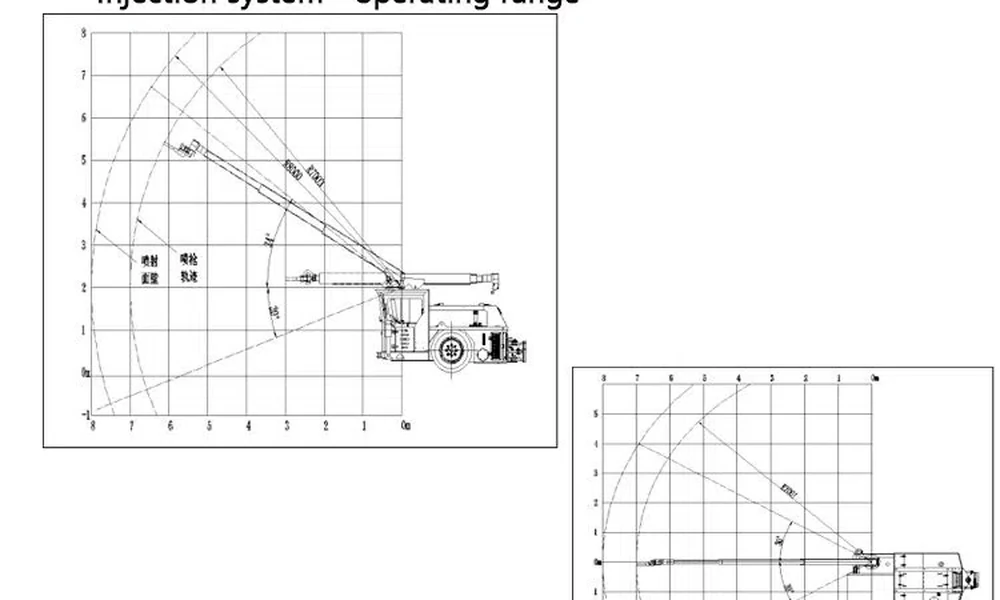
Use a section drawing of the heading. Mark the machine’s proposed position, target surfaces, corners, openings, and services that the arm may need to work around. Then ask us to review the reachable areas from that position and note where the machine may need to move.
If wired or wireless control is specified, identify the option in the offer. The mine team can also note what the operator can see from the planned position; the public listing does not resolve that for a particular heading.
A single maximum number can hide a coverage problem. The far wall may be within the listed width while a corner or fixed service blocks the arm’s path. Mark each required surface on the drawing and ask us to annotate which ones the quoted arm can reach from the proposed position.
Note any surface that may require repositioning so it stays in the layout review.
What should our team confirm in an RFQ?
Send the access plan, a section of the spraying area, and the material information available to the mine team. Identify ZDPB20T and point out the CSPB20T heading above the injection figures. Ask us to confirm the model and configuration, state which published values apply, and list the assumptions behind the offer.
If a mine-side value is still being checked, label it instead of filling it with an estimate.
Label each comparison-sheet item as published, mine-supplied, confirmed in our offer, or still open. Keep the source beside it. A portal width from a current survey and an old bend measurement need different status labels.
If the mine issues a new plan, send the revision to every bidder and keep the earlier replies with their dates.
Buyers comparing adjacent equipment can review our underground concrete spraying truck, podzemni kamion s mješalicom za beton, and underground concrete mixing truck for coal mine. Each is a separate product listing; those pages do not establish that the machines are compatible as one package.
In the quotation request, include the intended spraying area, access drawing, planned material information, and the operating arrangement expected at the face. Ask us to confirm the model mismatch in writing and identify what remains open. When an offer arrives, check its model line against the RFQ first.
If it names CSPB20T, resolve the difference before using the injection figures in a purchase specification. Then compare the quoted dimensions, material assumptions, and arm coverage with the mine brief. Record the drawing revision sent to each bidder and the date of each reply.
If a later plan changes a turn or work position, send the new revision to every bidder. An offer based on an older plan needs an update before costs are compared.