El mercado de repuestos para minería subterránea se está volviendo menos transaccional. Si bien los operadores mineros aún necesitan componentes de reemplazo con rapidez, las decisiones de compra ahora implican compatibilidad, planificación del mantenimiento, riesgo de inventario, documentación y soporte técnico. Un precio de compra bajo tiene poco valor si una pieza no es compatible con la máquina, llega sin la documentación adecuada o falla antes del siguiente período de mantenimiento programado.
Este artículo explica primero las principales tendencias del mercado y luego muestra dónde un fabricante de equipos puede agregar valor práctico. Ejemplos de Zongda Se incluyen aquellos casos en los que sus cargadoras subterráneas, camiones mineros, gama de productos y capacidades de servicio se relacionan directamente con la tendencia. Estos ejemplos muestran cómo los cambios más amplios en las adquisiciones afectan el soporte real de equipos y la planificación de repuestos.
¿Qué está cambiando en el mercado de repuestos para la minería subterránea?
Seis tendencias están transformando la gestión de compras actual. Estas afectan tanto a grandes flotas como a minas más pequeñas, ya que los equipos subterráneos operan bajo cargas repetidas, acceso limitado, polvo, agua, vibraciones, calor y plazos de producción ajustados. El resultado es una mayor demanda de repuestos para equipos mineros que puedan identificarse, documentarse, almacenarse y recibir soporte durante todo el ciclo de vida de la máquina.
| Tendencia del mercado | Qué significa para los compradores | Respuesta práctica en materia de adquisiciones |
| Mantenimiento planificado | Cada vez hay más pedidos vinculados a los intervalos de servicio y a los resultados de las inspecciones. | Separe los consumibles de uso habitual, las piezas de desgaste, los repuestos críticos y los kits de revisión. |
| Compatibilidad específica del modelo | Los nombres de las piezas por sí solos no son suficientes para una correspondencia precisa. | Confirme el modelo, los datos de serie, las dimensiones, las interfaces, la presión, el voltaje y la configuración. |
| Trazabilidad y control de calidad | Los compradores necesitan pruebas de que una pieza es adecuada y reproducible. | Revisión de materiales, mecanizado, inspección, embalaje, registros y gestión de garantías. |
| suministro a nivel de flota | Las minas prefieren pedidos menos fragmentados que se distribuyan entre máquinas relacionadas. | Cree listas coordinadas para cargadoras, camiones, vehículos utilitarios y sistemas fijos. |
| Personalización específica del sitio | Los componentes estándar pueden no ser adecuados para todas las minas o máquinas modificadas. | Seleccione las piezas adecuadas según el ciclo de trabajo, las dimensiones del túnel, la rampa, la carga útil, el polvo, el agua y el clima. |
| Soporte de servicio y logística | La respuesta técnica y la planificación de la entrega afectan al tiempo de inactividad. | Evaluar la comunicación, la documentación, el envío, el servicio de atención al cliente y el control de pedidos repetidos. |
Tendencia 1: El mantenimiento planificado está reemplazando la compra de piezas individuales.
Las compras de emergencia nunca desaparecerán por completo en las minas, pero cada vez más explotaciones intentan reducirlas. La adquisición de piezas está cada vez más vinculada a las horas de funcionamiento, los resultados de las inspecciones, la temperatura de los componentes, los cambios de presión, el ruido anormal, las vibraciones, la respuesta de los frenos, las fugas y los registros de fallos anteriores. Estas señales ayudan a los equipos de mantenimiento a preparar las piezas antes de que se detenga una máquina en la zona de producción.
Esto modifica la forma en que se evalúan los proveedores de repuestos para minería. Un proveedor útil debería poder ofrecer un conjunto de repuestos para mantenimiento rutinario, un paquete de repuestos críticos o una lista de reacondicionamiento, en lugar de limitarse a cotizar el componente que presenta fallas visibles. Es posible que sea necesario revisar conjuntamente filtros, mangueras, sellos, conexiones, sujetadores, placas de desgaste, piezas de freno y componentes eléctricos cuando la misma máquina ya tiene programado su mantenimiento.
Por ejemplo, ZONGDA relaciona el monitoreo de la condición de los camiones con la preparación de piezas en su análisis de Mantenimiento predictivo para camiones de minería subterráneaLa lección práctica va más allá de una sola marca: la información de mantenimiento se vuelve más valiosa cuando se puede convertir en un plan de reemplazo claro y un cronograma de entrega acordado.
Tendencia 2: La compatibilidad cobra mayor importancia que la amplitud del catálogo.
Las piezas de repuesto para minería subterránea suelen tener un aspecto similar en distintas máquinas, pero pequeñas diferencias en dimensiones, puntos de montaje, interfaces hidráulicas, voltaje, software, calidad del material o presión de funcionamiento pueden impedir una instalación correcta. Por ello, los compradores confían cada vez menos en las descripciones genéricas y más en la confirmación específica de cada máquina.
Una solicitud completa debe incluir el modelo del equipo, el número de serie, el número de pieza, fotografías del componente antiguo, la posición de instalación, las dimensiones clave, la presión o el voltaje y una breve descripción de la falla. Para máquinas modificadas, la configuración entregada es más importante que la especificación original del catálogo. Los pedidos repetidos también se benefician de un registro técnico aprobado, de modo que no sea necesario volver a identificar el mismo componente cada vez.
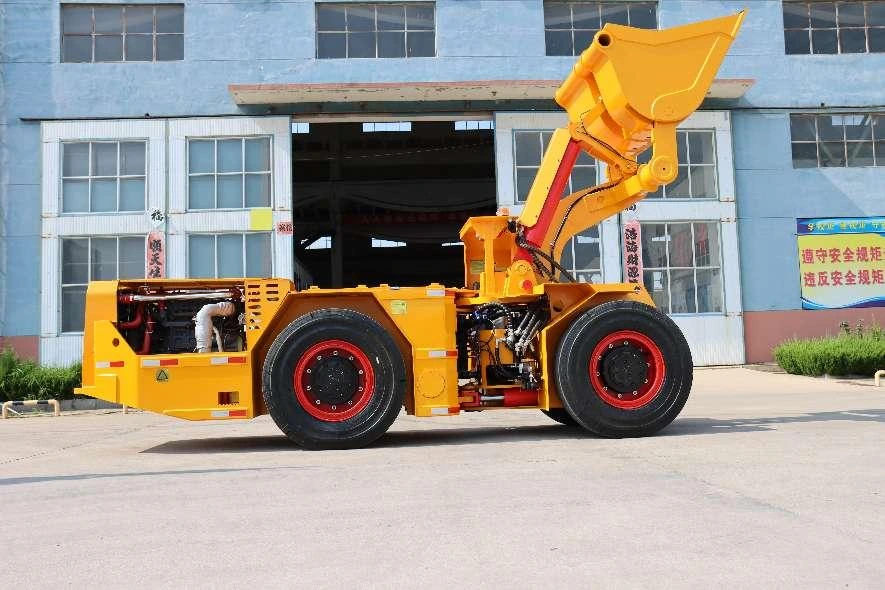
El Cargadora subterránea ZDL204DD Es un ejemplo útil. Sus requisitos hidráulicos, de frenado, transmisión, eje, refrigeración, filtración, sellado y eléctricos deben ajustarse a la máquina y al ciclo de trabajo reales. El valor de trabajar con el fabricante del equipo no reside simplemente en el acceso a más piezas, sino en la capacidad de conectar cada componente al sistema de la máquina en el que opera.
Tendencia 3: La planificación de inventarios se está volviendo más selectiva.
Mantener un inventario completo resulta costoso, mientras que un inventario insuficiente genera riesgos de producción. Por lo tanto, el mercado tiende a una gestión de inventario más selectiva. Los compradores separan los consumibles de alta rotación de los componentes críticos de baja frecuencia, y ajustan los niveles de existencias según el tamaño de la flota, la lejanía de la mina, el plazo de entrega, la severidad de las operaciones y las paradas programadas.
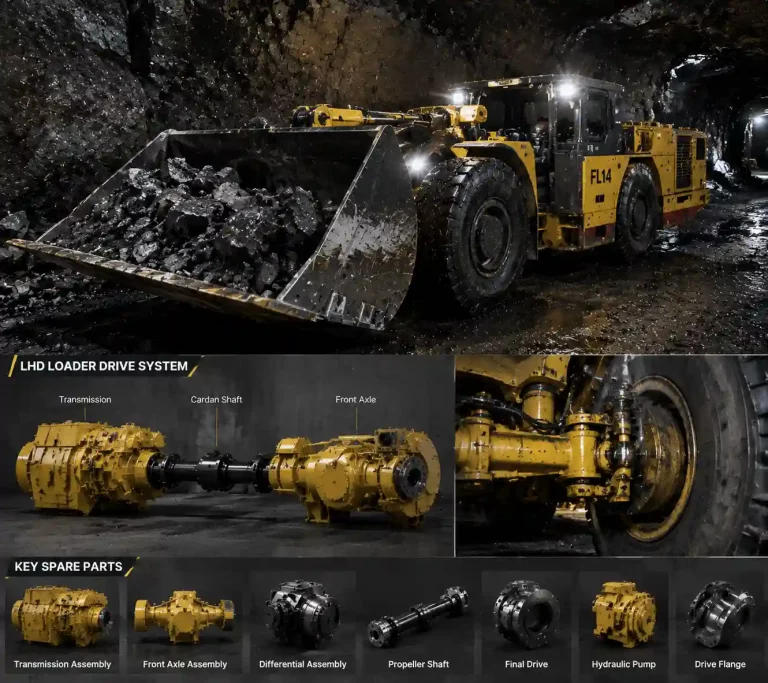
Una estructura de inventario práctica normalmente incluye cuatro grupos. Los consumibles rutinarios abarcan filtros, lubricantes, juntas y artículos de mantenimiento comunes. Las piezas de desgaste incluyen componentes expuestos a abrasión, impacto o movimiento repetido. Los repuestos críticos son piezas cuya falla puede detener la máquina o generar un riesgo para la seguridad. Los componentes de largo plazo pueden ser costosos o de uso poco frecuente, pero requieren una planificación anticipada, ya que su reemplazo no se puede gestionar rápidamente.
La misma lógica se aplica a Repuestos esenciales para la seguridad en la minería subterráneaLos componentes de freno, las mangueras hidráulicas, los neumáticos, los elementos relacionados con la dirección y las piezas de desgaste de la cuchara no deben almacenarse de la misma manera. Su prioridad depende de las consecuencias de una falla, así como de la frecuencia normal de reemplazo.
Tendencia 4: El control de calidad y la trazabilidad están ganando importancia en la lista de verificación.
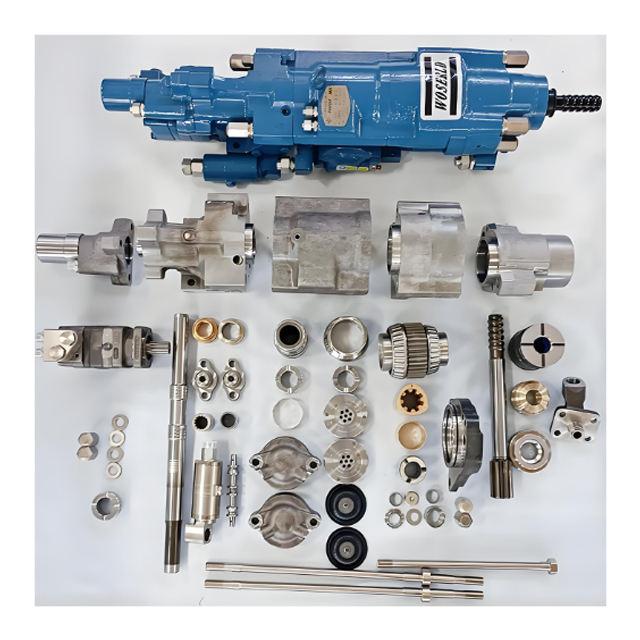
Los compradores prestan cada vez más atención a la información que respalda una pieza de repuesto. Las condiciones de servicio subterráneas exponen los componentes a impactos, calor, polvo, agua, presión y vibraciones, por lo que la apariencia por sí sola no refleja su rendimiento. La selección del material, la precisión del mecanizado, el tratamiento superficial, el ensamblaje, la inspección dimensional, el embalaje y la repetibilidad influyen en el costo real de propiedad.
La trazabilidad también cobra importancia para las compras recurrentes. El comprador debe poder confirmar qué se suministró, cómo se aprobó la especificación, qué puntos de inspección se utilizaron y cómo se gestionará un pedido futuro. Esto no requiere un papeleo excesivo para cada artículo de bajo valor, pero las piezas críticas de los sistemas hidráulicos, de frenado, de ejes, de transmisión, de refrigeración y eléctricos merecen un registro más claro.
La guía de ZONGDA para Calidad de las piezas de repuesto para equipos de minería Se centra en el ajuste, los materiales, la mano de obra, los registros, el conocimiento del proveedor y la estabilidad del suministro a largo plazo. Estos factores son relevantes para cualquier comprador que compare repuestos para maquinaria minera, independientemente de si el pedido inmediato es un solo repuesto o un paquete planificado para toda una flota.
Tendencia 5: Los compradores están consolidando más piezas en toda la flota.
Muchas minas utilizan una combinación de cargadoras subterráneas, camiones, vehículos utilitarios, locomotoras, equipos de ventilación, sistemas de elevación y maquinaria de exploración. Realizar pedidos de cada sistema a través de canales independientes puede generar registros inconsistentes, comunicaciones duplicadas y una gestión de garantías más compleja. Por ello, los compradores buscan proveedores que puedan adaptarse a un contexto operativo más amplio, garantizando al mismo tiempo la exactitud de cada pieza.
La consolidación no implica que un único proveedor deba fabricar todos los componentes. Significa que el proveedor debe comprender la máquina en su totalidad, coordinar la revisión técnica, identificar los repuestos necesarios y mantener un historial útil para pedidos repetidos. El mayor beneficio se obtiene cuando la planificación de repuestos está vinculada tanto a los equipos móviles como a los sistemas fijos que mantienen en marcha la operación subterránea.
de ZONGDA Gama de equipos para minería subterránea Incluye maquinaria sin rieles, locomotoras mineras, sistemas de ventilación, sistemas de elevación y equipos de exploración. Esta cartera proporciona a la empresa una base práctica para analizar las piezas de repuesto en diversas áreas operativas interconectadas, en lugar de tratar cada componente como un producto aislado.
Tendencia 6: Las condiciones del sitio están impulsando un mayor número de pedidos con configuraciones específicas.
Dos minas pueden usar maquinaria similar y aun así tener requisitos de repuestos diferentes. La altura y anchura del túnel, el radio de giro, la pendiente de la rampa, el estado de la carretera, la carga útil, la distancia de transporte, el agua, el polvo, la temperatura, la altitud y el patrón de turnos influyen en el desgaste de los componentes. Una pieza que funciona bien en una operación puede tener una vida útil más corta en otra debido a que el ciclo de trabajo es más exigente.
Esto incrementa la demanda de repuestos para equipos mineros que se ajusten a la configuración de entrega y al entorno operativo real. Los compradores deben registrar cualquier modificación en motores, bombas, válvulas, ejes, componentes de frenado, sistemas eléctricos, neumáticos, dimensiones o controles. Al personalizar el equipo, la lista de repuestos debe revisarse simultáneamente, en lugar de basarse en una lista de modelos estándar.
ZONGDA afirma que los parámetros y especificaciones técnicas de sus vehículos de minería subterránea pueden personalizarse. Para los compradores, es fundamental que esta personalización se extienda a la documentación posventa. La configuración confirmada de la máquina, las interfaces aprobadas y el paquete de repuestos correspondiente deben permanecer integrados durante toda su vida útil.
Tendencia 7: El servicio, la documentación y la entrega forman parte del producto.
Incluso una pieza correcta puede generar problemas si la base del presupuesto no está clara, el embalaje es inadecuado, la documentación de envío está incompleta o no hay asistencia técnica disponible tras la entrega. Esto es especialmente importante en minas remotas, donde un retraso en la aduana o una pregunta sin respuesta sobre la instalación pueden prolongar el tiempo de inactividad mucho más allá del valor del componente en sí.
Por lo tanto, los compradores evalúan tanto la calidad de la respuesta como la capacidad de fabricación. Un soporte útil incluye términos comerciales claros, comunicación realista sobre los plazos de entrega, embalaje adecuado para la pieza, documentación aduanera, procedimientos de garantía, guía de instalación cuando sea necesario y un canal definido para la resolución de dudas técnicas. Los proveedores de repuestos mineros que pueden mantener este proceso tienen más probabilidades de fidelizar a sus clientes.
La información del producto y de la empresa en Sitio web de ZONGDA Describe el soporte integral que abarca I+D, producción, control de calidad, servicio técnico posventa, personalización de equipos, asistencia local y en línea, y proyectos EPC. Estas capacidades resultan más valiosas cuando se aplican a un problema específico del comprador, en lugar de presentarse como afirmaciones generales.
¿Cómo se adaptan los productos de ZONGDA a estas tendencias del mercado?
ZONGDA es especialmente relevante cuando la pieza de repuesto se puede rastrear hasta equipos que la empresa conoce y a los que da soporte. Las cargadoras subterráneas y los camiones mineros generan una demanda constante debido a que sus sistemas hidráulicos, de transmisión, de frenado, de ejes, de refrigeración, de neumáticos, de filtración, de lubricación, de sellado y eléctricos operan durante ciclos repetidos de carga y transporte.
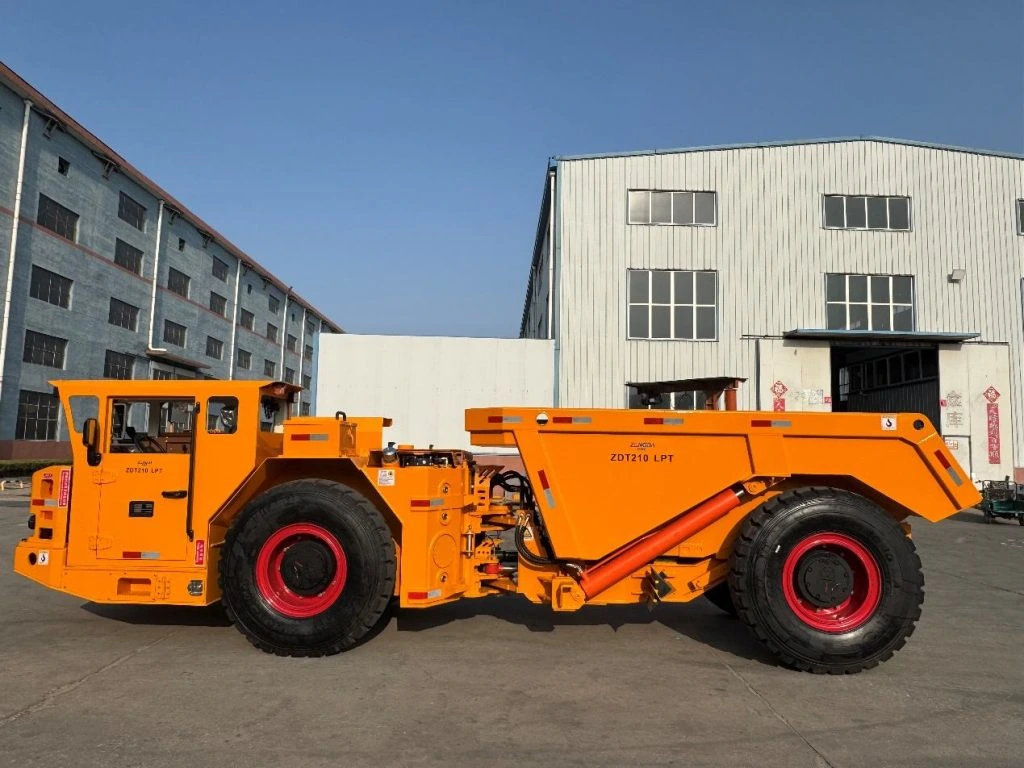
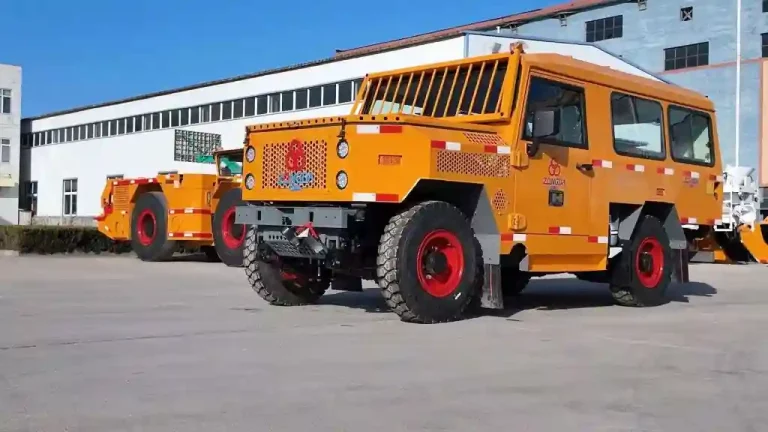
El Camión minero subterráneo ZDT210 Esto ilustra por qué la selección de repuestos debe considerar la carga útil, la rampa, el estado de la carretera, los giros, la frecuencia de frenado, la distancia de transporte y los ciclos de descarga. Un plan de repuestos para camiones basado únicamente en el nombre del modelo puede pasar por alto las condiciones que provocan el desgaste. Un plan mejor combina el registro de la máquina con la información del sitio y el historial de mantenimiento.
El mismo enfoque se aplica a las cargadoras, vehículos utilitarios, locomotoras, sistemas de ventilación, sistemas de elevación y maquinaria de exploración de la empresa. En todas estas categorías, ZONGDA resulta especialmente útil cuando la compatibilidad técnica, la configuración de equipos, la coordinación de la producción o el soporte posventa pueden resolver un riesgo específico en la adquisición de equipos.
¿Qué preguntas deben hacerse los compradores antes de seleccionar un proveedor de repuestos?
Una evaluación equilibrada de proveedores debe poner a prueba tanto el conocimiento del producto como la calidad del servicio. Las siguientes preguntas ayudan a los compradores a comparar ofertas sin basarse únicamente en el precio o la presentación de la marca:
- ¿Puede el proveedor confirmar que la pieza coincide con el modelo exacto de la máquina, los datos de serie y la configuración entregada?
- ¿Qué información está disponible sobre el material, las dimensiones, el mecanizado, la inspección, el embalaje y los registros de pedidos repetidos?
- ¿Puede el proveedor ayudar a separar los consumibles de uso habitual, las piezas de desgaste, los repuestos críticos y los componentes de largo plazo de entrega?
- ¿Cómo se gestionarán las cuestiones técnicas, los problemas de garantía, los documentos de envío y los cambios en la entrega?
- ¿Puede el proveedor revisar las condiciones de la mina y el historial de mantenimiento en lugar de ofrecer un presupuesto de una lista genérica?
Un proveedor no necesita dar la respuesta más extensa a cada pregunta. Lo que sí debe hacer es proporcionar una respuesta clara y técnicamente coherente que pueda verificarse con la máquina y el pedido. Es aquí donde la experiencia con el equipo se vuelve más valiosa que un catálogo extenso pero mal controlado.
¿Cómo pueden los compradores iniciar una reseña de repuestos con ZONGDA?
El punto de partida más eficaz es una solicitud estructurada. Los compradores deben proporcionar el modelo de la máquina, el número de serie, el número de pieza (si está disponible), fotografías, dimensiones, posición de instalación, presión o voltaje, síntomas de falla, horas de funcionamiento y condiciones del sitio. También es útil indicar si la solicitud corresponde a un reemplazo, un kit de mantenimiento rutinario, un paquete de repuestos críticos o un plan de revisión general.
ZONGDA puede entonces revisar la solicitud en función de su Equipo de minería sin pista y una experiencia más amplia con el producto, confirmar si la personalización afecta a la pieza y coordinar los detalles técnicos y comerciales. Para pedidos de equipos nuevos, el paquete de repuestos recomendado debe acordarse junto con la configuración final de la máquina.
Los compradores pueden enviar detalles de la máquina y requisitos del proyecto a través de Página de contacto de ZONGDAProporcionar información completa al principio facilita la elaboración de un presupuesto técnicamente útil y reduce los intercambios de información innecesarios.
Perspectiva final
El mercado de repuestos para minería subterránea se orienta hacia el mantenimiento planificado, la compatibilidad precisa, el inventario selectivo, un mayor control de calidad, la coordinación a nivel de flota, el suministro específico para cada configuración y una mejor gestión posventa. Estas tendencias no restan importancia al precio, sino que lo integran en un análisis más amplio que incluye el tiempo de inactividad, la repetibilidad, el riesgo de entrega y el soporte técnico.
Para los compradores, el mejor proveedor no es necesariamente el que tiene el catálogo más extenso ni la marca con mayor promoción. Es el proveedor que puede explicar la pieza, conectarla a la máquina, documentar la decisión y seguir siendo útil después de la entrega. ZONGDA encaja en este mercado cuando aplica su conocimiento de los equipos y su capacidad de servicio en ese rol práctico de resolución de problemas.
Preguntas frecuentes
- ¿Cuáles son las principales tendencias en repuestos para la minería subterránea?
Las principales tendencias son el mantenimiento planificado, la compatibilidad con modelos específicos, el inventario selectivo, unos registros de calidad más rigurosos, el abastecimiento a nivel de flota, la configuración específica para cada sitio y un soporte posventa más completo. - ¿Qué repuestos debería tener en stock una mina subterránea?
El inventario debe dividirse en consumibles de uso rutinario, piezas de desgaste frecuente, componentes críticos para la seguridad y artículos de largo plazo de entrega. Las cantidades finales dependen del tamaño de la flota, el plazo de entrega, la lejanía, el ciclo de trabajo y el historial de mantenimiento. - ¿Qué información se necesita para confirmar la compatibilidad de las piezas?
Proporcione el modelo de la máquina, los datos de serie, el número de pieza, fotografías, dimensiones, posición de instalación, presión o voltaje, síntomas de falla, configuración de entrega y condiciones relevantes del sitio. - ¿Cómo puede ZONGDA brindar soporte para un pedido de repuestos?
ZONGDA puede revisar las solicitudes relacionadas con sus equipos de minería subterránea, confirmar la compatibilidad técnica y los requisitos de personalización, coordinar la producción y el control de calidad, y proporcionar asistencia técnica posventa local o en línea.