Les opérations en profondeur soumettent le matériel à des conditions extrêmes. L'humidité corrosive, les particules en suspension et les sols rocheux très irréguliers dictent le travail quotidien. L'utilisation de camions commerciaux standard ou légèrement modifiés dans ces zones entraîne des pannes mécaniques immédiates.
Les équipes bloquées nuisent à la productivité des équipes. Sécuriser des installations spécialement conçues à cet effet transport minier souterrain prévient ces goulots d'étranglement et assure la sécurité dans les environnements miniers extrêmes.
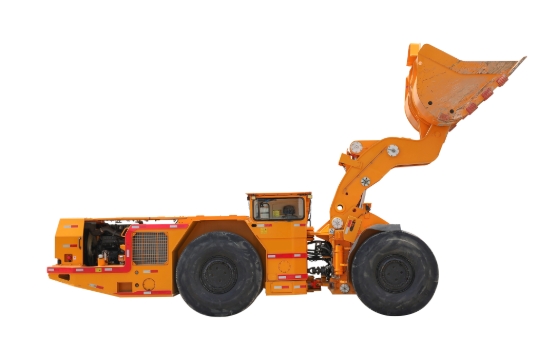
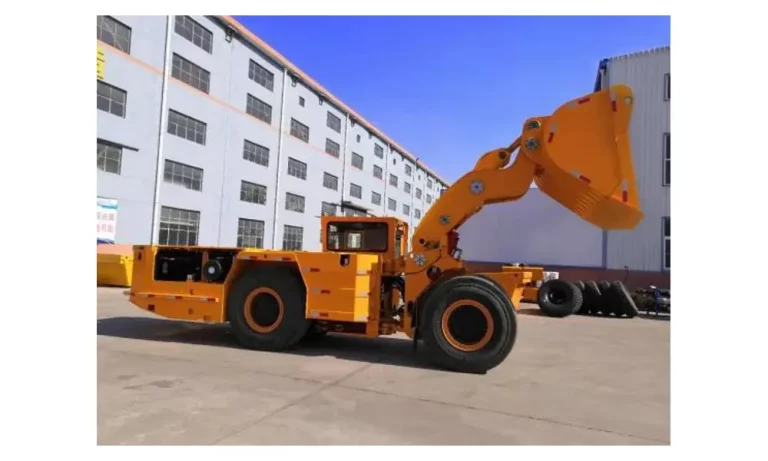
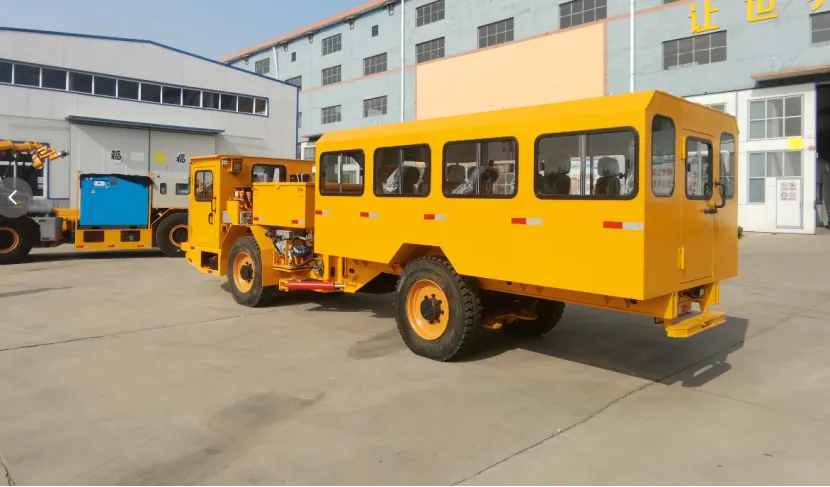
Lors de l'approvisionnement en équipement, collaborer avec des fabricants spécialisés a un impact considérable sur le budget. ZONGDA conçoit des équipements miniers sans chenilles adaptés aux réalités des parois rocheuses actives. Plutôt que d'utiliser des châssis de camions commerciaux standard auxquels on ajoute simplement des pneus renforcés, ZONGDA Ils conçoivent leurs porte-avions de A à Z.
Leurs groupes motopropulseurs et leurs structures renforcées leur permettent d'affronter les conditions les plus difficiles, celles-là mêmes qui mettent à mal les véhicules plus légers. Ils offrent la robustesse extrême nécessaire lorsque les conditions de conduite sont difficiles et les trajets jusqu'aux chantiers longs. L'intégration de ce type d'équipement spécialisé à votre flotte facilite les déplacements quotidiens de vos équipes, sans les pannes mécaniques fréquentes des véhicules standard.
Pourquoi les conditions souterraines extrêmes détruisent-elles les véhicules utilitaires standards ?
Les véhicules utilitaires standards sont conçus pour les routes goudronnées et le soleil. Au fond du puits, l'environnement agresse violemment chaque composant exposé.
Vous êtes confrontés à une eau de mine acide et corrosive qui ronge les essieux métalliques non traités et provoque des courts-circuits dans les systèmes électriques non protégés en quelques mois. Les particules en suspension dans l'air constituent un autre problème majeur pour les mécaniciens.
Cette fine poussière de roche abrasive s'infiltre dans les prises d'air standard, rayant les parois des cylindres et réduisant presque instantanément les performances du moteur. Une défaillance mineure du filtre peut facilement entraîner des fissures structurelles et temps d'arrêt inattendu que votre site ne peut tout simplement pas se permettre lorsque les quotas sont serrés.
Quelles caractéristiques structurelles vous permettent de progresser sur des terrains miniers accidentés ?
Pour gravir des pentes raides et glissantes, il faut repenser entièrement l'architecture des véhicules. Il faut de la masse, de l'adhérence et une ingénierie bien pensée.
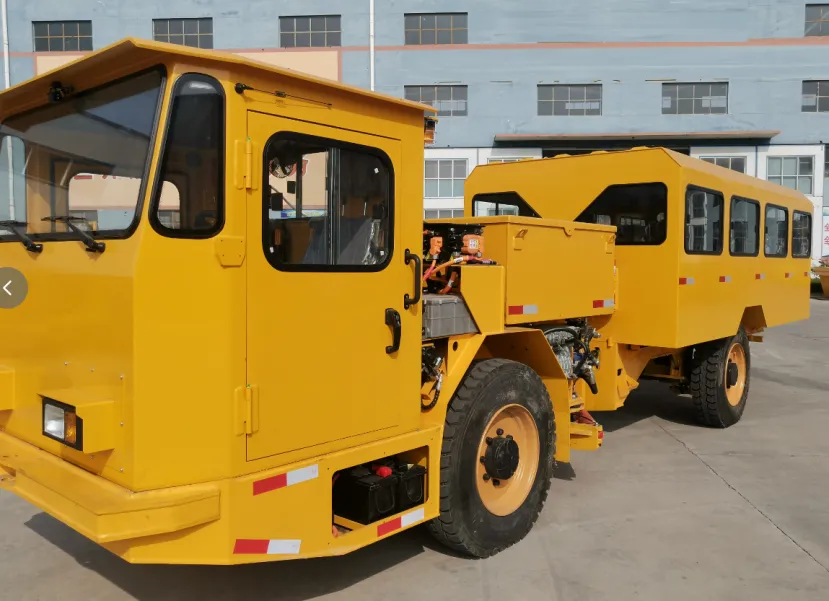
C’est précisément pourquoi les véhicules de transport de troupes robustes sont essentiels au quotidien. Le déploiement d’équipements souterrains sans chenilles spécialement conçus offre un châssis renforcé, une transmission intégrale et une boîte de vitesses à passage de rapports optimisé. Ces configurations garantissent une traction maximale sur roche mouillée.
Les virages serrés et les rampes à plusieurs niveaux étroites présentent des défis spatiaux uniques où les camions standards se retrouvent coincés. Les véhicules équipés de direction articulée Naviguer dans ces espaces restreints sans perdre d'élan ni frotter contre les parois du tunnel. La garde au sol élevée permet à la machine de franchir les débris et les ornières profondes en toute sécurité.
Comment les suspensions avancées protègent-elles l'équipage et la machine ?
Le confort physique a un impact direct sur la sécurité minière et la productivité quotidienne. Un trajet cahoteux et inconfortable a des conséquences bien plus graves que le simple désagrément des passagers arrière.
Les sols rocheux rugueux et inégaux provoquent de graves fatigue de l'opérateurSi vos équipes arrivent sur le chantier épuisées par les 30 minutes de descente de la rampe, leur vigilance diminue. Le risque d'accident augmente immédiatement.
Opter pour des véhicules équipés d'une suspension de qualité industrielle permet d'absorber les chocs importants. Vous bénéficiez ainsi d'une conduite stable et d'un châssis résistant à la fatigue des métaux. L'absorption de l'énergie d'impact prévient également les dommages secondaires aux supports moteur essentiels, évitant ainsi l'immobilisation du véhicule en atelier.
Quelles configurations permettent d'atténuer les risques liés à la poussière et à la faible visibilité ?
L'obscurité totale et les fortes concentrations de particules fines créent des conditions de conduite extrêmement dangereuses. Votre véhicule doit être conçu pour faire face à ces menaces spécifiques.
Dans les zones à visibilité nulle, un éclairage matriciel LED haute intensité est indispensable pour percer l'obscurité et repérer rapidement les dangers potentiels. Il est également crucial de protéger les poumons des employés contre la poussière. Les véhicules équipés de cabines étanches à la poussière et fonctionnant avec des systèmes de surpression bloquent activement l'air nocif.
Le risque de chutes de pierres dans les zones à faible hauteur sous plafond demeure constant d'un quart de travail à l'autre. Choisir des véhicules blindés certifiés ROPS/FOPS offre une protection structurelle renforcée qui préserve la vie des occupants en cas d'effondrement soudain du plafond.
Comment évaluer le véritable retour sur investissement des véhicules de transport de troupes lourds ?
Se fier uniquement au prix d'achat initial d'un véhicule spécialisé donne une image totalement erronée de son coût d'exploitation réel. Il faut considérer son cycle de vie complet et son utilité quotidienne.
Le calcul du retour sur investissement des véhicules utilitaires souterrains ne se limite pas au prix d'achat. Leur robustesse intrinsèque représente un surcoût important à l'achat, comparée à celle des camions légers et standardisés. Cependant, les châssis spécialement conçus à cet effet réduisent considérablement les coûts d'entretien de votre flotte minière.
Des fonctionnalités telles que les programmes de diagnostic électronique des moteurs, les points de graissage centralisés et les ports de ravitaillement facilement accessibles réduisent le temps d'entretien quotidien de plusieurs heures à quelques minutes. Un transport fiable assure la fluidité de vos équipes. Vous rentabilisez rapidement votre investissement initial grâce à une production ininterrompue et à la réduction du temps d'attente des employés.
FAQ (questions fréquentes)
Q1 : Les véhicules de transport de personnel souterrains peuvent-ils transporter à la fois du personnel et du matériel ?
R : Oui. De nombreuses exploitations minières utilisent avec succès des véhicules miniers à double usage. Ces engins sont dotés de châssis modulaires ou de sections arrière renforcées permettant de transporter des pièces de rechange, des outils d'entretien ou des explosifs en même temps que les travailleurs.
Q2 : Comment entretenez-vous les véhicules de transport opérant dans des puits de mine hautement corrosifs ? R : L’entretien courant exige un calendrier très strict. Vos mécaniciens doivent effectuer des lavages anticorrosion spécifiques, graisser quotidiennement les points de pivot et respecter scrupuleusement les échéanciers de remplacement des filtres à air afin de prévenir tout dommage au moteur.
Q3 : Quelles sont les principales certifications de sécurité requises pour le transport souterrain ?
A: Les véhicules lourds doivent être équipés de structures de protection contre le renversement (ROPS) et de structures de protection contre les chutes d'objets (FOPS) pour protéger l'équipage contre les renversements et les chutes de pierres accidentelles dans les zones à faible dégagement.
Q4 : Ces transporteurs lourds sont-ils utiles lors d’urgences souterraines ?
A : Absolument. Dans les situations critiques, ces machines robustes servent également de moyen de transport fiable pour l'évacuation des mines. Elles permettent d'évacuer le personnel rapidement et en toute sécurité lorsque les réseaux électriques ou les systèmes de transport ferroviaire classiques des mines tombent en panne.
Q5 : Pourquoi choisir le diesel plutôt que l'électricité pour le transport dans les mines profondes ?
A: Bien que la technologie des batteries électriques soit en plein essor, les groupes motopropulseurs diesel offrent toujours une autonomie inégalée et des capacités de ravitaillement immédiat dans les environnements isolés et sans voies ferrées où l'infrastructure de recharge souterraine est soit inexistante, soit trop coûteuse à installer.