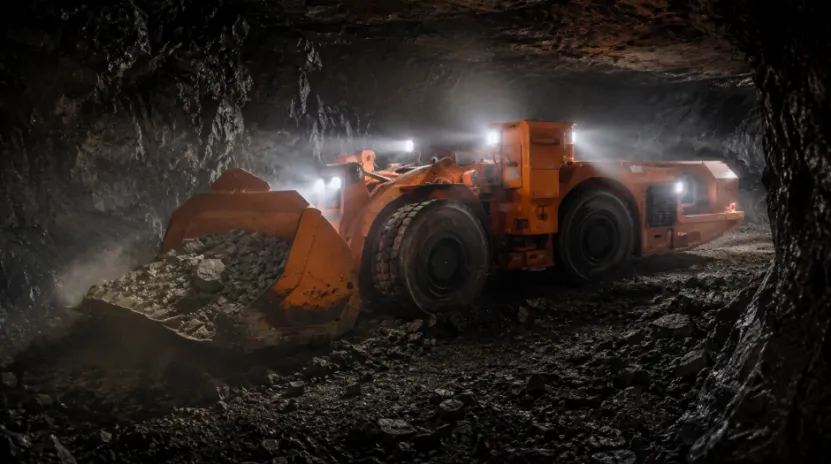

Les travaux intensifs mettent à rude épreuve le matériel minier souterrain, bien plus qu'on ne le pense. Dans les puits profonds, les chargeuses travaillent sans relâche. Elles extraient des pierres, les transportent sur de courtes distances, et recommencent pendant des heures. Pour les responsables de la mine, comprendre l'impact de ces tâches répétitives sur la production est crucial pour éviter les échecs coûteux.
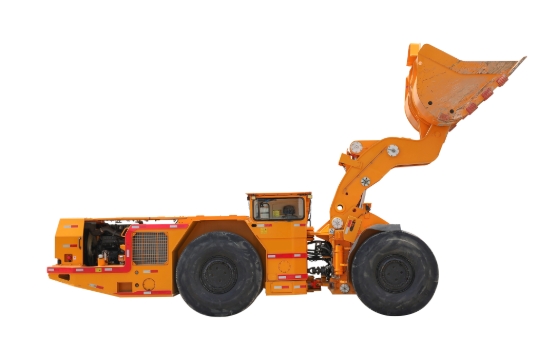
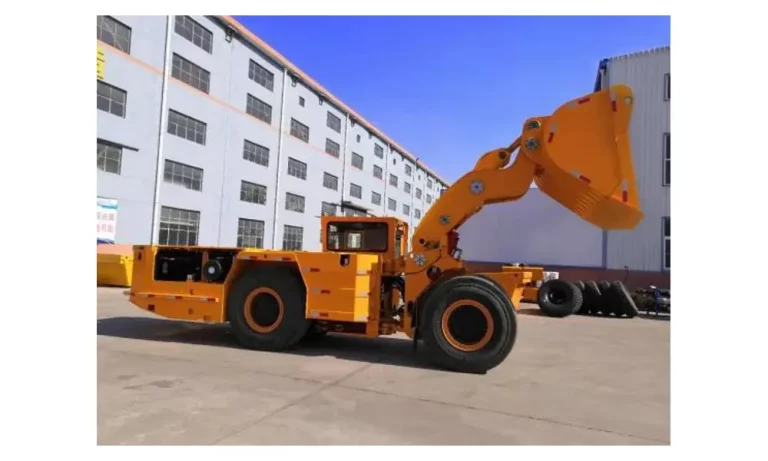
Chargeuses souterraines robustes Les engins comme le ZDL717 subissent de plein fouet ces conditions extrêmes. Ils peuvent transporter des charges de 17 tonnes, se faufiler dans des passages étroits et résister à la poussière, à la chaleur et aux secousses incessantes. Comprendre ce qui se passe réellement lors de ces tournées intensives permet aux responsables miniers d'optimiser la maintenance. Cela contribue également à choisir un équipement durable.
À quoi ressemblent réellement les motos poids lourds sous terre ?
Un cycle d'utilisation intensive typique pour un chargeur souterrain Cette opération consiste à charger la roche ou le minerai extrait par dynamitage, à le transporter jusqu'à un camion ou une galerie de chargement, à le décharger, puis à revenir pour le chargement suivant. Dans les chantiers d'exploitation à forte activité, une seule machine peut effectuer de 80 à 150 cycles par poste.
Chaque cycle sollicite différentes parties de la machine :
- Le godet et les bras de levage supportent des charges d'impact massives.
- La transmission et les essieux supportent des variations de couple répétées.
- Les pneus résistent aux pierres pointues et aux charges lourdes.
- Le moteur force beaucoup sur les rampes et lors des accélérations.
Dans les mines fonctionnant 24 h/24 et 7 j/7, ces véhicules enregistrent souvent entre 5 000 et 8 000 heures d'utilisation par an. Ce type d'utilisation permet de déceler rapidement les points forts et les points faibles de leur conception.
Facteurs clés de performance affectés par les cycles intensifs
Les cycles de travail intensifs dans les mines souterraines créent des contraintes uniques qui affectent presque tous les systèmes majeurs d'une chargeuse. opérations continues à charge élevée Face aux conditions environnementales difficiles, ces facteurs déterminent la durabilité de la machine. La compréhension des points les plus critiques permet aux exploitants miniers d'anticiper l'usure et de planifier une maintenance efficace.
1. Durabilité du moteur et du groupe motopropulseur
Le moteur Cummins QSZ13, équipant des machines comme la ZDL717, offre un couple important à bas régime, ce qui facilite le travail dans les tas de boue. Cependant, un fonctionnement continu à pleine charge entraîne une hausse de la température.
À la longue, des cycles menstruels intensifs peuvent entraîner :
- Usure plus rapide des turbocompresseurs
- Augmentation de la consommation de carburant si les filtres s'encrassent de poussière
- Risque accru de surchauffe dans les zones mal ventilées
Un entretien adéquat du système de refroidissement et une huile moteur de haute qualité font toute la différence.
2. Performances du système hydraulique
Le levage répété de 7 mètres cubes de roche soumet les pompes et les vérins hydrauliques à rude épreuve. La ZDL717 utilise des vérins de levage et d'inclinaison robustes conçus pour ces charges, mais les joints et les soupapes finissent par s'user.
Les opérateurs constatent souvent un ralentissement des cycles après 3 000 à 4 000 heures si l’huile hydraulique n’est pas changée régulièrement ou si des contaminants pénètrent dans le système. Maintenir l’huile propre et à la bonne température contribue à un fonctionnement optimal du godet.
3. Contraintes structurelles et durée de vie de la structure
Les articulations centrales et le châssis robuste supportent les forces de torsion constantes en sous-sol. Des conceptions ingénieuses, comme l'essieu arrière oscillant du ZDL717, contribuent à maintenir la traction sur les sols irréguliers.
Toutefois, des contraintes répétées peuvent provoquer des microfissures si les opérateurs surchargent fréquemment le godet ou heurtent violemment des parois rocheuses. Des inspections régulières du châssis deviennent indispensables après les 4 000 premières heures de fonctionnement.
4. Usure des pneus et des freins
Les pneus miniers sont coûteux. Dans les applications intensives en présence de roches coupantes, leur durée de vie peut atteindre 1 500 à 2 500 heures. La ZDL717 utilise des pneus pneumatiques résistants aux coupures, mais même une charge importante réduit leur durée de vie.
Les freins sont également mis à rude épreuve sur les pentes. Les freins multidisques à bain d'huile offrent de bonnes performances, mais la poussière et l'eau présentes dans le sous-sol nécessitent des contrôles fréquents.
Tableau récapitulatif des impacts du cycle de service intensif
| Composant | Taux d'usure typique (usage intensif) | Problèmes courants | Conseil d'entretien |
| moteur | Haut | Accumulation de chaleur, dégradation de l'huile | Intervalles de vidange d'huile stricts |
| Hydraulique | Moyen-élevé | Fuites d'étanchéité, réponse plus lente | Huile propre + surveillance de la température |
| Pneus | Très élevé | Coupures, usure rapide de la bande de roulement | Rotation et inspection quotidiennes |
| Cadre et articulation | Moyen | Usure articulaire, fatigue | Graisser et inspecter chaque semaine |
| Freins | Haut | contamination par la poussière | Vérifiez régulièrement les plaquettes et le liquide. |
Exemples concrets d'opérations souterraines
Une mine d'or africaine exploitait trois chargeuses souterraines lourdes fonctionnant par roulement de 12 heures. Après six mois de fonctionnement intensif et continu, l'une des machines a commencé à afficher des temps de levage plus longs. L'enquête a révélé une contamination de l'huile hydraulique due à une mauvaise étanchéité lors des remplissages. Après la mise en place de meilleures pratiques, les temps de cycle sont revenus à la normale et la productivité a progressé de près de 15 %.
Dans un autre cas, une mine de cuivre d'Amérique du Sud a constaté une augmentation de sa consommation de carburant après 2 500 heures d'utilisation. Le problème a été attribué à des filtres à air obstrués par des niveaux élevés de poussière. L'installation de préfiltres plus performants et le respect strict des intervalles de remplacement des filtres ont permis de réduire sensiblement la consommation de carburant.
Ces exemples montrent que les performances des machines à usage intensif dépendent autant des habitudes d'entretien que de la conception originale de la machine.
Comment maintenir les performances lors d'opérations intensives

Les équipes expérimentées de maintenance minière suivent plusieurs pratiques clés :
- Inspections visuelles quotidiennes avant chaque quart de travail
- Respect strict des intervalles d'entretien préconisés par le constructeur
- Surveillance en temps réel des températures et des pressions lorsque cela est possible
- Formation des opérateurs aux techniques de cyclage fluide
- Une ventilation adéquate pour réduire l'accumulation de chaleur et de poussière
Les machines comme la ZDL717 fonctionnent de manière optimale lorsque les opérateurs évitent la surcharge et utilisent les techniques de remplissage de godet appropriées. De nombreux exploitants miniers ayant travaillé sur des projets de grande envergure apprécient particulièrement les fabricants comme ZONGDAForte d'une solide expérience dans la fabrication d'équipements et la réalisation de projets miniers complets, ZONGDA possède une connaissance approfondie des contraintes auxquelles les engins souterrains sont soumis au quotidien. Son engagement envers une conception robuste et une fiabilité à toute épreuve en fait un partenaire de choix pour les exploitations recherchant des machines performantes et constantes, même en conditions d'utilisation intensive.
Conclusion
Les travaux intensifs dans les mines souterraines soumettent les engins et les chargeuses à rude épreuve. La chaleur du moteur, la pression des fluides, le transport des matériaux et le frottement des pièces s'accélèrent considérablement dans ces environnements. Cependant, les engins conçus pour ce type d'environnement, correctement entretenus, peuvent assurer un travail constant et robuste.
La prise en compte de ces données permet aux mineurs d'avoir des attentes réalistes. Cela leur permet de planifier plus efficacement les temps d'entretien. Au final, ils obtiennent plus d'heures et de chargements par unité.
Si vous recherchez des chargeuses souterraines robustes pour les zones d'exploitation minière difficiles, des constructions éprouvées visuellement, des pièces solides et un fabricant qui assure un suivi complet de son matériel bien après la livraison.
Questions fréquentes
Combien d'heures une chargeuse souterraine robuste peut-elle fonctionner en cycle continu intensif ?
Bien entretenus, les appareils performants comme le ZDL717 peuvent fonctionner de 8 000 à plus de 12 000 heures avant de nécessiter des réparations majeures. Cela dépend de l'emplacement et du niveau d'entretien.
Quel est le principal facteur de dégradation des performances des chargeuses souterraines dans les applications intensives ?
Une huile moteur sale et un filtre à air défectueux sont souvent à l'origine des problèmes les plus graves. Ces deux éléments entraînent un frottement plus rapide et une baisse de rendement.
L'utilisation de rampes abruptes a-t-elle une incidence significative sur les performances des chargeuses souterraines de forte puissance ?
Oui. Les trajets en côte sollicitent souvent davantage la boîte de vitesses, les freins et le moteur. Choisir le bon rapport et éviter les surcharges facilite les longs trajets.
À quelle fréquence faut-il inspecter les pneus d'une chargeuse souterraine lourde ?
Il est conseillé de faire examiner ses yeux quotidiennement. Un examen plus approfondi est recommandé toutes les 250 à 500 heures. Une pierre ponce pointue peut blesser rapidement.
Les chargeuses souterraines à usage intensif peuvent-elles maintenir de bonnes performances dans des environnements à haute température ?
C'est possible. Mais cela nécessite un système de refroidissement performant et un entretien régulier. Il est crucial de surveiller la température du moteur et du fluide au-delà de 30 °C.