Ստորգետնյա հանքարդյունաբերության OEM պահեստամասերը ձեզ փաստաթղթավորված ուղի են տալիս մեքենայի կոնֆիգուրացիային վերադառնալու համար: Երբ մասի աղբյուրը, մասի համարը, վերանայումը և կիրառումը ստուգվեն, դուք կարող եք համապատասխանեցնել փոխարինողը՝ համապատասխանեցնելով սարքավորումների ինտերֆեյսներին, բեռնվածքին և սպասարկման պայմաններին: Ստորգետնյա մետաղական հանքում սխալ բաղադրիչը կարող է առաջացնել լրացուցիչ հեռացման, ստուգման և տեղադրման աշխատանքներ: Վերանայեք անուղղորդ հանքարդյունաբերական սարքավորումների շարք նախքան մասերի հայտ պատրաստելը։
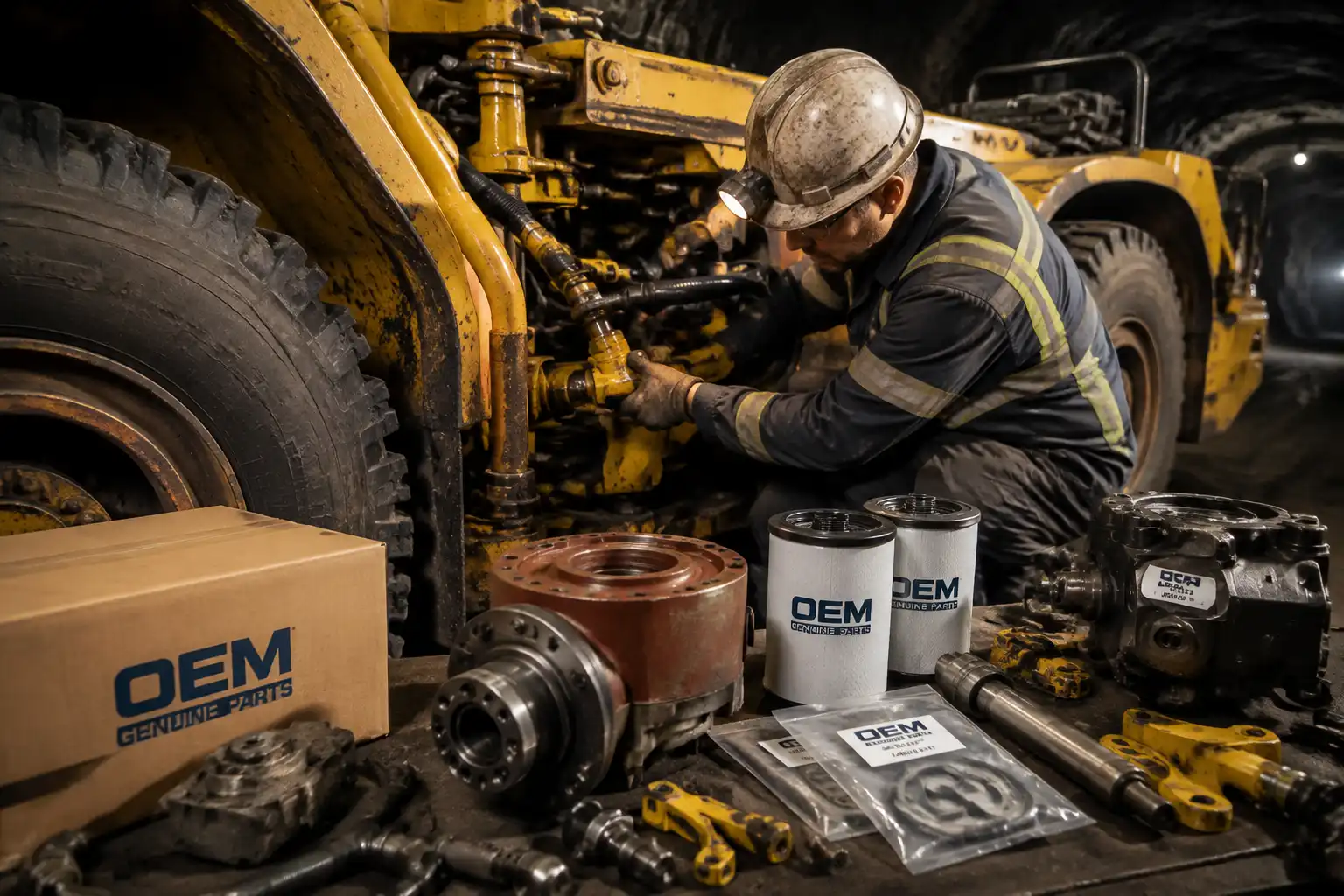
«OEM» տերմինը պահանջում է հստակ ստուգում: Որոշ մատակարարներ այն օգտագործում են սկզբնական սարքավորումների արտադրողի կողմից պատրաստված մասի համար: Մյուսները՝ մեքենայի արտադրողի պահանջներին համապատասխան սկզբնական մատակարարի կողմից պատրաստված բաղադրիչի համար: Հարցրեք, թե ով է արտադրել մասը, որ պահանջներն են այն վերահսկում և որ փաստաթղթերն են հաստատում համապատասխանությունը:
Ինչո՞ւ է կարևոր մասամբ համապատասխանությունը ստորգետնյա հատվածին։
Ստորգետնյա սարքավորումները համատեղում են բարձր բեռնվածություն, սահմանափակ մուտք, հիդրավլիկ հզորություն և պահանջկոտ աշխատանքային ցիկլեր: Համապատասխանությունը աշխատանքային պահանջ է: Մասը պետք է համապատասխանի մեքենայի հավաքման ֆիզիկական ինտերֆեյսին և շահագործման դերին:
Ճիշտ միջերեսներ և չափսեր
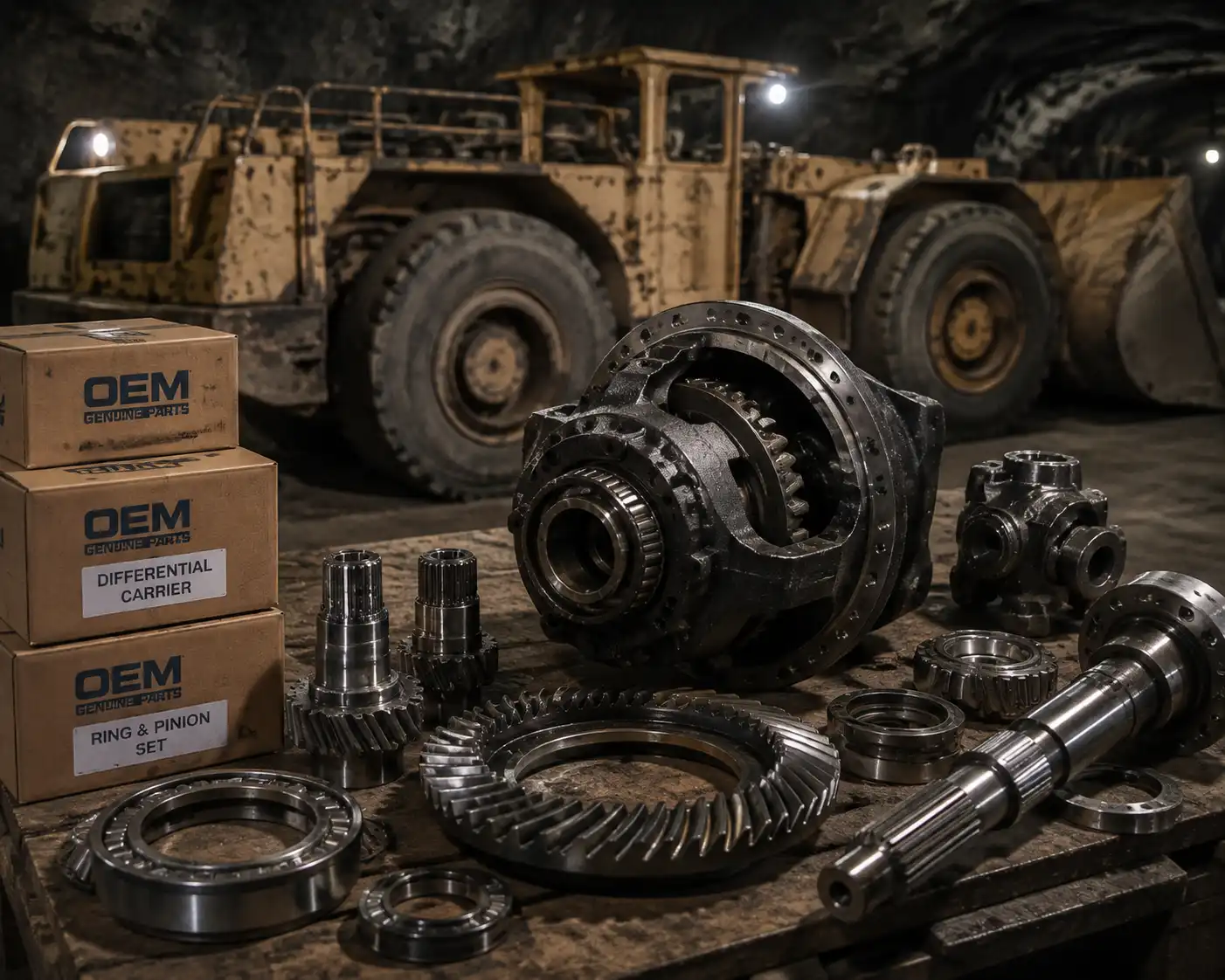
OEM մասը ընտրվում է հայտնի ինտերֆեյսի հիման վրա՝ առանցքի պատյան, դիֆերենցիալի կրող, հիդրավլիկ շղթա, փոխանցման տուփ, արգելակի հավաքածու կամ ամրացման կետ: Մատակարարված FL04 մասերը օգտակար օրինակ են ծառայում: DIFF-0017-ը նկարագրված է հետևի առանցքի համար, մինչդեռ DIFF-0018-ը նկարագրված է առջևի առանցքի համար՝ NO SPIN միավորով: Երկուսն էլ դիֆերենցիալի և կրողի հավաքածուներ են, սակայն դրանց կիրառման դիրքերը տարբեր են:
Այդ տարբերակումը կօգնի ձեզ խուսափել պատվիրման տարածված սխալից՝ նմանատիպ տեսք ունեցող հավաքածուն որպես փոխարինելի համարելուց: Փոխարինող դիֆերենցիալի համար ուղարկեք մեքենայի մոդելը, առանցքի մոդելը, մասի համարը, սերիական համարը, լուսանկարները և բանալու չափսերը: Այնուհետև մատակարարը կարող է ստուգել մոլորակային ատամնանիվների կրողը, կիսա-լիսեռային ատամնանիվների դասավորությունը, պատյանը և ամրացնող միավորը՝ համապատասխանեցնելով դրանք պահանջվող կիրառմանը:
Անհամապատասխանության հետ կապված ուշացումների նվազում
Սխալ պահեստամասը պետք է ստացվի, նույնականացվի, հեռացվի աշխատանքից և փոխարինվի մեկ այլ ապրանքով: Մեքենան կարող է նաև երկրորդ ստուգման կարիք ունենալ, նախքան արտադրության վերադառնալը: OEM մատակարարման ուղին սպասարկման թիմին տալիս է որոշակի տեխնիկական բնութագրեր, որոնք պետք է վերանայվեն գնումից առաջ:
Պաշարները, արտադրության ժամանակը, արտահանման փաստաթղթերը և տեղափոխումը դեռևս ազդում են առաքման վրա: Առավելությունն այն է, որ այդ քայլերը սկսելուց առաջ ավելի հստակ տեխնիկական որոշում կայացվի:
Ի՞նչ գործառնական առավելություններ կարող են ապահովել OEM մասերը:
OEM արժեքը երևում է սպասարկման գրառումներում, սարքավորումների կազմաձևման և պլանավորման մեջ: Առավելագույն առավելությունները վերաբերում են այն մասերին, որոնց տեղադրումը, բեռը կամ կառավարման գործառույթը ազդում են ամբողջ մեքենայի վրա:
Փաստաթղթավորված տեխնիկական բնութագրեր և հետագծելիություն
OEM փաստաթղթերը կարող են կապել մասը մոդելի, գծագրի, վերանայման, նյութական պահանջի կամ ստուգման գրառման հետ: Այդ մանրամասները նպաստում են ստուգման ստացմանը, ապագա վերապատվերներին և մեքենայի պատմության գրառումներին:
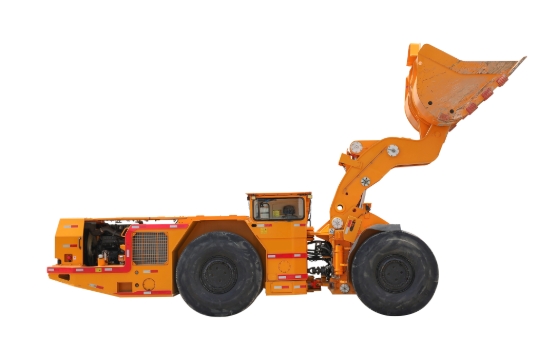
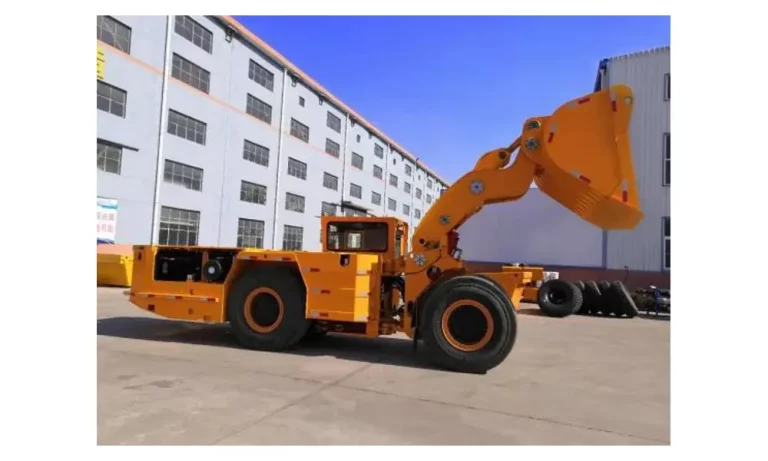
Ստորգետնյա բեռնիչի դեպքում գրառումը կարող է անհրաժեշտ լինել միասին ներառել փոխանցման համակարգը և հիդրավլիկ համակարգը: ZDL307 տեխնիկական բնութագրում նշված են DANA R32000 շարքի ավտոմատ փոխանցման տուփը, DANA C270 պտտող մոմենտի փոխարկիչը և DANA 16D փոխանցման առանցքը: Փոխարինող բաղադրիչը պետք է ստուգվի այդ մեքենայի կոնֆիգուրացիայի և դրա ճշգրիտ հավաքման դիրքի համեմատ: «Բեռնիչի մասեր» ընդհանուր պիտակը չի տրամադրում այդ մանրամասները:
Ավելի կանխատեսելի սպասարկման պլանավորում
Մասի հայտնի ինքնությունը նպաստում է պլանավորված աշխատանքին: Դուք կարող եք պատրաստել բարձրացնող սարքավորումները, կնիքները, հեղուկները, գործիքները և ստուգման քայլերը սահմանված հավաքման շուրջ: Սպասարկման պլանավորողը կարող է խմբավորել կրկնվող պահանջները մոդելի և առանցքի համաձայն՝ սպասարկման պատուհանից առաջ:
Հասանելիությունը մնում է առանձին հարց: Գնանշման հետ միասին պահանջեք հաստատված ժամկետը, փաթեթավորման մանրամասները, ստուգման փաստաթղթերը և առաքման պայմանները: Պահեք այդ գրառումները մեքենայի պատմության հետ միասին, որպեսզի հաջորդ պատվերը սկսվի օգտագործելի տեղեկատվությամբ:
Ավելի լավ համապատասխանություն մեքենայի կոնֆիգուրացիայի հետ
Մասը պետք է համապատասխանի մեքենայի աշխատանքին և միջավայրին: ZDL307-ը 7 տոննա անվանական բեռնվածությամբ անուղղորդ դիզելային բեռնիչ է՝ 3 մ3 լի դույլով: Դրա տեխնիկական տվյալները նաև ներառում են թաց բազմասկավառակային աշխատանքային արգելակ, զսպանակավոր կայանման արգելակ, կենտրոնական հոդակապային ղեկ և 24 Վ հաստատուն հոսանքի էլեկտրական համակարգ: Այս մանրամասները նկարագրում են այն ինտերֆեյսները և բեռնվածությունները, որոնք պետք է սպասարկի փոխարինող մասը: Տես՝ ստորգետնյա բեռնիչի կիրառություն երբ հարցումը վերաբերում է ձախակողմյան բեռնատարների նավատորմին։
Ձեր շահագործման պայմանները նույնպես կարևոր են: Նշված ZDL307 կիրառումը ներառում է առնվազն 4 մ x 4 մ թունելի հատված, մինչև 14 աստիճան ճանապարհի թեքություն, օդափոխություն և ջրահեռացում, -5°C-ից մինչև 40°C ջերմաստիճան և մինչև 1000 մ բարձրություն: Այս պայմանները ներառող մասի հարցումը մատակարարին օգտակար տեղեկատվություն է տրամադրում նյութերի, կնքման, սառեցման և տեղադրման ստուգման համար:
Արդյո՞ք OEM պահեստամասերը միշտ լավագույն ընտրությունն են։
OEM-ը մատակարարման կատեգորիա է, մինչդեռ ճիշտ ընտրությունը կախված է բաղադրիչից, ապացույցներից և մեքենայի վիճակից: Գործնական վերանայումը տարբերակում է այն մասերը, որոնք վերահսկում են համապատասխանությունը կամ անվտանգությունը, այն մասերից, որոնք ենթարկվում են պարբերաբար մաշվածության:
Համեմատեք անվտանգության համար կարևոր և մաշվածության ենթակա իրերը առանձին-առանձին
| Մասերի խումբ | Վերանայման ուշադրության կենտրոնում | Հարցման ենթակա տեղեկատվություն |
| Դիֆերենցիալ, կրող, առանցք, արգելակ, ղեկային և կառավարման հավաքույթներ | Ինտերֆեյս, բեռնման ուղի, վերանայում և մեքենայի կոնֆիգուրացիա | Նկար կամ մասի համար, կիրառում, ստուգման արձանագրություն և համատեղելիության հաստատում |
| Հիդրավլիկ, փոխանցման տուփի և պտտող մոմենտի փոխարկիչի բաղադրիչներ | Ճնշման, հոսքի, մոնտաժի, միակցիչի և տրամաչափման պահանջներ | Մոդել, տեխնիկական բնութագրեր, կնիքներ, միացքներ և փորձարկման տեղեկատվություն |
| Սովորական մաշվածության իրեր, ինչպիսիք են կնիքները, խողովակները և արգելակային ծախսվող նյութերը | Չափսը, նյութը, սպասարկման միջակայքը և տեղական սպասարկման պրակտիկան | Չափերը, նյութը, քանակը և նախատեսված օգտագործումը |
Այս մոտեցումը ձեզ հնարավորություն է տալիս համեմատել իրական, OEM-ի կողմից մատակարարված և որակավորված հետվաճառքային պահեստամասերը հետևողականորեն, երբ ապացույցները հաստատում են այդ համեմատությունը։
Ստուգեք աղբյուրը նախքան գնելը
Խնդրեք մատակարարին նշել արտադրության աղբյուրը և մասի նույնականացումը: Ստուգեք ճշգրիտ մոդելը, սերիական շարքը, փոխարինված համարը, վերանայման, քանակի և ստուգման փաստաթղթերը: Կարևոր հավաքման համար հարցրեք, թե ինչպես է մատակարարը հաստատում համապատասխանությունը:
Գնանշման մեջ «OEM» բառը տեխնիկական փաստաթուղթ չէ: Աղբյուրը, տեխնիկական բնութագրերը և կիրառման գրառումը օգտակար ապացույցներ են:
Ինչպե՞ս պատվիրել OEM ստորգետնյա հանքարդյունաբերության պահեստամասեր:
Լավ նույնականացումը նվազեցնում է ձեր առաջին հարցման և վերջնական գնանշման միջև ընկած հարցերի քանակը: Կարճ, ամբողջական հարցումը նաև օգնում է մատակարարին տարբերակել մետաղական հանքի անուղղորդ սարքավորումները երկաթուղային կամ ածխահանքի սարքավորումներից:
Ուղարկեք ճիշտ նույնականացման տվյալները
Ներառել՝
- Մեքենայի մոդելը և սերիական համարը։
- Շարժիչի, փոխանցման տուփի, պտտող մոմենտի փոխարկիչի, փոխանցման առանցքի կամ հիդրավլիկ մոդելը՝ համապատասխանության դեպքում։
- Սկզբնական մասի համարը և ցանկացած փոխարինված համարը։
- Քանակը, պահանջվող առաքման վայրը և նախընտրելի առաքման ամսաթիվը։
- Մասի, անվանական ցուցանակի, ամրացման մակերեսի, միացումների և մաշվածության հատվածների հստակ լուսանկարներ։
- Հիմնական չափերը, շահագործման ախտանիշները և հավաքման դիրքը։
Դիֆերենցիալի կամ կրիչի համար նշեք առջևի, թե՞ հետևի առանցքը և արդյոք տեղադրված է NO SPIN միավոր: Ստորգետնյա բեռնիչի համար նշեք մեքենայի կոնֆիգուրացիան և հանքի աշխատանքային պայմանները: ընկերության կայքէջ տրամադրում է այս ստուգման համար սարքավորումների ավելի լայն համատեքստը։
Հաստատեք շահագործման պայմանները
Նշեք, թե հանքը մետաղական է, թե ոչ ածխային, և արդյոք տրանսպորտային միջոցը անուղղելի է։ Ավելացրեք ճանապարհի լայնությունն ու բարձրությունը, շրջադարձի շառավիղը, թեքությունը, օդափոխությունը, ջերմաստիճանը, խոնավությունը, բարձրությունը և վառելիքի պայմանները, երբ դրանք ազդում են մեքենայի վրա։
Ածխահանքային սարքավորումները հետևում են առանձին անվտանգության ուղու: Մատակարարված մարտկոցային շոգեքարշի տվյալները վերաբերում են գազի և փոշու պայթյունի վտանգ ունեցող հանքերի համար նախատեսված պայթյունապաշտպան հատուկ սարքավորումներին: Դիզելային անռելս մետաղական հանքի բեռնիչը չպետք է ներկայացվի որպես ածխահանքային մեքենա՝ առանց մոդելին հատուկ պայթյունապաշտպանության և հաստատման ստուգումների:
Ի՞նչ կարող եք ակնկալել մասնագիտացված մատակարարից։
Մասնագիտացված մատակարարը կարող է պահեստամասի հարցումը կապել սարքավորումների կիրառման հետ։ Այդ կապը կօգնի ձեզ անցնել ընդհանուր մասի նկարագրությունից մոդելի, հավաքման դիրքի և ապացույցների հավաքածուի։
Սարքավորումների և մասերի տեխնիկական համապատասխանեցում
**Qingdao Zongda Machinery Co., Ltd.-ի մասին** ZONGDA-ն կենտրոնանում է ստորգետնյա հանքարդյունաբերության անուղղակի սարքավորումների և ստորգետնյա մետաղական հանքարդյունաբերության համար նախատեսված փոխարինող մասերի վրա: Դրա մատակարարվող տեխնիկական տեսականին ներառում է ZDL307 դիզելային ստորգետնյա բեռնիչը, ZDPC-22H 22 հոգանոց դիզելային անձնակազմի փոխադրիչը և FL04 առջևի և հետևի առանցքի դիֆերենցիալների և փոխադրիչների հավաքածուները: Այս տեսականին գնորդներին հնարավորություն է տալիս մեկ սարքավորումների համատեքստում քննարկել բեռնիչը, բեռնատարը, փոխանցման համակարգը և փոխարինող մասերի պահանջները: Ապրանքի ընտրությունը դեռևս կախված է մեքենայի մոդելից, հանքի պայմաններից և մասերի նույնականացման մանրամասներից:
Գործնական խնդրանք ձեր նավատորմի համար
Ուղարկեք մեքենայի և մասի տեղեկատվությունը ձեր հարցման հետ միասին՝ ZONGDA ապրանքատեսականինՀստակ հարցումը կարող է ներառել բաղադրիչի դիրքը, մասի համարը, սարքավորումների մոդելը, շահագործման միջավայրը, քանակը և առաքման վայրը: Այնուհետև պատասխանը կարող է կենտրոնանալ տեխնիկական համապատասխանության և հաջորդ ստուգման քայլի վրա:
Հաճախ հարցեր
Հարց 1. Ի՞նչ են OEM ստորգետնյա հանքարդյունաբերության պահեստամասերը: Պատասխան. Դրանք մասեր են, որոնք արտադրվում են սկզբնական սարքավորումների արտադրողի կամ սկզբնական մատակարարի կողմից՝ մեքենա արտադրողի պահանջներին համապատասխան: Գնելուց առաջ ստուգեք արտադրության աղբյուրը, մասի ինքնությունը, վերանայումը և կիրառումը:
Հարց 2. Արդյո՞ք OEM մասերը նվազեցնում են ստորգետնյա հանքարդյունաբերության պարապուրդը: Պատասխան. Դրանք կարող են նվազեցնել անհամապատասխանությունները, վերամշակումը և կրկնակի տեղադրման ստուգումները, երբ մասը ճիշտ է նույնականացվում: Պարապուրդը կախված է նաև ախտորոշումից, պաշարներից, լոգիստիկայից և տեղադրման որակից:
Հարց 3. Արդյո՞ք OEM մասերը տարբերվում են բնօրինակ մասերից: Պատասխան. Առևտրային օգտագործումը տարբեր է: Բնօրինակ մասերը սովորաբար կրում են մեքենա արտադրողի ապրանքանիշը և փաթեթավորումը, մինչդեռ OEM-ը կարող է դիմել լիազորված բնօրինակ մատակարարին: Հարցրեք, թե ով է պատրաստել մասը և որ տեխնիկական բնութագրերն են այն համապատասխանում:
Հ4. Ի՞նչ մանրամասներ են անհրաժեշտ բեռնիչի պահեստամասը նույնականացնելու համար: Պատասխան. Նշեք մեքենայի մոդելը, սերիական համարը, առանցքի կամ փոխանցման տուփի մոդելը, սկզբնական մասի համարը, լուսանկարները, չափսերը, քանակը, հավաքման դիրքը և հանքի կիրառումը:
Հարց 5. Կարո՞ղ է նույն մասը օգտագործվել մետաղական և ածխային հանքերում: Պատասխան. Համատեղելիությունը կախված է մոդելից և անվտանգության պահանջներից: Ածխային հանքերի կիրառությունները կարող են պահանջել պայթյունապաշտպան կառուցվածք և հաստատման ստուգումներ, ուստի անուղղանի մետաղական հանքի մասը չպետք է փոխանցվի տարբեր կիրառությունների առանց տեխնիկական հաստատման: