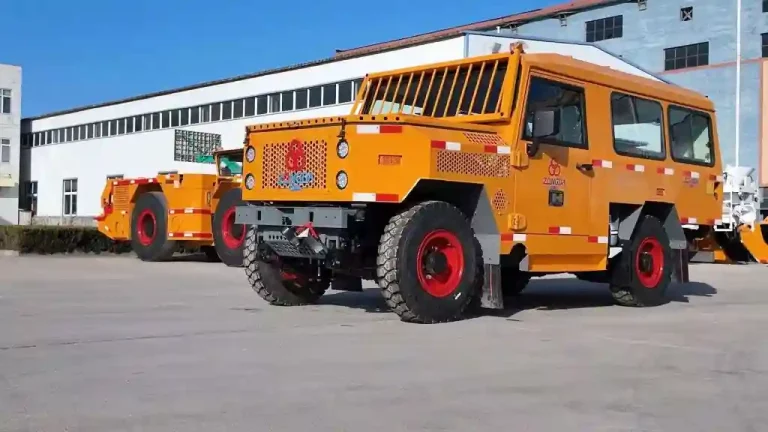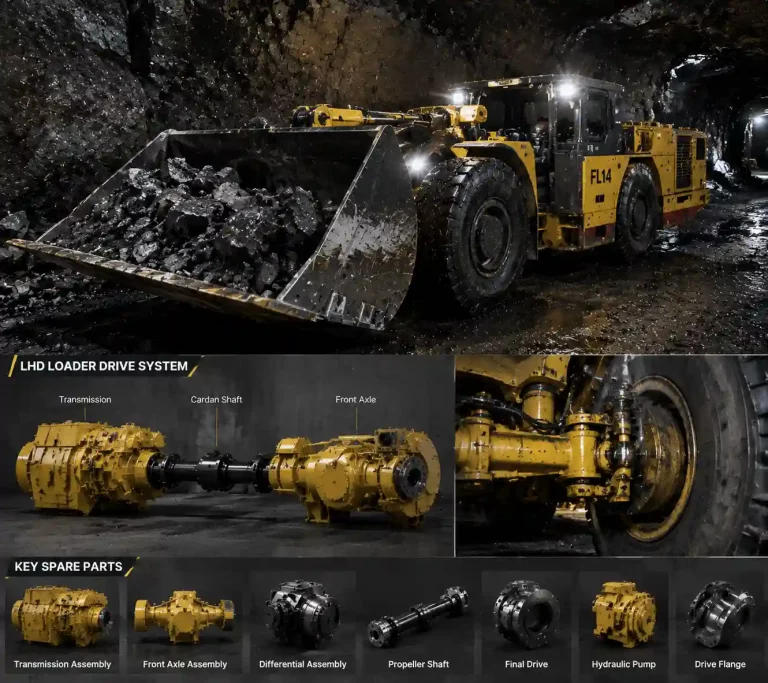
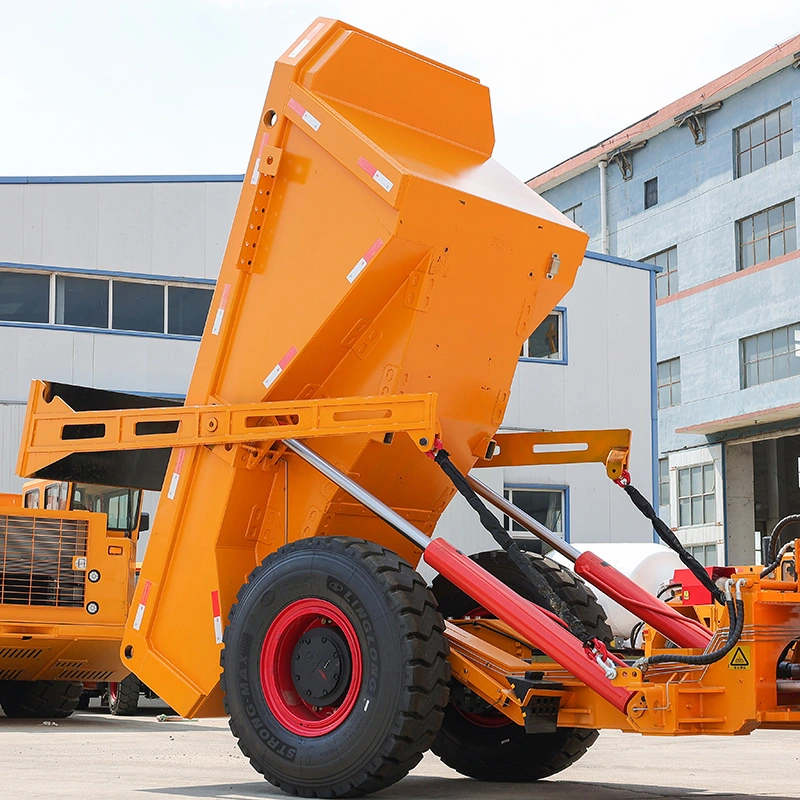
Sebagai tulang punggung operasi pertambangan bawah tanah, truk pertambangan bawah tanah Truk-truk ini menghadapi beberapa kondisi terberat di bumi. Terus-menerus mengangkut muatan material yang besar melalui ruang sempit dan kondisi lingkungan yang buruk termasuk debu dan air, truk-truk ini pasti rentan terhadap kerusakan. Namun, ketika kerusakan terjadi pada waktu yang paling buruk, tidak hanya dapat mengakibatkan hilangnya produksi tetapi juga menimbulkan risiko keselamatan yang serius. Dalam beberapa tahun terakhir, banyak lokasi pertambangan telah beralih ke pemeliharaan prediktif dalam upaya untuk mengurangi risiko ini dan meningkatkan manajemen armada secara keseluruhan, memantau berbagai parameter untuk mengidentifikasi potensi masalah sebelum menjadi masalah besar dan memengaruhi produksi.
Mendalami Cara Kerja Pemeliharaan Prediktif untuk Truk Pertambangan Bawah Tanah dan Mengapa Hal Ini Merevolusi Operasi.
Apa Arti Pemeliharaan Prediktif Sebenarnya untuk Truk Pertambangan Bawah Tanah?
Pemeliharaan prediktif memanfaatkan sensor dan analisis data untuk memprediksi kegagalan komponen. Jenis pemeliharaan ini bertentangan dengan metode pemeliharaan tradisional yang berbasis jadwal tetap dan pengoperasian hingga rusak, dan sebenarnya memberikan operator peringatan dan status secara real-time mengenai kondisi komponen yang sedang digunakan.
Truk tambang bawah tanah biasanya beroperasi selama 16-20 jam sehari. Perawatan tradisional akan mengganti komponen sebelum mencapai akhir masa pakainya atau setelah masa pakainya benar-benar habis. Perawatan kami... solusi pemeliharaan prediktif Memantau suhu mesin, getaran, sampel oli, dan tekanan hidrolik secara real-time memungkinkan tim perawatan untuk fokus pada bagian-bagian yang membutuhkan perhatian.
Teknologi Utama yang Sedang Diintegrasikan
Beberapa teknologi praktis mulai diterapkan pada truk pertambangan bawah tanah.
1. Jaringan Sensor: Di dunia teknologi truk canggih saat ini, banyak sistem baru kini mencakup sejumlah sensor yang memantau sistem dan komponen kendaraan yang penting. Misalnya, sensor getaran pada bantalan roda dapat memperingatkan pengemudi tentang potensi keausan bantalan sebelum menjadi masalah serius. Selain itu, sensor yang memantau suhu mesin dan transmisi dapat memperingatkan pengemudi tentang potensi panas berlebih dan memberi waktu untuk menepi dan memperbaiki kendaraan sebelum terjadi kerusakan. Banyak sistem juga sekarang memantau cairan, seperti oli, dan dapat memperingatkan pengemudi tentang potensi kontaminasi yang dapat menyebabkan kerusakan serius jika tidak diperbaiki tepat waktu.
2. Telematika dan Pemantauan Jarak Jauh: Bagi manajer armada, Telematika dan Pemantauan Jarak Jauh menawarkan kemampuan untuk memantau indikator kinerja utama truk dari permukaan. Dasbor daring menunjukkan konsumsi bahan bakar secara real-time, jumlah siklus muatan dan kosong, serta jam operasional truk. Selain itu, Peringatan Ambang Batas dapat dikonfigurasi secara otomatis. Sebuah tambang emas besar bahkan berhasil mengurangi waktu henti yang tidak direncanakan sebesar 35% dengan pemasangan Telematika pada semua truk bawah tanah mereka.
3. Analisis Data dan AI: Data mentah yang dikumpulkan oleh berbagai sensor dianalisis untuk menemukan pola dan anomali. Dengan menggunakan pembelajaran mesin, sistem mempelajari operasi normal setiap truk dan mengeluarkan peringatan untuk setiap perilaku yang tidak biasa. Lingkungan bawah tanah sangat menantang karena kondisi yang selalu berubah.
4. Kembaran Digital: Pada tingkat lanjut, Kembaran Digital dari truk dibuat dan pada truk yang "berjalan secara virtual" ini dibuat simulasi tentang bagaimana truk seharusnya beroperasi. Melalui Kembaran Digital, kinerja aktual diukur dan pengujian yang diperlukan dilakukan pada Kembaran Digital sebelum implementasi aktual pada truk fisik.
Manfaat Nyata dalam Operasi Bawah Tanah
Tambang yang menggunakan pemeliharaan prediktif melaporkan peningkatan yang nyata:
- Pengurangan Waktu Henti: Satu operasi tembaga mengurangi penghentian yang tidak direncanakan hampir 40% pada tahun pertama.
- Biaya Perawatan Lebih Rendah: Komponen diganti berdasarkan kebutuhan sebenarnya, bukan berdasarkan perkiraan. Hal ini memperpanjang umur komponen.
- Keamanan yang Lebih Baik: Deteksi dini keausan rem atau masalah hidrolik mencegah kegagalan berbahaya di bawah tanah.
- Perencanaan yang Lebih Baik: Pemeliharaan dapat dijadwalkan selama pergantian shift yang direncanakan, bukan selama jam produksi puncak.
Seorang pengawas tambang pernah bercerita kepada saya bahwa mereka dulu kehilangan 3-4 truk per minggu karena masalah yang tidak terduga. Setelah menerapkan alat prediksi, angka itu turun menjadi kurang dari satu.
Tantangan Implementasi
Implementasi pemeliharaan prediktif bukannya tanpa tantangan. Kondisi di bawah tanah tidak ideal untuk transfer data yang andal. Selain keterbatasan fisik lingkungan bawah tanah, keberadaan debu, air, dan gangguan sinyal lainnya memengaruhi pengoperasian sensor. Selain itu, pelatihan personel yang diperlukan untuk sistem baru membutuhkan waktu.
Fitur Pemeliharaan Prediktif Umum pada Truk Pertambangan Bawah Tanah Saat Ini
| Komponen | Parameter yang Dipantau | Peringatan Umum |
|---|---|---|
| Mesin | Suhu, getaran, kualitas oli | Panas berlebih, getaran tidak biasa |
| Transmisi | Perpindahan gigi, suhu, keausan | Tergelincir, tanda-tanda kegagalan dini |
| Sistem Hidrolik | Tekanan, kondisi fluida | Kebocoran, kontaminasi |
| Ban & Suspensi | Tekanan, keausan tapak, getaran | Tekanan rendah, ketidakseimbangan |
| Sistem pengereman | Ketebalan bantalan, tekanan hidrolik | Performa menurun |
Masa Depan Pemeliharaan Prediktif pada Truk Pertambangan
Masih banyak lagi yang akan datang. Tahun-tahun mendatang akan membawa peningkatan integrasi sistem yang sudah ada di bawah tanah. Dalam beberapa tahun ke depan akan ada peningkatan penggunaan edge computing, di mana pemrosesan dilakukan di dalam truk, bukan melalui sistem komputer utama. Karena jenis baterai yang digunakan, serta truk hibrida yang sekarang digunakan untuk pekerjaan bawah tanah, jenis pemantauan yang dibutuhkan pada kendaraan ini akan berbeda dari truk biasa di atas tanah. Pekerjaan bawah tanah juga akan mendapat manfaat dari meningkatnya ketersediaan jaringan 5G di bawah tanah, yang memungkinkan pemantauan waktu nyata menjadi lebih umum.
Banyak perusahaan tambang berupaya mendapatkan keunggulan kompetitif dengan meningkatkan produktivitas sekaligus menurunkan biaya. Dengan mengadopsi beberapa teknologi ini sejak dini, perusahaan tambang dapat mencapai tujuan mereka.
QINGDAO ZONGDA MACHINERY CO., LTD. Membawa pengalaman yang solid ke bidang peralatan pertambangan bawah tanah. Didirikan sekitar sepuluh tahun yang lalu oleh para profesional dengan latar belakang yang mendalam di bidang eksplorasi dan pertambangan, perusahaan ini telah berkembang dengan mendengarkan secara saksama apa yang sebenarnya dibutuhkan oleh operator dan manajer tambang.
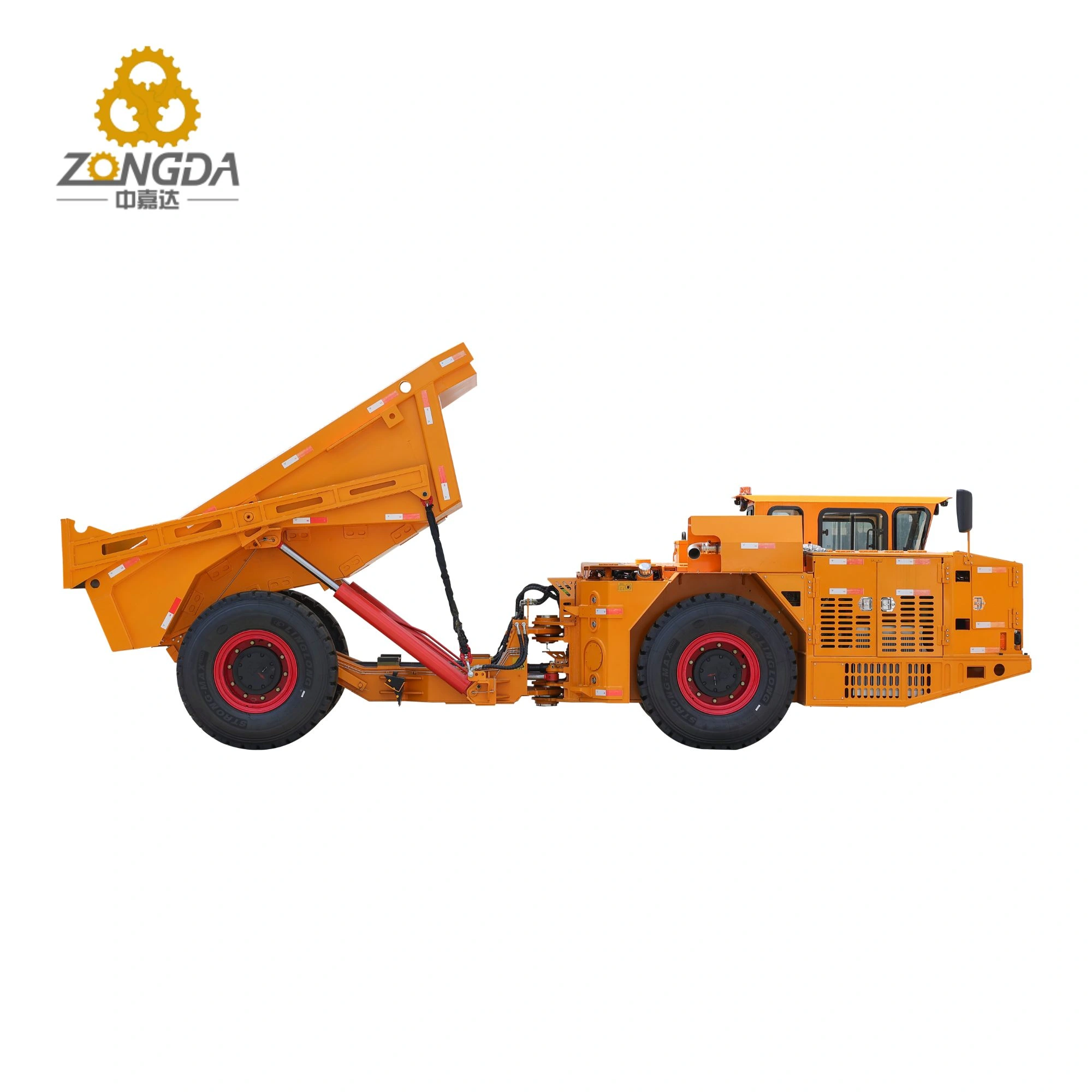
Mereka memproduksi berbagai peralatan tanpa rel, termasuk truk pertambangan bawah tanah seperti Model ZDT210Truk-truk ini dilengkapi mesin Deutz yang bertenaga, transmisi DANA yang andal, dan desain praktis yang dibuat untuk terowongan berukuran sedang. Yang menonjol adalah fokus mereka pada peralatan yang berkinerja optimal hari demi hari dalam kondisi sulit.
ZONGDA memperhatikan detail yang mendukung pendekatan pemeliharaan modern. Truk mereka dilengkapi dengan titik servis yang mudah diakses dan sistem yang bekerja dengan baik dengan teknologi pemantauan. Perusahaan terus mengembangkan solusi yang membantu tambang beralih ke operasi yang lebih berbasis data sambil tetap menjaga kesederhanaan dan keandalan bagi orang-orang yang bekerja di bawah tanah.
Kesimpulan
Untuk armada truk pertambangan bawah tanah, pemeliharaan prediktif dengan cepat menjadi suatu keharusan, bukan lagi sekadar pelengkap. Pendekatan untuk memperpanjang umur truk ini menggunakan berbagai sensor, telematika, dan analisis canggih untuk mengidentifikasi potensi kegagalan sebelum menjadi masalah besar. Hasilnya adalah operasi yang lebih aman dan efisien, dengan lebih sedikit kejutan, dan kinerja peralatan secara keseluruhan yang lebih baik. Dan bagi perusahaan yang siap berinvestasi dalam solusi tersebut, seringkali ada keuntungan signifikan yang dapat diperoleh dalam hal pengurangan waktu henti dan melalui perencanaan pemeliharaan yang efektif.
Pertanyaan FAQ
Bagaimana cara kerja pemeliharaan prediktif pada truk pertambangan bawah tanah?
Sistem ini menggunakan sensor untuk melacak getaran, suhu, dan kondisi fluida. Sistem menganalisis data ini untuk memprediksi kapan komponen mungkin mengalami kerusakan sehingga perawatan dapat dilakukan pada waktu yang tepat.
Apa saja manfaat utama dari pemeliharaan prediktif untuk truk pertambangan bawah tanah?
Hal ini mengurangi waktu henti yang tidak direncanakan, menurunkan biaya perawatan secara keseluruhan, dan meningkatkan keselamatan dengan mendeteksi masalah sejak dini. Banyak operasi mengalami pengurangan waktu henti yang tidak terduga sebesar 30-40%.
Bisakah truk pertambangan bawah tanah yang lebih tua ditingkatkan dengan teknologi pemeliharaan prediktif?
Ya. Banyak perusahaan tambang menambahkan sensor dan telematika ke armada yang sudah ada. Meskipun tidak semulus truk baru, peningkatan ini tetap memberikan peningkatan yang signifikan dalam hal keandalan.
Apa yang harus diperhatikan perusahaan pertambangan saat memilih truk pertambangan bawah tanah dengan kemampuan prediksi?
Fokuslah pada kualitas sensor, aksesibilitas data, dan kemudahan integrasi sistem dengan manajemen armada Anda yang sudah ada. Dukungan yang baik dari pemasok juga penting.
Berapa lama waktu yang dibutuhkan untuk melihat hasil dari pemeliharaan prediktif pada truk pertambangan bawah tanah?
Sebagian besar operasi akan melihat peningkatan dalam waktu 3-6 bulan. Manfaat penuh seringkali muncul setelah satu tahun, setelah tim merasa nyaman dengan data dan proses baru.