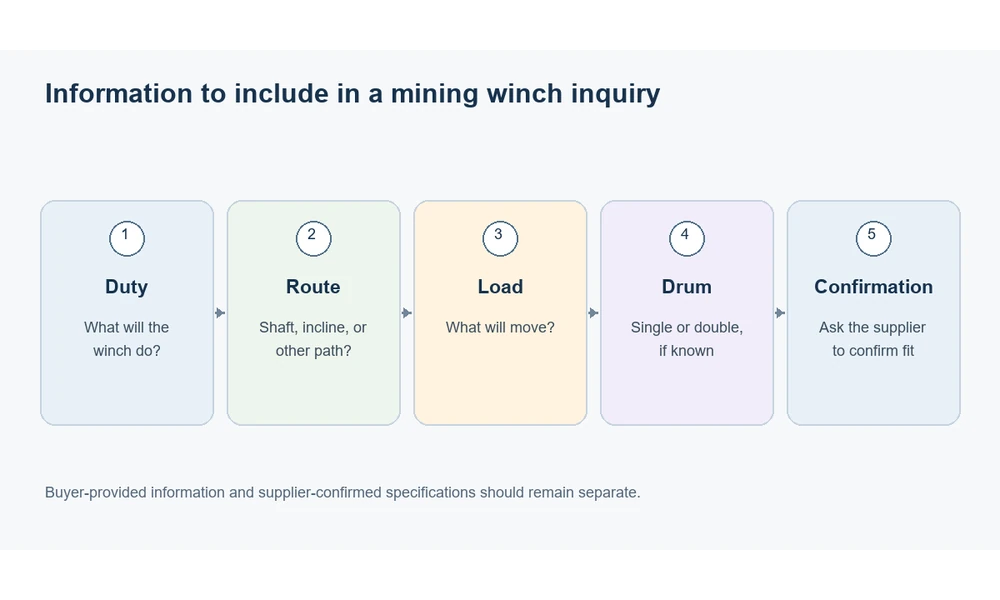
A mine-winch quote is only useful when everyone is pricing the same job. On site, “underground transport” could mean a short inclined roadway or a shaft movement. Those jobs call for different questions, so trace the load from its starting point to its destination. Put those details in the request before comparing prices.
Ask each bidder to name the model and configuration in the offer, too.
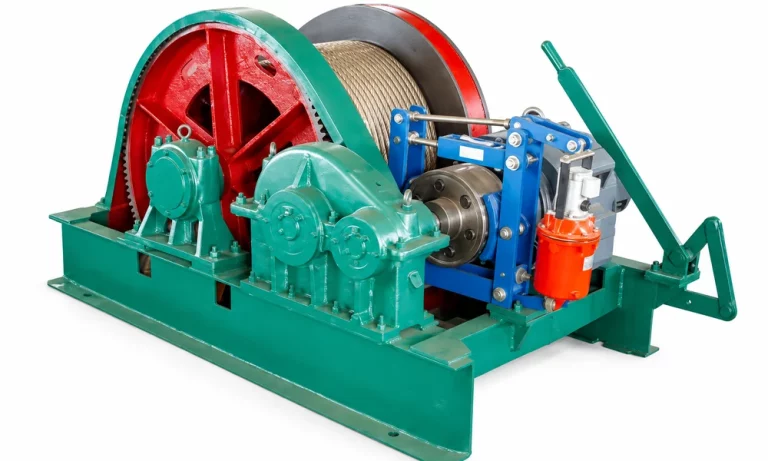
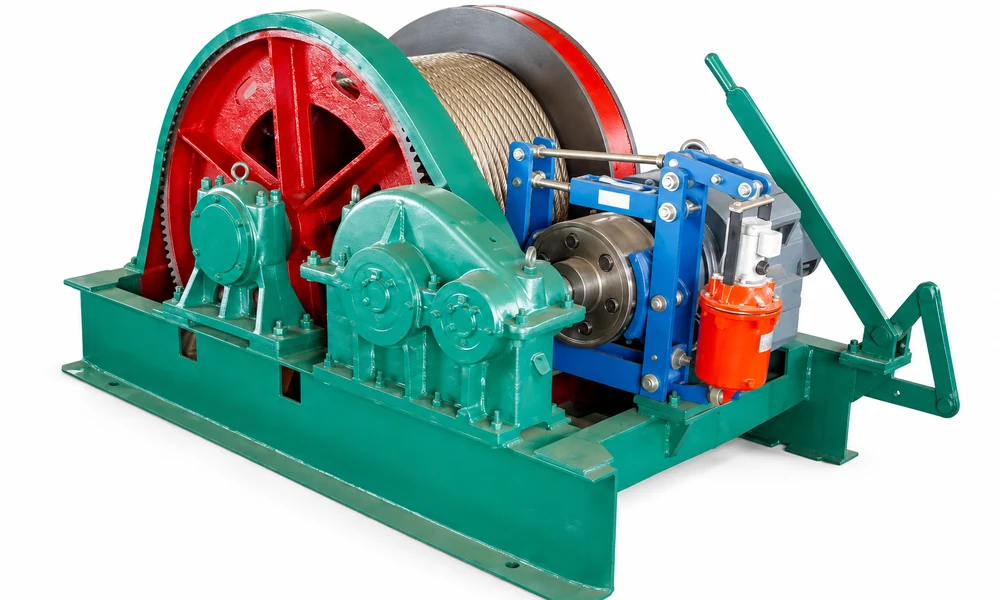
ЗОНГДА'с underground mining scraper winch page lists lifting materials, personnel, and equipment in mine floor shafts and inclined shafts. It also mentions underground transportation, sinking-bucket lifting, plus single- and double-drum versions. The underground mine winder listing refers to lifting personnel and materials in inclined roadways and shafts. Some wording overlaps.
The pages do not identify a model for an individual mine, though, or show that one product family can stand in for another.
Start with the listing or model you want considered. Then describe the trip in terms a new reader could picture: materials from [loading point] to [transfer point] through an inclined roadway, for example. Replace those bracketed locations with the mine’s own.
If the job uses a scraper bucket, explain what it will carry and how it fits into the movement. That context gives the supplier a question to answer; a product title alone does not.
Start with the task, then match it to the product page
A marked installation spot is a start, but it does not show the travel path. Send the full route drawing with the loading point, destination, route type, bends, restricted sections, and proposed equipment position. Include the survey date and revision.
Mark estimates on the drawing itself; add the name of the person who will verify each one. A preliminary sketch still gives bidders context, provided nobody mistakes it for the final route.
The mine may revise the route after a survey. When the survey changes the route, circulate the revision to the whole bidder list at once. Have each supplier note the drawing revision used for its price. Without that note, a price difference may reflect two different drawings rather than two different offers.
Load information deserves the same care. ZONGDA’s ZJTP listing names materials, personnel, and equipment; the mine-winder listing names personnel and materials. Neither provides a project load schedule. Use the mine’s approved schedule if there is one. Still waiting on an approved load schedule? Say so in the RFQ.
Ask the supplier what it needs before it can review the duty.
The same caution applies to capacity, speed, rope layout, and duty cycle. No project-specific values for those items appear on the public product pages. Where mine engineering has approved a figure, carry its source and revision into the RFQ.
Where it has not, keep the number out of the specification until it is checked. “Capacity pending supplier review; mine load schedule Rev D attached” makes that distinction visible.
When more than one offer is under review, a simple comparison sheet helps keep source information from getting separated from the answer. This sample is for the buyer’s review; it is not a ZONGDA requirement list.
| Topic | Mine-side information | Detail to get in the offer |
| Load and movement | What moves, start and end points, project source | Model and intended use |
| Route | Drawing number, date, revision | Assumptions based on the drawing |
| Load data | Approved value or status and owner | Missing information for review |
| Installation | Proposed position and known site limits | Included, excluded, or pending items |
| Drum option | Single, double, or decision still open | Quoted version and recommendation basis |
| Unresolved points | Owner and next step | Status in the current quotation |
Some mine movements have more than one leg. If material changes direction or is handed over at a transfer point, show that boundary on the route plan. Ask bidders which part of the movement their offer covers, including where their stated duty begins and ends.
A route can look complete on a drawing while the handoff between stages remains unclear. If one leg or transition is outside the quotation, record it as an open item rather than assuming it is covered.
This is a way to clarify the scope of each offer, not an engineering recommendation about how the mine should move its load.
What remains for the supplier to confirm?
“Confirm dimensions” is hard to assign. “Mine surveyor to check bend clearance on drawing Rev C” gives the team a person and a place to start. Operating method, site conditions, controls, and accessories can go in the same log.
For each one, the quotation should show whether it is included, excluded, or awaiting information from the mine. The pages do not settle these project questions, so leave the answer to the quotation and the mine team.
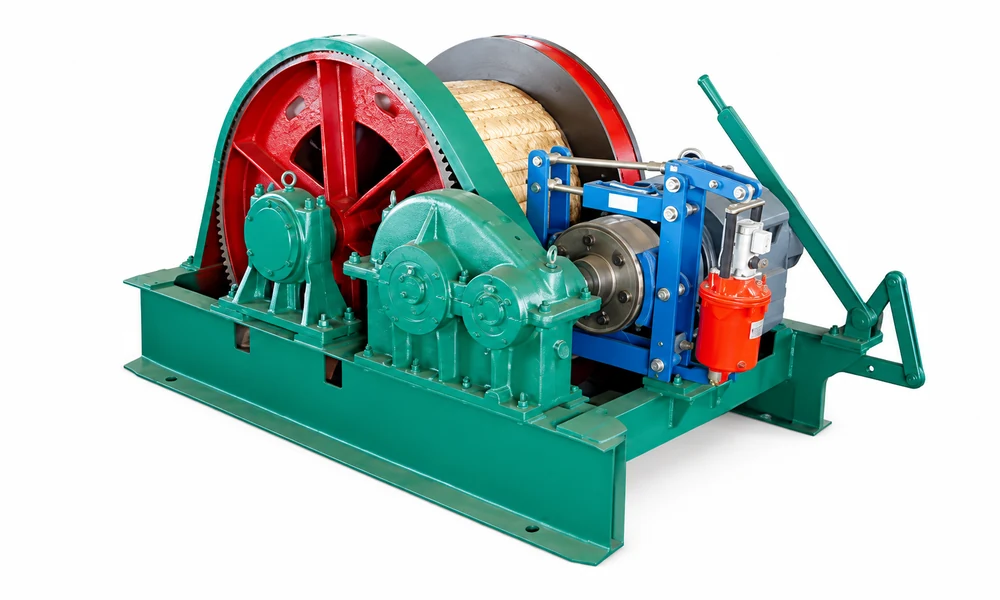
The ZJTP listing and the 15 kW explosion-proof scraper winch page mention single- and double-drum versions. “Explosion-proof” appears in the latter page’s title. For the quotation being reviewed, get the supplier to name the offered configuration and list the documents included.
The page title does not say which configuration or paperwork will accompany a particular offer.
File the source documents beside the quoted model and its assumptions. Record the number and revision whenever a reply points to a drawing, specification, or limit. That record lets procurement spot a changed basis when the next offer arrives. Keep the earlier reply and date the update.
It is much easier to follow a changed recommendation with both in view.
How to compare drum options in competing offers?
The listings mention both drum arrangements but do not pair them with a particular route or duty. If the mine’s engineering team has already chosen a preference, include it and ask the supplier to address it in the proposed model. Still undecided? Ask the supplier to recommend one and explain what that recommendation assumes.
One or two drums is a configuration choice. By itself, that detail does not tell you whether the proposal suits the duty.
Before ranking prices, compare the basis line by line. Do the bidders refer to the same route drawing and load description? Has each named the model and configuration? Treat a blank as a follow-up for the bidder, not as a match with the offer beside it.
A cheaper offer based on another duty or drawing needs clarification. Ask for a revision before putting its price beside the others. Retain each reply with its date; do not overwrite the previous answer.
For related product research, ZONGDA also lists a mining hoist for shaft operations and a broader underground hoisting system category. Each page describes a separate listing. Their presence on the same site is not evidence that either model substitutes for the other.
Before sending, give the RFQ one read without relying on what the project team already knows. Would a supplier who has never visited know the load, destination, route, and model under consideration? Attach the dated, numbered drawing that bidders should price against. If scraper-bucket haulage applies, mention it now.
Once offers arrive, adding that detail may change what each supplier thought it was quoting.
A starting email could be:
> Please quote [page or model] for [duty]. Our load will travel from [start] to [destination] by [shaft, incline, or other route]. Load details and source: [project information]. Drawing: [number and revision]. Drum preference: [single, double, or still open]. In your reply, name the model and intended use.
Tell us what you assumed and what you still need from the mine.
Leave unknown values open. Give each one an owner, and ask the supplier what else is needed for the next review. The team will then have a shared basis for the current quotation and a clear record of what needs to happen before it is revised.