Trong khoan ngầm, thời gian ngừng hoạt động hiếm khi đến từ một thất bại đáng kể. Thông thường, nó bắt đầu với những rắc rối nhỏ. Thanh bắt đầu ràng buộc, áp suất thức ăn leo lên, vết cắt không rõ ràng tốt, và một lỗ đơn giản biến thành một khoảnh khắc dừng lại. Đó là lý do tại sao một hệ thống chống nhiễu quan trọng rất nhiều. Nó giúp giảm thời gian ngừng khoan, cắt giảm sự gây nhiễu thanh khoan và làm cho bảo trì khoan jumbo ít phản ứng hơn và ít tốn kém hơn. Đối với các phi hành đoàn làm việc trong đá cứng hoặc thay đổi mặt đất, sự khác biệt đó xuất hiện nhanh chóng trong đầu ra thay đổi và nhật ký bảo trì.
ZONGDA phù hợp một cách tự nhiên với cuộc thảo luận này bởi vì công ty tập trung vào thiết bị khai thác mỏ ngầm và tự giới thiệu mình như một nhà sản xuất có kinh nghiệm lâu dài trong lĩnh vực, hơn 30 chuyên gia khai thác mỏ và kỹ sư, và một loạt các sản phẩm bao gồm thiết bị khai thác mỏ không theo dõi, động cơ, thông gió, nâng và máy khám phá. Trang web của nó cũng khung doanh nghiệp xung quanh hiệu quả chi phí, tốc độ phản ứng và hỗ trợ sau bán hàng, đó chính xác là những điều người mua quan tâm khi thời gian ngừng hoạt động bắt đầu ăn vào tiến trình dự án.
Tại sao thời gian ngừng hoạt động quá tốn kém trong khoan ngầm Jumbo?
Một dừng khoan dưới lòng đất không bao giờ chỉ là một lúc dừng lại. Nó đẩy trở lại phun, làm chậm tiến bộ khuôn mặt, khiến các nhà vận hành chờ đợi và thường tạo ra kiểm tra bổ sung cho phi hành đoàn bảo trì. Trên giấy, mười hoặc hai mươi phút bị mất có thể không có vẻ nghiêm trọng. Trong một tiêu đề trực tiếp, nó có thể phá hủy nhịp điệu của toàn bộ sự thay đổi.
Chi phí ẩn của mỗi sự gián đoạn khoan
Trong khoan ngầm, các điểm dừng không có kế hoạch thường đống nhau trong suốt ngày. Một thanh bị kẹt có thể dẫn đến phục hồi thủ công, mòn thêm trên khớp nối, và thậm chí là một chuỗi khoan bị hư hại. Sau đó bạn mất thời gian hai lần. Đầu tiên trong khi máy không hoạt động, sau đó một lần nữa khi phi hành đoàn cố gắng bắt kịp.
Điều gì thường kích hoạt Khoan Rod Jamming?
Nguyên nhân phổ biến là quen thuộc: rửa kém, áp suất thức ăn không ổn định, thay đổi đột ngột trong điều kiện đá và sự phù hợp xấu giữa tác động, quay và thức ăn. Dữ liệu sản phẩm cho máy này làm cho điểm đó gián tiếp bằng cách làm nổi bật kiểm soát chống nhiễu, máy bơm thủy lực riêng biệt và đầu ra ổn định như các tính năng thiết kế chính.
Hệ thống chống nhiễu trong máy khoan Jumbo là gì?
Trước khi đi sâu hơn, nó giúp giữ cho ý tưởng đơn giản. Một hệ thống chống nhiễu trong máy khoan jumbo là một chức năng điều khiển phản ứng khi kháng khoan tăng quá nhanh. Thay vì để thanh khóa trong lỗ, hệ thống điều chỉnh hành vi khoan sớm.
Hệ thống phản ứng như thế nào với kháng khoan?
Nó hoạt động bằng cách kiểm soát mối quan hệ giữa áp suất quay và lực cấp. Nếu kháng cự tăng, máy có thể lùi ngược áp suất thức ăn và giữ cho chu kỳ khoan ổn định hơn. Điều đó làm giảm cơ hội chấn động thanh khoan đầy đủ và làm giảm tải sốc trên các thành phần khoan đá chính.
Tại sao phối hợp thủy lực quan trọng đến vậy?
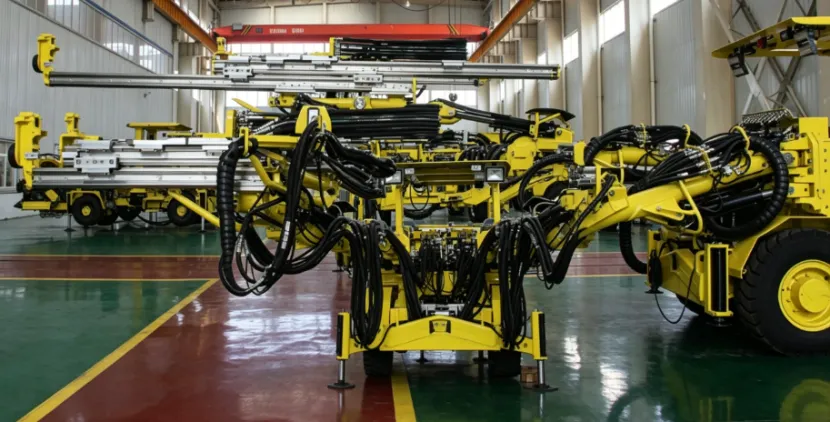
Ở đây các chi tiết kỹ thuật trong cơ sở kiến thức là hữu ích. Máy sử dụng một hệ thống khoan kiểm soát thủy lực với nguồn cấp dữ liệu kiểm soát áp suất quay, thường được gọi là hệ thống khoan RPCF. Các chức năng tác động, quay và thức ăn của nó sử dụng máy bơm thủy lực riêng biệt và vòng điều khiển thủy lực độc lập, hỗ trợ đầu ra công suất ổn định hơn trong quá trình khoan.
Làm thế nào để hệ thống chống nhiễu giảm thời gian ngừng khoan?
Đây là phần mà khách hàng quan tâm nhất. Bạn không mua một tính năng chống nhiễu bởi vì nó nghe có vẻ tiên tiến. Bạn mua nó bởi vì một thanh bị mắc kẹt, vật liệu tiêu thụ bị hỏng hoặc chu kỳ khoan dừng bắt đầu chi phí tiền.
Họ ngăn chặn các vấn đề nhỏ biến thành việc đóng cửa hoàn toàn
Khi máy phản ứng trước khi thanh kết hợp hoàn toàn, bạn tránh sự gián đoạn lâu hơn. Đó là cách trực tiếp nhất để giảm thời gian ngừng khoan trong khai thác mỏ ngầm.
Họ thấp tiêu thụ mặc
Kẹt thường xuyên đẩy mòn vào thanh, chân, niêm phong và các bộ phận được tải khác. Bảng sản phẩm nói rằng chức năng chống gây nhiễu giúp tiết kiệm chi phí thanh khoan, kết nối trực tiếp với tổn thất tiêu thụ thấp hơn và ít dừng bảo trì hơn.
Họ làm cho khoan nhất quán hơn
Rock hiếm khi giữ đồng dạng trên khuôn mặt. Một bên cổ áo sạch sẽ, bên tiếp theo chiến đấu trở lại. Một đáp ứng hệ thống khoan thủy lực giữ cho thức ăn và quay trong một sự cân bằng tốt hơn, vì vậy hiệu quả khoan dưới lòng đất trở nên ít phụ thuộc vào sửa chữa thủ công liên tục. Điều này quan trọng hơn những gì mọi người thừa nhận.
Tại sao điều này quan trọng trong bảo trì khoan Jumbo hàng ngày?
Cũng có một mặt bảo trì cho tất cả những điều này, và nó thường bị bỏ qua. Một máy bị kẹt ít thường bị ít sự kiện quá tải hơn. Điều đó có nghĩa là ít thất bại bất ngờ hơn, thói quen kiểm tra sạch hơn và hữu ích hơn Danh sách kiểm tra bảo trì khoan jumbo.
Những điểm bảo trì nào hỗ trợ hiệu suất chống nhiễu?
Xem tình trạng dầu thủy lực, nhiệt độ, hành vi thức ăn và hiệu suất rửa. Cơ sở kiến thức cho thấy rằng máy này bao gồm máy đo nhiệt độ dầu, chỉ số lọc dầu, dầu làm mát bằng nước, lọc và chỉ số mức dầu thấp. Đó không phải là các chi tiết quyến rũ, nhưng chúng là loại giữ cho việc dừng bảo trì thường xuyên trở nên bình thường.
Tại sao đặc điểm kỹ thuật máy vẫn quan trọng?
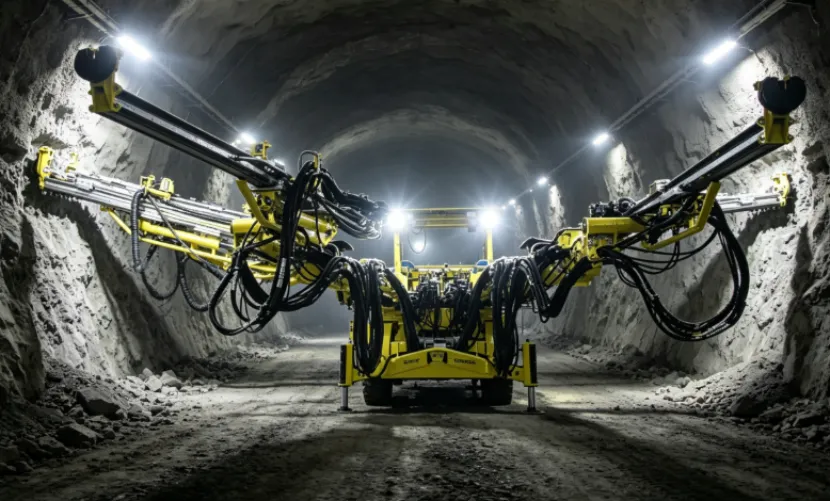
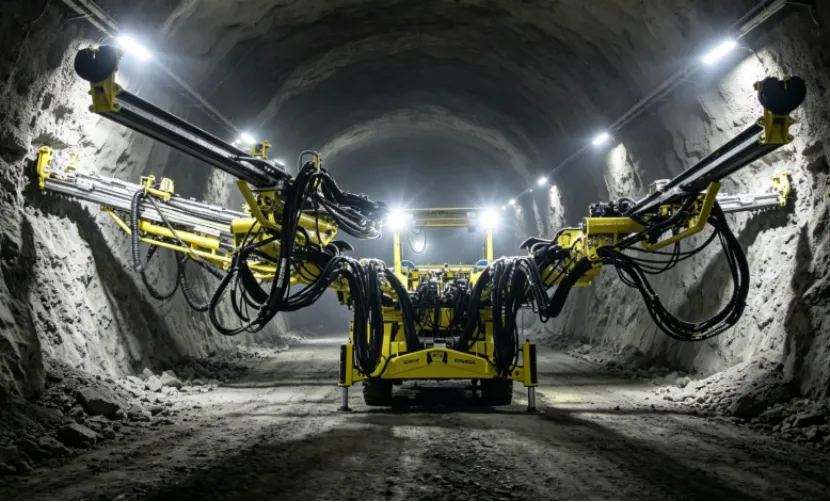
Kiểm soát tốt không thể sửa chữa một máy phù hợp kém. Đơn vị này được xây dựng cho các phần đường hầm trung bình đến lớn, với bao phủ lên đến 8,7 m bằng 6,3 m, đường kính lỗ từ 32 mm đến 76 mm và chiều sâu lỗ từ 2,1 m đến 3,5 m. Nó cũng sử dụng máy khoan đá 24 kW. Những con số đó quan trọng bởi vì một máy làm việc trong phạm vi dự định của nó có xu hướng khoan sạch hơn và phá vỡ ít bộ phận hơn.
Làm thế nào để đánh giá một hệ thống chống nhiễu khi chọn một máy khoan Jumbo?
Vào giai đoạn này, câu hỏi mua trở nên khá thực tế. Bạn cần biết liệu hệ thống có thực sự giúp đỡ với thời gian hoạt động không chỉ có xuất hiện trong một brochure hay không.
Bạn nên kiểm tra điều gì trước?
Tìm một hệ thống chống nhiễu, một hệ thống khoan RPCF và tách thủy lực rõ ràng giữa tác động, quay và thức ăn. Sau đó kiểm tra xem máy có được xây dựng cho kích thước đường hầm và phạm vi khoan của bạn hay không. Nếu mục tiêu của bạn là một khoan jumbo hiệu quả về chi phí với tổng chi phí khoan thấp hơn, những điểm này quan trọng hơn các tuyên bố hiển nhiên. Cơ sở kiến thức cũng lưu ý rằng máy có thể khoan lỗ nổ và thanh trôi, nhấn mạnh vào độ chính xác, tốc độ và chi phí thanh khoan thấp hơn.
Câu hỏi thường gặp
Q1: Điều gì gây nhiễu thanh khoan trong khoan ngầm?
A: Nguyên nhân thông thường là áp suất thức ăn không ổn định, rửa chảy, thay đổi đá đột ngột và cân bằng kém giữa tác động, quay và thức ăn.
Q2: Làm thế nào để một hệ thống chống nhiễu giảm thời gian ngừng khoan?
A: Nó phản ứng khi kháng khoan tăng lên, điều chỉnh hành vi thức ăn và giúp ngăn chặn một phần bị ràng buộc trở thành một mứt đầy đủ.
Q3: Hệ thống khoan RPCF là gì?
A: Đối với Áp suất quay kiểm soát thức ăn. Trong máy này, nó là một phần của hệ thống khoan kiểm soát thủy lực được sử dụng để cải thiện sự ổn định trong quá trình khoan.
Q4: Phải thực hiện bảo trì khoan jumbo bao lâu?
A: Kiểm tra hàng ngày là tiêu chuẩn, đặc biệt là cho tình trạng dầu, nhiệt độ, bộ lọc, rửa và mòn bộ phận. Đó là cách đơn giản nhất để giảm thời gian ngừng hoạt động không có kế hoạch.
Q5: Làm thế nào bạn có thể cải thiện hiệu quả khoan dưới lòng đất?
A: Sử dụng một máy phù hợp với phần đường hầm và phạm vi lỗ của bạn, giữ cho hệ thống thủy lực và rửa trong tình trạng tốt, và chọn một máy khoan với một chiến lược kiểm soát chống gây nhiễu thực sự.