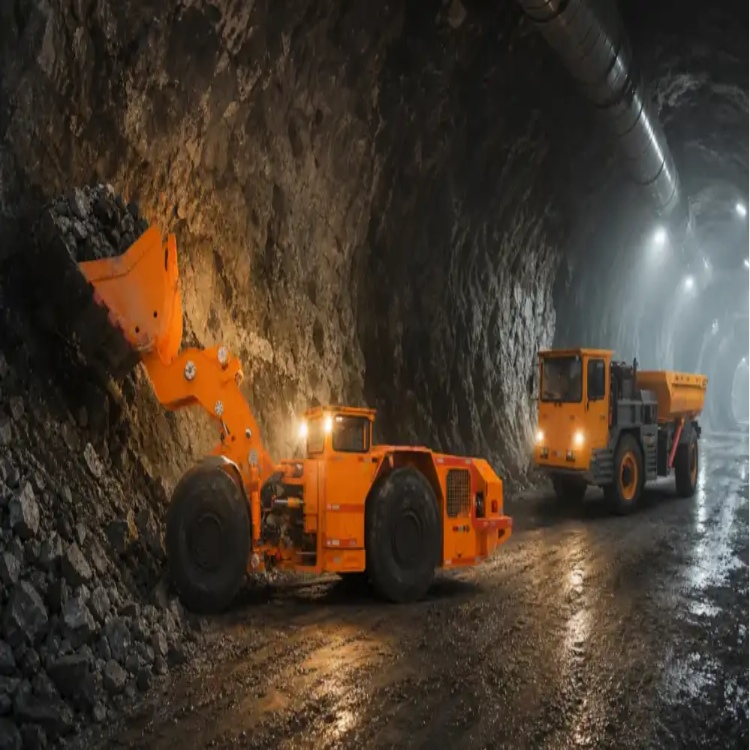
Տեխնիկական բնութագրերի թերթիկում կատարյալ տեսք ունեցող տրանսպորտային միջոցը կարող է թանկարժեք խոչընդոտ դառնալ նեղ լանջին հասնելուց հետո։ Այն կարող է տեղափոխել նախատեսված բեռը, բայց դժվարություններ ունենալ նեղ անկյունում, սահմանափակ օդափոխության, վատ ճանապարհային պայմանների կամ բեռնիչի հետ, որը այն անարդյունավետ է լցնում։ Ահա թե ինչու ստորգետնյա հանքարդյունաբերական տրանսպորտային միջոցի ընտրությունը սկսվում է հանքից, այլ ոչ թե մեքենայից։
Ճիշտ ավտոպարկը տեղափոխում է հանքաքար, մարդկանց և պաշարներ կանխատեսելի գնով՝ միաժամանակ թողնելով բավարար տարածք անվտանգ շահագործման և սպասարկման համար: Այս ուղեցույցը բացատրում է տրանսպորտային միջոցների հիմնական տեսակները, թե որտեղ է յուրաքանչյուրը տեղավորվում և որ շահագործման մանրամասները պետք է ձևավորեն գնումը:
Ստորգետնյա հանքարդյունաբերական տրանսպորտային միջոցները և դրանց հիմնական դերը
Ստորգետնյա նավատորմը սովորաբար համատեղում է արտադրական մեքենաները ծառայողական մեքենաների հետ: Յուրաքանչյուր միավոր լուծում է հանքարդյունաբերական ցիկլի տարբեր մասեր, ուստի միայն հզորությունը համեմատության համար վատ հիմք է:
Բեռնման-բեռնաթափման մեքենաներ
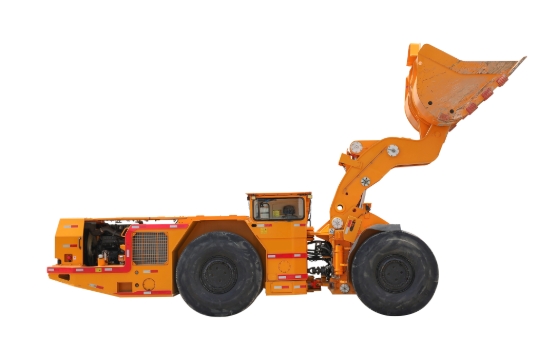
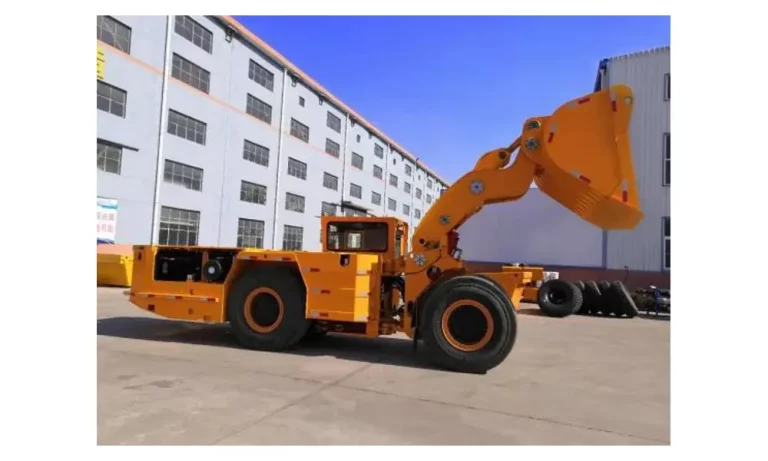
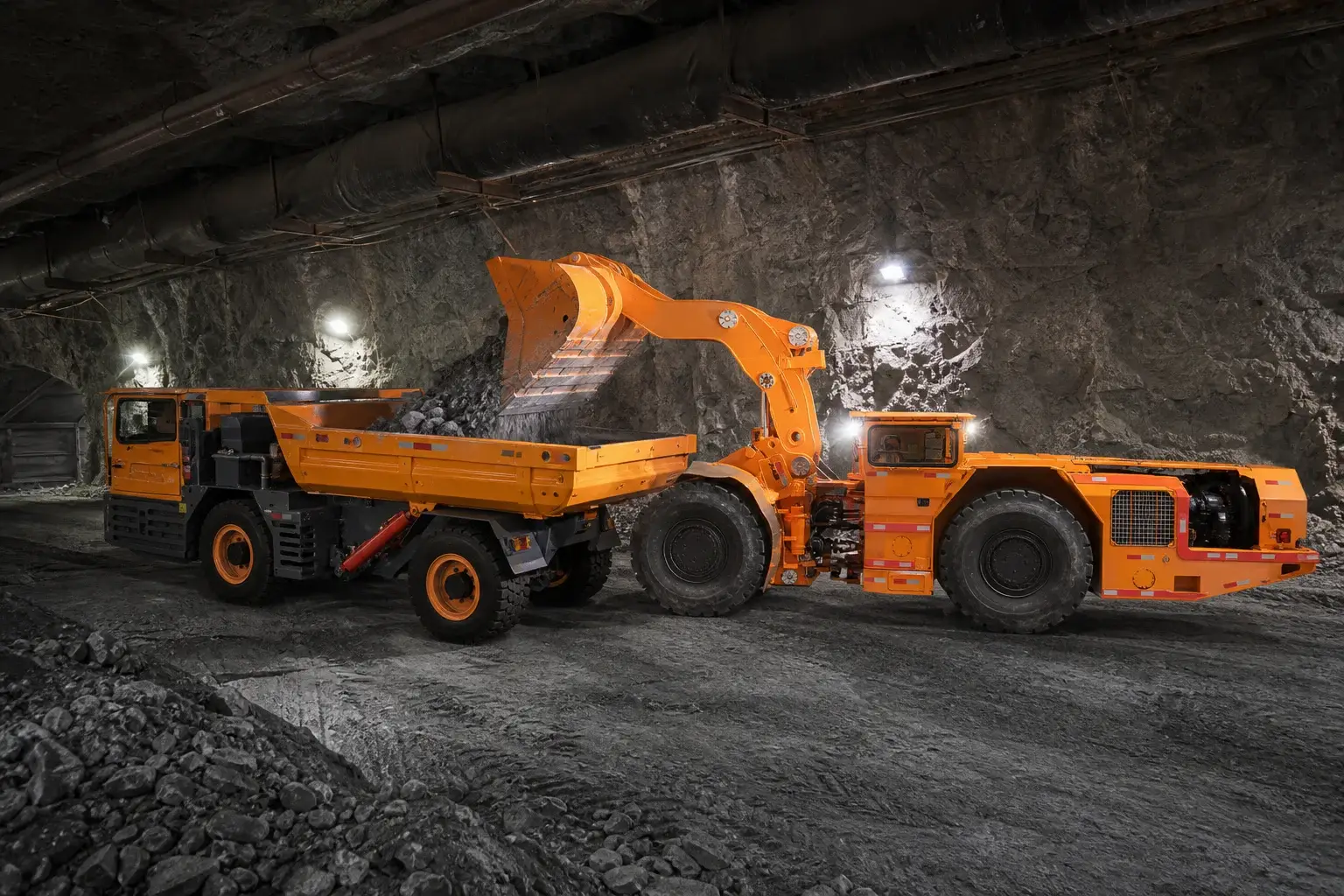
Բեռնման-բեռնաթափման մեքենան, որը սովորաբար կոչվում է ձախակողմյան կամ սկուպտրամ, հավաքում է կոտրված հանքաքարը ճակատային մասից, տեղափոխում այն գլխավոր խողովակաշարով և լցնում բեռնատարի, հանքաքարի անցուղու կամ ջարդիչի մեջ: Ուսումնասիրեք ZONGDA-ն: Trackless հանքարդյունաբերության սարքավորումներ բեռնիչների չափսերն ու կոնֆիգուրացիաները համեմատելիս։
Դույլի ծավալը պետք է համապատասխանի հանքաքարի խտությանը և բեռնատարի թափքին: Մեծ դույլը չի երաշխավորում ավելի մեծ արտադրողականություն, եթե մեքենան չի կարող մաքուր պտտվել կամ հասնել թափման բարձրությանը: Ցածր պրոֆիլի մոդելները հարմար են նեղ երակային աշխատանքների համար, մինչդեռ ավելի մեծ տարողունակությամբ բեռնիչները իմաստ ունեն ավելի լայն գլխամասերում և ավելի երկար արտադրական շրջաններում:
Ստորգետնյա հանքարդյունաբերության բեռնատարներ
Հոդակապավոր ստորգետնյա բեռնատարները տեղափոխում են հանքաքար այնպիսի հեռավորությունների վրա, որտեղ կրկնակի ձախակողմյան տեղաշարժը դառնում է դանդաղ և թանկ։ Դրանց կենտրոնական հոդակապը օգնում է նրանց հաղթահարել հանքի կորերը, սակայն գնորդները դեռ պետք է ստուգեն ընդհանուր լայնությունը, շրջադարձի շառավիղը, թափման բարձրությունը, հարթեցման հնարավորությունը և բեռնվածությամբ արգելակման կատարողականությունը։
Բեռնիչի և բեռնատարի ընտրությունը պետք է իրականացվի միասին: Գործնական նպատակը բեռնատարի անցումների փոքր, հաստատուն քանակն է մեկ բեռնատարի համար: Չափազանց շատ անցումները երկարացնում են հերթի ժամանակը. չափազանց մեծ բեռնիչը կարող է թափքը լցնել և մեծացնել թափվելը:
Ծառայողական և անձնական տրանսպորտային միջոցներ
Արտադրությունը արագ կանգ է առնում, երբ անձնակազմը, վառելիքը, գործիքները, պայթուցիկ նյութերը կամ բետոնը ուշանում են: Անձնակազմի փոխադրողները, մկրատային վերելակները, նյութերի բեռնատարները, վառելիքի և քսանյութի փոխադրամիջոցները, բետոնախառնիչները և սպասարկման բեռնատարները ապահովում են օժանդակ աշխատանքների ժամանակացույցը: Բազմաֆունկցիոնալ շասսին կարող է կրճատել նավատորմի չափը, երբ աշխատանքային ծավալները չափավոր են, եթե թափքի փոխարինումը արագ է, և հանքը կարող է անվտանգ կերպով կառավարել կցորդները:
Հանքարդյունաբերական շոգեքարշներ և երկաթուղային փոխադրումներ
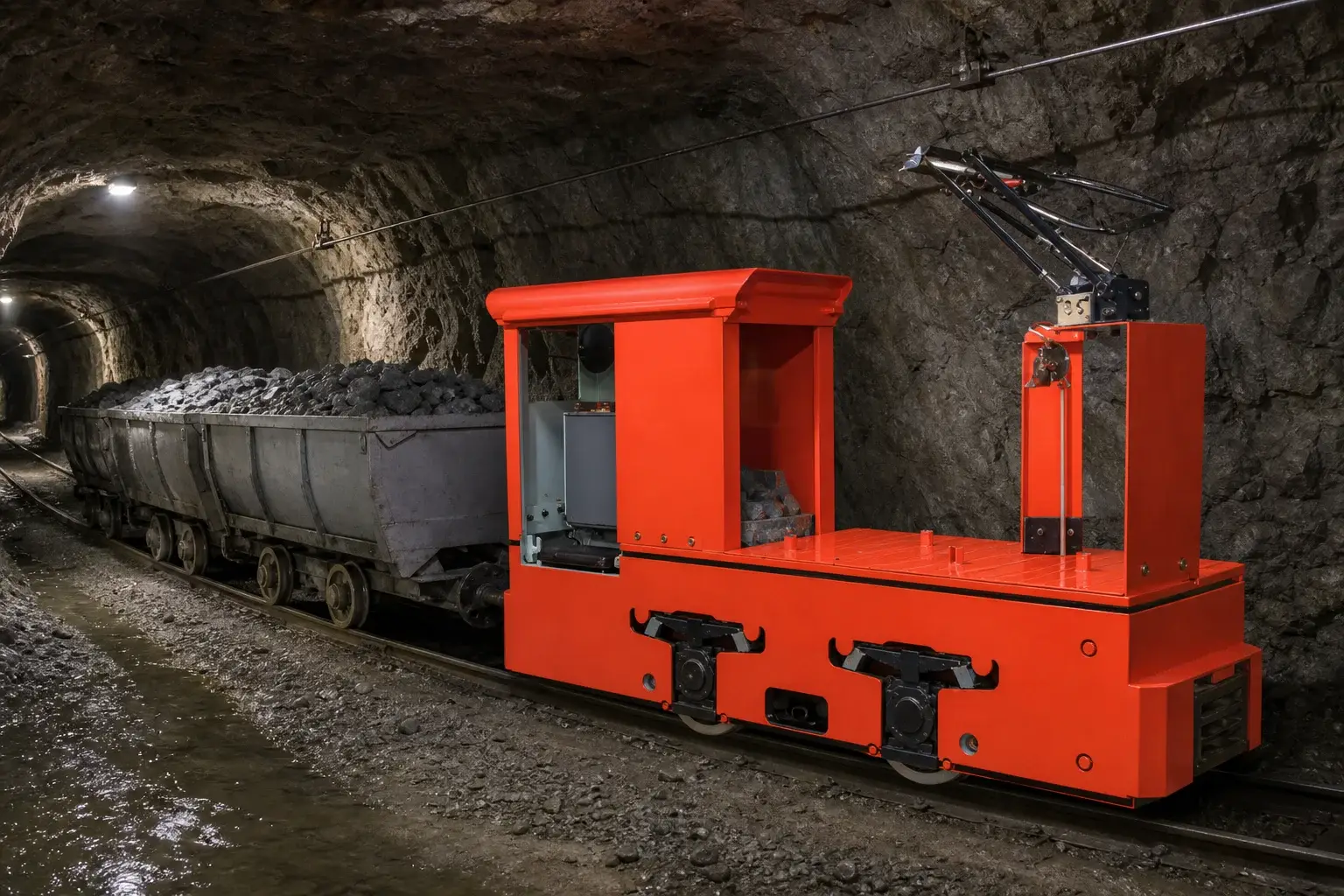
Երկաթուղին շարունակում է օգտակար լինել ֆիքսված երթուղիներում՝ կայուն տոննաժով։ Մարտկոցային լոկոմոտիվները խուսափում են օդային էլեկտրահաղորդման գծերից, մինչդեռ տրոլեյբուսային լոկոմոտիվները կարող են երկարատև շահագործում ապահովել հաստատված ցանցերում։ ZONGDA-ն մատակարարում է ստորգետնյա հանքարդյունաբերության լոկոմոտիվներ տարբեր չափերի, պարտականությունների և հանքային պայմանների համար։
Քարշակման ուժը, երկաթուղու թեքությունը, վագոնների քանակը, արգելակման հեռավորությունը և ռելսերի լայնությունը ինքնին ավելի կարևոր են, քան լոկոմոտիվի քաշը։ Երկաթուղին պակաս ճկուն է, քան անռելս նավատորմը, սակայն այն կարող է ապահովել կայուն բեռնափոխադրման ծախսեր, որտեղ երթուղիները քիչ են փոխվում։
Հորատման, մասշտաբավորման և գետնի վրա հենարանային տրանսպորտային միջոցներ
Թունելի ճակատային հորատման հսկաները, երկար անցքերի հորատման սարքավորումները, սկալերները և ամրացնող սարքերը պատրաստում են ուղղությունը և պահում ապարային զանգվածը: Բումի հասանելիությունը և սնուցման երկարությունը պետք է համապատասխանեն թունելի պրոֆիլին: ստորգետնյա հետախուզական մեքենաներ ZONGDA-ի արտադրանքը կարող է վերանայվել մշակման մնացած նավատորմի հետ միասին։
Ինչպես են ստորգետնյա տրանսպորտային միջոցները համապատասխանում տարբեր կիրառություններին
Հանքի դասավորությունը և արտադրության մեթոդը որոշում են, թե որ համադրությունն է աշխատում: Նույն անվանական տրանսպորտային միջոցը կարող է շատ տարբեր կերպ գործել կարճ, հարթ ուղղությամբ և երկար, խոնավ անկման ժամանակ:
Նեղ երակային և փոքր հանքեր
Նեղ երակային շահագործման դեպքում կոմպակտ չափսերը գերազանցում են առավելագույն օգտակար բեռնատարողությանը: Ցածր պրոֆիլի ձախակողմյան անիվը, փոքր հոդակապավոր բեռնատարը և սահմանափակ թվով ծառայողական մեքենաները կարող են շարունակել զարգացումը՝ առանց պատերի հետ չափազանց շփման կամ եռակետային շրջադարձերի: Ստուգեք մեքենայի ծրարը՝ ներառյալ հայելիները, ծածկը, արտանետման համակարգը և անվադողերի շեղումը:
Խոշոր ապարային հանքարդյունաբերություն
Ավելի մեծ բեռնատարները կարող են ապահովել ավելի մեծ տարողունակության ձախակողմյան բեռնատարներ և բեռնատարներ, սակայն նավատորմի հավասարակշռությունը մնում է որոշիչ գործոնը: Գնահատեք մեկ հերթափոխի տոննաները՝ հիմնվելով դույլի լցման, ճանապարհորդության ժամանակի, բեռնաթափման ժամանակի, առկայությունից և ուշացման վրա: Անվանականորեն ավելի մեծ բեռնատարը քիչ օգուտ է բերում, եթե այն սպասում է բեռնիչին կամ կորցնում է արագությունը թեքահարթակի վրա:
Ածխահանքեր և գազային հանքավայրեր
Ածուխը և այլ պոտենցիալ պայթյունավտանգ միջավայրերը կարող են պահանջել հրակայուն էլեկտրական սարքավորումներ, պաշտպանված տաք մակերեսներ և տեղանքին հատուկ հավաստագրում: Գնանշում խնդրելուց առաջ ստուգեք համապատասխան տեղական կանոնները: Տրանսպորտային միջոցը, լիցքավորիչը, լուսավորությունը և կապի սարքավորումները պետք է դիտարկվեն որպես մեկ անվտանգության համակարգ:
Թունելի կառուցում և գետնի ամրացում
Թունելային նախագծերը հաճախ պահանջում են բետոնախառնիչներ, ցողիչներ, բարձրացնող հարթակներ և նյութական փոխադրիչներ նույնքան, որքան անհրաժեշտ են տեղափոխման սարքավորումներ: Այս տրանսպորտային միջոցները պետք է համապատասխանեն ծածկույթի հաջորդականությանը և առկա շրջադարձային հարթակներին: Օդափոխության պահանջարկը նույնպես փոխվում է, քանի որ դիզելային սարքավորումները ավելի խորն են մտնում թունելի ուղեծիր:
Ընտրության գործոններ, որոնք փոխում են իրական աշխարհի կատարողականը
Սարքավորումների օգտակար համեմատությունը կապում է յուրաքանչյուր տեխնիկական բնութագիր աշխատանքային վիճակի հետ: Հետևյալ ստուգումները բացահայտում են անհամապատասխանությունների մեծ մասը, նախքան մեքենան կհասնի տեղամաս:
Թունելի ծրարը և մանևրելու ունակությունը
- Համեմատեք տրանսպորտային միջոցի լայնությունն ու բարձրությունը ամենափոքր շահագործման հատվածի հետ, այլ ոչ թե թունելի անվանական գծագրի։
- Ստուգեք ներքին և արտաքին շրջադարձի շառավիղները խաչմերուկներում, բեռնման կետերում և արհեստանոցներում։
- Նախատեսեք տարածք օդափոխման խողովակների, սպասարկման, ճանապարհի անհարթությունների և հետիոտների անվտանգ բաժանման համար։
- Հաստատեք վայրէջքի բարձրությունը, գետնից բարձրությունը, մոտեցման անկյունը և հոդակապման անկյունը։
Օգտակար բեռնվածություն, հանքաքարի խտություն և նավատորմի համապատասխանեցում
Բեռնատարի թափքի ծավալը պետք է համապատասխանի նյութի ազատ խտությանը: Խիտ հանքաքարը կարող է հասնել քաշի սահմանին, նախքան թափքը լիքը թվալը, մինչդեռ ցածր խտության նյութը կարող է առաջինը լցնել թափքը: Օգտագործեք իրատեսական դույլի լցման գործակիցներ և հաշվարկում ներառեք խոնավությունը, մասնատումը և հետհոսքը:
Էլեկտրաէներգիայի աղբյուր և օդափոխության բեռ
Դիզելային մեքենաները առաջարկում են ծանոթ լիցքավորում և ճկուն տեղակայում, չնայած ջերմությունն ու արտանետումները մեծացնում են օդափոխության պահանջարկը: Էլեկտրական սարքավորումները կարող են նվազեցնել տեղական արտանետումները և աղմուկը, բայց լիցքավորումը, մալուխների կառավարումը կամ մարտկոցի փոխարինումը պետք է համապատասխանեն հերթափոխի պլանին: Վերանայեք ZONGDA-ն: ստորգետնյա օդափոխման համակարգեր որպես նավատորմի որոշման մաս, այլ ոչ թե որպես առանձին գնման տարբերակ։
Անվտանգություն, արգելակում և օպերատորի տեսանելիություն
Խնդրեք նախագծված թեքության վրա աշխատանքային և արտակարգ արգելակման արդյունավետության ապացույցներ: Անհրաժեշտության դեպքում վերանայեք ROPS կամ FOPS պաշտպանությունը, լուսավորությունը, տեսախցիկները, ազդանշանները, հրդեհաշիջման միջոցները և ամենօրյա ստուգումների համար հասանելիությունը: Լավ տեսանելիությունը կրճատում է ցիկլերը, ինչպես նաև նվազեցնում է բախման ռիսկը:
Սպասարկման հասանելիություն և պահեստամասերի աջակցություն
Անհարմար ստուգման համար նախատեսված մեքենան հաճախ կստանա ավելի վատ կանխարգելիչ սպասարկում: Ուշադրություն դարձրեք խմբավորված սպասարկման կետերին, հասանելի ֆիլտրերին, հստակ ախտորոշիչ տեղեկատվությանը և հիմնական բաղադրիչները գետնի տակ հանելու տարածքին: Պատվիրելուց առաջ համաձայնեցրեք շահագործման հանձնման հավաքածուն, առաջարկվող երկամյա պահեստամասերի փաթեթը, ձեռնարկները, ուսուցումը և արձագանքման գործընթացը:
Գործնական տրանսպորտային միջոցի ընտրության գործընթաց
Կարճ, կարգապահ ընտրության գործընթացը կանխում է, որ տեխնիկական բնութագրերը շեղվեն դեպի ամենամեծ մեքենան կամ ամենացածր գնման գինը։
Կառուցեք պարտականությունների պրոֆիլը
Գրանցեք թունելի չափերը, թեքությունները, տեղափոխման հեռավորությունը, ճանապարհի վիճակը, հանքաքարի խտությունը, մեկ հերթափոխի համար նախատեսված տոննաները, աշխատանքային ժամերը և շրջակա միջավայրի պայմանները: Մոդելները համեմատելուց առաջ ավելացրեք տեղական անվտանգության և արտանետումների պահանջները:
Հաշվարկել նավատորմը որպես համակարգ
Գնահատեք յուրաքանչյուր մեքենայի ցիկլի տևողությունը և ներառեք հերթը, հերթափոխի փոփոխությունը, վառելիքի լիցքավորումը կամ լիցքավորումը, ինչպես նաև պլանավորված սպասարկումը: Փորձարկեք առնվազն երկու համադրություն ավտոպարկում: Հավասարակշռված, փոքր ավտոպարկը կարող է գերազանցել բարձր հզորությամբ մեքենային, որը յուրաքանչյուր հերթափոխի մի մասն անցկացնում է սպասելով:
Հաստատեք մատակարարին և մեքենան
Հարցրեք գծագրեր, բաղադրիչների ապրանքանիշեր, փորձարկման գրառումներ, ձեռնարկներ, պահեստամասերի ցանկեր և համեմատելի նախագծերի հղումներ: Վերանայեք ZONGDA-ն: հանքարդյունաբերության դեպքեր և արտադրությունից առաջ քննարկել չափերի, շարժիչի կամ անվտանգության ցանկացած անհրաժեշտ փոփոխություն։
Պլանավորեք շահագործման հանձնումը մինչև առաքումը
Գնման պայմանագրում հաստատեք տեղամասի հավաքումը, օպերատորի վերապատրաստումը, սպասարկման վերապատրաստումը, ընդունման փորձարկումները և մասերի պաշարները: Հստակ շահագործման հանձնման պլանը հանքին ավելի արագ ուղի է տալիս՝ մատակարարումից մինչև կայուն արտադրություն:
ZONGDA ստորգետնյա հանքարդյունաբերական մեքենայի ընտրություն
ZONGDA-ն համագործակցում է հանքարդյունաբերության հաճախորդների հետ՝ սարքավորումները թունելի երկրաչափությանը, բեռնափոխադրման աշխատանքներին և շահագործման պայմաններին համապատասխանեցնելու համար: Արտադրանքի տեսականին ներառում է անռելս հանքարդյունաբերական սարքավորումներ, շոգեքարշներ, օդափոխման, բարձրացման և հետախուզման սարքավորումներ, ինչը օգնում է գնորդներին հանքը դիտարկել որպես մեկ գործող համակարգ:
Ձեր հարցման մեջ ներառելու տեղեկատվություն
- Թունելի նվազագույն լայնությունը և բարձրությունը, շրջադարձի շառավիղը և առավելագույն թեքությունը։
- Նյութի տեսակը, չամրացված խտությունը, մասնատվածությունը և մեկ հերթափոխի նպատակային տոննաները։
- Միջին և առավելագույն տեղափոխման հեռավորությունը, ճանապարհի մակերեսը և ջրի վիճակը։
- Նախընտրելի սնուցման աղբյուր, տեղական լարում, արտանետումների կանոններ և պահանջվող հավաստագրեր։
- Աշխատանքային ժամեր, սպասվող հասանելիություն, վերապատրաստման կարիքներ և պահեստամասերի պլան։
Ուղարկեք այս տվյալները միջոցով՝ ZONGDA կոնտակտային էջԱվելի հստակ պարտականությունների պրոֆիլը հանգեցնում է ավելի օգտակար տեխնիկական առաջարկի և պատվերից հետո ավելի քիչ փոփոխությունների։
Վերնագիր
Ստորգետնյա հանքարդյունաբերական տրանսպորտային միջոցների ամբողջական ուղեցույց | ZONGDA
Նկարագրություն
Ուսումնասիրեք ստորգետնյա հանքարդյունաբերական տրանսպորտային միջոցների տեսակները, կիրառությունները և ընտրության գործոնները: Համեմատեք ZONGDA-ի ձախակողմյան շարժիչները, հանքարդյունաբերական բեռնատարները, կոմունալ տրանսպորտային միջոցները և շոգեքարշները:
Բանալի բառեր
Ստորգետնյա հանքարդյունաբերական տրանսպորտային միջոցներ, ստոր ... միջոցների տեսակներ, ստորգետնյա հանքարդյունաբերական տրանսպորտային միջոցների ընտրություն, LHD ստորգետնյա հանքարդյունաբերություն, ստորգետնյա հանքարդյունաբերական բեռնատարներ, ստորգետնյա կոմունալ տրանսպորտային միջոցներ, ստորգետնյա հանքարդյունաբերական շոգեքարշներ, անուղղաձիգ հանքարդյունաբերական սարքավորումներ, ZONGDA