Перемещение горных пород вручную в 2026 году сильно снижает рентабельность. Многие небольшие предприятия по-прежнему полагаются на устаревший полуручной труд и стареющие сельскохозяйственные тракторы, переоборудованные для подземных работ. Это медленный и трудоемкий способ ведения бизнеса. Опора на физическую силу создает серьезное узкое место в производстве.
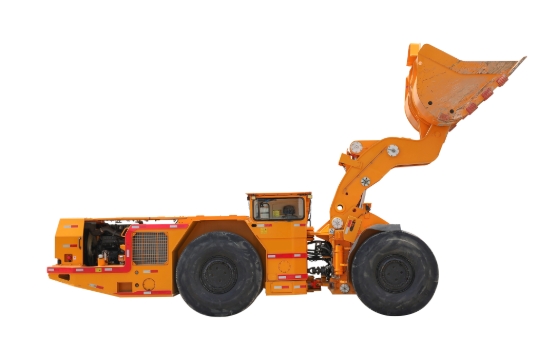
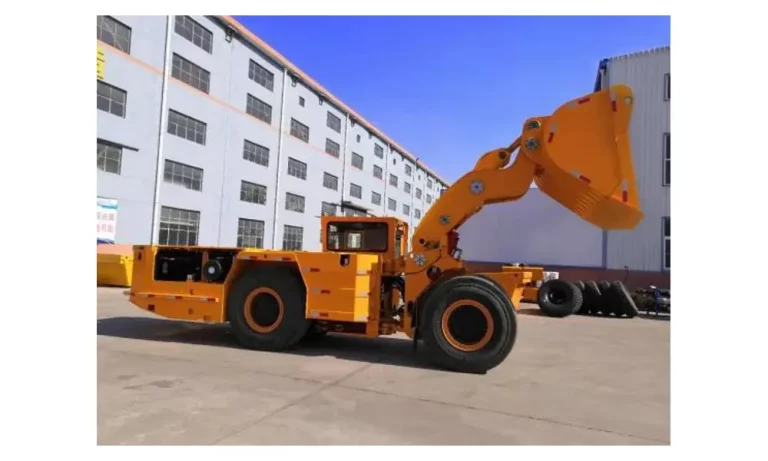
Вы ограничиваете суточный объем добычи независимо от скорости работы бурильщиков. Это также подвергает рабочих огромной опасности для безопасности непосредственно на забое. Критически важным шагом для небольших шахт является отказ от покупки огромных многомиллионных буровых установок. Переход к компактным технологиям подземные погрузчики LHD Это позволяет преодолеть разрыв между неэффективным ручным трудом и полномасштабной механизацией. Вы добываете щебень быстрее, безопаснее и дешевле.
Почему ручная выемка грунта существенно снижает прибыльность вашей шахты?
Цикл бурения и взрывных работ зависит от скорости этапа выемки породы. Если для расчистки взорванного забоя с помощью тачек или модифицированного мини-погрузчика требуется три смены, ваши буровые установки просто простаивают. Использование ручной выемки породы немедленно ограничивает ваш суточный объем добычи. Это значительно увеличивает ваши фактические затраты на тонну перевезенной руды. Вы платите за рабочее время, а не за фактический объем производства.
Хотя на первый взгляд человеческий труд кажется дешевым, мучительно медленный темп работы полностью снижает прибыльность. Ручная погрузка персонала вблизи неустойчивых скальных пород также значительно увеличивает риск несчастных случаев. Одна травма может остановить всю работу на несколько дней. Паузы для обеспечения безопасности становятся обязательными, что еще больше замедляет процесс.
Каковы реальные экономические последствия перехода на механизированные погрузчики?
Цифры говорят сами за себя, если взглянуть на последние отраслевые данные по модернизации шахт. Одно крупное североамериканское предприятие по добыче серебра недавно доказало, что переход на механизированную добычу может сократить цикл разработки традиционной выработки с 14 месяцев до всего 28 дней. Это колоссальный скачок в скорости.
Они также снизили удельные издержки добычи примерно на 60%. Это происходит потому, что большие объемы руды перемещаются с меньшим количеством трудозатрат. Более быстрая доставка руды из забоя на обогатительную фабрику ускоряет приток денежных средств. Вы получаете прибыль гораздо раньше. Увеличение суточного объема добычи означает, что ваши постоянные затраты на вентиляцию, перекачку и управление площадкой распределяются на более прибыльные тонны руды.
Как компактные подземные погрузчики LHD решают проблему нехватки места?
Распространенная проблема среди владельцев небольших шахт — это размер туннелей. Глядя на свои узкие штольни, можно подумать, что тяжелая техника просто не поместится. Однако для работы в условиях узких жил используется специально разработанная техника. шарнирное рулевое управление для прохождения узких поперечных выработок без необходимости дорогостоящего расширения туннелей.
Эти машины физически изгибаются посередине. Они плотно прилегают к стенам на острых углах, где застревают тракторы с жесткой рамой. Вам не нужно взрывать более широкие забои только для того, чтобы вместить погрузчик. Правильно подобранная компактная установка перемещает максимальное количество породы за один рейс прямо в пределах существующей площади туннеля.
Почему простота эксплуатации имеет решающее значение для механизации начального уровня?
Небольшие шахты редко располагают бюджетом на привлечение высококвалифицированных операторов тяжелой техники. Вашей нынешней команде необходимо управлять новой техникой. Поэтому интуитивно понятное управление имеет решающее значение. Небольшие предприятия требуют надежного, погрузчики с механическим приводом не имеет сложной электроники.
Вам нужна машина, которую обычный водитель трактора сможет быстро освоить. Компьютеризированная система впрыска топлива и цифровые диагностические экраны отлично смотрятся в брошюре. Торговый представитель обожает на них указывать. Но когда они выходят из строя на глубине двух миль под землей, это превращается в настоящий кошмар.
Если в один из датчиков попадет капля кислотной грязи, машина внезапно перестанет запускаться. Использование исключительно механических решений позволяет вашему штатному механику заниматься плановым техническим обслуживанием. Вы будете чинить это с помощью гаечных ключей, а не ноутбука.
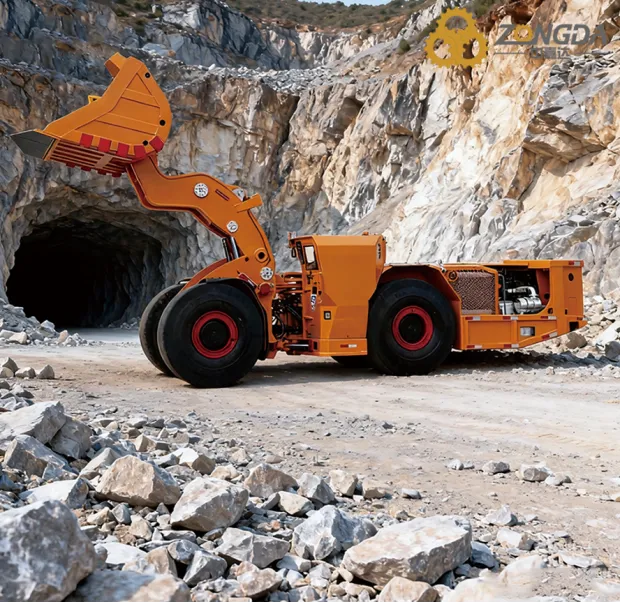
Как выбрать свой первый подземный погрузчик с левосторонним рулевым управлением, не переплачивая?
Размер погрузчика должен точно соответствовать суточной производительности вашего комбината и ограничениям по высоте погрузочной платформы. Покупка самой большой доступной машины — классическая ошибка, которая замораживает капитал. Чтобы найти оптимальный вариант, нужно выбрать раму с ковшом объемом 0,75 м³ и грузоподъемностью 1,5 тонны, идеально соответствующую вашему суточному объему загрузки.
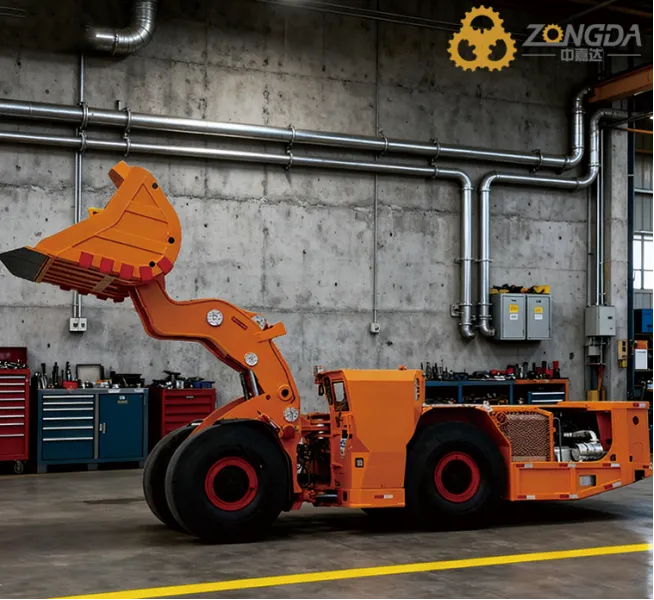
Когда вы начинаете закупать оборудование такого масштаба, сотрудничество со специализированным производителем, таким как... ЗОНГДА Это меняет финансовую ситуацию. Они создают специализированное безгусеничное горнодобывающее оборудование, ориентированное исключительно на суровые реалии активной добычи полезных ископаемых. Вместо того чтобы модифицировать погрузчики для поверхностного строительства, инженеры ZONGDA разрабатывают свои компактные установки с нуля для подземной логистики.
Их транспортные средства оснащены прочными промышленными шасси, надежными механическими трансмиссиями и усиленными ковшами, способными справляться с абразивными породами без повреждений. Интеграция их оборудования обеспечивает исключительную долговечность, необходимую для работы в стесненных условиях, при этом ваши капитальные затраты строго контролируются. Вы получаете специализированную производительность без завышенных цен, характерных для глобальных мегабрендов.
Часто задаваемые вопросы
В1: Насколько механизация может сократить время цикла разработки нашей выработки?
А: Переход отрасли от традиционной к механизированной погрузке демонстрирует невероятные результаты. Зачастую стандартный цикл ручной погрузки сокращается с 14 месяцев до всего 28 дней.
В2: Сложно ли нынешнему персоналу управлять компактными погрузчиками LHD?
А: Вовсе нет. Самый быстрый путь к механизации начального уровня предполагает интеграцию компактное подземное оборудование Разработан с интуитивно понятным управлением, освоить которое можно очень быстро, используя стандартные драйверы для поверхностных накопителей.
В3: Потребуется ли нам расширить существующие туннели, чтобы вместить погрузчик с левосторонним погрузчиком?
А: Обычно нет. Компактные погрузчики специально предназначены для работы в узких забоях. Их шарнирно-сочлененное рулевое управление позволяет им перемещаться по узким стандартным забоям без дорогостоящих взрывных работ в туннелях.
Вопрос 4: Каковы самые большие скрытые издержки, связанные с задержкой механизации?
А: Потеря денежного потока. Высокая себестоимость тонны медленной ручной добычи ограничивает общую прибыльность и замораживает капитал в разработке месторождения на месяцы, а не на недели.
В5: Как обслуживать подземный погрузчик без привлечения квалифицированных специалистов?
А: Выбирайте надежные погрузчики с механическим приводом. Избегайте машин, сильно зависящих от сложных электронных датчиков. Это позволит вашей местной команде механиков проводить ежедневное обслуживание с помощью стандартных ручных инструментов.