For small and medium mines, building the right underground trackless fleet is not about buying the biggest machines. It is about matching each daily job with the right unit, while keeping the mine equipment budget, roadway size, and maintenance crew in mind.
A practical fleet often includes an underground loader, подземни рударски камион, underground personnel carrier, underground material carrier, and scissor lift utility vehicle. ZONGDA’s trackless mining equipment range includes underground loaders, underground trucks, personnel carriers, utility vehicles, and other mine support equipment, which gives buyers several fleet combinations to consider.
Why Do Small and Medium Mines Need a Smarter Trackless Fleet Plan?
A small mine may not have many spare machines. If one unit stops, the whole shift can slow down. That is why underground mining equipment selection should begin with the job list, not a product list.
Start with Real Daily Tasks
Write down what happens each shift: ore loading, waste rock handling, worker transport, spare parts delivery, pipe movement, cable repair, and elevated maintenance. These small tasks look harmless, but they steal time when the wrong machine handles them.
Do Not Let One Machine Do Everything
An oversized underground truck should not carry small tools. A loader should not become a work platform. A personnel carrier should not be overloaded with materials. This sounds obvious, but it happens underground more than people admit.
What Mine Data Should You Collect Before Buying Equipment?
Before choosing underground trackless mining equipment, you need numbers from the site. Good fleet planning depends on tunnel size, road slope, haul distance, and production target.
Measure Roadway and Route Conditions
Record tunnel height, tunnel width, turning radius, road slope, road surface, ventilation condition, and drainage condition. If your main roadway is wide but the loading bay is tight, the loading bay becomes the real limit.
Match Equipment to Production Target
A low-tonnage mine may need one compact loader and one small utility vehicle. A medium mine may need a loader and truck pair, plus personnel and maintenance support vehicles. The best underground trackless fleet should fit the mine’s rhythm, not fight it.
How Should You Choose the Right Underground Loader?
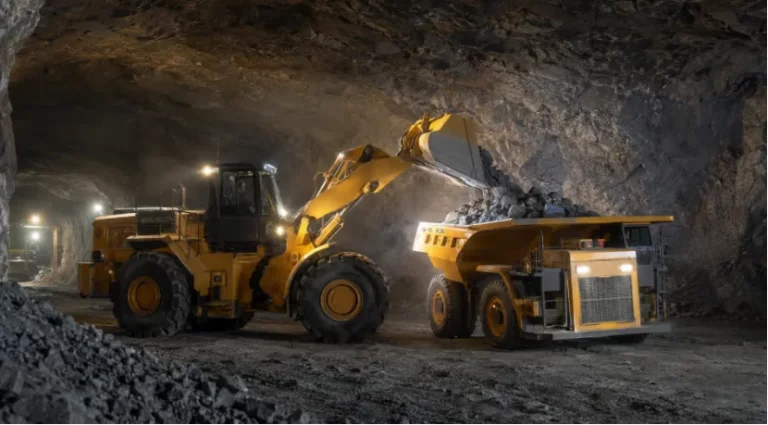
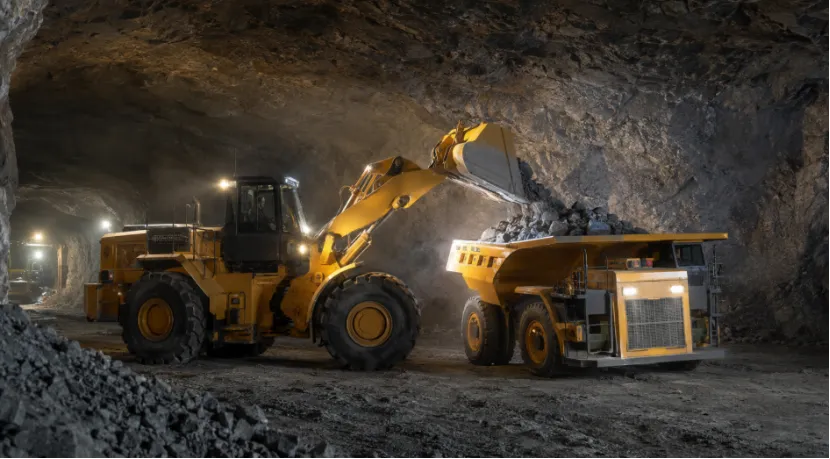
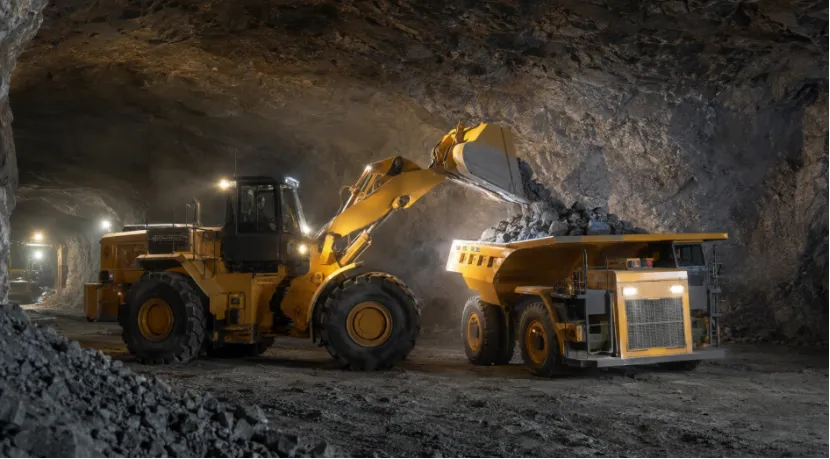
The underground loader is usually the heart of the fleet. It handles ore loading, waste rock handling, and short-distance transportation near the working face.
Match Bucket Capacity with Tunnel Size
A larger LHD loader can move more material per trip, but it also needs more turning room and stronger haul routes. ZONGDA’s category page lists several loader choices, including 6m³ heavy-duty LHD equipment and low-profile LHD options for underground mine loading work.
Think About Maintenance Access
For a limited maintenance team, easy inspection matters. Choose a machine your team can service with available tools, spare parts, and skill levels. A high-spec machine that waits for parts is just expensive steel underground.
How Many Underground Mining Trucks Does a Small Fleet Need?
An underground mining truck should match the loader, haul distance, and dumping cycle. If the loader waits too long, you lose output. If trucks wait in line, you burn fuel and create traffic.
Keep Loader and Truck Matching Simple
Look at bucket capacity, truck payload, haul distance, slope, loading cycle, and dumping time. The ZDT105 underground mining vehicle is designed for underground mines and uses diesel power, hydraulic mechanical transmission, four-wheel drive, a rear dump body, central articulated hydraulic steering, and a closed cab. It is suited to medium-section tunnel operations, with a 5-ton rated load and a road slope condition of ≤14°.
Avoid Oversized Trucks in Narrow Roadways
A big truck may look efficient in a spreadsheet. In a narrow tunnel, it may turn slowly, wear tires faster, and block other vehicles. For small and medium mines, balance often beats size.
When Should You Add Personnel and Material Carriers?
Crew movement and small material delivery are easy to overlook. Yet these jobs affect shift efficiency every day. If workers walk long distances or wait for tools, production suffers quietly.
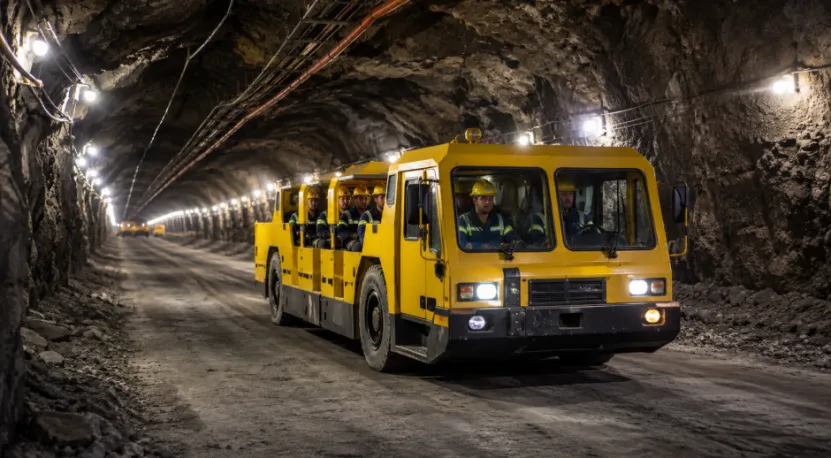
Use a Personnel Carrier for Crew Transport
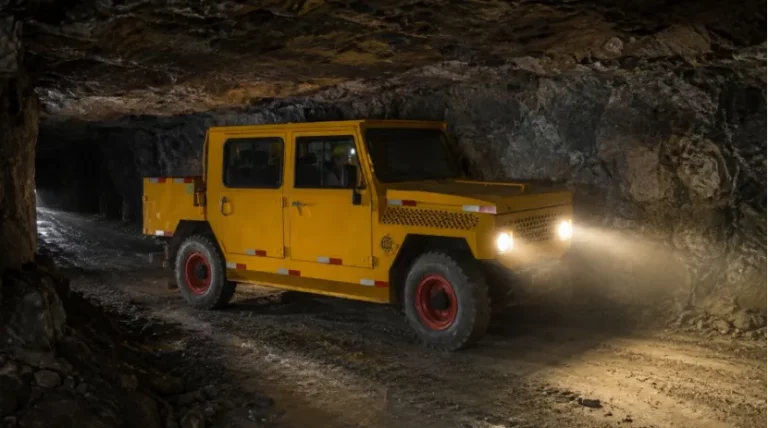
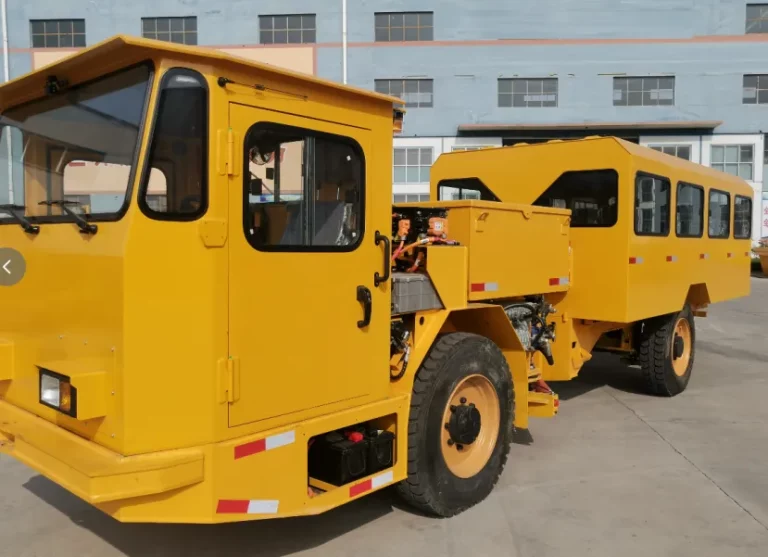
An underground personnel carrier helps move crews safely and quickly. ZDRU-10 is a trackless passenger truck for underground mines, powered by diesel, with hydraulic mechanical transmission, four-wheel drive, wet multi-disc hydraulic brakes, a closed cab, and a 10-person rated passenger capacity.
Use a Material Carrier for Small Loads
An underground material carrier is better for tool transport, spare parts delivery, and maintenance support. The ZDFL-0.5 personnel and material carrier is designed for underground non-coal mines. It has a 0.5-ton rated load, 4-person passenger capacity, four-wheel drive, wet multi-disc hydraulic brakes, and works in tunnels of 2.5m height × 3m width and above, with outside turning radius ≥6m and road slope ≤14°.
Where Does a Scissor Lift Utility Vehicle Fit?
A scissor lift utility vehicle is not for every first purchase, but many mines need it sooner than expected. Lighting, cables, ventilation pipes, and roof-side inspection all create elevated maintenance work.
Keep Maintenance Work Safer and Faster
Using a loader bucket as a work platform is a bad habit. A proper underground maintenance vehicle gives workers a stable platform and keeps repair jobs more controlled. For medium mines, this can reduce awkward downtime during pipe, cable, and lighting work.
Why Work with ZONGDA for Fleet Planning?
ЗОНГДА focuses on underground mining machinery, including trackless mining equipment, underground locomotives, ventilation systems, hoisting systems, exploration machines, and related mine solutions. The company has years of underground mining experience and more than 30 professional mining experts and engineers for research, production, quality control, and after-sales technical support.
Its product thinking is practical: equipment should match roadway size, slope, ventilation, drainage, payload, crew size, and maintenance tasks. For buyers with limited budgets, that practical view matters.
Закључак
For small and medium mines, the right underground trackless fleet is a balanced group, not a random collection of machines. Start with mine site data. Then match the underground loader, underground mining truck, underground personnel carrier, underground material carrier, and scissor lift utility vehicle to real daily tasks. A fleet that fits the mine will usually save more money than a fleet that only looks powerful on paper.
ФАК
Q1: What Equipment Is Needed in an Underground Trackless Fleet?
A: A basic underground trackless fleet usually includes an underground loader, underground mining truck, underground personnel carrier, underground material carrier, and sometimes a scissor lift utility vehicle.
Q2: How Do Small Mines Choose Between a Loader and a Mining Truck?
A: Small mines should compare bucket capacity, truck payload, haul distance, road slope, loading cycle, and daily production target.
Q3: Why Does a Small Mine Need a Personnel Carrier?
A: A personnel carrier reduces walking time, supports safer crew transport, and helps workers reach the face faster during shift changes.
Q4: When Should a Mine Use a Material Carrier?
A: Use a material carrier when the mine needs frequent tool transport, spare parts delivery, small material movement, and maintenance support.
Q5: How Can Buyers Reduce Total Cost of Ownership?
A: Choose equipment that matches roadway size, payload demand, maintenance ability, spare parts supply, fuel use, tire wear, and real shift tasks.