Trackless underground mining equipment is selected around one practical question: how will broken ore and waste rock move from the working face to the next transfer point? In a metal mine, the answer usually involves two different machines. An underground mining loader loads and handles material near the face. An underground mining truck carries that material along the haul route.
The two machines should not be selected as unrelated products. Tunnel geometry, road gradient, material density, haul distance, loading method and spare-parts planning all affect whether a loader, a truck or a matched loader-truck system is the right fit. This guide explains the decision in a form that mine owners, project engineers and procurement teams can use before sending an RFQ.
What does trackless equipment do in a metal mine?
Trackless equipment travels through underground roadways without depending on a fixed rail system. ZONGDA groups this type of equipment in its рударска опрема без трагова range. Roadway geometry and machine maneuverability are therefore central to selection.
For a typical loading and haulage cycle, the loader approaches the blasted material, fills its bucket, moves the material to a truck or nearby dumping point, and returns to the loading area. The truck receives the material, travels along the haul route, dumps it at the designated point and returns for the next load.
This division of work is useful because the loader and the truck solve different problems. The loader is primarily a face-area and loading machine. The truck is primarily a haulage machine. A machine that looks suitable on a specification sheet can still be a poor choice if it cannot turn, clear the roof, brake on the grade or work with the other machine in the available roadway.
What is the difference between an underground loader and an underground mining truck?
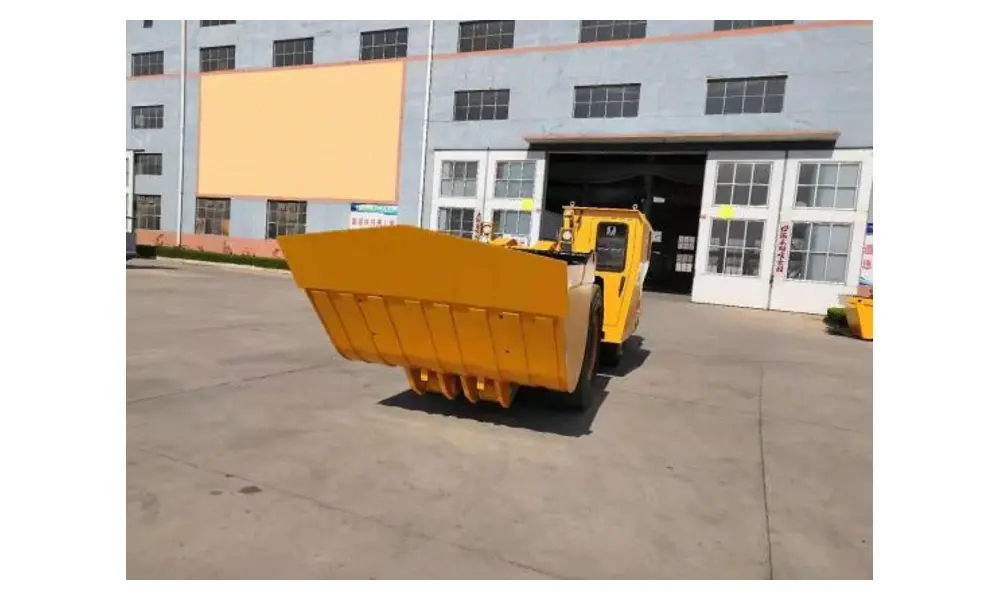
| Decision point | Underground mining loader | Подземни рударски камион |
| Main job | Load ore or muck and move it over a short distance | Transport ore or waste rock along the haul route |
| Primary work area | Face, drawpoint, crosscut or loading bay | Decline, ramp, level haulage road or dumping route |
| Main sizing questions | Bucket capacity, rated payload, breakout force, dump height and turning space | Payload, body volume, clearance, gradeability, braking and haul distance |
| Main matching risk | A bucket that is too small or too large for the truck | A truck that waits for the loader or cannot pass through the route |
| Key project inputs | Face dimensions, material condition and loading height | Route length, gradient, road width, dumping height and traffic plan |
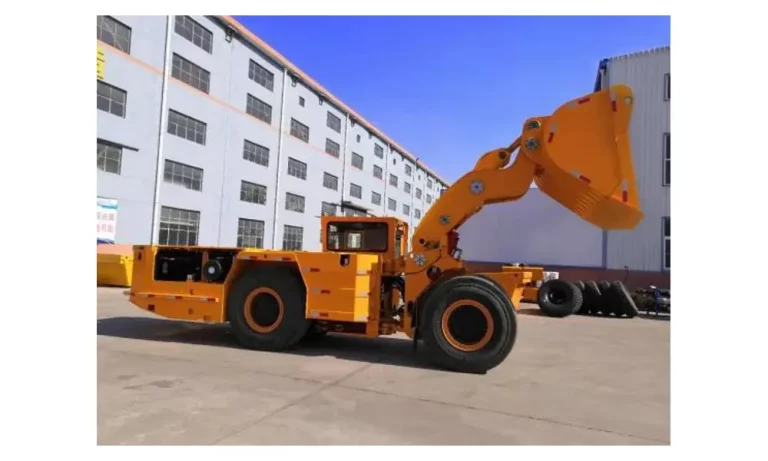
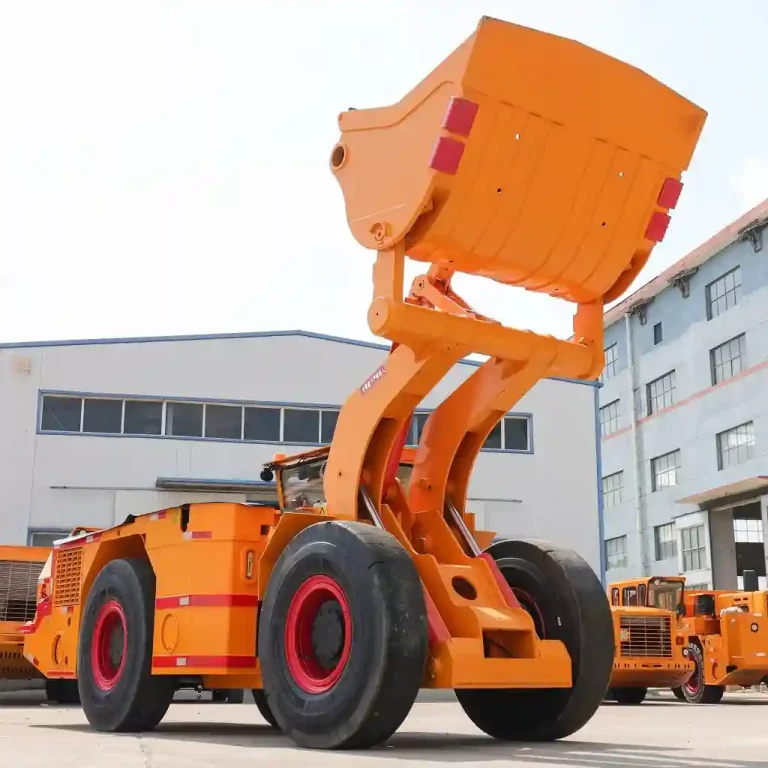
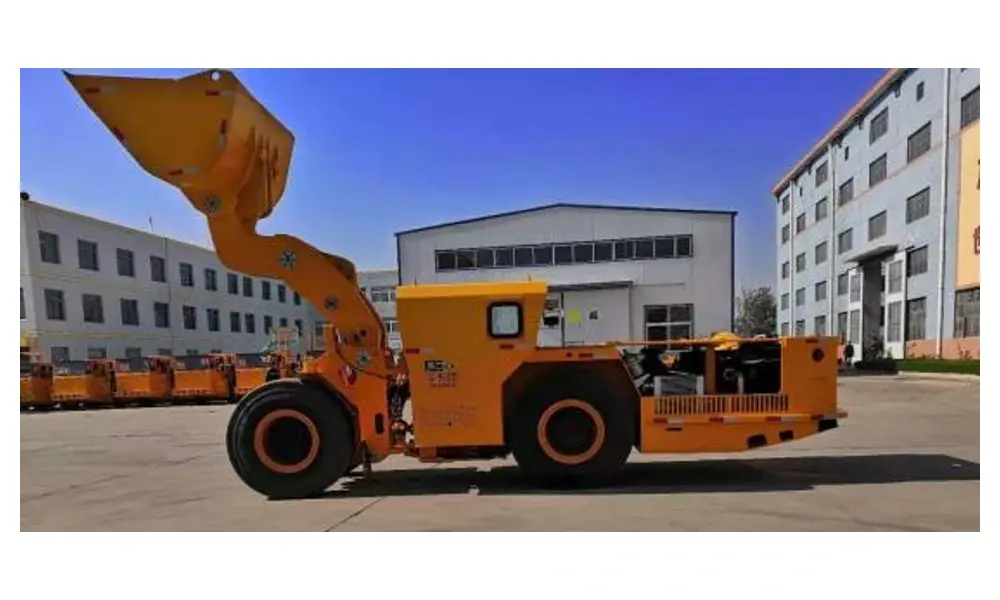
ZONGDA’s published 4T underground LHD loader is described for ore loading, mucking and short-distance material transport. Its page lists a 4 t rated payload and a 2 m³ bucket capacity. These values are useful as an example of how to read a product page, but they are not universal design limits for every LHD application.
ЗОНГДА 8217; s ЗДТ105 подземни рударски камион is presented as trackless underground mining equipment for ore and waste-rock haulage. The page describes diesel power, four-wheel drive, central articulated steering and a rear-dump body. Check whether those features match the mine’s route and loading plan.
Which mine conditions should drive equipment selection?
Ширина и висина тунела
Start with the smallest working section, not the average section. Record the clear width, clear height, side obstructions, roof support, drainage channels and any turning pocket. A machine needs enough clearance to travel safely and to position itself for loading or dumping.
Published product conditions can vary significantly between models. For example, one documented ZDL307 loader specification uses a tunnel cross-section example of approximately 4 m by 4 m or above. The ZDT105 product page gives a different example condition, including a tunnel height of about 3 m and width of about 3.5 m or above. These figures show why the buyer should submit the actual mine drawing instead of selecting equipment from a generic “small” or “large” label.
Turning radius and articulation
An articulated trackless machine may turn more flexibly than a rigid vehicle, but articulation does not remove the need to check the full swept path. Ask for the inside and outside turning radius, then compare those values with the tightest bend, intersection and loading bay.
Also check the position of the bucket, body, tires and rear overhang during a turn. The critical measurement is not only whether the front wheels can turn. It is whether the whole machine can complete the maneuver without contacting the roof, rib, ventilation line or service installation.
Road gradient and braking review
Gradient affects both loaded travel and empty return travel. A loaded truck may require a different braking review from an empty truck. The project team should provide the maximum loaded grade, the length of the grade, the surface condition, the stopping locations and the expected traffic direction.
Do not treat a product-page climbing figure as a guarantee of production on every ramp. It is a model-specific reference that still needs to be checked against payload, road condition, tire selection, braking requirements and the mine’s operating rules.
Material density and bucket-to-body matching
Bucket volume and rated payload are not the same measurement. The actual load depends on material density, fragmentation, moisture, fill factor and the operating method. A loader bucket that appears large enough by volume may exceed the safe payload when loading dense ore. A truck body that looks large enough may not be filled efficiently if the loader bucket and loading height are poorly matched.
During the RFQ stage, provide the expected material density range, typical fragmentation, target payload, bucket capacity and truck body volume. The supplier can then evaluate loading passes and whether the proposed combination is mechanically and operationally sensible.
Haul distance and cycle time
A loader is often selected around the loading point. A truck is selected around the entire route. Measure the one-way haul distance, return distance, loading time, dumping time, waiting points and traffic controls. These values help determine whether one truck can keep up with the loader or whether a small fleet is required.
Avoid publishing a fixed trucks-per-loader ratio without project data. The correct number changes with distance, gradient, road conditions, loading time, dumping arrangement and equipment availability.
Should a mine buy a loader, a truck or a matched system?
Use the following decision logic before requesting a quotation:
- Select the loading task first. Define the face or drawpoint, target payload, bucket capacity, loading height and available turning space.
- Define the haul route. Record the route length, gradient, road width, dumping height, ventilation conditions and traffic restrictions.
- Check the equipment interface. Compare bucket volume, truck body volume, loading height, pass count, turning space and expected cycle time.
- Review the operating limits. Confirm braking, steering, tire, drainage, fuel and maintenance requirements for the actual mine conditions.
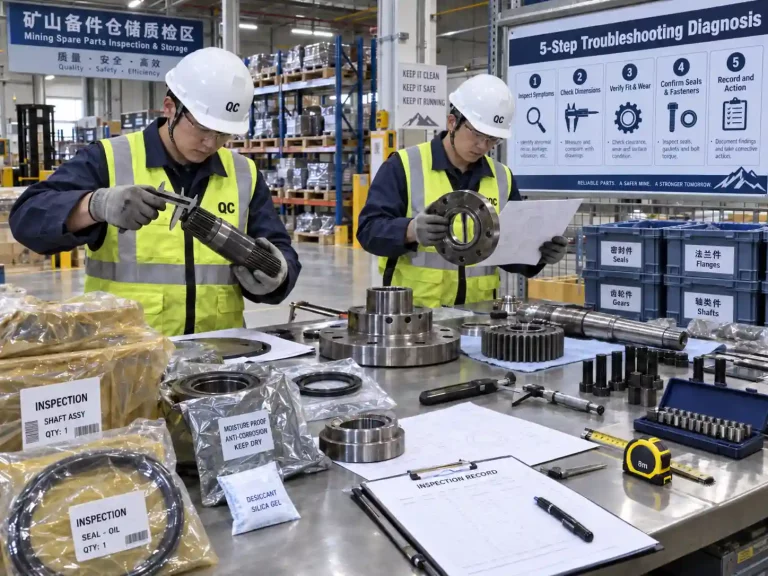
- Build the spare-parts question into the same RFQ. Ask which assemblies are critical, which wear parts should be supplied initially and how the parts list is linked to the selected model.
A loader-only purchase may make sense when the mine already has a compatible haulage system or when the loader works mainly at a nearby transfer point. A truck-only purchase may make sense when the loading equipment is already defined. A matched system deserves a joint review when the mine is opening a new working area or changing its production route.
What should a buyer include in an RFQ?
Send more than a target tonnage. A useful RFQ package should include:
- Mine type and ore or waste-rock application
- Tunnel width, height and the tightest turning location
- Maximum loaded and empty gradients
- One-way haul distance and dumping arrangement
- Material density range and fragmentation condition
- Required payload and expected operating hours
- Loader bucket capacity or truck body-volume target
- Road surface, water condition, ventilation and drainage information
- Preferred power system and local service constraints
- Initial spare-parts scope, wear-parts list and recommended critical assemblies
- Destination country and any documentation or shipping requirements
This information lets the supplier separate a general product match from a project-specific recommendation. It also reduces the risk of receiving a quotation that looks attractive but leaves key operating conditions unanswered.
Final takeaway
For underground metal mines, trackless equipment selection should begin with the mine layout and material flow, not with a single headline specification. The loader must work in the face area, while the truck must complete the haul route. Their bucket, body, payload, clearance, turning and cycle-time relationship also matters.
If you are preparing a new equipment RFQ, send the tunnel drawing, maximum gradient, turning-radius information, haul distance, material density, target payload and spare-parts requirements together. ZONGDA can then review the underground mining loader, underground mining truck or matched trackless-equipment scope against the information available for your metal-mine project.