Производња руде зависи од више него само од утоваривача и камиона за превоз. Посаде морају да дођу до копа, механичарима су потребни алати и уље, а тимовима за подршку на земљи је потребан бетон на правом месту. Када ови мањи послови касне, производна флота чека.
Комунална возила у подземном рударству обављају те помоћне задатке без одвајања главних машина од утовара и транспорта. Ова категорија обухвата возила за превоз људства, сервисна возила, камионе за мазива, мешалице за бетон и мобилне радне платформе. Практична корист је једноставна: свако возило обавља дефинисани посао у простору и условима који се налазе под земљом.
Које послове обављају подземна рударска возила?
Комунална возила за подземно рударство не деле сва исту каросерију или опрему. Њихова вредност долази од усклађивања возила са свакодневним задатком. Транспортер за особље превози посаду. Камион за мазиво довози сервисне течности. Миксер за бетон подржава радове на путу и контроли на земљи. Премештање људи и екипа за одржавање
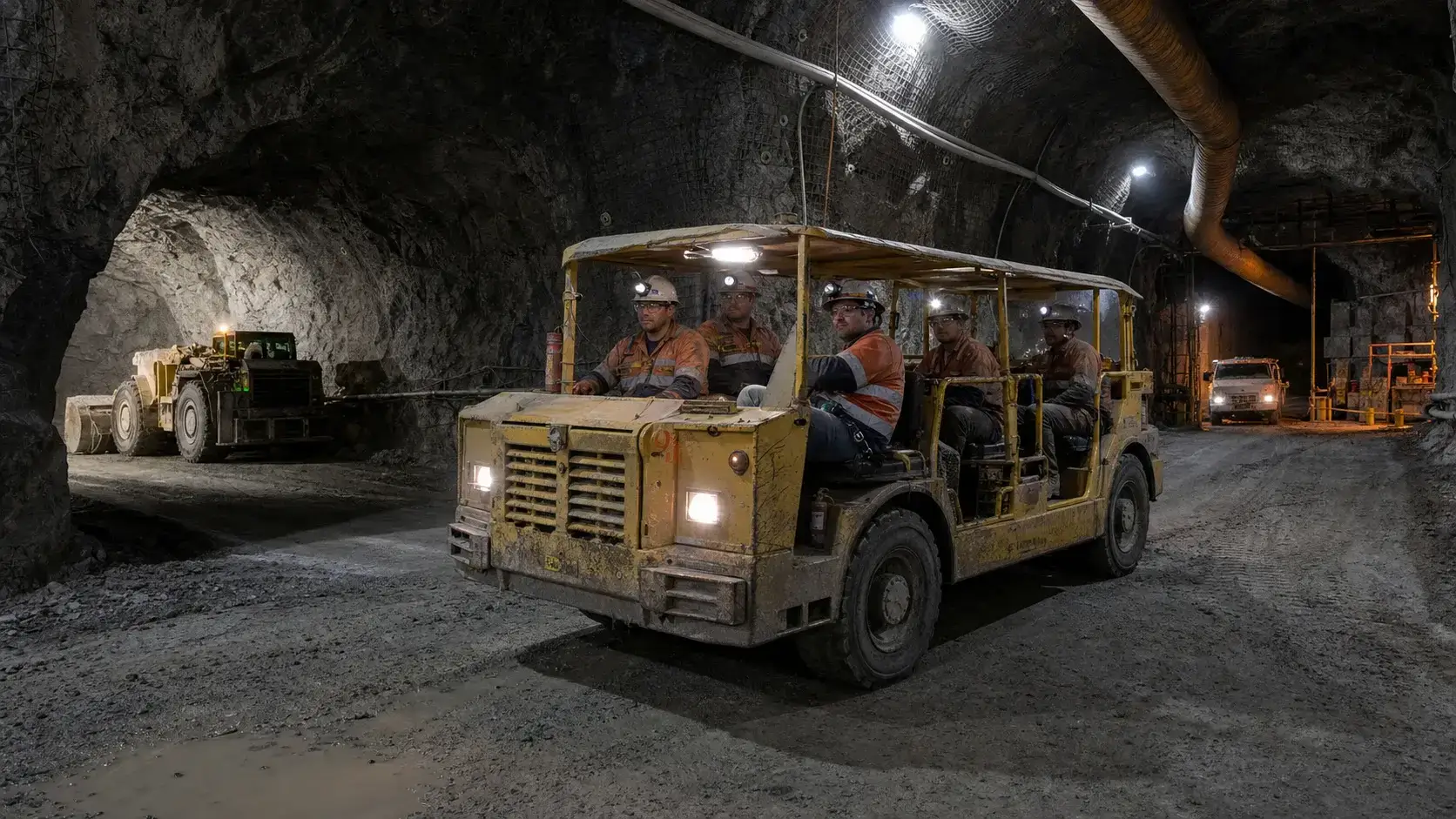
Подземни транспортер особља може да превози раднике између места за промену смена, производних подручја и места за одржавање. Ово смањује дуге шетње кроз активне путеве и помаже да цела посада стигне заједно.
Једна објављена конфигурација транспортера особља без угља има места за десет људи. Користи погон на сва четири точка, затворену кабину и хидраулично управљање. Његове радне кочнице су мокре вишелајсне јединице, док опружне кочнице држе возило када је паркирано. Ове карактеристике боље одговарају неравним подовима и честим заустављањима него благо модификовано друмско возило.
Можете упоредити ову улогу са стварном подземни транспортер особља приликом планирања кретања посаде.
Доношење алата и сервисног материјала до машине
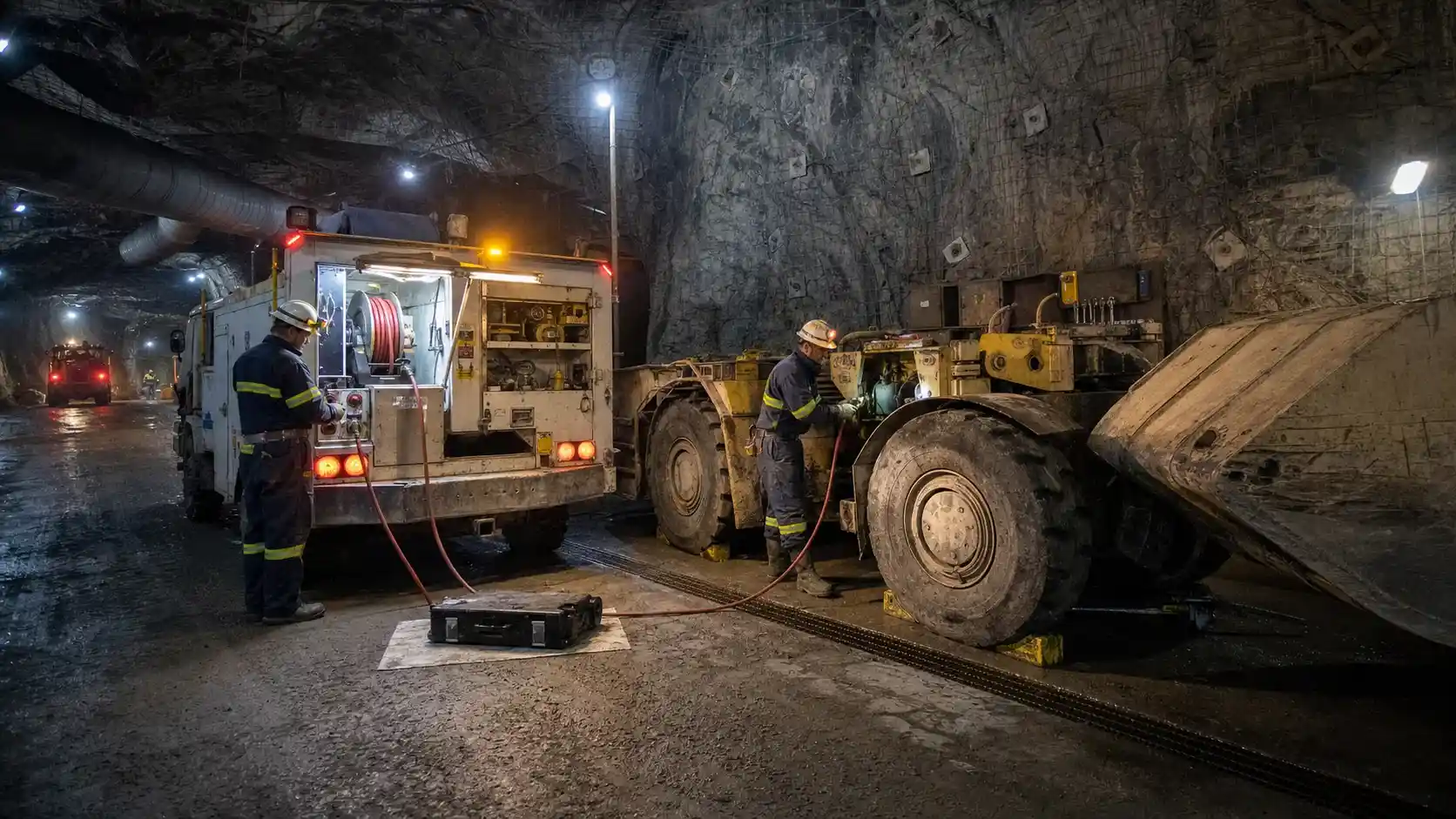
Подземно сервисно возило превози алате, црева, филтере, ситне делове и материјал за поправку. Подземни камион за мазиво иде даље превозећи уља и друге сервисне течности до радне опреме.
Ово је важно када је утоваривач удаљен неколико километара од радионице. Враћање на сваки рутински сервис троши гориво и време производње. Недостајући филтер може зауставити скупу машину, што је врло чест разлог за скупо кашњење.
Праћење радова на путевима и изградњи
Подземни камион са мешалицом за бетон превози бетон за очвршћавање путева и подземну градњу. Континуирано кретање бубња помаже да смеса буде обрадива током путовања и смањује раздвајање повезано са основним отвореним транспортом.
Једна доступна подземна конфигурација има бубањ од 5 м³, затворену кабину и систем за пражњење намењен ограниченим радним просторима. Комбинује транспорт материјала и мешање у једном путовању. Више информација о задатку доступно је у овом подземни камион за мешање бетона водич.
Како комунална возила побољшавају продуктивност под земљом?
Повећање продуктивности не долази само од брзине. Оно долази од уклањања малих кашњења током смене. Брже путовање посаде, благовремена залиха за одржавање и наменска грађевинска возила омогућавају производној опреми да остане на планираном послу.
Смањење кашњења при промени смена
Екипа не може започети продуктиван рад док сви не стигну на радно место са потребном опремом. Наменски превоз олакшава планирање путовања и смањује време раштрканих долазака.
Ова корист расте како се рудник удубљује. Уштеда неколико минута на једном путовању звучи безначајно. Понављање кашњења током сваке смене, на неколико радних нивоа, је нешто друго.
Задржавање утоваривача и камиона на производном послу
Коришћење утоваривача за ношење алата или обезбеђивање импровизоване радне платформе ослобађа га од пражњења. Слање производног камиона да сакупи материјал за одржавање ствара исти проблем.
Наменски направљена помоћна возила штите главни циклус утовара и превоза. Утоваривач стално пуни камионе. Камиони стално превозе руду. У међувремену, екипа за одржавање може да ради без позајмљивања производне опреме.
Шири рударска опрема без трагова План би стога требало да укључује помоћне дужности, не само циљеве корисног оптерећења.
Побољшање реаговања на одржавање
Мобилно возило за одржавање може довести уобичајене алате и делове близу активне опреме. Камион за мазиво може подржати планирану замену течности у радном подручју. Бржи одзив не спречава сваки квар, али може скратити чекање пре почетка корисног рада.
Право питање није колико сервисних возила поседујете. Већ да ли возило носи оно што вашем тиму за одржавање редовно треба.
Како наменски направљена возила могу побољшати безбедност у рудницима?
Безбедно возило мора да се прилагоди коловозу, нагибу и радном окружењу. Подземни простор је ограничен, подови могу бити мокри, а видљивост се може брзо променити у близини раскрсница. Стандардна друмска возила се ретко пројектују око ове комбинације.
Обезбеђивање контролисаног превоза посаде
Наменска седишта, затворен простор за вожњу и планирани капацитет путника пружају вам контролисанији начин кретања радника. Погон на сва четири точка може помоћи на неравним површинама, док одговарајуће управљање подржава кретање кроз ограничене кривине.
Кочнице заслужују пажљив преглед. Упоредите радну кочницу, ручну кочницу и систем за заустављање у нужди. Питајте како се систем понаша на максималном радном нагибу, и са теретом и без њега.
Избегавање употребе импровизоване опреме
Кашика за утоваривање није платформа за путнике. Транспортна каросерија није простор за посаду. Ове пречице могу изгледати згодно када се одговарајуће комунално возило налази негде другде, али погодност је лош стандард пројектовања под земљом.
Исто правило важи и за одржавање на повишеним површинама, руковање уљем и транспорт бетона. Користите опрему направљену за тај задатак и обучите оператера за то возило.
Поштовање класификације мина
Опрема намењена за вентилирани рудник метала који није угаљ не сме се сматрати погодном за метан или експлозивну прашину. Рудници угља могу захтевати компоненте отпорне на пламен и посебну сертификацију.
Проверите класификацију локације пре него што разговарате о цени. Возило које одговара тунелу, али нема потребну заштиту, и даље је погрешно возило.
Како треба да одаберете подземно комунално возило?
Почните са подацима о вашем руднику, а не са општим каталогом. Најужи пут, најоштрији заокрет и највећи радни нагиб често су важнији од највећег капацитета одштампаног на спецификационом листу.
Проверите комплетну руту путовања
Забележите минималну ширину, висину, простор за окретање, нагиб и стање пута. При мерењу употребљивог простора укључите цеви, каблове, вентилационе канале и носеће вијке.
Широк главни пад може бити обмањујући. Одржавајући простор или последњи попречни пресек могу бити стварна граница, а ту возило и даље мора да ради.
Ускладите капацитет са дневним задатком
За превоз особља, израчунајте нормалну величину посаде и учесталост путовања. За камион за мазиво, наведите течности, дневне количине и места испуштања. За мешалицу за бетон, проверите удаљеност транспорта, потребну величину серије и приступ за пражњење.
Веће није увек боље. Прекомерни капацитет додаје тежину и може захтевати више простора за окретање, а да се притом не смањи број дневних вожњи.
Планирајте подршку пре куповине
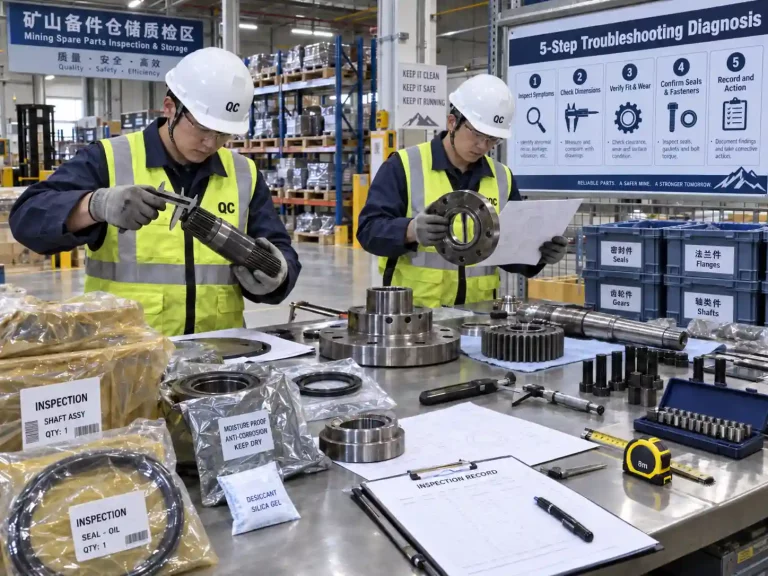
Питајте о филтерима, деловима кочница, хидрауличним заптивкама, цревима, електричним елементима и другим рутинским резервним деловима. Потврдите доступност упутства, приступ за одржавање, техничку подршку и препоручене пакете резервних делова.
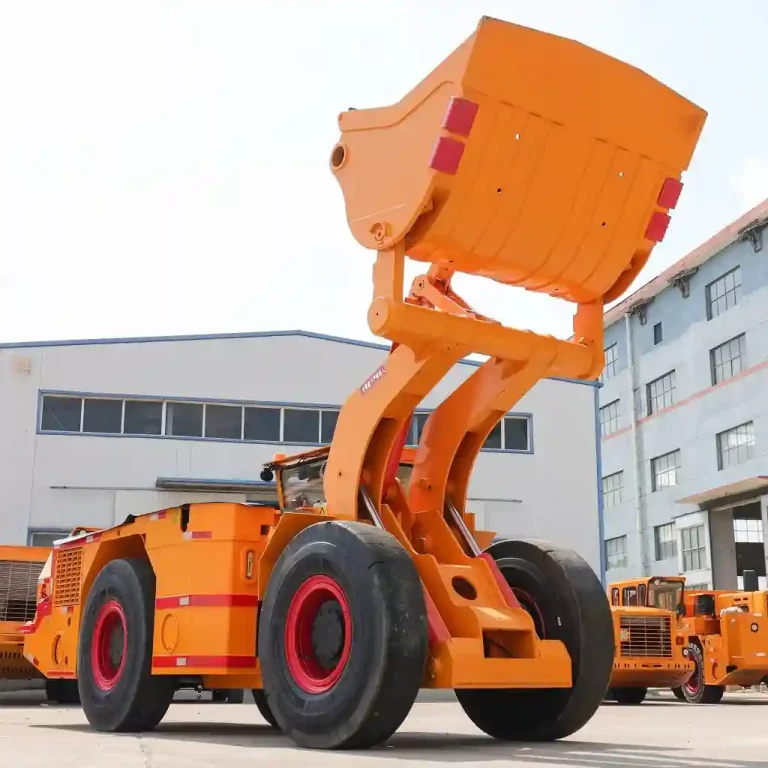
Тхе подземни утоваривачи и рударски камиони такође морају да деле путеве са овим помоћним возилима. Планирање саобраћаја, складиштење делова и распореди сервисирања требало би да их третирају као једну флоту.
Зашто је способност добављача важна?
Компанија Qingdao Zongda Machinery Co., Ltd., позната као ZONGDA, развија, производи, испоручује и сервисира машине за подземно рударство. Њен објављени асортиман опреме повезује производна возила са превозом особља и другим задацима подршке рудницима, што помаже купцима да планирају радну флоту уместо да купују неповезане машине једну по једну.
Компанија повезује избор опреме са величином пута, нагибом, носивошћу, приступом за одржавање и стварним подземним радовима. Такође пружа консултације о конфигурацији, подршку за резервне делове и техничку услугу. То је важно када возило за превоз људства, сервисно возило, утоваривач и камион за подземно руднике морају да раде на истој рути. Корисна ствар није дугачак списак производа. То је могућност да се разговара о томе како свака машина одговара вашем плану рудника и капацитету одржавања.
ФАК
П1: Шта су подземна рударска возила?
A: То су наменски направљена помоћна возила која се користе за превоз посаде, одржавање, подмазивање, испоруку материјала, бетонске радове и друге непроизводне послове под земљом.
П2: Како комунална возила смањују застоје?
A: Они доводе раднике, алате, делове и сервисни материјал ближе опреми у раду, тако да производни парк проводи мање времена чекајући или обављајући помоћне послове.
П3: Да ли се обично друмско возило може користити под земљом?
A: Стандардно возило може да нема потребан простор за одмор, кочење, вучу, заштиту и безбедносне карактеристике специфичне за рудник. Проверите локалне прописе и услове на локацији пре него што донесете ту одлуку.
П4: Које информације треба да наведете када захтевате понуду?
A: Наведите димензије пута, простор за окретање, максимални нагиб, тип рудника, задатак возила, потребан капацитет, радно време, услове вентилације и земљу одредишта.
П5: Да ли комунално возило које није за угаљ може да ради у руднику угља?
A: Не аутоматски. Рудници угља могу захтевати сертификовану опрему заштићену од експлозије због метана и запаљиве прашине.