Crews add predictive maintenance technologies into mining trucks using onboard sensors and telematics gateways. They also connect AI models, fleet dashboards, and maintenance software. The main goal is simple. Teams want to spot cooling, transmission, brake, tire, or hydraulic problems early.
This gives them enough time to plan repairs. Predictive maintenance for mining trucks is vital underground. Down there, one stalled unit blocks the haul route. It also ruins the loading cycle. A sensor alone cannot save a shift. The warning must reach the right technician clearly.
What Does Predictive Maintenance Change?
Mining truck predictive maintenance moves the repair decision away from a fixed date and closer to the machine’s actual condition. Reactive maintenance waits for a breakdown. Preventive maintenance follows hours or mileage. Condition-based maintenance for haul trucks uses inspections and periodic readings. Predictive analytics in mining adds continuous trends, operating context, and fault probability.
This change is the heart of modern haul truck maintenance technology. A slow coolant temperature rise may look harmless by itself. When combined with engine load, ambient temperature, and reduced coolant flow, it may point to a developing cooling fault. The system looks for relationships, not one dramatic red light.
How Are Truck Data and Sensors Connected?
Mining truck sensor data analysis often starts with information already produced by the vehicle’s controllers. Common signals include engine load, coolant temperature, transmission pressure, hydraulic oil temperature, electrical voltage, vehicle speed, payload, brake status, and fault codes.
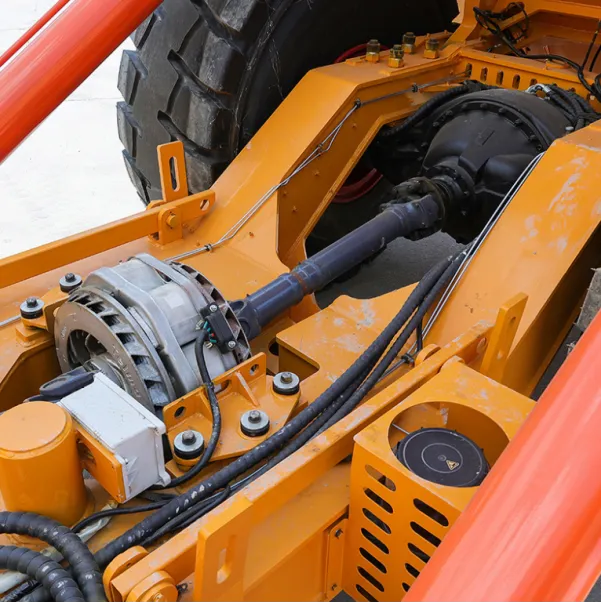
Predictive maintenance sensors for haul trucks can add vibration, oil debris, tire pressure, tire temperature, brake temperature, and structural strain where the original data is not enough. When reviewing trackless mining equipment, you should also check sensor access, controller compatibility, wiring protection, and maintenance space.
Mining truck telematics and predictive maintenance connect those readings to a local server or central platform. Real-time mining truck condition monitoring may continue through an edge device when mine connectivity drops, with stored records uploaded later. Mining fleet condition monitoring also adds route, gradient, payload, idle time, and operator behavior. A fully loaded truck climbing a ramp should not be judged like an empty truck traveling on level ground.
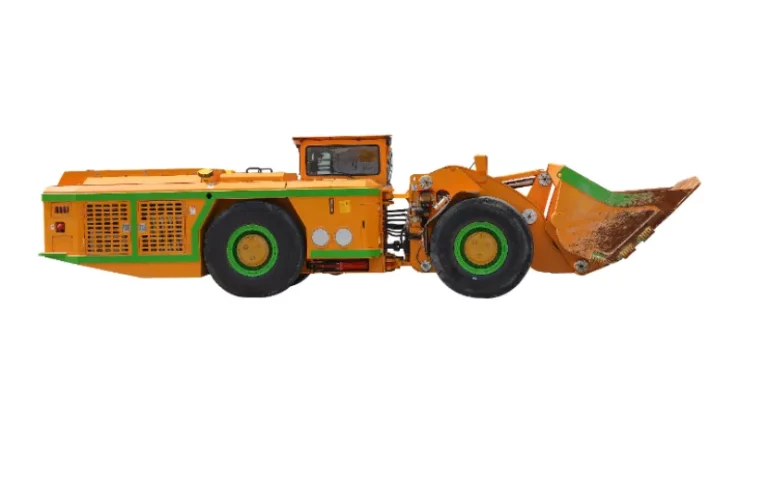
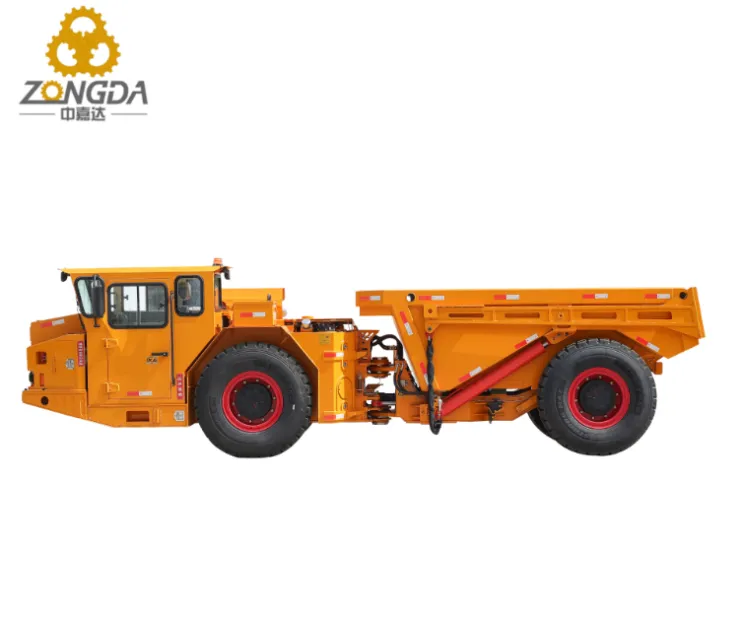
ZONGDA technical files show several useful building blocks in underground equipment, including PLC control, pressure sensors, water and oil overheat alarms, low-oil indicators, filter indicators, digital electrical meters, and accessible service points. These features do not form a complete predictive platform on their own, but they provide valuable health data.
How Does AI Detect Developing Failures?
AI predictive maintenance for haul trucks begins by learning the normal operating pattern of each vehicle. AI-powered predictive maintenance for mining trucks then compares new data with that baseline.
Machine learning for mining truck maintenance can study several channels at once. It may detect an unusual temperature, pressure, and load relationship before any single value crosses a standard alarm limit. The model also needs to separate genuine deterioration from normal changes caused by weather, road condition, payload, or shift pattern.
Mining truck failure prediction can cover engines, cooling systems, transmissions, hydraulics, brakes, and electrical circuits. A useful alert should explain which subsystem changed, when the trend began, and how quickly it is moving. Without that context, the alert becomes one more dashboard notification. Mines already have plenty of those.
How Do Alerts Become Maintenance Work?
Mining truck health monitoring becomes valuable when an alert enters mining equipment maintenance systems. Predictive maintenance integration with CMMS can create an inspection task, reserve labor, request spare parts, and place the repair inside a planned maintenance window.
After the work, the technician should record whether the warning was correct, which component failed, and what action solved the problem. That feedback helps improve later alerts.
This connection is particularly important for predictive maintenance for mixed mining fleets. Different trucks may use different data names, controller formats, and access methods, but your maintenance team still needs one priority list. A useful alert should tell you whether the truck can keep operating, needs inspection at shift change, or should be removed from service now.
Which Components Should You Monitor First?
Predictive maintenance keeps haul truck engines running smoothly. It closely tracks fuel delivery, combustion balance, turbo response, and exhaust heat. Transmission condition monitoring checks oil pressure, gear action, and dangerous slipping. Furthermore, tire monitoring systems read air pressure and warmth. These metrics shift quickly based on payload weight, speed, and rough roads. Finally, crews must routinely check brakes, hydraulic pumps, wheel ends, suspension systems, and cooling circuits.
Start with components that have a costly failure history and signals you can trust. More sensors are not automatically better. A clean temperature trend supported by maintenance records may tell you more than twenty noisy channels.
How Should You Start a Predictive Maintenance Pilot?
A predictive maintenance pilot for mining fleets should begin with a small group of frequently used trucks that have reliable maintenance histories. Track fault lead time, confirmed detections, false positives, avoided downtime, repair hours, parts availability, and vehicle availability.
The useful answer to how to reduce mining truck downtime is not simply “install AI.” It is “prove which warnings lead to earlier and less costly action.”
Before scaling, check data ownership, connection quality, cybersecurity, technician response rules, and spare-parts workflow. Mining equipment buyers also need firm operating details such as payload, dimensions, speed, turning radius, tunnel conditions, maintenance access, optional configurations, and after-sales coverage.
How Can ZONGDA Support Your Fleet?
ZONGDA states that it has focused on underground mining for 13 years and works with more than 30 mining experts and engineers across development, production, quality control, and technical support. Its equipment scope covers underground trucks, loaders, utility vehicles, locomotives, ventilation, hoisting, drainage, and exploration machinery.
That broader view matters when you introduce predictive maintenance. Equipment health depends on the machine, tunnel layout, haul road, service access, parts supply, and surrounding production system. ZONGDA’s underground experience can support discussions about vehicle configuration, operating conditions, maintenance access, spare parts, and technical service. You can review its wider capabilities on the ZONGDA website.
FAQ
Q1: How Does Predictive Maintenance for Mining Trucks Work?
A: It collects operating data, compares current behavior with a normal baseline, and warns you when a component begins to move toward failure.
Q2: Do Mining Trucks Need New Sensors?
A: Not always. Many platforms can use existing controller data, while vibration, oil, brake, or tire sensors can fill important gaps.
Q3: Can Predictive Maintenance Work With Mixed Mining Fleets?
A: Yes. Predictive maintenance for mixed mining fleets requires consistent data naming, secure access, and a shared maintenance workflow.
Q4: How Is Predictive Maintenance Integrated With CMMS?
A: The alert can create an inspection or repair order, assign labor, reserve parts, schedule downtime, and record the technician’s findings.
Q5: How Can You Reduce Mining Truck Downtime?
A: To learn how to reduce mining truck downtime, start with a measured pilot, act on high-confidence alerts, and complete repairs before developing faults stop production.