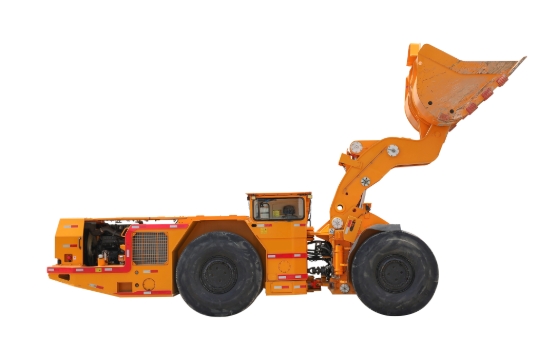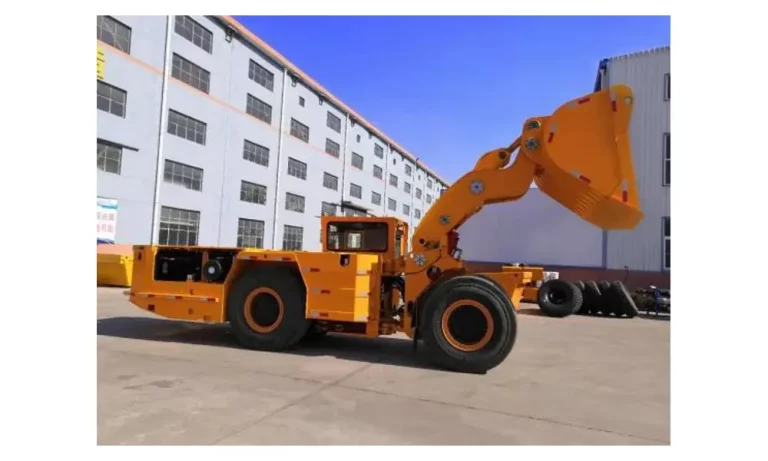
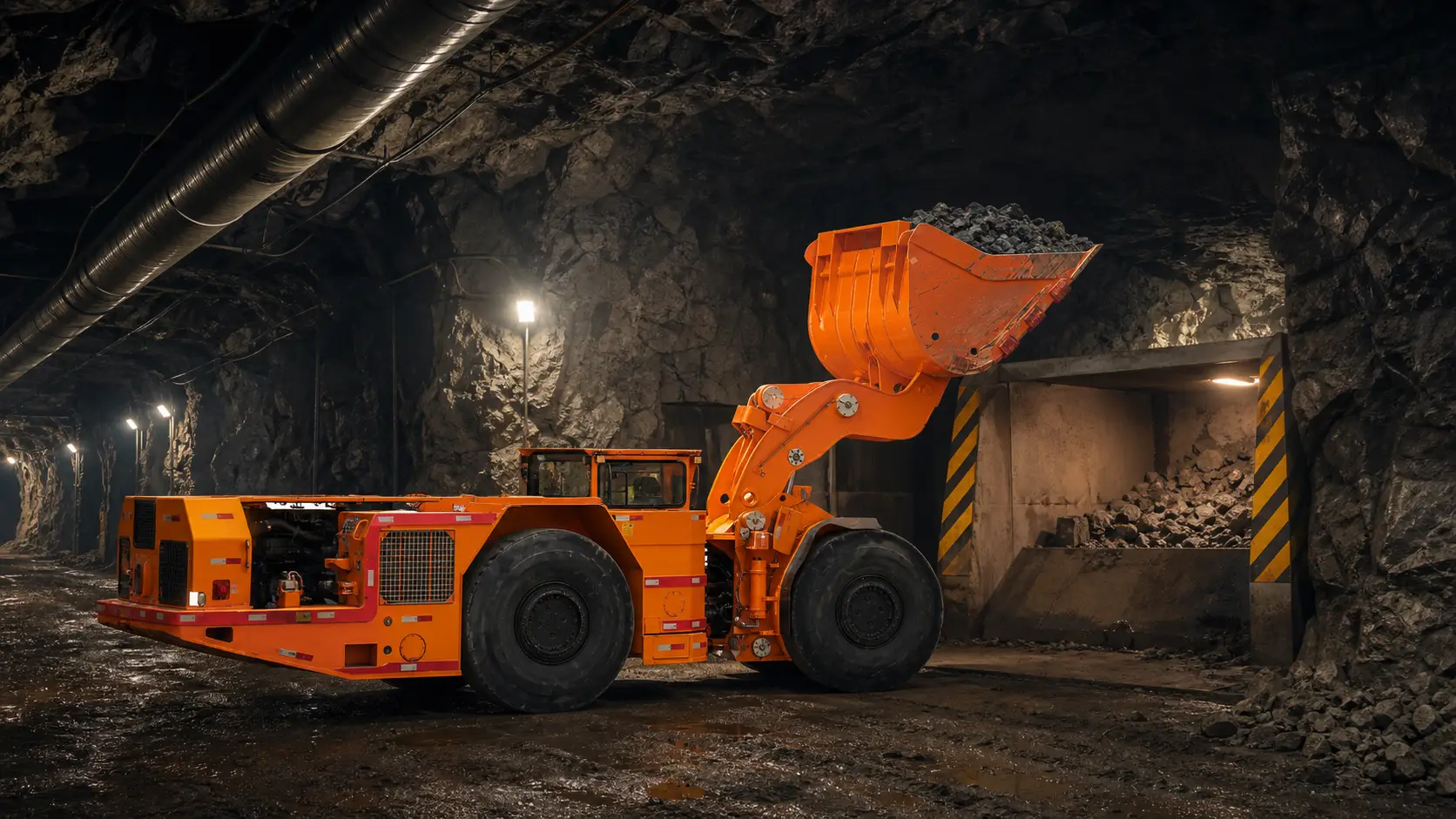
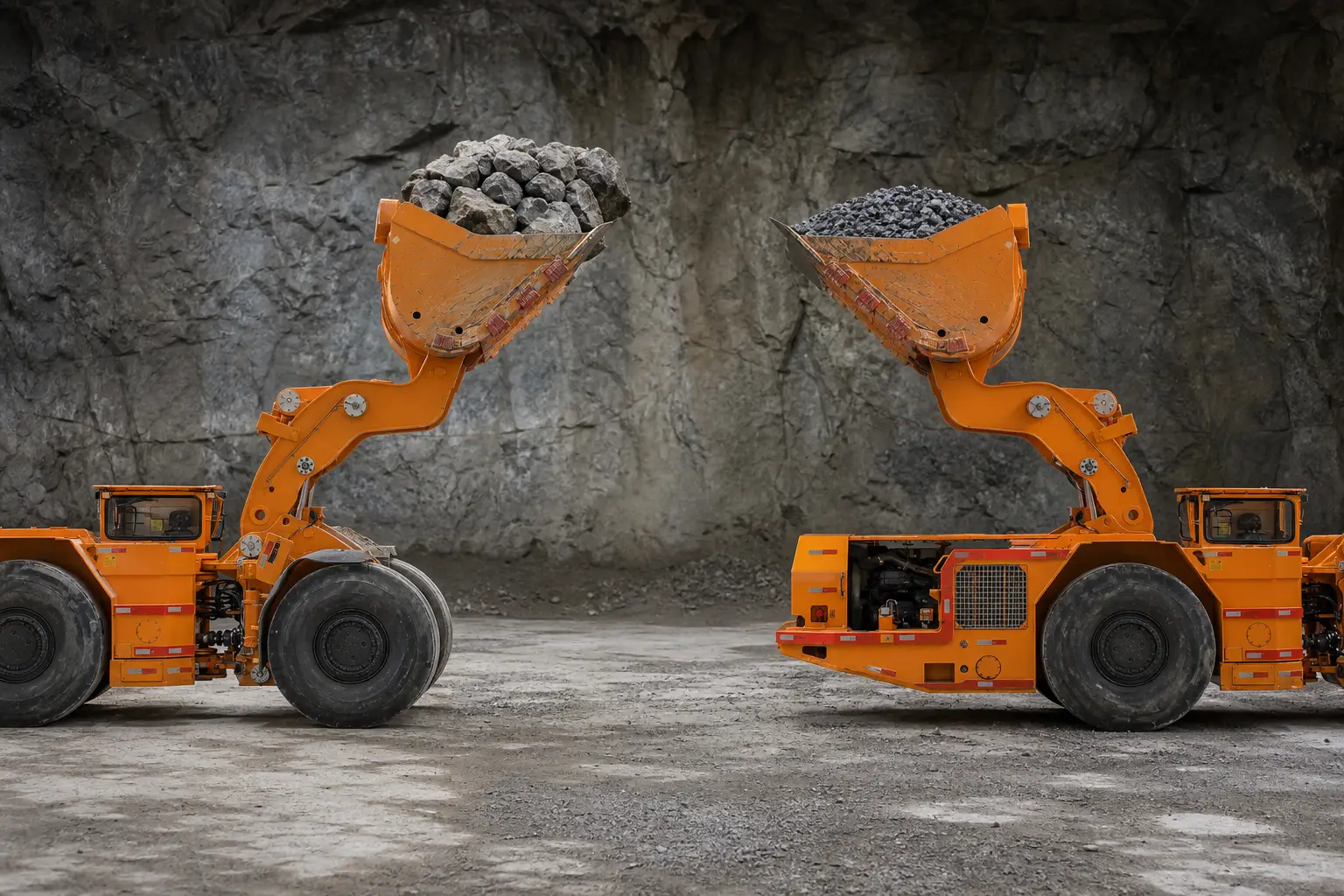
Dva utovarivača s mogućnošću premještanja mogu nositi kašike iste zapremine, a ipak premještati različite težine. Ako jednu kašiku napunite rastresito lomljenim otpadnim kamenom, a drugu gustom metalnom rudom, druga mašina može dostići svoju sigurnu granicu opterećenja prije nego što kašika izgleda puna. Taj mali detalj može odlučiti hoće li utovarivač raditi efikasno ili će cijeli svoj vijek trajanja provesti preopterećen.
Kapacitet korpe opisuje prostor. Nazivni korisni teret opisuje težinu. Kupcima su potrebne obje vrijednosti, plus rastresita gustoća i fragmentacija materijala, kako bi odabrali podzemni utovarivač koji može sigurno raditi i odgovarati ostatku voznog parka.
Šta mjeri kapacitet LHD korpe
Kapacitet kante je mjera zapremine, obično izražena u kubnim metrima. Navedeni broj postaje koristan samo kada su metoda mjerenja i očekivani uslovi punjenja jasni.
Udareni i nagomilani kapacitet
Udarni kapacitet je zapremina ispod ravne ravni preko ivice kašike. Nagomilani kapacitet uključuje materijal nagomilan iznad te ravni pod definisanim uglom. Nagomilani kapacitet je prirodno veći, tako da se dva specifikacijska lista trebaju porediti na istoj osnovi.
Stvarno punjenje varira u zavisnosti od fragmentacije, vlage, tehnike rukovanja, oblika kašike i načina na koji je gomila mulja pripremljena. Veliko, neravno kamenje ostavlja više praznina. Finiji materijal može se čvrsto zbiti i dodati značajnu težinu bez veće promjene vidljivog nivoa punjenja.
Zašto veća kanta ne povećava uvijek prinos
Veća kašika može smanjiti broj prolaza za utovar, ali samo kada LHD ima dovoljnu nazivnu nosivost, silu kidanja, hidraulički kapacitet i stabilnost. Predimenzionirana kašika može se slabo puniti u uskom tunelu, usporiti ciklus dizanja ili preopteretiti prednju osovinu. Širina tunela i prostor za okretanje također mogu prisiliti rudnik da odabere manju mašinu.
Šta znači nazivni korisni teret
Nazivna nosivost je maksimalna masa materijala koju proizvođač dozvoljava da LHD nosi pod navedenim radnim uslovima. Ona štiti cijelu mašinu, a ne samo kašiku.
Sistemi na koje utiče korisni teret
- Osovine, gume i zglobni ležajevi nose težinu natovarene mašine.
- Kočnice moraju kontrolisati opterećenje na planiranom padu rudnika.
- Grane, klinovi, cilindri i okvir apsorbiraju sile kopanja i kretanja.
- Upravljanje, stabilnost i kontakt guma se mijenjaju kada se težina pomjeri prema podignutoj kašici.
- Ponavljana preopterećenja skraćuju vijek trajanja komponenti i mogu povećati zaustavni put, zagrijavanje guma i naprezanje okvira. Kanta koja fizički drži materijal stoga nije dokaz da ga mašina treba nositi.
Nazivni korisni teret je ograničenje, a ne dnevni cilj
Kvalitet puta, nagib, brzina, izbor guma i visina nošenja kašike utiču na opterećenje koje mašina podnosi. Rudnici bi trebali ostaviti operativnu marginu za varijacije u gustoći rude i faktoru napunjenosti umjesto da planiraju svaki prolaz na objavljenom maksimumu.
Kako zapremina korpe postaje korisni teret
Jednostavan proračun povezuje dvije specifikacije i otkriva vjerovatno preopterećenje prije početka proizvodnje.
Osnovni izračun
Procijenjeni korisni teret korpe = nazivna zapremina korpe x faktor punjenja x gustoća rastresitog materijala
Pretpostavimo kantu od 3,0 m3, faktor punjenja od 85% i gustoću rastresite rude od 2,2 t/m3. Procijenjeni korisni teret je 5,61 tona. Ako gusta ruda dostigne 2,7 t/m3 s istim faktorom punjenja, opterećenje se povećava na 6,89 tona. Kašika izgleda jednako puna, ali mašina nosi 1,28 tona više.
Koristite gustoću rastresite stijene, a ne gustoću čvrste stijene
Materijal nakon miniranja sadrži šupljine između čestica, tako da gustoća čvrste stijene obično preuveličava težinu unutar kante. Izmjerite reprezentativni rastresiti materijal gdje je to moguće. Ako se tijelo rude promijeni, izračunajte raspon i koristite najgušći očekivani materijal kao provjeru odabira.
Kako odabrati pravu LHD kašiku i korisni teret
Dobar odabir počinje s podacima o rudniku, a zatim se zajedno provjeravaju kašika, mašina i sistem za transport.
Izgradite realističan profil materijala
- Zabilježite rastresitu gustoću rude i otpada, uključujući i vlažne uvjete.
- Procijenite normalne i loše faktore punjenja kante na osnovu fragmentacije.
- Provjerite učestalost prevelikih tereta, udaljenost prijevoza, nagib i stanje ceste.
- Definirajte potrebne tone po satu i broj produktivnih sati po smjeni.
Spoji kantu s kamionom
Konzistentan broj prolaza LHD-a po kamionu olakšava kontrolu ciklusa utovara. Podijelite praktičnu nosivost kamiona s očekivanom nosivošću po kašici, a zatim zaokružite na izvodljiv broj prolaza bez prekoračenja ograničenja bilo koje mašine. Tri ili četiri uravnotežena prolaza često su lakša za upravljanje nego konačna djelomična kašika, iako tačan odgovor zavisi od vremena ciklusa i rasporeda gradilišta.
Usklađivanje očekivanog korisnog tereta korpe s korisnim teretom kamiona pomaže u smanjenju redova čekanja, djelomičnih prolaza i preopterećenja
Provjerite specifikaciju cijele mašine
Pregledajte kapacitet kašike zajedno s nazivnim korisnim teretom, dimenzijama mašine, silom probijanja, visinom istovara, radijusom okretanja i sposobnosti prelaska na uspone. ZONGDA asortiman rudarske opreme bez tragova uključuje podzemne utovarivače za različite veličine naslaga i proizvodne zadatke.
Uobičajene greške u specifikacijama
Većina grešaka nastaje tretiranjem jednog broja kao potpunog odgovora. Kratak tehnički pregled može spriječiti skupo neusklađenost.
Poređenje nagomilanog kapaciteta sa nagomilanim kapacitetom
Potvrdite kako svaki proizvođač mjeri veličinu kontejnera. Veća objavljena brojka može odražavati drugačiju konvenciju kapaciteta, a ne fizički veću veličinu kontejnera.
Zanemarivanje promjena gustoće rude
Utovarivač odabran za otpad niske gustoće može se preopteretiti kada premješta gustu rudu. Koristite odvojene proračune za svaki glavni tok materijala i razmotrite sistem vaganja na vozilu gdje gustoća znatno varira.
Odabir samo prema veličini kante
Veličina kašike malo govori o pristajanju tunelu, kočenju, opterećenju osovina ili pristupu za servisiranje. Tehnički ispravna kupovina prvo provjerava profil rada, a zatim odabire mašinu. Poređenje cijena slijedi nakon što je konfiguracija ispravna.
Kako ZONGDA pomaže u usklađivanju kapaciteta LHD-a s rudnikom
ZONGDA može pregledati geometriju tunela, podatke o materijalu i planirani ciklus transporta prije nego što preporuči konfiguraciju podzemnog utovarivača.
Informacije koje treba poslati uz upit
Minimalna širina i visina tunela, maksimalni nagib i radijus okretanja.
Gustina rastresitog materijala, fragmentacija, vlaga i očekivani faktor punjenja kante.
Ciljana proizvodnja, udaljenost prijevoza i teret prijemnog kamiona.
Preferencija napajanja, lokalni standardi, radno vrijeme i plan održavanja.
Za koristan prijedlog opreme, pošaljite ove podatke putem ZONGDA kontakt stranicaInženjerska diskusija se tada može fokusirati na siguran korisni teret, praktično punjenje korpe i performanse ciklusa, umjesto samo na zapreminu korpe.