
How Drilling Patterns Shape Advance Rates Underground
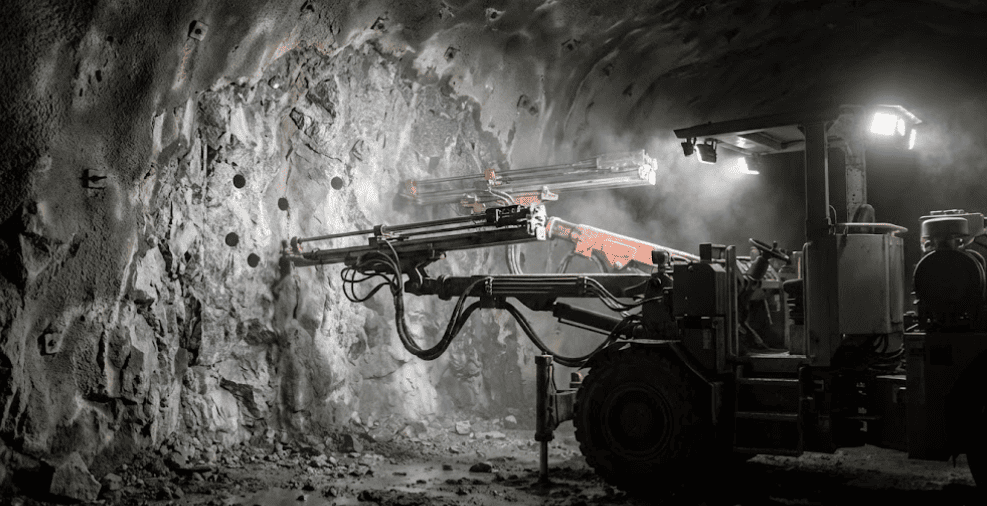
Two headings can look identical on paper. Same jumbo. Same crew size. Same shift length. Yet one advances smoothly while the other keeps falling behind. In many cases, the difference is not drilling speed or equipment power. It comes down to drilling patterns and how well they fit the heading, the rock, and the cycle. […]
The 7-Step Drilling Cycle in Underground Development Explained
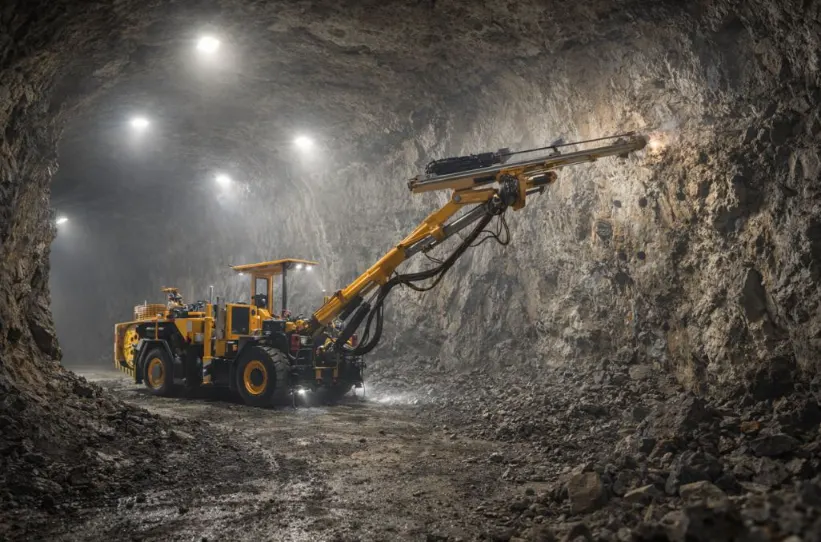
You can drill fast and still fall behind. It happens all the time in underground development headings. The face looks ready, the jumbo is on the mark, yet the round drags. The reason is simple: advance rate is a cycle result. Small delays stack up across the shift, then you spend the last hour “catching […]
Single-Boom vs. Twin-Boom Jumbos: What Drives Advance Rates in 4×4 to 8×6 m Headings
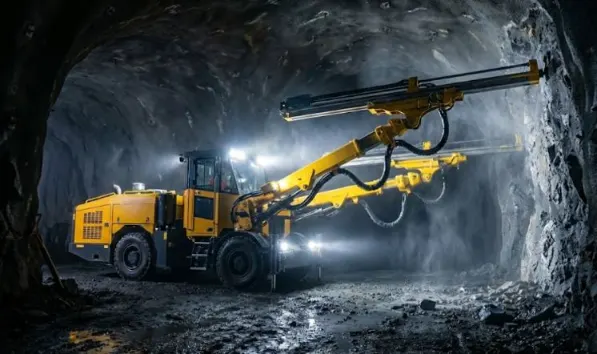
When you are planning a new decline or evaluating your development cycle for a medium-to-large tunnel, the equipment selection process often hits a snag. You look at the tunnel dimensions—let’s say a standard 5m x 5m haulage drift—and you have to make a choice. Do you stick with a nimble single-boom rig, or do you […]
Common Causes of Drill Rod Jamming in Underground Mining—and How to Reduce It
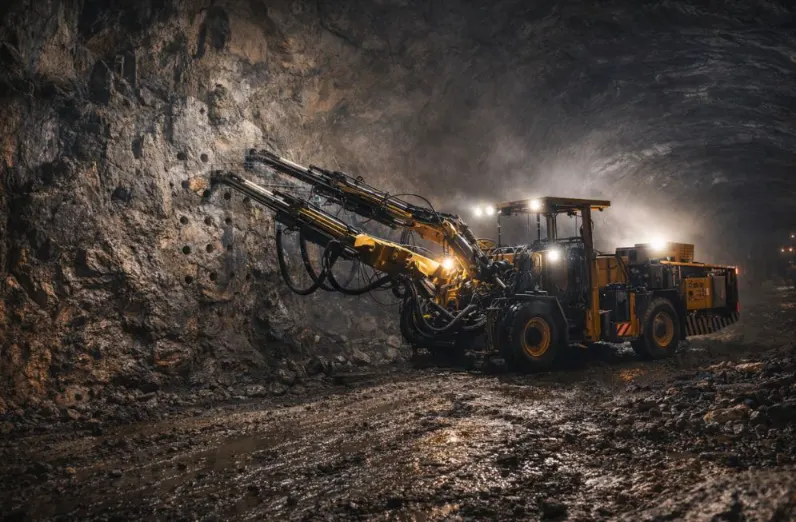
Drill rod jamming is one of those problems that looks “small” until it eats half a shift. You lose time at the face, you burn bits and couplings, and the crew starts making workarounds that usually create the next jam. In underground headings, the rod rarely gets stuck for one single reason. It is more […]
LH514-Class Loaders in Underground Mines: What to Compare Before You Choose
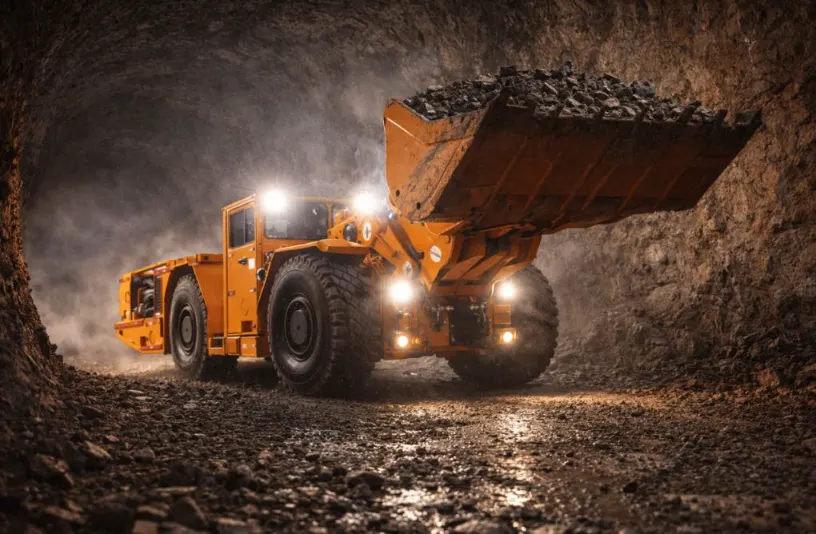
The Workhorse of the 4.5m Heading In the demanding world of underground hard rock mining, the 14-tonne loader is the undisputed king of production. Sized perfectly for standard 4.5m x 4.5m headings, these machines are massive enough to fill a truck in three passes but compact enough to navigate the decline without bottlenecking traffic. For […]