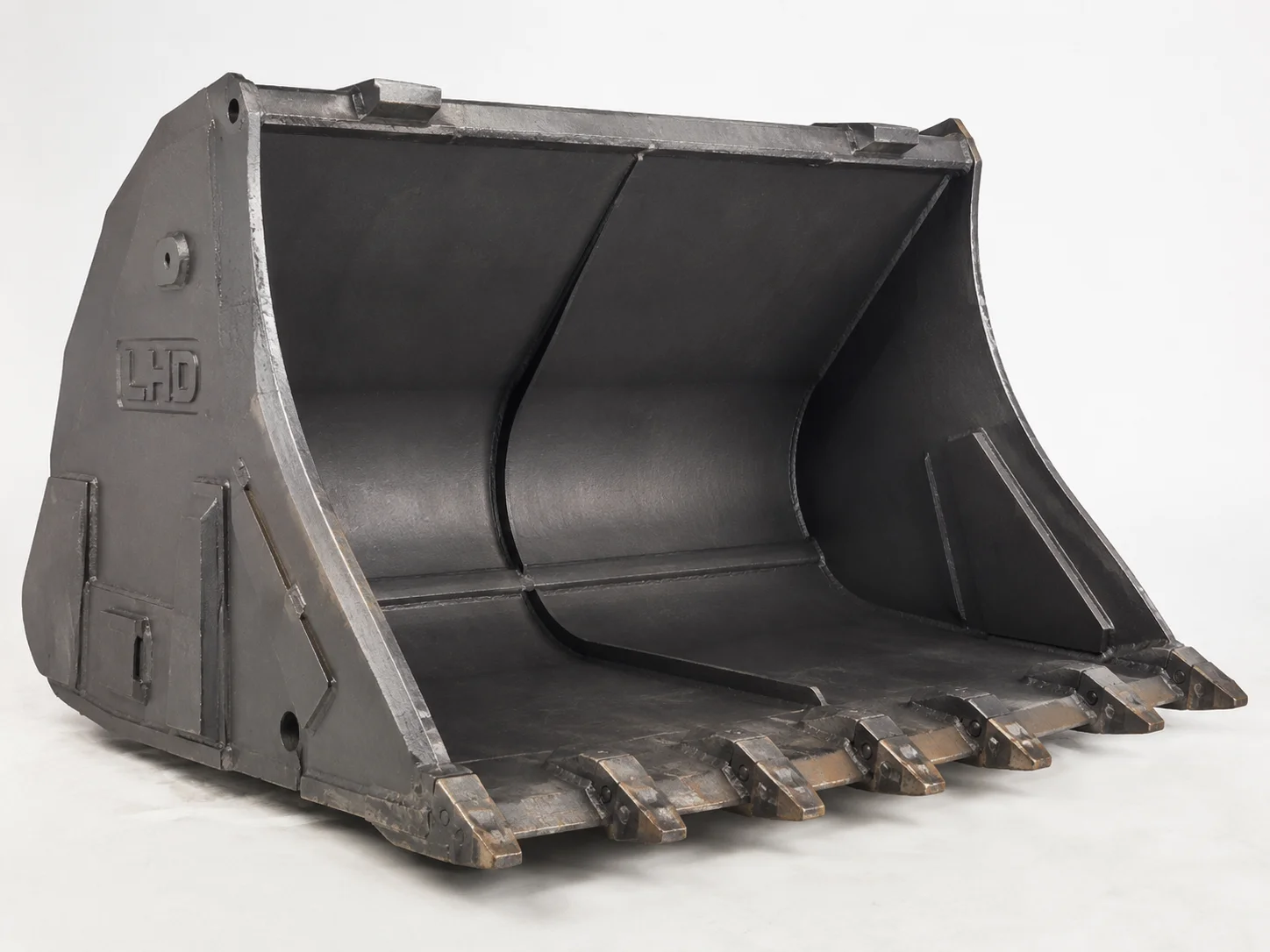
Kuchagua ukubwa sahihi wa ndoo ya LHD si kuhusu kununua kipakiaji kikubwa zaidi kinacholingana na bajeti yako. Ndoo ambayo ni kubwa sana inaweza kuzidisha mzigo kwenye mashine, kuongeza uchakavu wa matairi, kupenya polepole kwa ndoo, na kupata shida ndani ya handaki nyembamba. Ndoo ambayo ni ndogo sana huunda mizunguko zaidi ya upakiaji, muda mrefu wa kusubiri lori, na matumizi ya juu ya mafuta kwa tani.
Chaguo bora husawazisha ujazo wa ndoo, mzigo uliokadiriwa, msongamano wa madini, ukubwa wa handaki, muda wa mzunguko, na lengo lako la uzalishaji.
Ukubwa wa Ndoo ya LHD Unamaanisha Nini Hasa?
Ujazo wa ndoo ni sehemu moja tu ya uamuzi. Migodi miwili inaweza kutumia ndoo moja ya mita 2 lakini hubeba uzito tofauti kwa sababu msongamano wao wa madini, unyevu, na kugawanyika ni tofauti.
Kiasi cha Ndoo Hakijakadiriwa Mzigo wa Malipo
Ujazo wa ndoo hupimwa katika mita za ujazo. Mzigo uliokadiriwa hupimwa katika tani au kilo.
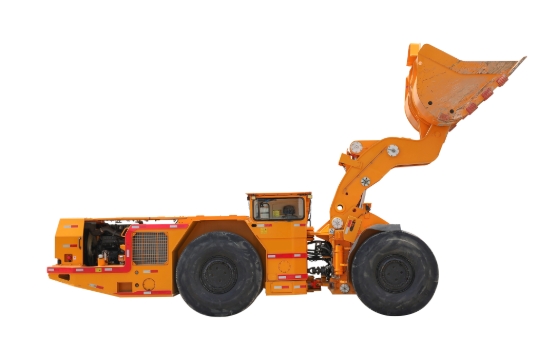
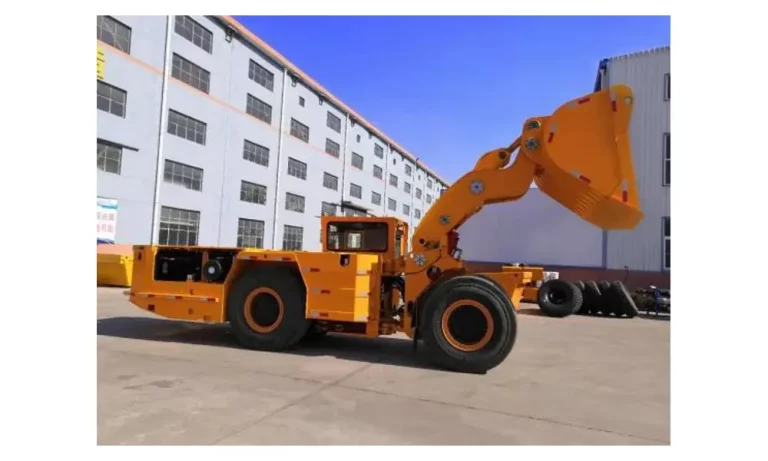
Kwa mfano, Kipakiaji kidogo cha chini ya ardhi cha ZDL201 Ina ndoo ya 0.6m³ na mzigo wa tani 1.2. Mwili wake mdogo na upana mwembamba huifanya iweze kufaa kwa vichwa vya chini ya ardhi vilivyobana.
Takwimu hizi zinaendana. Ndoo, fremu, matairi, ekseli, breki, na mfumo wa majimaji vimeundwa kama mashine moja. Kuweka ndoo kubwa hakuleti kiotomatiki kipakiaji chenye uwezo wa juu zaidi.
Uwezo Mzito Unaweza Kuonekana Bora Zaidi Kuliko Unavyofanya Kazi
Baadhi ya vipimo hutumia uwezo uliopigwa, huku vingine vikitumia uwezo uliorundikwa. Uwezo uliorundikwa unajumuisha nyenzo zilizorundikwa juu ya kingo za ndoo chini ya mbinu iliyowekwa ya kipimo.
Upakiaji halisi wa chini ya ardhi hautabiriki sana. Miamba mikubwa huacha mapengo ya hewa. Nyenzo zenye unyevu zinaweza kukwama. Ulipuaji duni unaweza kuzuia kupenya kabisa. Unapolinganisha vipakiaji, angalia jinsi uwezo wa ndoo ulivyopimwa.
Unahesabuje Ukubwa Sahihi wa Ndoo ya LHD?
Hesabu muhimu huanza na nyenzo unayohitaji kuhamisha. Unahitaji msongamano wa wingi uliolegea, kipengele halisi cha kujaza ndoo, na mzigo unaohitajika kwa kila mzunguko.
Hesabu Tani kwa Ndoo
Tumia formula hii:
Tani kwa kila ndoo = Kiasi cha ndoo × Kipengele cha kujaza ndoo × Msongamano wa wingi uliolegea
Tuseme una:
Kipengele cha kujaza ndoo: 0.85
Uzito wa madini yaliyolegea: 2.2t/m³
Makadirio ya mzigo ni:
2 × 0.85 × 2.2 = tani 3.74
Takwimu hiyo inakaribia mzigo wa tani 4 uliokadiriwa wa Kipakiaji cha chini ya ardhi cha ZDL204DH 2m³.
Sasa badilisha msongamano uliolegea hadi 2.6t/m³:
2 × 0.85 × 2.6 = tani 4.42
Ndoo hiyo hiyo sasa hutoa mzigo unaokadiriwa zaidi ya tani 4. Hii ndiyo sababu ujazo wa ndoo pekee hauwezi kukuambia kama kipakiaji kinafaa.
Tumia Kipengele cha Kujaza Kinachowezekana
Kipengele cha kujaza asilimia 100 kinaweza kuonekana rahisi katika lahajedwali, lakini hali ya mgodi wa kila siku mara chache hubaki sawa.
Madini yaliyogawanyika vizuri na yanayotiririka huru yanaweza kufikia 0.90 au zaidi. Madini ya wastani yaliyolipuliwa yanaweza kuanguka kati ya 0.80 na 0.90. Miamba mikubwa, inayonata, au isiyo ya kawaida inaweza kuwa chini.
Tumia rekodi za uzito wa lori au data ya uzalishaji wa eneo inapowezekana. Wiki moja ya data halisi ya upakiaji mara nyingi ni muhimu zaidi kuliko jedwali la msongamano wa jumla.
Ukubwa wa Handaki Unaathirije Chaguo?
Ndoo iliyohesabiwa kwa usahihi bado inaweza kuwa chaguo mbaya ikiwa kipakiaji hakiwezi kugeuka, kupita, au kutupa kwa usalama chini ya ardhi. Jiometri ya handaki mara nyingi huwa kikomo cha mwisho katika migodi nyembamba ya mishipa na kazi za zamani.
Angalia Upana, Urefu, na Kipenyo cha Kugeuka
Rekodi thamani hizi kabla ya kuchagua kipakiaji:
Upana wa chini kabisa wa handaki
Urefu wa chini kabisa wa handaki
Vipimo vya msalaba
Kugeuka radius
Utoaji wa ardhi
Urefu wa kutupa taka
Kiwango cha juu cha barabara
Kipakiaji cha mita 2³ kinaweza kuonekana kidogo kando ya vifaa vya uso, lakini bado kinahitaji nafasi ya kunyumbulika. ZDL204DH imeorodheshwa kwa sehemu za handaki zenye ukubwa wa takriban mita 2.5 kwa mita 2.5 au zaidi.
A Kipakiaji kizito cha chini ya ardhi cha 7m³ Hubeba mzigo wa tani 17 na inahitaji sehemu kubwa zaidi ya handaki. Uwezo mkubwa huja na mahitaji makubwa ya nafasi.
Fikiria Njia za Kupanda na Hali za Barabara
Kipakiaji hufanya kazi tofauti kwenye ngazi yenye unyevunyevu kuliko kwenye sakafu tambarare ya karakana.
Usafiri mrefu wa kupanda mlima huongeza mahitaji ya mvutano, halijoto ya breki, msongo wa matairi, na matumizi ya mafuta. Tope, mwamba uliolegea, maji yaliyosimama, na mifereji duni ya maji inaweza kupunguza mzigo wa kazi hata wakati hesabu inaonekana sahihi.
Usichague vifaa kwa ukubwa wa ndoo pekee ikiwa njia yako ya kubeba mizigo ina viwango vya juu.
Ni Ukubwa Gani wa Ndoo Unaofaa Lengo Lako la Uzalishaji?
Uzalishaji wa mgodi unapaswa kupimwa kwa tani kwa saa au tani kwa zamu. Ndoo kubwa husaidia tu wakati muda wa kupakia, muda wa kusafiri, muda wa kutupa, na upatikanaji wa lori unabaki sawa.
Fanya Kazi Kutoka kwa Matokeo Yanayohitajika
Tuseme lengo lako ni tani 1,200 wakati wa zamu ya saa 10. Ikiwa ucheleweshaji na trafiki hupunguza muda mzuri wa upakiaji hadi saa 7.5, unahitaji:
1,200 ÷ 7.5 = tani 160 kwa saa
Ikiwa kipakiaji kinakamilisha mizunguko 20 kwa saa:
160 ÷ 20 = tani 8 kwa kila mzunguko
Kwa msongamano uliolegea wa 2.3t/m³ na kipengele cha kujaza cha 0.85:
Kiasi kinachohitajika cha ndoo = 8 ÷ (2.3 × 0.85) = 4.09m³
Hii inaelekea kwenye ndoo karibu na daraja la mita 4. Bado lazima uangalie mzigo uliokadiriwa, uwazi wa handaki, nguvu ya kuzuka, umbali wa kubeba, na kiwango cha barabara.
Linganisha Loader na Lori
Tumia fomula hii rahisi:
Mzigo wa lori ÷ Tani halisi kwa kila ndoo = Pasi za kupakia
Lori la tani 30 lililounganishwa na kipakiaji kinachobeba tani 7.5 kwa kila mzunguko linahitaji takriban pasi nne.
Pasi nyingi sana huongeza muda wa kusubiri. Zichache sana zinaweza kusababisha athari kali za upakiaji au upakiaji usio sawa wa lori. Katika migodi mingi, pasi nne au tano thabiti ni bora kuliko kufukuza ndoo kubwa zaidi iwezekanavyo.
Ni Taarifa Gani Unayopaswa Kuandaa Kabla ya Kuagiza?
Data bora ya tovuti husababisha pendekezo sahihi zaidi la vifaa. Pia hupunguza mabadiliko ya gharama kubwa baada ya mashine kufika.
Tayarisha Maelezo Haya ya Mgodi
Kusanya:
Msongamano wa madini yaliyolegea
Ukubwa wa kawaida wa kugawanyika
Hali ya unyevu
Upana na urefu wa handaki
Eneo la chini kabisa la kugeuza
Mteremko wa juu zaidi
Umbali wa kubeba mizigo
Tani lengwa kwa kila zamu
Saa za kazi zenye ufanisi
Mzigo wa lori la chini ya ardhi
Mahitaji ya uzalishaji wa ndani
Kisha unaweza kulinganisha mifano katika anuwai ya vifaa vya uchimbaji madini bila njia badala ya kulazimisha kipakiaji kimoja kushughulikia kila kazi.
Mtazamo wa Mtoa Huduma Vitendo
Qingdao Zongda Mashine Co, Ltd. hutoa mashine za uchimbaji madini chini ya ardhi kwa ajili ya upakiaji, usafirishaji, usafiri wa wafanyakazi, uingizaji hewa, kuinua, na shughuli zinazohusiana na migodi. Aina yake ya LHD hufunika mashine ndogo kwa vichwa vyembamba pamoja na vipakiaji vikubwa kwa handaki za uzalishaji mkubwa.
Mchakato wa uteuzi wa vifaa vya kampuni huzingatia vipimo vya handaki, hali ya madini, mteremko wa barabara, mahitaji ya uzalishaji, vipuri, na matokeo lengwa. Uzalishaji unahusisha uchakataji wa vipengele, utengenezaji wa kimuundo, rekodi za kusanyiko, ukaguzi, na upimaji wa vifaa chini ya hali ya uendeshaji iliyoigwa.
Usaidizi unaweza pia kujumuisha kuwaagiza, mafunzo ya waendeshaji, mwongozo wa matengenezo, na upangaji wa vipuri. Kwa mnunuzi wa mgodi, hili ni muhimu kwa sababu ndoo inapaswa kuchaguliwa kama sehemu ya mashine kamili na mfumo wa uendeshaji, si kama kiambatisho tofauti.
Maswali ya kawaida
Swali la 1: Unahesabuje Uwezo wa Ndoo ya LHD?
A: Zidisha ujazo wa ndoo kwa kipengele cha kujaza ndoo na msongamano wa wingi uliolegea. Linganisha matokeo na mzigo uliokadiriwa na kipakiaji.
Swali la 2: Tofauti Kati ya Uwezo wa Ndoo na Mzigo wa Malipo ni Nini?
J: Uwezo wa ndoo hupima ujazo. Mzigo hupima uzito salama wa mzigo. Madini mnene yanaweza kufikia kikomo cha mzigo kabla ya ndoo kujaa.
Swali la 3: Je, Ndoo Kubwa ya LHD Ni Bora Daima?
A: Hapana. Nafasi ya handaki, muda wa kupenya, umbali wa kubeba mizigo, mteremko, na ulinganisho wa lori vinaweza kufanya ndoo ndogo iwe na tija zaidi.
Swali la 4: Ni Kipengele Gani cha Kujaza Unapaswa Kutumia?
A: Tumia data halisi ya mgodi inapopatikana. Wastani wa madini yaliyolipuliwa mara nyingi huanguka karibu 0.80 hadi 0.90, huku nyenzo inayonata au ngumu ikiwa chini.
Swali la 5: Ni Data Gani Inayohitajika kwa Uteuzi wa LHD?
A: Toa vipimo vya handaki, msongamano wa madini, kugawanyika, mteremko, umbali wa kubeba mizigo, mzigo wa lori, na tani zinazohitajika kwa kila zamu.