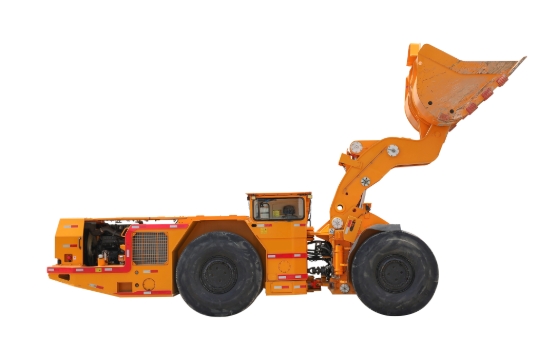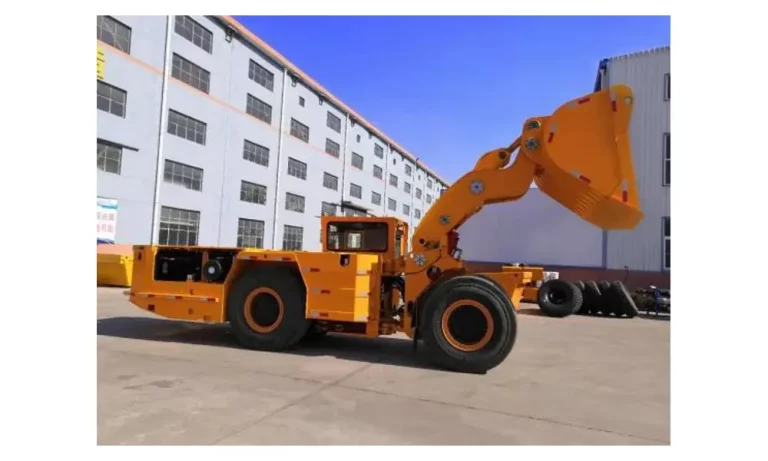
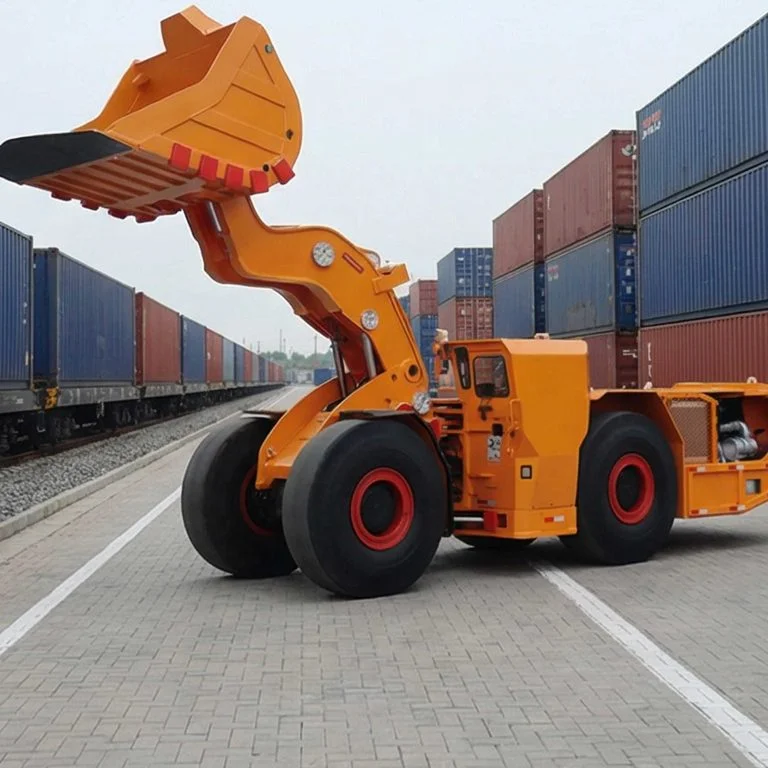
Изборът на правилния размер на кофата за товарене с ляв ход не е свързан с покупката на най-големия товарач, който отговаря на вашия бюджет. Твърде голяма кофа може да претовари машината, да увеличи износването на гумите, да забави проникването на кофата и да създаде затруднения в тесни тунели. Твърде малка кофа води до повече цикли на товарене, по-дълго време на чакане на камионите и по-висок разход на гориво на тон.
Най-добрият избор балансира обема на кофата, номиналния полезен товар, плътността на рудата, размера на тунела, времето на цикъла и вашата производствена цел.
Какво всъщност означава размерът на кофата за LHD?
Обемът на кофата е само една част от решението. Две мини могат да използват една и съща кофа от 2 м³, но да носят различно тегло, защото плътността, влажността и фрагментацията на рудата им са различни.
Обемът на кофата не е номинален полезен товар
Обемът на кофата се измерва в кубически метри. Номиналният полезен товар се измерва в тонове или килограми.
Например, Компактен подземен товарач ZDL201 има кофа с обем 0,6 м³ и номинален полезен товар от 1,2 тона. Компактното му тяло и тясната му ширина го правят подходящ за тесни подземни работи.
Тези цифри са свързани помежду си. Кофата, рамата, гумите, осите, спирачките и хидравличната система са проектирани като една машина. Монтирането на по-голяма кофа не води автоматично до по-голям товарач.
Препълненият капацитет може да изглежда по-добре, отколкото работи
Някои спецификации използват капацитет при натрупване, докато други използват капацитет при натрупване. Натрупаният капацитет включва материал, натрупан над ръбовете на кофата, съгласно определен метод на измерване.
Реалното подземно натоварване е по-малко предвидимо. Големите скали оставят въздушни празнини. Мокрият материал може да залепне. Лошото взривяване може да попречи на пълното проникване. Когато сравнявате товарачи, проверете как е измерен капацитетът на кофата.
Как да изчислите правилния размер на кофата за LHD?
Едно полезно изчисление започва с материала, който трябва да преместите. Необходими са ви насипна плътност, реалистичен коефициент на запълване на кофата и необходимият полезен товар на цикъл.
Изчислете тонове на кофа
Използвайте тази формула:
Тонове на кофа = Обем на кофата × Коефициент на запълване на кофата × Плътност на насипно състояние
Да предположим, че имате:
Коефициент на запълване на кофата: 0,85
Плътност на насипната руда: 2,2 т/м³
Очакваният полезен товар е:
2 × 0,85 × 2,2 = 3,74 тона
Тази цифра е близка до номиналния полезен товар от 4 тона на ZDL204DH 2m³ подземен товарач.
Сега променете плътността на насипния материал на 2,6 т/м³:
2 × 0,85 × 2,6 = 4,42 тона
Същата кофа сега произвежда приблизително товарно натоварване над 4 тона. Ето защо само обемът на кофата не може да ви каже дали даден товарач е подходящ.
Използвайте реалистичен коефициент на запълване
Коефициент на запълване от 100 процента може да изглежда удобен в електронна таблица, но ежедневните условия в мината рядко остават толкова постоянни.
Добре фрагментираната, свободно течаща руда може да достигне 0,90 или повече. Средната взривена руда може да падне между 0,80 и 0,90. Едрата, лепкава или неправилна скала може да бъде с по-ниска стойност.
Използвайте данни за теглото на камионите или данни за производството на обекта, където е възможно. Една седмица с реални данни за натоварване често е по-полезна от обща таблица с плътност.
Как размерът на тунела влияе на избора?
Правилно изчислената кофа все още може да бъде лош избор, ако товарачът не може да се обърне, премине или изсипе безопасно под земята. Геометрията на тунела често се превръща в крайно ограничение в тесножилни мини и по-стари изработки.
Проверете ширината, височината и радиуса на завиване
Запишете тези стойности, преди да изберете товарач:
Минимална ширина на тунела
Минимална височина на тунела
Размери на напречното рязане
Радиус на завъртане
Наземен разстояние
Височина на разтоварване
Максимален наклон на пътя
Товарач с обем 2 м³ може да изглежда компактен до повърхностното оборудване, но все пак се нуждае от място за съчленяване. ZDL204DH е предназначен за тунелни секции с размери около 2,5 м на 2,5 м или по-големи.
A 7m³ тежък подземен товарач Номиналният полезен товар е 17 тона и се нуждае от много по-голямо тунелно сечение. По-високият капацитет е свързан с по-големи изисквания за пространство.
Вземете предвид рампите и пътните условия
Товарачът се държи различно на мокра рампа, отколкото на равен под на работилницата.
Дългото пътуване нагоре по наклон повишава изискванията за сцепление, температурата на спирачките, натоварването на гумите и разхода на гориво. Кал, рохкави скали, застояла вода и лош дренаж могат да намалят практическия полезен товар, дори когато изчислението изглежда правилно.
Не избирайте оборудване само по размера на кофата, ако маршрутът ви за транспорт включва стръмни склонове.
Кой размер на кофата отговаря на вашата производствена цел?
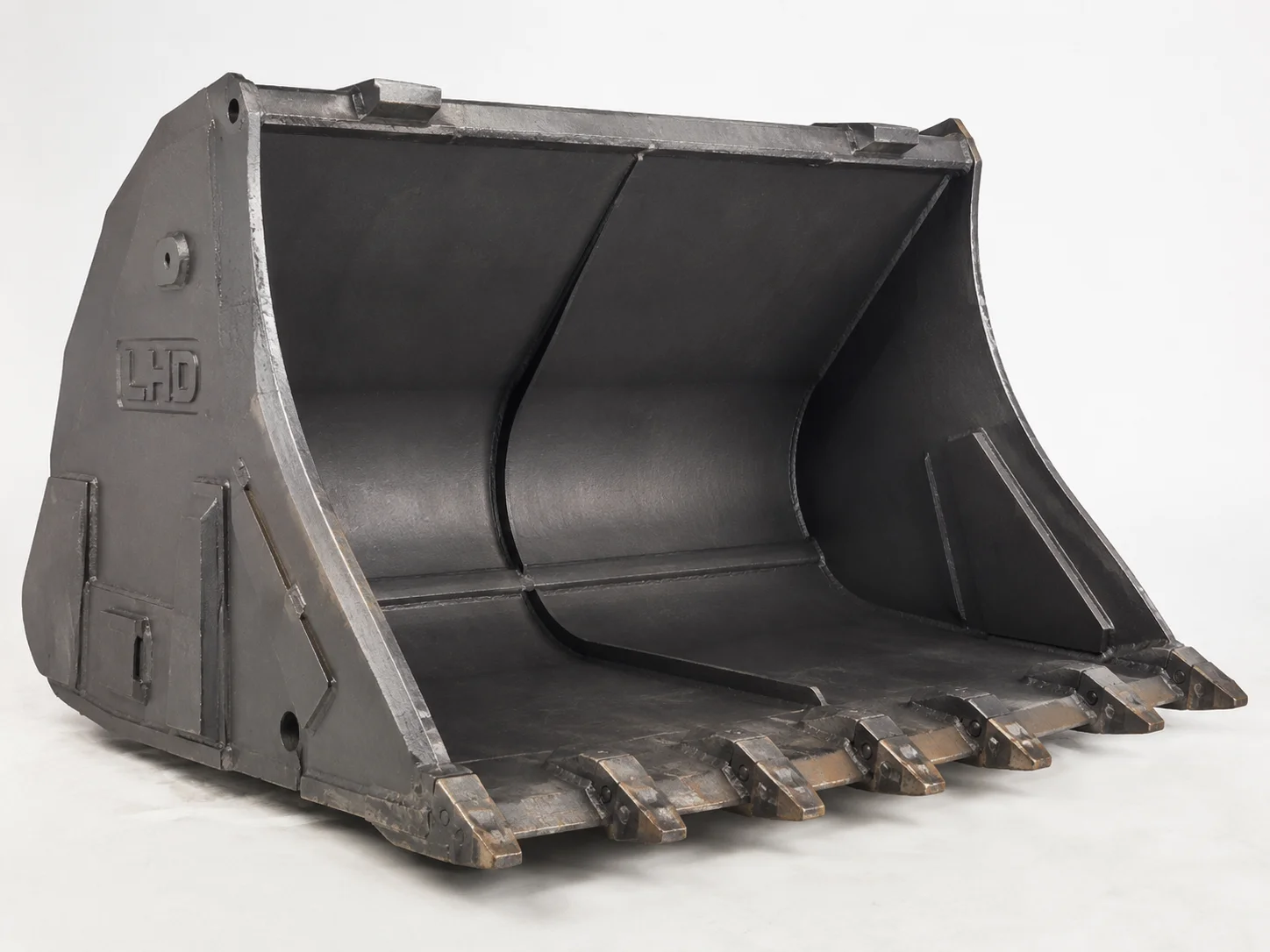
Добивът на мината трябва да се измерва в тонове на час или тонове на смяна. По-голяма кофа е полезна само когато времето за товарене, времето за пътуване, времето за изсипване и наличността на камиони са балансирани.
Работете обратно от необходимия изход
Да предположим, че целта ви е 1200 тона по време на 10-часова смяна. Ако закъсненията и трафикът намалят ефективното време за товарене до 7,5 часа, ви е необходимо:
1200 ÷ 7,5 = 160 тона на час
Ако товарачът извършва 20 цикъла на час:
160 ÷ 20 = 8 тона на цикъл
С плътност на насипно състояние от 2,3 т/м³ и коефициент на запълване от 0,85:
Необходим обем на кофата = 8 ÷ (2,3 × 0,85) = 4,09 м³
Това сочи към кофа близо до клас 4 м³. Все още трябва да проверите номиналния полезен товар, просвета на тунела, силата на издърпване, разстоянието на извозване и наклона на пътя.
Свържете товарача с камиона
Използвайте тази проста формула:
Полезен товар на камиона ÷ Действителни тонове на кофа = Проходи за товарене
30-тонен камион, съчетан с товарач, превозващ 7,5 тона на цикъл, се нуждае от около четири преминавания.
Твърде многото преминавания увеличават времето за изчакване. Твърде малкото могат да причинят силни удари при товарене или неравномерно натоварване на камиона. В много мини четири или пет равномерни преминавания са по-добри от преследването на възможно най-голямата кофа.
Каква информация трябва да подготвите преди да направите поръчка?
По-добрите данни за обекта водят до по-точна препоръка за оборудване. Това също така намалява скъпоструващите промени след пристигането на машината.
Подгответе тези подробности за мината
Съберете:
Плътност на рохкавата руда
Типичен размер на фрагментацията
Условия на влажност
Ширина и височина на тунела
Минимална площ за завиване
Максимален наклон
Разстояние на преместване
Целеви тонове на смяна
Ефективно работно време
Полезен товар на подземния камион
Местни изисквания за емисии
След това можете да сравните моделите в гама от безрелсово минно оборудване вместо да се принуждава един товарач да се справя с всяка задача.
Практическа перспектива на доставчика
Qingdao Zongda Machinery Co., Ltd.. доставя подземни минни машини за товарене, транспортиране, транспортиране на персонал, вентилация, повдигане и свързани с тях минни операции. Гамата им LHD обхваща компактни машини за тесни изкопни работи, както и по-големи товарачи за тунели с висока производителност.
Процесът на избор на оборудване на компанията взема предвид размерите на тунела, условията на рудата, наклона на пътя, изискванията за емисии, резервните части и целевия добив. Производството включва машинна обработка на компоненти, изработка на конструкции, монтажни записи, инспекция и тестване на оборудването при симулирани експлоатационни условия.
Поддръжката може да включва и въвеждане в експлоатация, обучение на оператора, насоки за поддръжка и планиране на резервни части. За купувача на мина това е важно, защото кофата трябва да бъде избрана като част от цялостната машина и операционна система, а не като отделно прикачно устройство.
Често задавани въпроси
Въпрос 1: Как се изчислява капацитетът на кофата на LHD?
A: Умножете обема на кофата по коефициента на запълване на кофата и плътността на насипния материал. Сравнете резултата с номиналния полезен товар на товарача.
В2: Каква е разликата между капацитета на кофата и полезния товар?
A: Капацитетът на кофата измерва обема. Полезният товар измерва безопасното тегло на товара. Плътната руда може да достигне лимита на полезния товар, преди кофата да изглежда пълна.
В3: По-голяма кофа с ляв ход винаги ли е по-добра?
A: Не. Пространството в тунела, времето за проникване, разстоянието на превоз, наклонът и съчетаването на камионите могат да направят по-малката кофа по-продуктивна.
Въпрос 4: Какъв коефициент на запълване трябва да използвате?
A: Използвайте реални данни от мината, когато са налични. Средното количество взривена руда често е близо до 0,80 до 0,90, докато лепкавият или едър материал може да е по-нисък.
Въпрос 5: Какви данни са необходими за избор на ляв волан?
A: Посочете размерите на тунела, плътността на рудата, фрагментацията, наклона, разстоянието на транспортиране, полезния товар на камиона и необходимите тонове на смяна.