Wakati wa kupumzika chini ya ardhi mara chache huanza kwa mlio. Huanza na ndoo polepole, sehemu yenye unyevunyevu chini ya mashine, kanyagio cha breki kinachohisi "kimepotoka kidogo," au harufu ya ajabu ya moto karibu na mwisho wa njia panda. Ikiwa alama hizo ndogo zitapuuzwa, bili ya ukarabati huonekana baadaye, kwa kawaida wakati mbaya zaidi.
Mwongozo huu umeundwa kwa ajili ya wasiwasi halisi waendeshaji na watoa huduma za matengenezo: vituo vya uzalishaji, muda wa kutoa huduma za vipuri, usalama kwenye daraja, na maumivu ya kichwa ya mashine iliyokwama ambapo kreni haiwezi kufikia kwa urahisi. Lengo ni rahisi: tambua mifumo ya kawaida ya hitilafu mapema, rekebisha chanzo cha tatizo, na jenga utaratibu unaoweka kipakiaji chako kikisogea.
Kwa Nini Matengenezo ya Kipakiaji cha Chini ya Ardhi Yanahisi Kuwa Magumu Kuliko Inavyopaswa
Kazi ya chini ya ardhi hufanya kila kitu kiwe na nguvu zaidi. Joto hujikusanya haraka zaidi. Vumbi na maji huonekana pamoja. Nafasi ya kugeuza ni finyu, kwa hivyo bomba na vifaa vya kushikilia husugua mahali ambapo havingegusa uso. Uingizaji hewa hupunguza muda unaoweza kukimbia moto kabla ya halijoto kupanda.
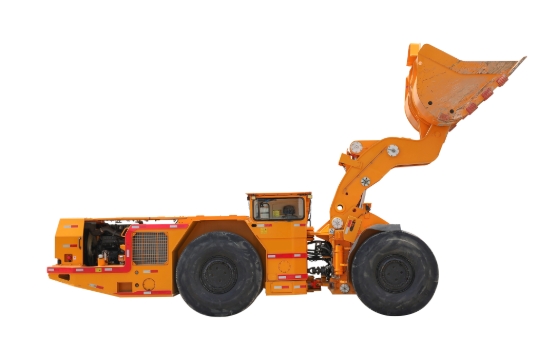
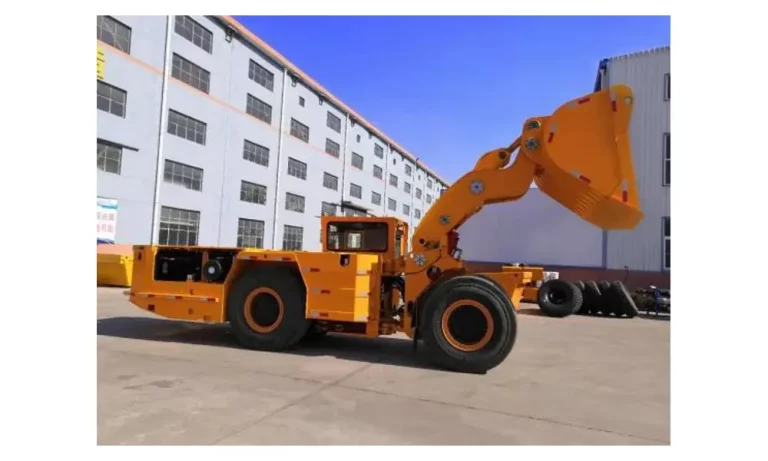
Ukitumia kifaa kama ZDL204DD, kazi ni wazi. Ni mashine ya kupakia koleo isiyo na njia na ya usafiri wa umbali mfupi inayotumika na malori ya kuchimba madini kwa ajili ya kupakia madini na vifaa. Imejengwa kuzunguka fremu ya kati iliyounganishwa na imeundwa kwa ajili ya handaki zilizo juu au zaidi ya mita 2.5 kwa mita 2.5, zenye mteremko wa barabara ulio chini ya nyuzi joto 14. Hali hizo ni za kawaida katika migodi halisi, na pia zinaelezea kwa nini hitilafu huwa zinakusanyika karibu na umajimaji, joto, na sehemu za uchakavu.
Vichocheo Vitatu vya Wakati wa Kutofanya Kazi kwa Kutazama Kila Zamu
Anza na mifumo ambayo kwa kawaida huja kabla ya kusimama kwa muda mrefu.
Mtiririko wa joto: halijoto ya majimaji, gia, au ekseli ambayo hupanda mapema kidogo kila wiki.
Uchafuzi: mafuta ya maziwa, vichujio vya mchanga, au maji yaliyopatikana mahali ambapo hayafai.
Mtetemo na kucheza: sehemu za usemi zilizolegea, mtetemo wa mstari wa kuendeshea gari chini ya mzigo, au uharibifu wa tairi unaoendelea kuwa mbaya zaidi.
Utaratibu wa Utambuzi wa Haraka Unaookoa Saa Baadaye
Utaratibu wa haraka huzuia utatuzi wa matatizo usigeuke kuwa kazi ya kubahatisha. Pia huweka kumbukumbu ya mabadiliko kuwa muhimu, si orodha tu ya "kelele za mashine."
Maelezo ya Mendeshaji Yanayosaidia Matengenezo
Andika haya kwa lugha rahisi:
Pale tatizo linapojitokeza (njia ya juu, rundo la taka, tramu tupu, tramu imejaa)
Ilipoanza (baada ya kuoshwa, baada ya kubadilishwa kwa bomba, baada ya kusafirishwa kwa muda mrefu)
Kilichobadilika (joto, harufu, muda wa majibu, taa za onyo)
Matembezi ya Dakika 10
Tafuta uvujaji mpya, mkwaruzo wa hose, na vumbi lenye unyevu linaloshikamana na vifaa. Angalia vipande vya matairi na vipande. Sehemu za kugusa pia ni muhimu. Ikiwa kitovu au laini ni moto zaidi kuliko kawaida, hiyo si "joto la kawaida chini ya ardhi."
Vichocheo vya Kuacha Kazi
Ikiwa breki itabadilika ghafla, mwitikio wa usukani ukibadilika ghafla, au dawa ya majimaji ikionekana, simamisha mashine. Huo si matengenezo tu, ni usalama.
1) Kushindwa kwa Mfumo wa Hydraulic: Uvujaji, Kazi Polepole, Joto Kupita Kiasi
Matatizo ya majimaji ndiyo malalamiko ya kawaida kwa sababu yanaonekana haraka. Kipakiaji bado kinaweza kusogea na injini imechoka, lakini hakiwezi kupakia na kutupa kwa usalama na majimaji dhaifu.
Unachokiona Kwanza
Kuinua polepole kwa boom, kuinama polepole, au ndoo inayositasita. Mwendo wa silinda uliopinda. Sauti ya kunung'unika ambayo inazidi kuwa mbaya unapojaza rundo. Tangi la majimaji la moto na mistari ya joto baada ya mzunguko mfupi wa kufanya kazi.
Sababu za Kawaida za Mizizi
Hose ikikoroma katika vichwa vilivyobana
Viungio vilivyolegea baada ya mtetemo
Mafuta machafu na vichujio vilivyoziba
Pampu iliyochakaa au mihuri ya silinda
Kifurushi cha baridi kilichojaa vumbi na faini
Hatari Zikipuuzwa
Uvujaji mdogo unaweza kukata maisha ya hose kwa nusu. Mafuta machafu yanaweza kufyonza vali na silinda. Kupasha joto kupita kiasi kunaweza kupika mihuri, kisha uvujaji hubadilika kutoka kwenye tone hadi dawa.
Cha Kufanya Ili Kuizuia
Tibu uchafuzi wa mafuta ya majimaji kwenye kipakiaji cha chini ya ardhi kama kipengee cha ratiba, si jambo la kushangaza. Weka utaratibu wa kujaza mafuta safi na kufungwa. Badilisha vichujio kwa wakati. Ongeza vifuniko vya kinga ya hose ambapo alama za kusugua zinaonekana. Wakati kitendakazi kinapungua, jaribu shinikizo na mtiririko badala ya kubahatisha.
Ikiwa unahitaji orodha ya ukaguzi ya kina kwa ajili ya ukaguzi na mifumo ya hitilafu, weka marejeleo moja ya ndani kwa ajili ya utatuzi wa matatizo ya kipakiaji cha chini ya ardhi na uisasishe kila wakati hitilafu halisi inapopatikana.
2) Masuala ya Kibadilishaji cha Usambazaji na Torque: Kuteleza, Joto, Tram dhaifu
Matatizo ya upitishaji mara nyingi hulaumiwa injini. Hilo hupoteza muda. Mbinu bora ni kuangalia ubora wa majimaji na upoezaji kwanza, kisha kuhamia kwenye ukaguzi wa njia ya kuendesha.
Dalili Zinazoashiria Uambukizi
Kuchelewa kwa ushiriki, kuvuta hafifu kwenye daraja, na mashine inayohisi tupu lakini inapata shida kubeba. Joto ndilo kidokezo. Upitishaji wa kipakiaji cha chini ya ardhi mara nyingi huongezeka joto kabla ya hitilafu kamili.
Sababu za Kawaida za Mizizi
Kioevu cha maambukizi kidogo au kichafu
Kipoezaji kimezuiwa na vumbi
Mizunguko mirefu ya tramu bila mapumziko ya mtiririko wa hewa
Tabia za mwendeshaji kama vile mabadiliko ya mwelekeo mgumu chini ya mzigo
Hatari
Kuteleza hugeuka kuwa nguzo zilizochomwa na ujenzi mpya wa gharama kubwa. Pia inaweza kusukuma msongo kwenye ekseli na viungo vya kuingilia.
Hatua za Kinga Zinazofanya Kazi
Shikilia nidhamu ya ugiligili na vichujio. Safisha vipozaji mara kwa mara. Fanya ukaguzi wa halijoto kuwa sehemu ya makabidhiano ya zamu. Ikiwa kisambazaji cha chini ya ardhi kinachoteleza kipakiaji kinaonekana mara moja, huwa kinarudi isipokuwa sababu imebainika.
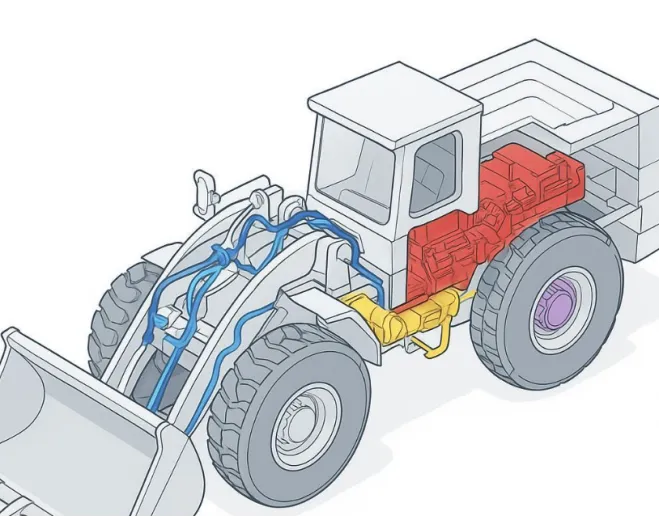
3) Kushindwa kwa Ekseli na Njia ya Kuendesha: Kelele, Joto, Mtetemo, Kupoteza Mvuto
Mara chache ekseli hushindwa "kutoka ghafla." Mafuta husimulia hadithi. Maji na vumbi ndio wahalifu wa kawaida.
Dalili
Kusaga au kugonga kwa kasi ya chini. Vitovu vya moto. Mafuta hulia kwenye sili. Mtetemo unapopakiwa.
Sababu za Kawaida za Mizizi
Maji huingia baada ya kuogea au kuzama kwenye maji
Kupakia kupita kiasi na mizunguko ya mshtuko mkubwa
Fani zilizochakaa na mihuri iliyoharibika
Hatari
Kushindwa kwa sehemu ya mwisho ya gurudumu kunaweza kufungia gurudumu kwenye njia panda. Hiyo ni hatari kubwa.
Kinga
Chukua maji katika kipakiaji cha mafuta ya ekseli chini ya ardhi kwa uzito. Ikiwa mafuta yanaonekana kama maziwa, yachukulie kama uchafuzi. Badilisha mihuri kabla hayajaharibika kabisa. Fuatilia hali ya tairi pia. Matairi sugu yaliyokatwa yana umuhimu wakati miamba mikali inapoendelea kukata kuta za pembeni.
4) Matatizo ya Mfumo wa Breki: Kufifia, Kuburuza, Kusimama Dhaifu
Breki si mahali pa "kuendesha zamu moja zaidi." Magari ya chini ya ardhi na kona zilizobana huadhibu breki dhaifu.
Dalili
Umbali mrefu wa kusimama, kanyagio laini, au harufu inayowaka. Kufifia kwa breki ya kipakiaji cha chini ya ardhi baada ya kushuka mara kwa mara ni onyo kubwa.
Sababu za Mizizi
Vipengele vilivyochakaa, matatizo ya umajimaji, hewa kwenye mfumo, na mkusanyiko wa joto. Marekebisho duni yanaweza pia kusababisha breki kuburuzwa, jambo ambalo husababisha joto hata wakati wa kugonga fremu.
Kinga
Jaribu breki mwanzoni mwa kila zamu. Angalia kama kuna joto baada ya mteremko mrefu. Rekebisha matatizo madogo mapema ili ujenzi mpya mkubwa usifike katikati ya uzalishaji.
5) Kushindwa kwa Uratibu na Uendeshaji: Kugeuka Kulegea, Kuteleza, Uchakavu wa Matairi Usio sawa
Sehemu za usemi huadhibiwa kila saa. Zinapolegea, kila kitu kingine huchakaa haraka.
Dalili
Kucheza kupita kiasi kwenye sehemu ya katikati ya gari, kuchelewa kwa usukani, mikwaruzo isiyo ya kawaida, kusugua matairi.
Sababu za Mizizi
Pini na vichaka vilivyochakaa, shinikizo la chini la usukani, mafuta yaliyochafuliwa.
Kinga
Paka mafuta kwa ratiba, na usiruke kwa sababu "ilifanyika wiki iliyopita." Pima na ubadilishe vichaka kabla ya fremu kuanza kuchukua mzigo.
ZONGDA Katika Ulimwengu Halisi
ZONGDA ni mtengenezaji wa mitambo ya uchimbaji madini anayezingatia vifaa visivyo na njia chini ya ardhi na usaidizi unaoifanya ifanye kazi baada ya kufika mahali pake. Kwa waendeshaji, hilo ni muhimu zaidi ya kauli mbiu. Kurasa za bidhaa ni za vitendo sana: unaweza kuona jinsi kitengo kama ZDL204DD kilivyowekwa kwa ajili ya kupakia koleo na usafirishaji mfupi katika uchimbaji wa chini ya ardhi, na unaweza kuangalia hali wazi za matumizi kama vile ukubwa wa handaki, mahitaji ya radius ya kugeuza, mipaka ya mteremko, uingizaji hewa, na kiwango cha halijoto. Maelezo ya aina hiyo hukusaidia kubainisha kipakiaji kinachofaa vichwa vyako na barabara zako za usafirishaji, si bajeti yako tu. Ikiwa timu yako ya eneo inajali matengenezo yanayoweza kutabirika, pia husaidia kujua kwamba mashine imejengwa kuzunguka fremu ya kati iliyounganishwa, breki ya diski nyingi zenye unyevu, na treni ya nguvu iliyojengwa kwa ajili ya kazi ya kasi ya chini na ya torque ya juu.
Ikiwa mpango wako wa matengenezo unahitaji kuendana na kundi kubwa la magari, anza kutoka ngazi ya kategoria na upange ratiba zako katika mashine zinazofanana katika vifaa vya madini trackless.
Ratiba ya Matengenezo ya Kinga Ambayo Unaweza Kuifuata
Ratiba hushindwa wakati ni za kupendeza sana. Zifanye ziwe rahisi, kisha zifuate.
Kila siku
Uvujaji, viwango vya umajimaji, jaribio la utendaji kazi wa breki, kukatwa kwa matairi, sehemu za grisi za usemi, ukaguzi wa kuona wa pakiti ya baridi.
Kila wiki
Safisha vifurushi vya kupoeza, kagua mabomba kwa alama za kusugua, angalia viunganishi vya umeme kwa kutu, thibitisha torque ya kufunga ambapo mtetemo ni wa kawaida.
Kila Saa Zilizowekwa
Kuchukua sampuli za mafuta na mabadiliko ya vichujio kulingana na saa na dalili za uchafuzi. Panga muda wa kutofanya kazi kabla ya hitilafu kupanga kwa ajili yako.
Ukitaka nanga moja iendane na utaratibu mzima, tumia matengenezo ya kuzuia kipakiaji cha chini ya ardhi kama nidhamu ya kiwango cha kampuni, si orodha tu.
Ambapo Hii Inafaa Katika Orodha Yako ya Ununuzi
Matengenezo si jambo la dukani tu. Yanapaswa kuunda uamuzi wa ununuzi. Unapolinganisha mifumo, uliza kuhusu ufaa wa handaki, kipenyo cha kugeuza, mipaka ya daraja, aina ya breki, na ufikiaji wa huduma. Pia uliza ni ukaguzi gani wa kila siku unaotarajiwa na jinsi vitu vya kawaida vinavyoweza kurekebishwa kwa haraka.
Kwa mfano maalum wa kipakiaji kinachotumika kwa ajili ya upakiaji wa madini na nyenzo na usafiri wa umbali mfupi, tazama matengenezo ya loader chini ya ardhi maelezo na ulinganishe masharti ya matumizi ya mashine na vichwa vya habari vyako.
Maswali ya kawaida
Swali la 1: Unapaswa kubadilisha mafuta ya majimaji mara ngapi kwenye kipakiaji cha chini ya ardhi?
J: Saa za matumizi na hali ya mafuta, si kubahatisha. Ikiwa mgodi ni mlolongo au vumbi, sampuli ya mafuta na hali ya chujio vinapaswa kuendesha muda. Ikiwa mafuta yanaonyesha maji au chembe nzito, ibadilishe mapema na urekebishe chanzo cha uchafuzi.
Swali la 2: Ni nini husababisha kipakiaji cha chini ya ardhi kupoteza nguvu ya tramming?
J: Sababu za kawaida ni pamoja na upitishaji wa umeme unaoteleza, vipozaji vilivyoziba ambavyo husukuma halijoto juu, viwango vya chini vya umajimaji, na uchakavu wa mstari wa kuendesha. Angalia hali ya umajimaji na halijoto kwanza, kisha nenda kwenye ukaguzi wa ekseli na mstari wa kuendesha.
Swali la 3: Unawezaje kuzuia uchafuzi wa maji katika mafuta ya ekseli?
A: Zingatia sili, njia za kupumua, na tabia za kuoshea. Kagua sili baada ya vichwa vya maji kuloweshwa na baada ya kuoshea. Ikiwa mafuta yatakuwa kama maziwa, yachukulie kama uchafu, chuja, na tafuta sehemu ya kuingilia.
Swali la 4: Ni njia gani salama zaidi ya kutatua shinikizo la majimaji chini ya ardhi?
A: Egesha kwenye ardhi imara, punguza shinikizo la mfumo kabla ya kufungua mstari wowote, na uwazuie watu mbali na maeneo yanayoweza kunyunyiziwa dawa. Kamwe usiangalie uvujaji kwa mikono mitupu.
Swali la 5: Unapaswa kurekodi nini kila zamu kwa ajili ya matengenezo ya kipakiaji cha chini ya ardhi?
A: Mitindo ya halijoto, uvujaji mpya, hisia ya breki, mwitikio wa usukani, kelele zisizo za kawaida, na taa zozote za onyo. Maelezo mafupi kama "kitovu cha moto nyuma baada ya ngazi" huokoa saa kadhaa baadaye.