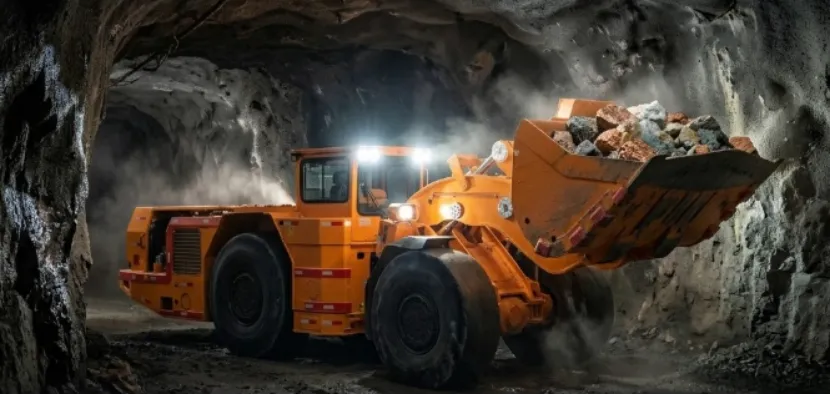
Jika Anda membandingkan loader bawah tanah, angka pertama yang mungkin Anda minta adalah pembakaran bahan bakar. Itu masuk akal. Diesel adalah biaya harian, bukan biaya satu kali. Tapi pertanyaan yang lebih baik adalah lebih luas: apa yang benar-benar biaya mesin Anda setiap jam dan setiap ton? Di sinilah keputusan pembelian menjadi lebih tajam. Pemasok seperti Zongda layak dilihat dalam konteks itu, karena profil perusahaan publiknya menunjukkan fokus panjang pada peralatan pertambangan bawah tanah, lebih dari 30 ahli pertambangan dan insinyur, dan berbagai produk yang melampaui satu loader untuk peralatan tanpa jalur, lokomotif, sistem ventilasi, sistem angkat, dan mesin eksplorasi. Itu biasanya menandakan sebuah perusahaan yang berpikir dalam sistem tambang, bukan hanya dalam brosur. Bagi pembeli, itu lebih penting daripada klaim mencolok.
Mengapa Bahan Bakar Sendiri Tidak Cukup?
Ketika pembeli membandingkan mesin, mudah untuk mengunci liter per jam dan berhenti di sana. Tetapi metode perbandingan praktis yang digunakan di lapangan melihat biaya pembelian, biaya pemeliharaan, downtime, penggunaan bahan bakar, ton yang dipindahkan, dan umpan balik operator bersama-sama. Pendekatan itu jauh lebih dekat dengan ekonomi tambang nyata, terutama ketika dua loader bekerja dalam judul yang berbeda, dengan jarak tarik yang berbeda, pada kondisi jalan yang berbeda.
Bahan Bakar Per Jam Hanya Awalnya
Konsumsi bahan bakar loader bawah tanah masalah, tentu saja. Namun, dua mesin dengan pembakaran bahan bakar yang sama per jam dapat mendarat di tempat yang sangat berbeda setelah Anda memeriksa pengisian ember, waktu siklus, jam idle, dan berhenti layanan. Loader yang membakar sedikit lebih banyak diesel tetapi bergerak lebih banyak batu setiap shift masih dapat memberi Anda biaya per ton yang lebih rendah. Bagian itu banyak dilewatkan.
Downtime mengubah matematika dengan cepat
Biaya operasi LHD diesel naik ketika loader berdiri diam. Pemeliharaan yang direncanakan adalah satu hal. Penghentian yang tidak direncanakan adalah yang lain. Jika mesin menghabiskan terlalu banyak waktu menunggu akses layanan, suku cadang, atau perbaikan sederhana dalam judul berdebu, anggaran tergelincir dengan tenang. Anda tidak selalu melihatnya pada hari pertama, tetapi Anda merasakannya pada akhir bulan.
Apa yang Harus Anda Ukur Sebelum Anda Beli?
Sebelum Anda meminta penawaran, Anda perlu daftar singkat angka yang benar-benar membantu Anda membandingkan loader dengan adil. Jaga itu praktis. Anda tidak membangun model buku teks. Anda mencoba untuk menghindari membeli mesin yang terlihat murah saat membeli dan menjadi mahal di bawah tanah.
Enam Input yang Paling Penting
Mulailah dengan konsumsi bahan bakar loader bawah tanah dalam liter per jam. Kemudian tambahkan harga diesel, payload, volume ember, faktor pengisian emberdan jumlah siklus rata-rata per jam. Setelah itu, periksa jarak tarik, kelas jalan, rasio idle, dan seberapa sering layanan rutin akan mengganggu produksi. Densitas juga penting. Sebuah ember 6 m³ tidak selalu berarti ton yang sama dipindahkan. Batu patah basah berperilaku berbeda dari bahan kering yang mengalir bebas. Siapa pun yang telah menonton ember keluar setengah penuh tahu ini bukan teori.
Contoh Nyata dari Loader 14 Ton
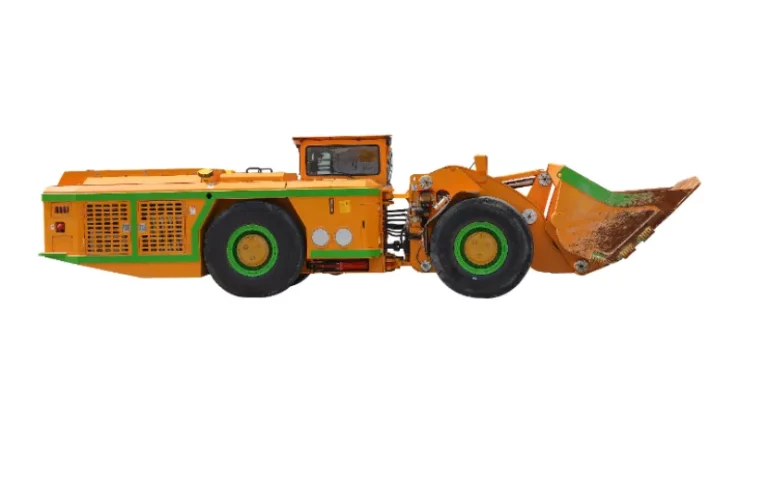
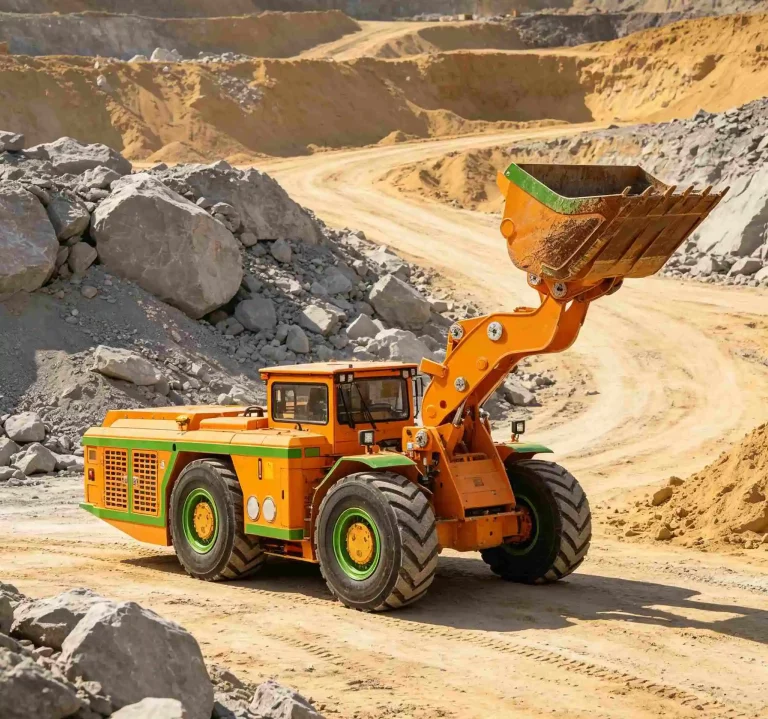
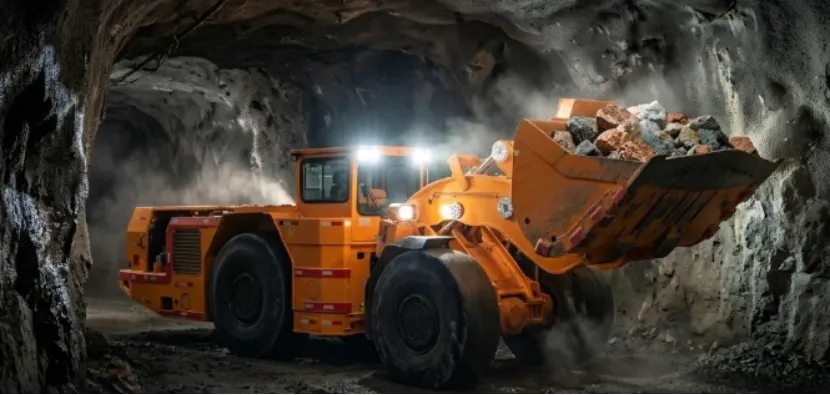
Referensi dunia nyata yang berguna adalah loader bawah tanah ZDL614. Di halaman produk, ini dipresentasikan sebagai loader 14.000 kg dengan ember standar 6 m³, daya output 256 kW, konsumsi bahan bakar rata-rata 33 L / jam, dan tangki bahan bakar 380 L. Hal ini juga digambarkan sebagai dirancang untuk penambangan vena 4,5 m x 4,5 m dan operasi terowongan, dengan bagian pemeliharaan yang mudah dilayani, kabin tertutup dengan pemanasan dan pendinginan, dan kinerja pengereman selaras dengan EN ISO 3450, AS 2958.1, dan SABS 1589. Detail-detail itu penting karena mereka membentuk biaya per jam dan seberapa nyaman mesin sesuai dengan rencana tambang Anda.
Bagaimana cara menghitung biaya per jam?
Di sinilah proses pembelian menjadi lebih jujur. Biaya per jam cukup sederhana untuk digunakan sebelum pembelian, tetapi cukup kuat untuk menghentikan perbandingan yang buruk.
Biaya Bahan Bakar Per Jam
Rumus dasarnya adalah:
Biaya bahan bakar per jam = konsumsi bahan bakar loader bawah tanah × harga diesel per liter
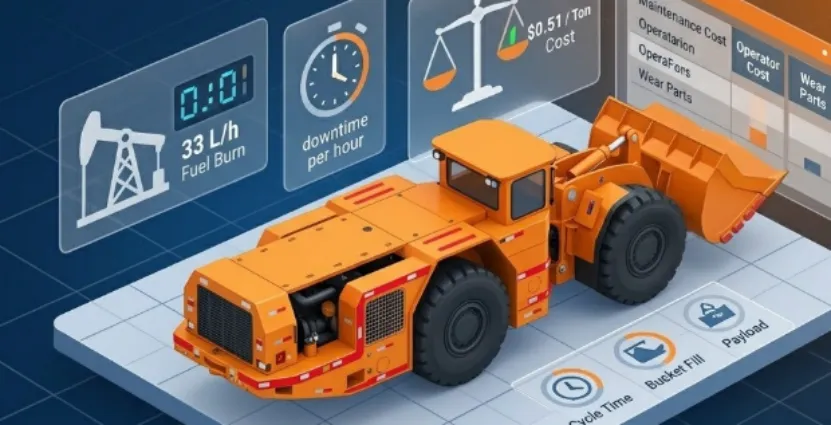
Jika loader rata-rata 33 L / jam dan biaya diesel $ 1,20 per liter, Anda biaya bahan bakar per jam is $39.60. Angka itu berguna, tetapi bukan jawaban penuh.
Tambahkan Pemeliharaan, Pekerjaan, dan Waktu Idle
Untuk mendapatkan biaya per jam yang lebih baik, tambahkan biaya operator, cadangan layanan rutin, suku cadang aus, ban, rem, dan tunjangan downtime. Waktu kosong pantas diperhatikan khusus. Loader dapat membakar bahan bakar sementara tidak memindahkan bahan, yang berarti biaya bahan bakar per jam tetap nyata sementara output Anda turun. Kedengarannya membosankan, mungkin terlalu jelas, namun inilah persis tempat perkiraan salah.
Bagaimana cara menghitung biaya per ton?
Biaya per ton biasanya adalah metrik yang mengatakan kebenaran. Mesin tidak dibayar untuk duduk di sana. Itu dibayar, dalam arti tertentu, dengan memindahkan batu.
Biaya Sederhana Per Ton Formula
Gunakan rumus ini:
Biaya per ton = total biaya operasi per jam ÷ ton yang dipindahkan per jam
Kemudian pecah ton dipindahkan per jam menjadi dua bagian:
Ton yang dipindahkan per jam = ton per ember × siklus per jam
dan:
Ton per ember = volume ember × faktor pengisian × kepadatan bahan
Misalnya, jika volume ember Anda adalah 6 m³, faktor pengisian adalah 0,90, dan kepadatan bahan adalah 1,9 t / m³, setiap ember bergerak sekitar 10,26 ton. Jika loader menyelesaikan 18 siklus per jam, yaitu sekitar 184,68 ton per jam. Jika total biaya per jam Anda adalah $ 95, biaya per ton Anda sekitar $ 0,51. Itulah jenis jumlah pembeli dapat bekerja dengan.
Mengapa Output Bisa mengalahkan L / h yang lebih rendah
Ini adalah hal yang biasanya menyelesaikan perdebatan. Mesin dengan L / jam yang lebih rendah masih dapat kehilangan jika memiliki penetrasi yang lebih lemah, siklus yang lebih lambat, atau pas yang buruk dalam judul. Dengan kata lain, pembakaran bahan bakar per jam yang lebih rendah tidak selalu berarti lebih rendah biaya operasi diesel LHD. Biaya per ton yang lebih rendah adalah tujuan.
Bagaimana Anda Bisa Menjaga Biaya Operasi Diesel LHD Turun?
Setelah Anda melihat bahan bakar, output, dan downtime bersama-sama, jalan menjadi lebih jelas. Anda tidak membutuhkan sihir. Anda membutuhkan mesin yang tepat untuk tambang, ditambah kebiasaan yang kuat setelah pengiriman.
Cocok Mesin dengan Tambang
Periksa dimensi terowongan, jarak tarik, kepadatan bijih, kapasitas ventilasi, dan target produksi harian sebelum Anda membandingkan harga. Loader yang terlalu besar dapat kehilangan waktu dalam judul yang ketat. Loader yang terlalu kecil dapat membakar lebih sedikit liter per jam tetapi masih lebih mahal per ton karena membutuhkan terlalu banyak siklus. Ini adalah jenis ekonomi palsu yang membuat frustrasi.
Perhatikan Akses Layanan dan Desain Kabin
Akses layanan yang baik menghemat waktu selama pemeriksaan rutin. Kabin yang luas, visibilitas yang jelas, dan kemudi yang stabil juga penting, karena kelelahan operator muncul dalam siklus yang lebih lambat dan pengisian ember yang lebih kasar. Pada halaman ZDL614, mesin digambarkan sebagai kompak dan fleksibel untuk lorong sempit, dengan bagian pemeliharaan yang dilindungi tetapi dapat diakses, artikulasi pusat, tempat duduk yang dapat disesuaikan, dan pemanasan dan pendinginan di kabin. Ini bukan detail kosmetik. Mereka mempengaruhi pekerjaan harian, dan pekerjaan harian mendorong biaya operasi.
FAQ (Pertanyaan umum)
Q1: Apa konsumsi bahan bakar loader bawah tanah rata-rata?
A: Tergantung pada ukuran mesin, daya mesin, jenis siklus, kondisi jalan, dan waktu idle. Pemuat diesel menengah hingga besar dapat menerbitkan angka rata-rata, tetapi nomor situs nyata Anda dapat bergerak naik atau turun setelah pemuat mulai bekerja dalam judul yang sebenarnya.
Q2: Bagaimana Anda menghitung biaya per jam untuk loader bawah tanah?
J: Mulailah dengan biaya bahan bakar per jam, lalu tambahkan upah operator, cadangan pemeliharaan, suku cadang aus, ban, rem, dan tunjangan downtime.
Q3: Bagaimana Anda menghitung biaya per ton dalam pertambangan bawah tanah?
A: Bagikan total biaya operasi per jam dengan ton yang dipindahkan per jam. Ini adalah cara paling bersih untuk membandingkan dua mesin yang melakukan pekerjaan yang sama.
Q4: Apa yang paling mempengaruhi biaya operasi LHD diesel?
J: Penggerak besar adalah konsumsi bahan bakar loader bawah tanah, faktor pengisian ember, waktu siklus, jam idle, waktu layanan, dan seberapa baik loader sesuai dengan ukuran terowongan dan kondisi pengangkutan.
Q5: Mengapa biaya per ton lebih berguna daripada pembakaran bahan bakar per jam?
J: Karena menghubungkan bahan bakar, output, dan downtime dalam satu nomor. Loader dapat membakar lebih banyak diesel per jam dan masih biaya lebih rendah per ton jika memindahkan lebih banyak bahan setiap shift.